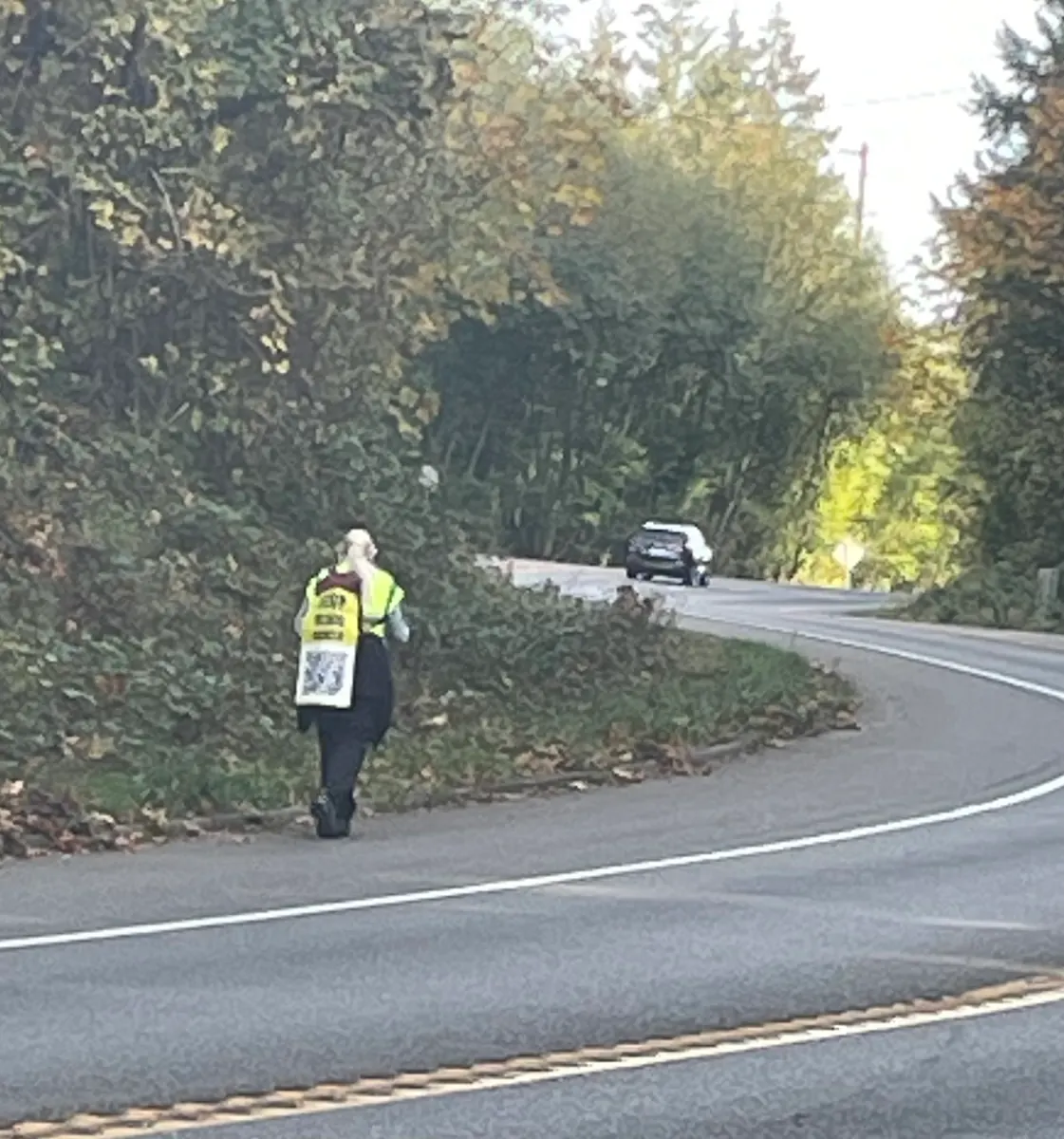
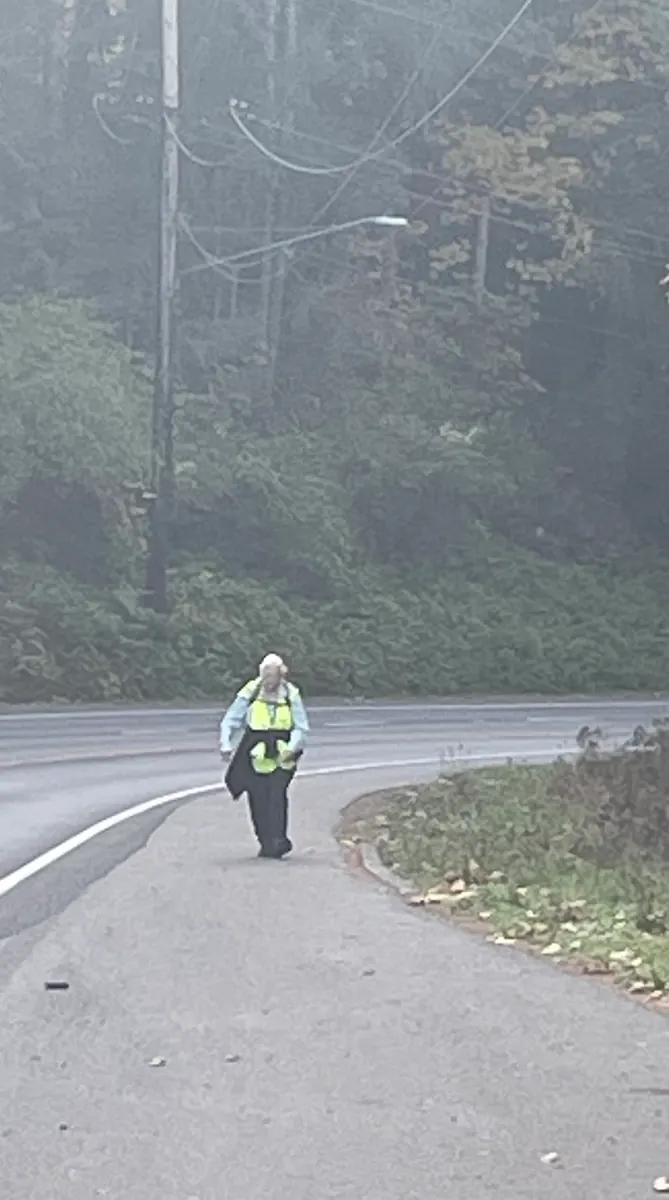
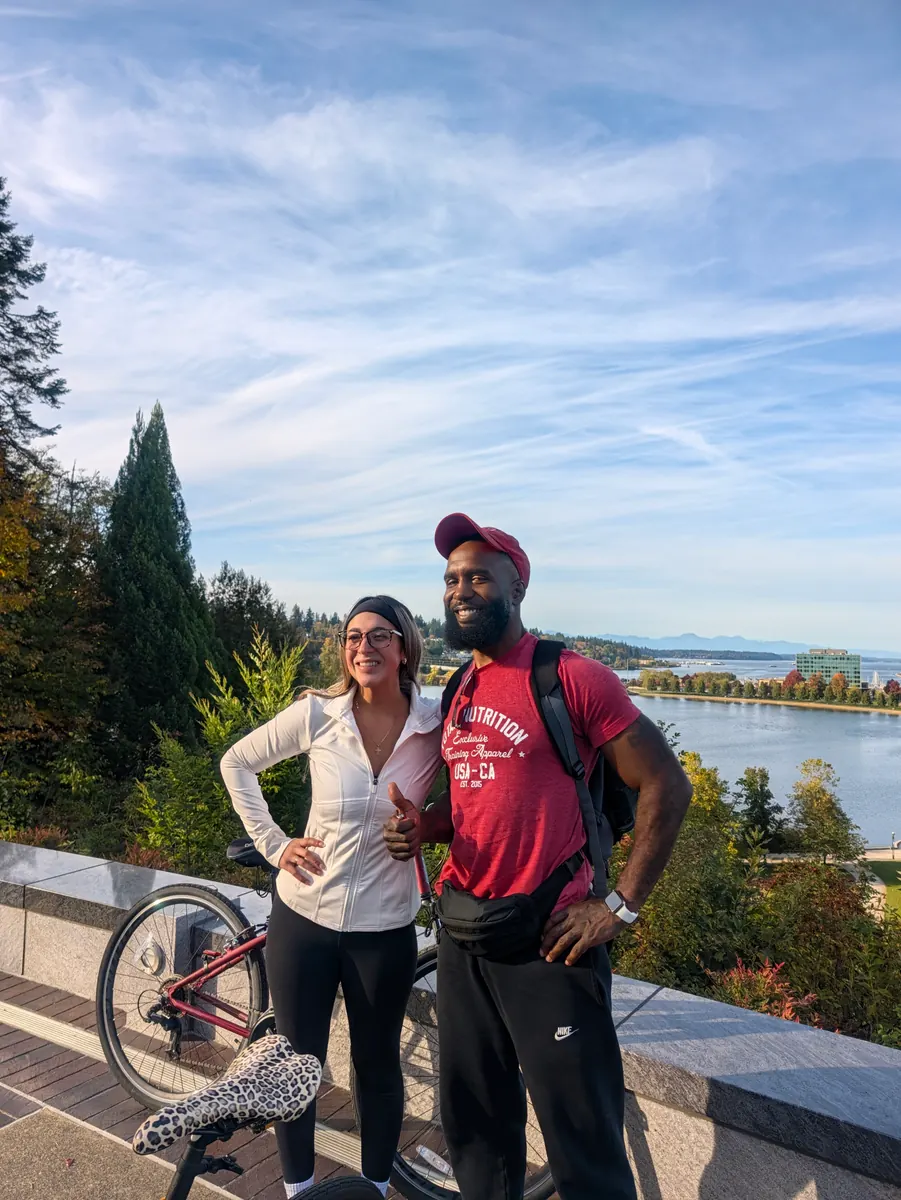
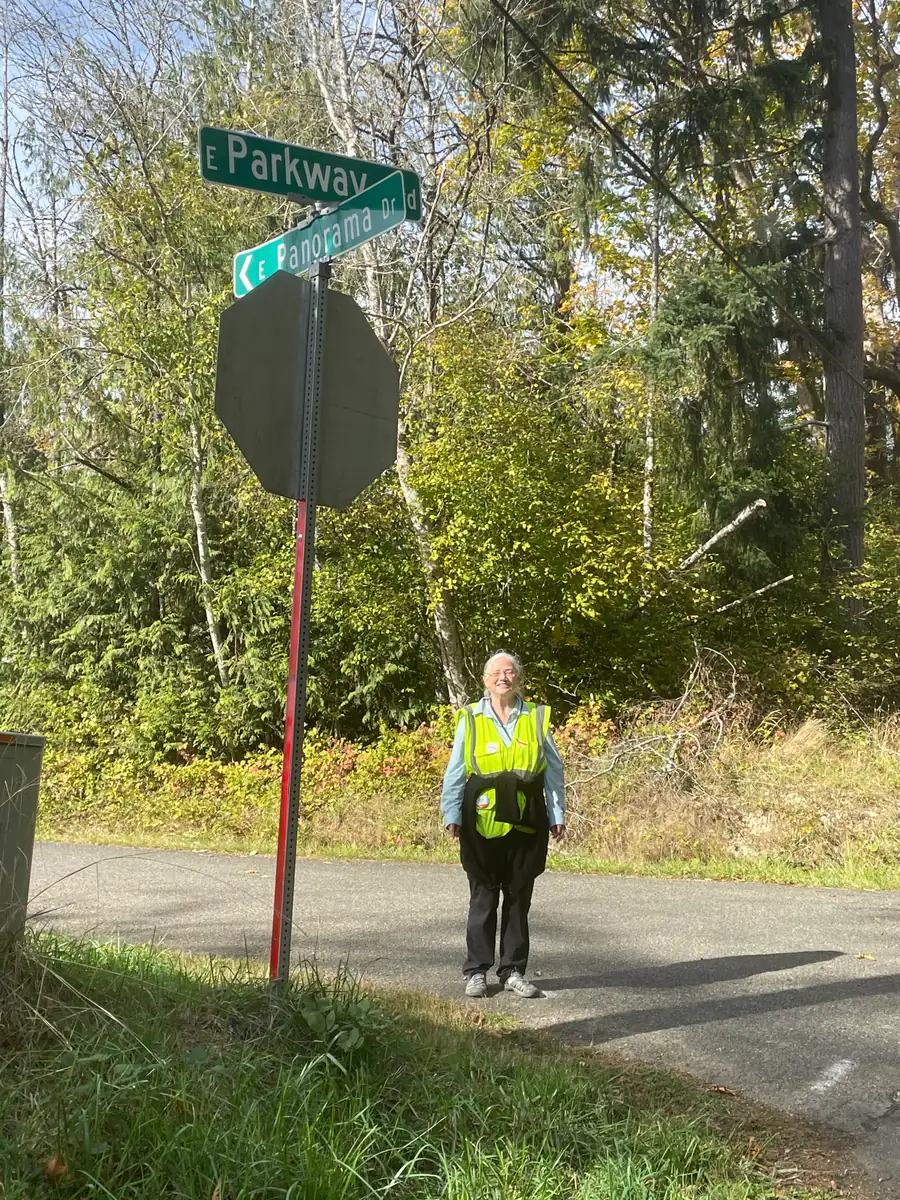
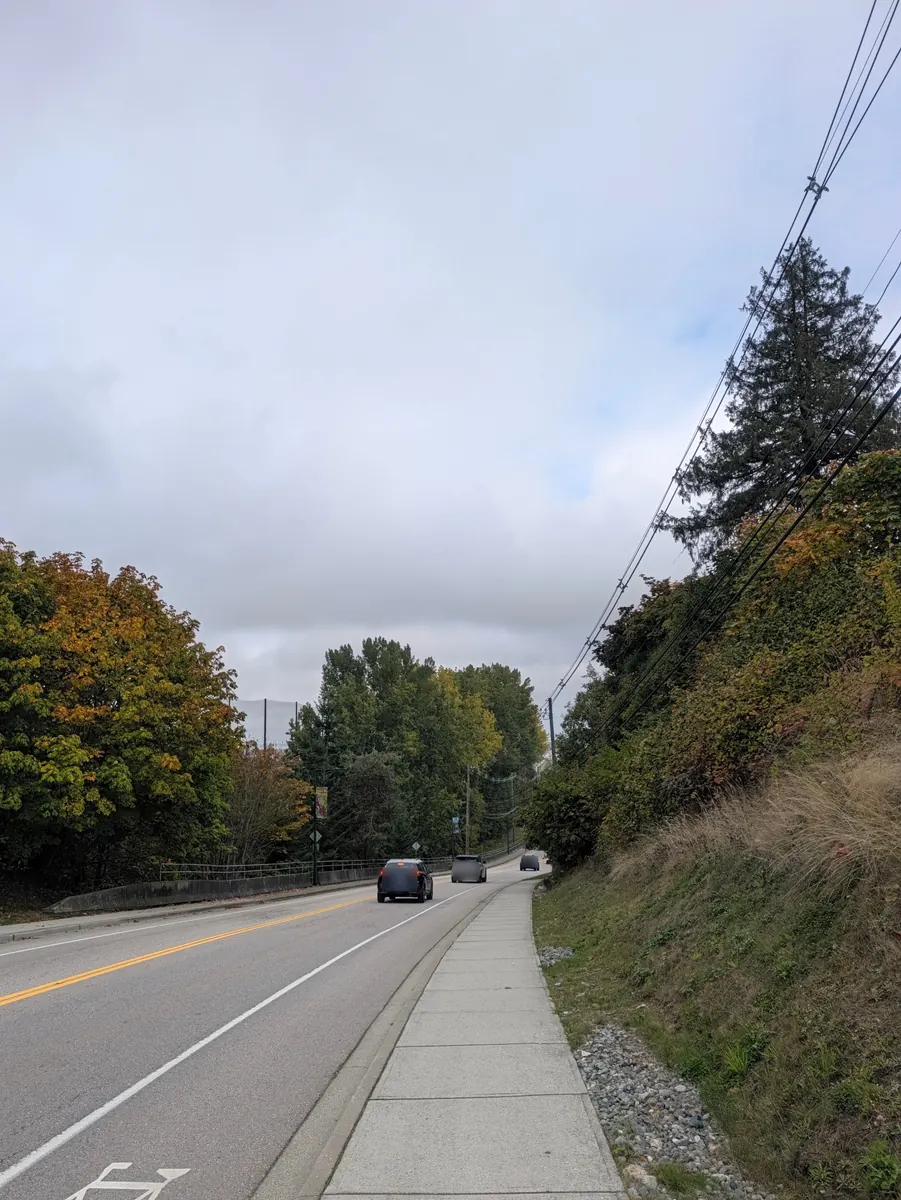
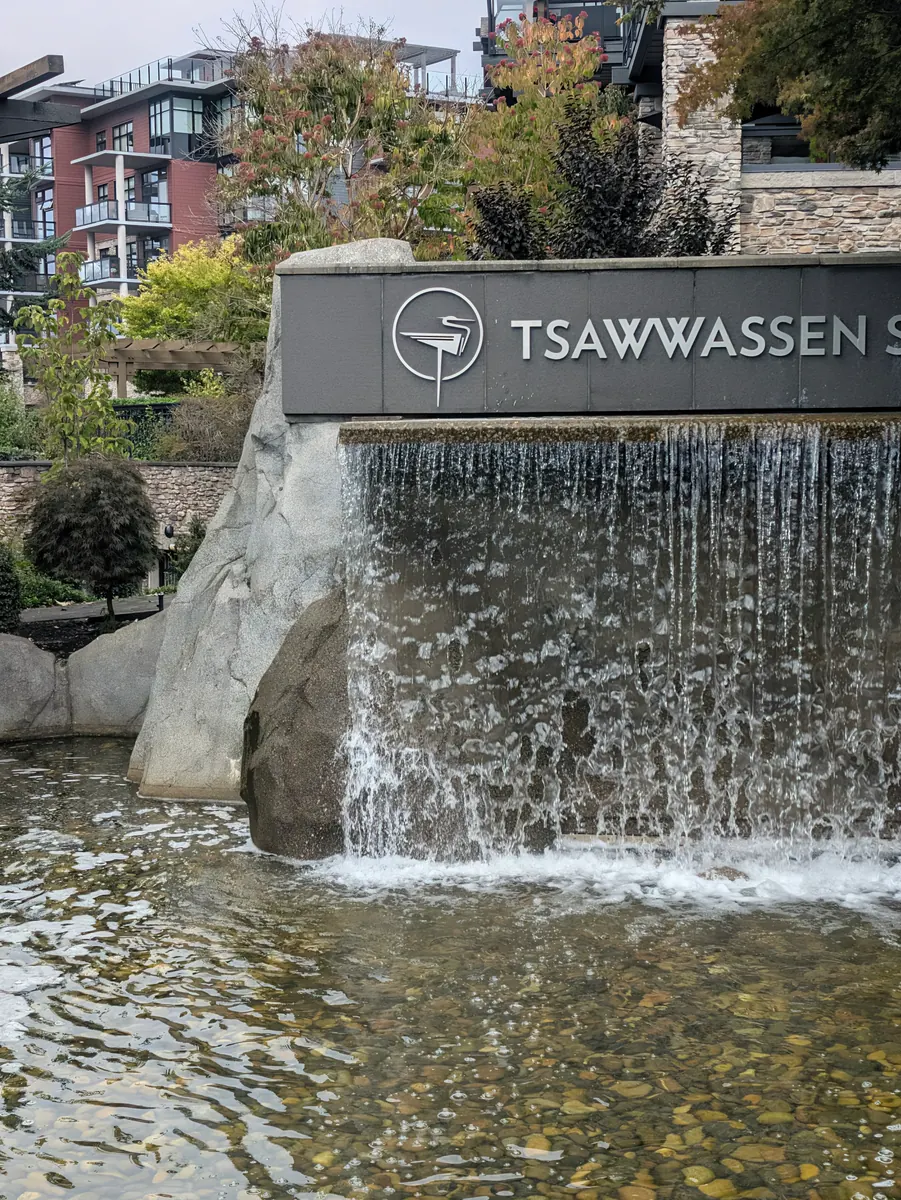
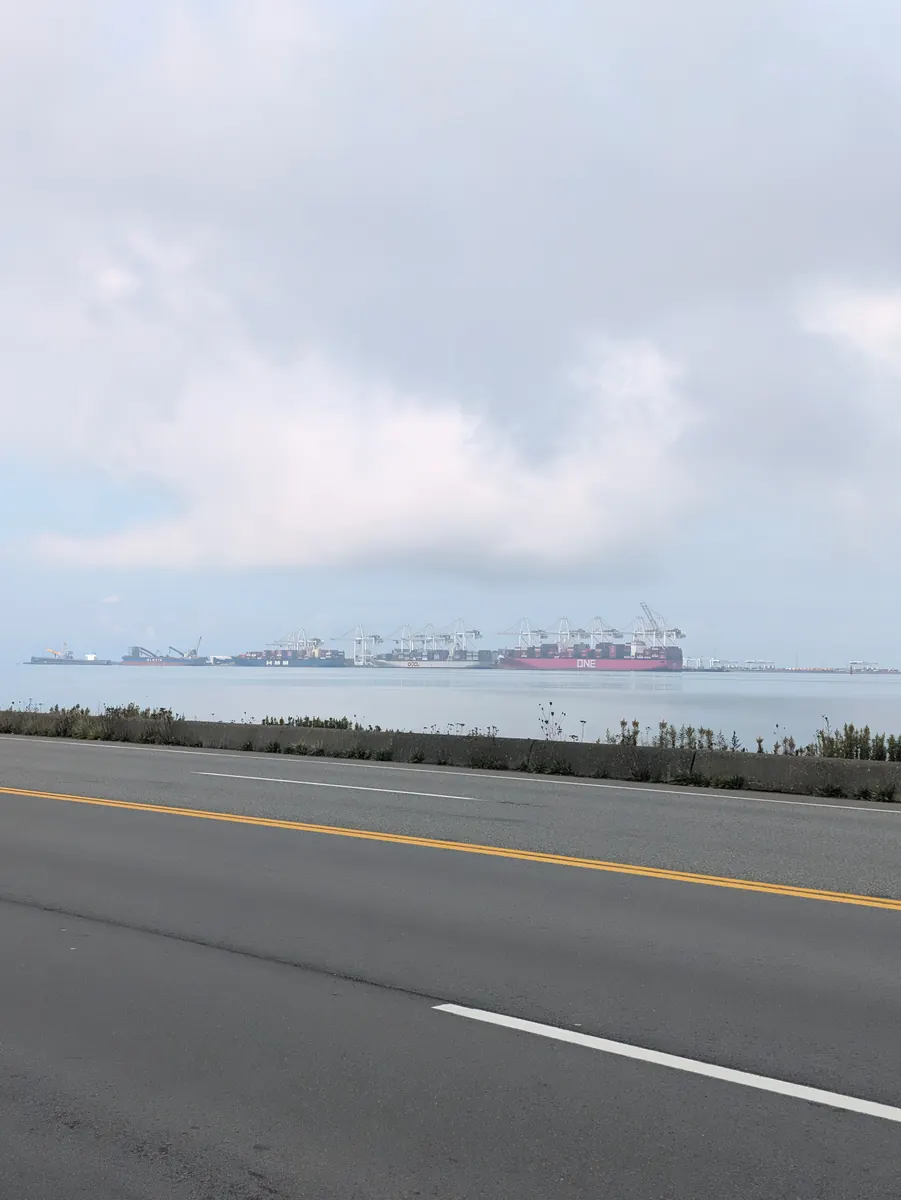
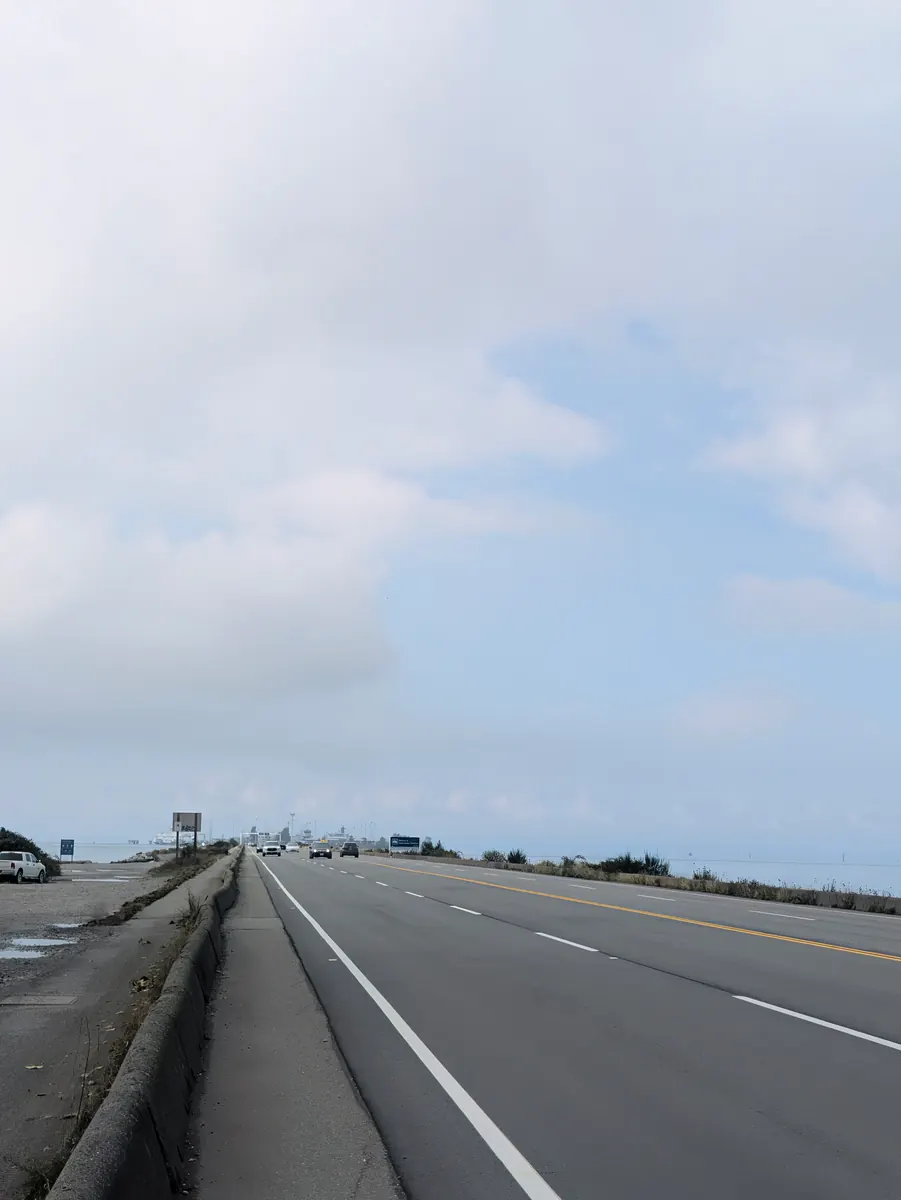
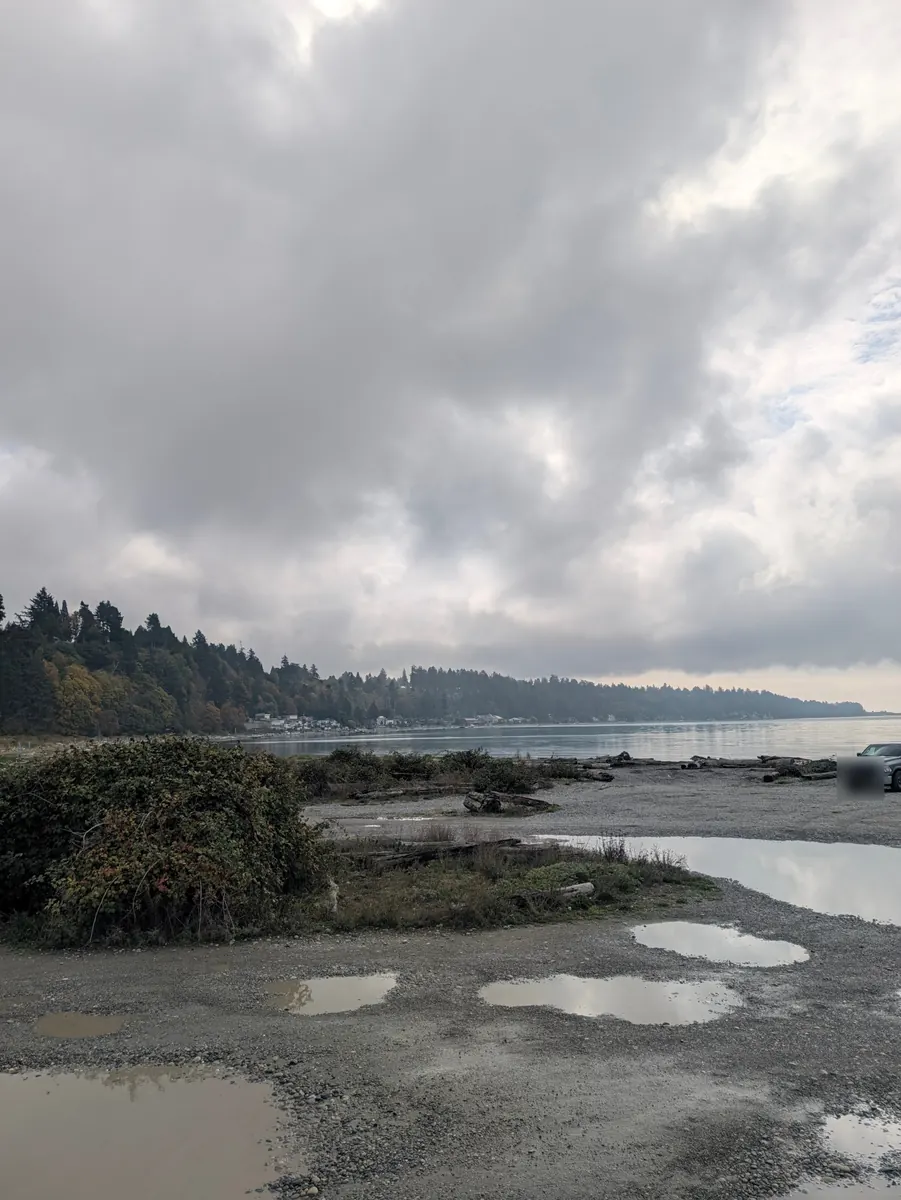
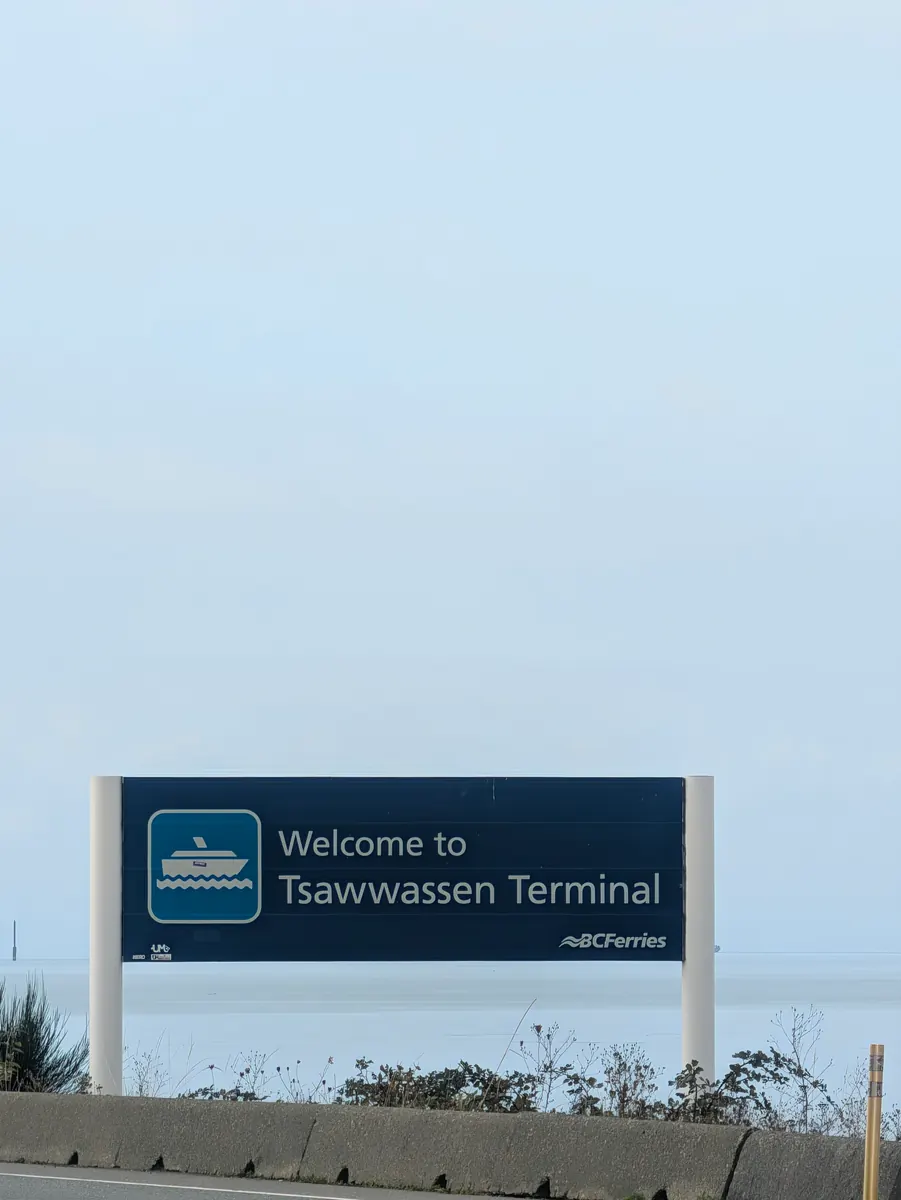
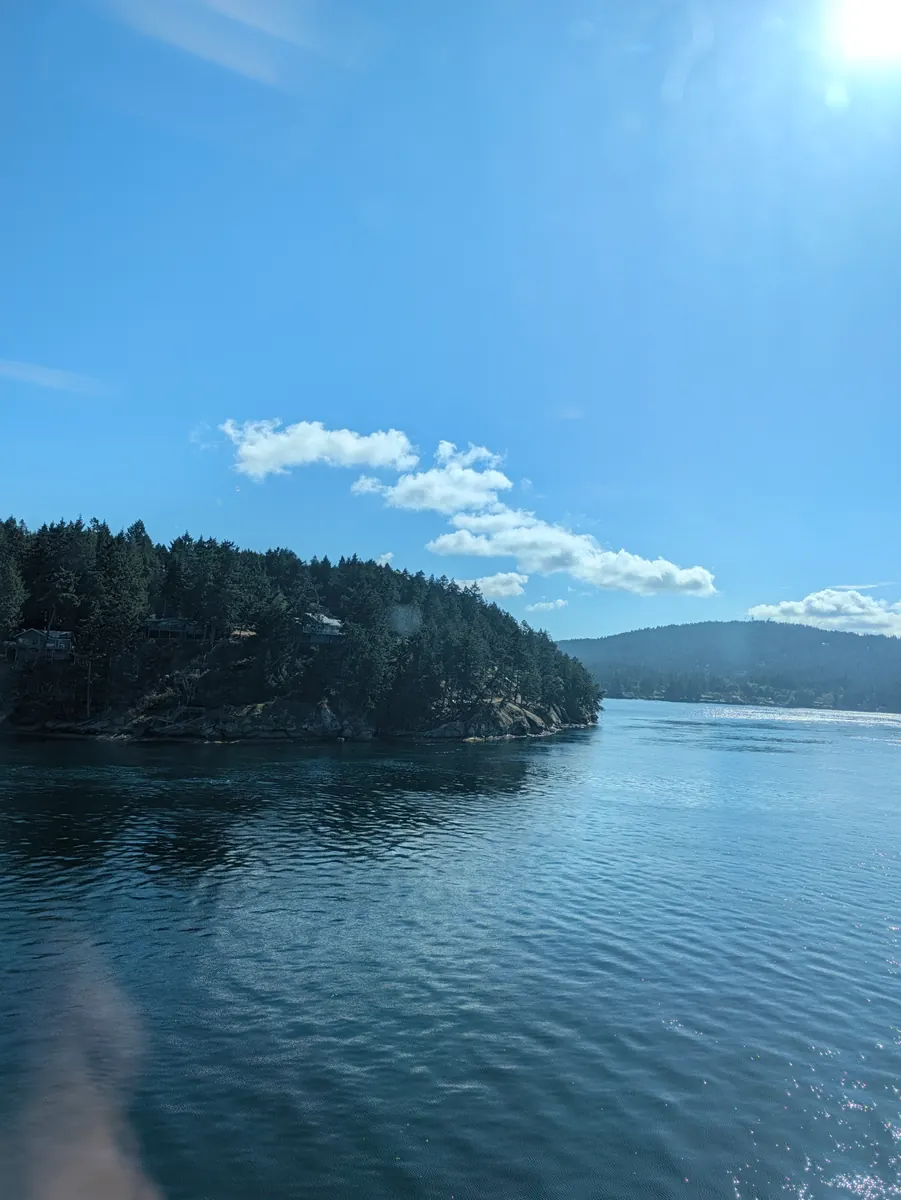
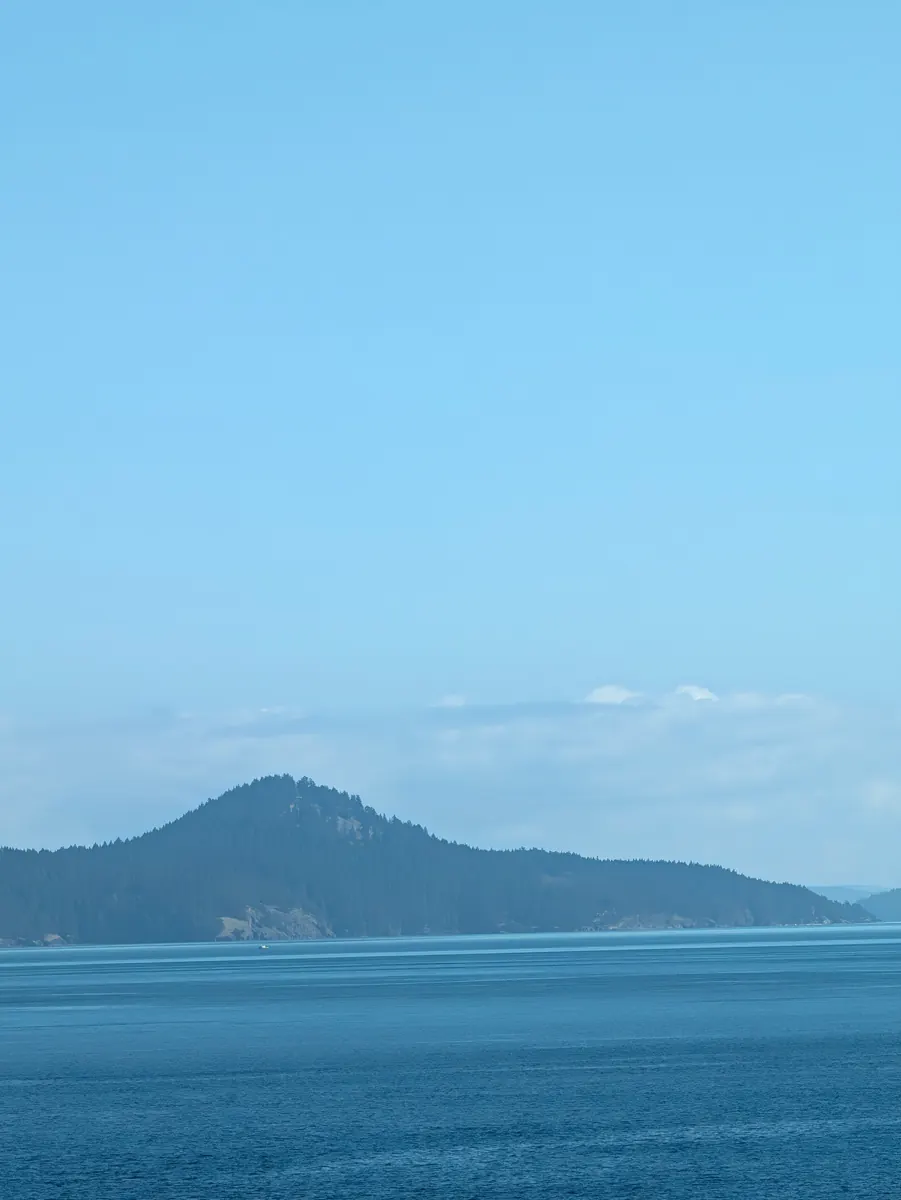
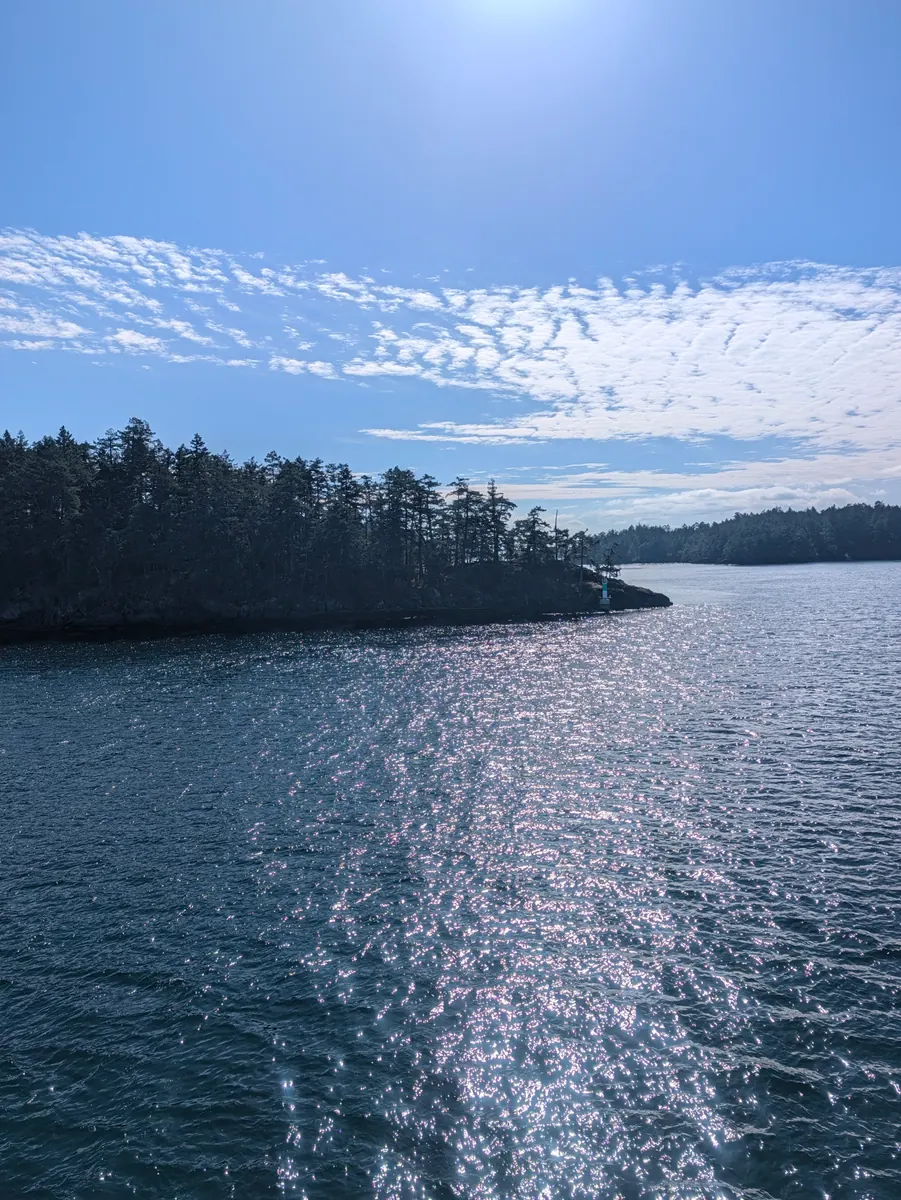
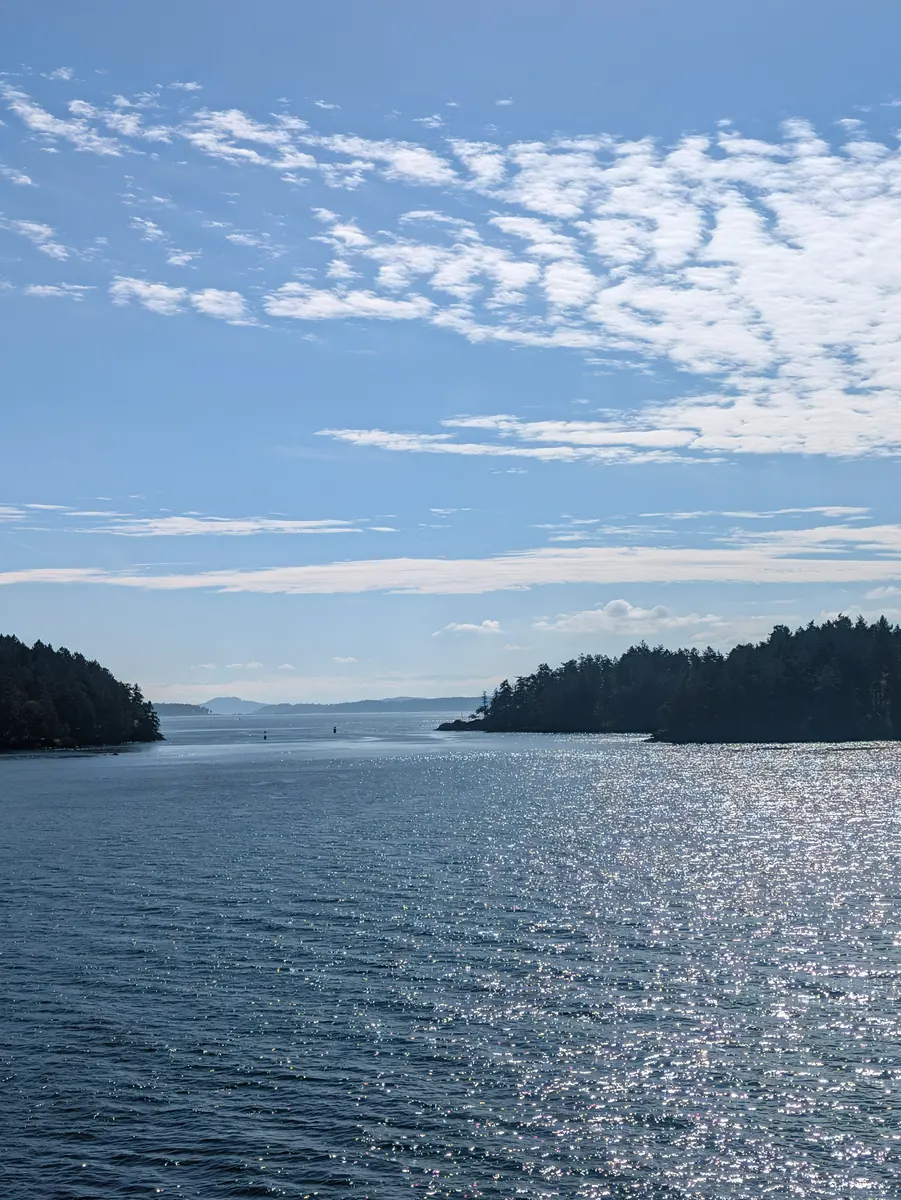
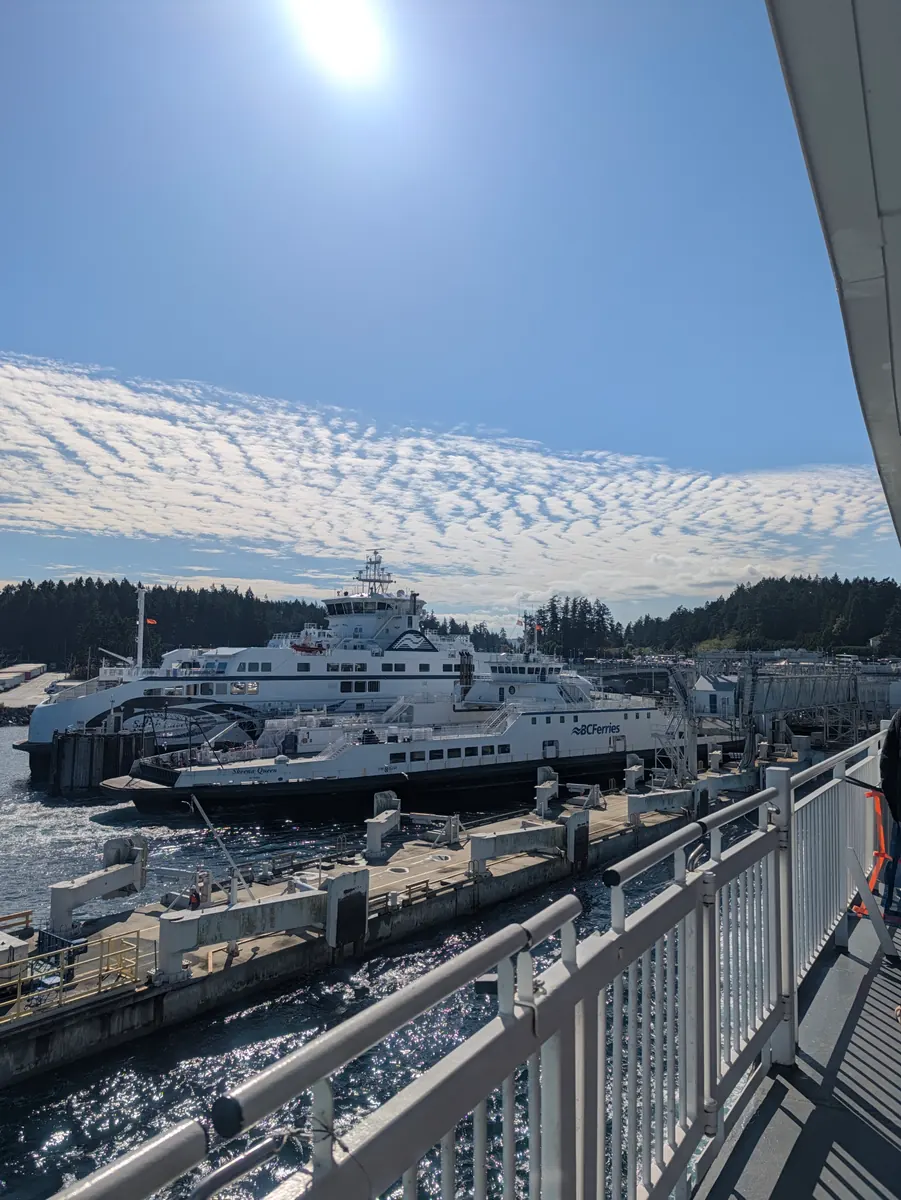
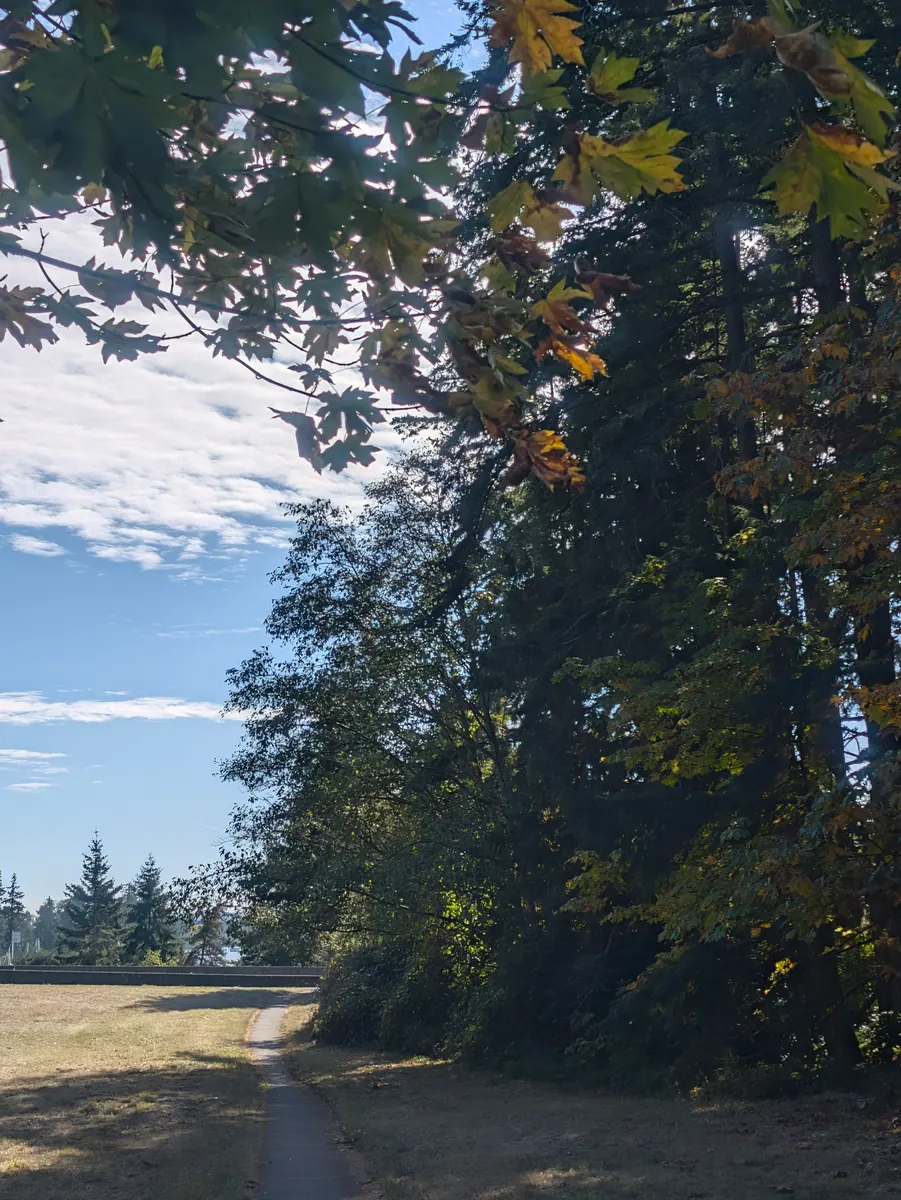
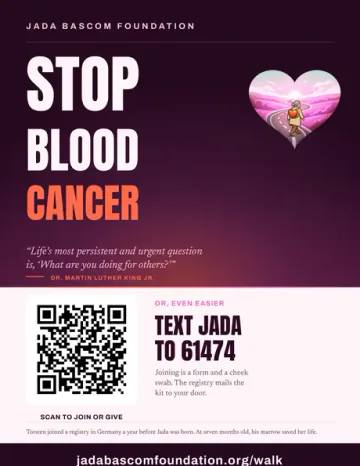
She made it to Olympia. The last miles, together.
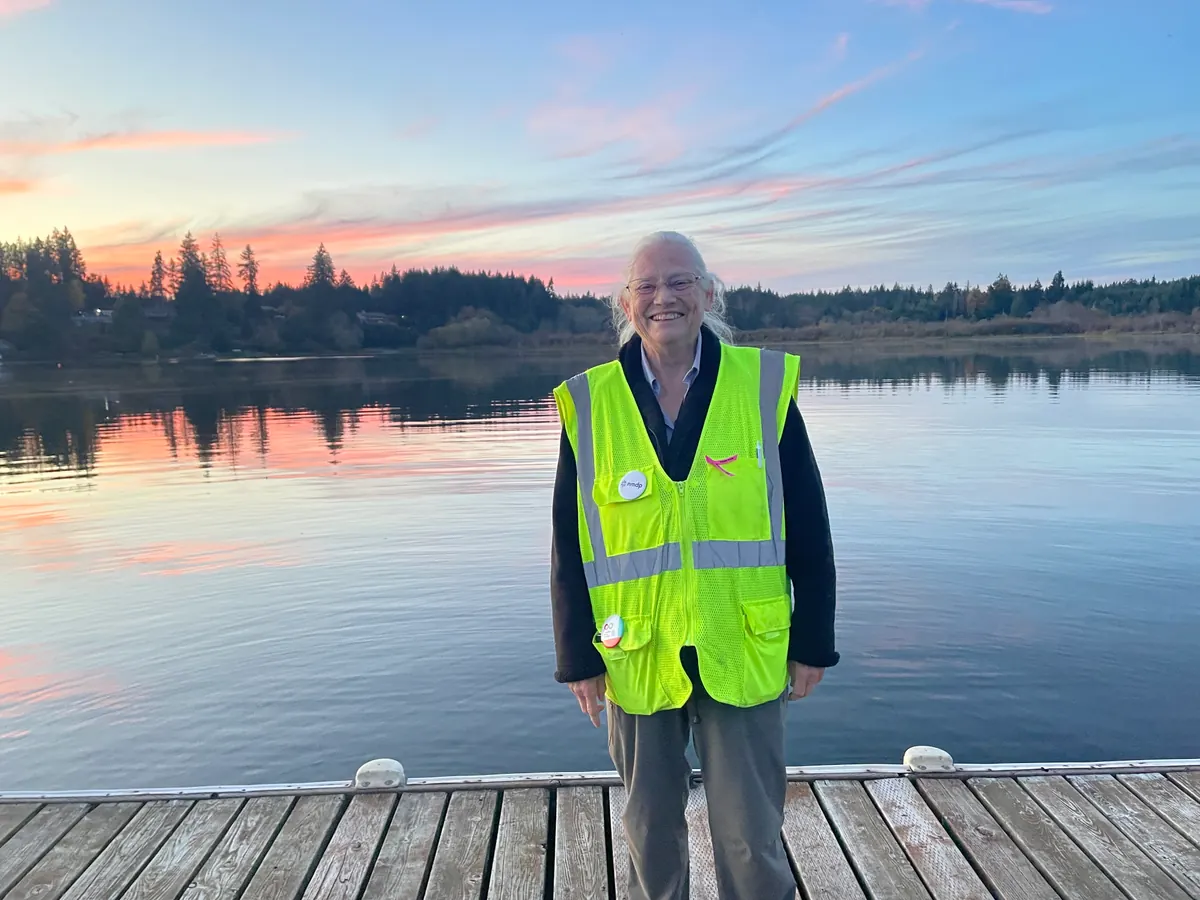
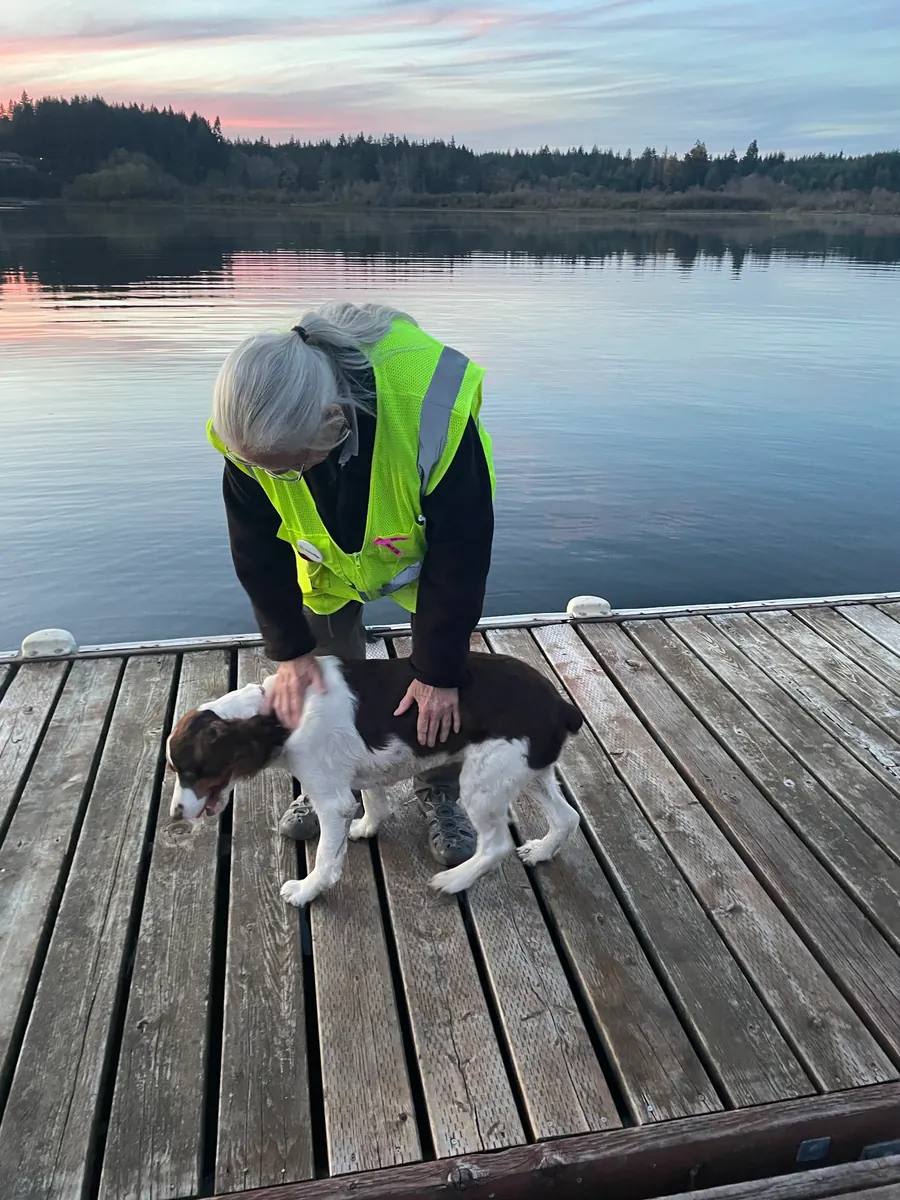
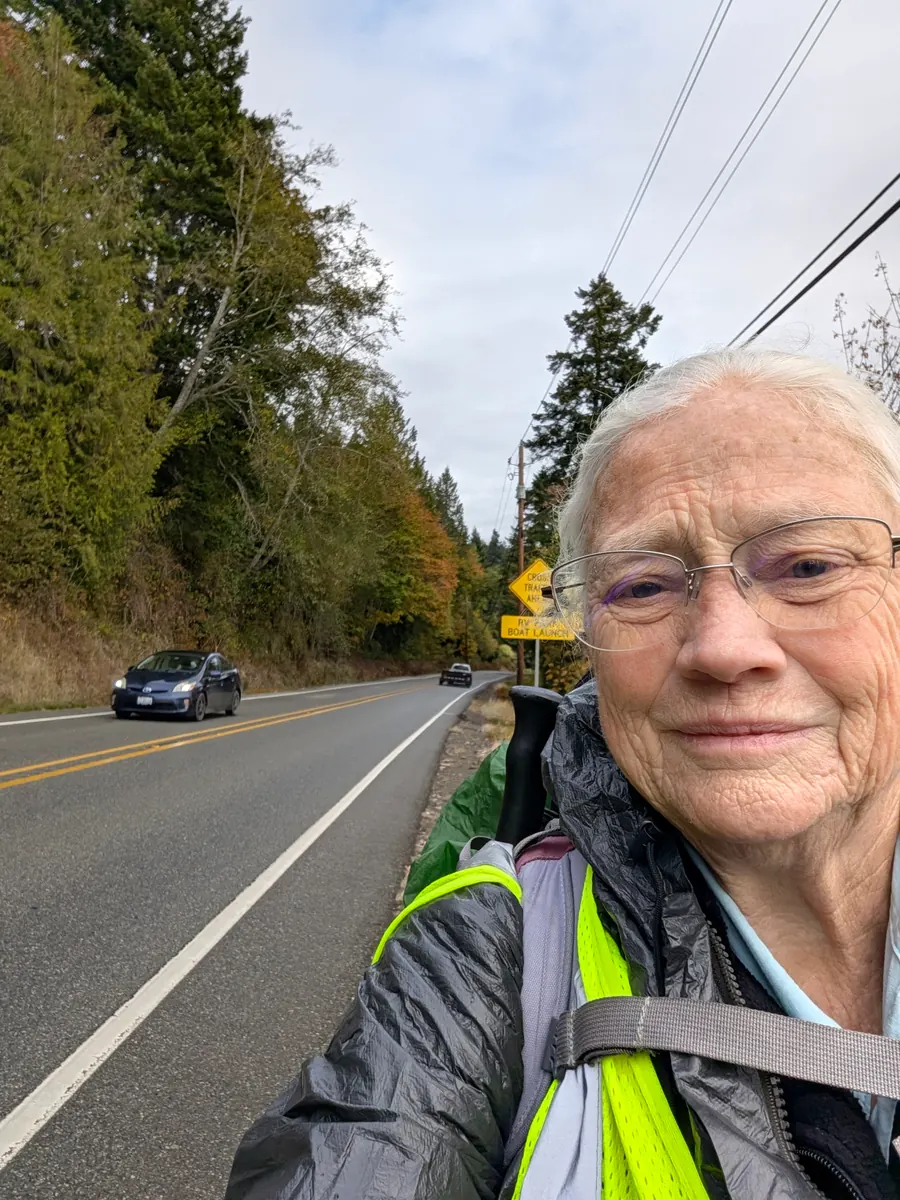
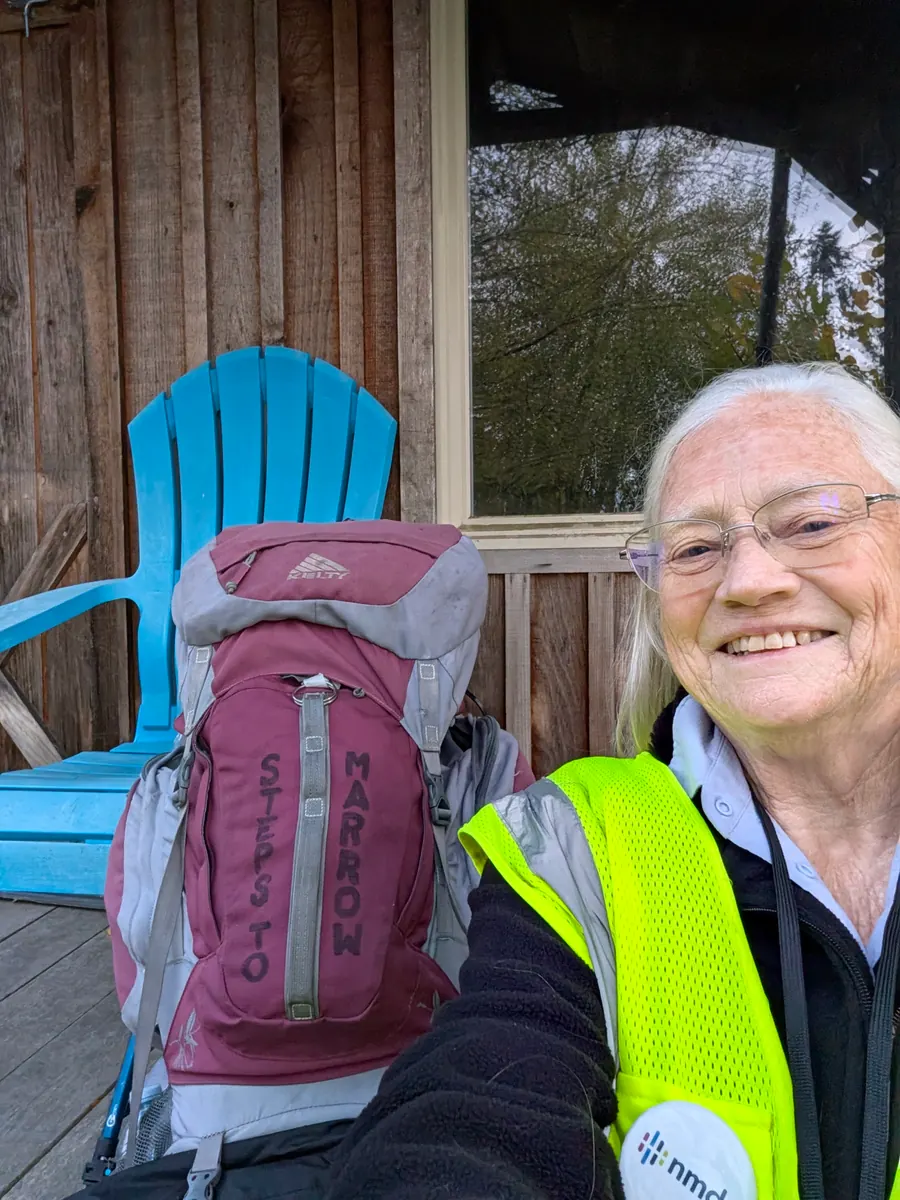
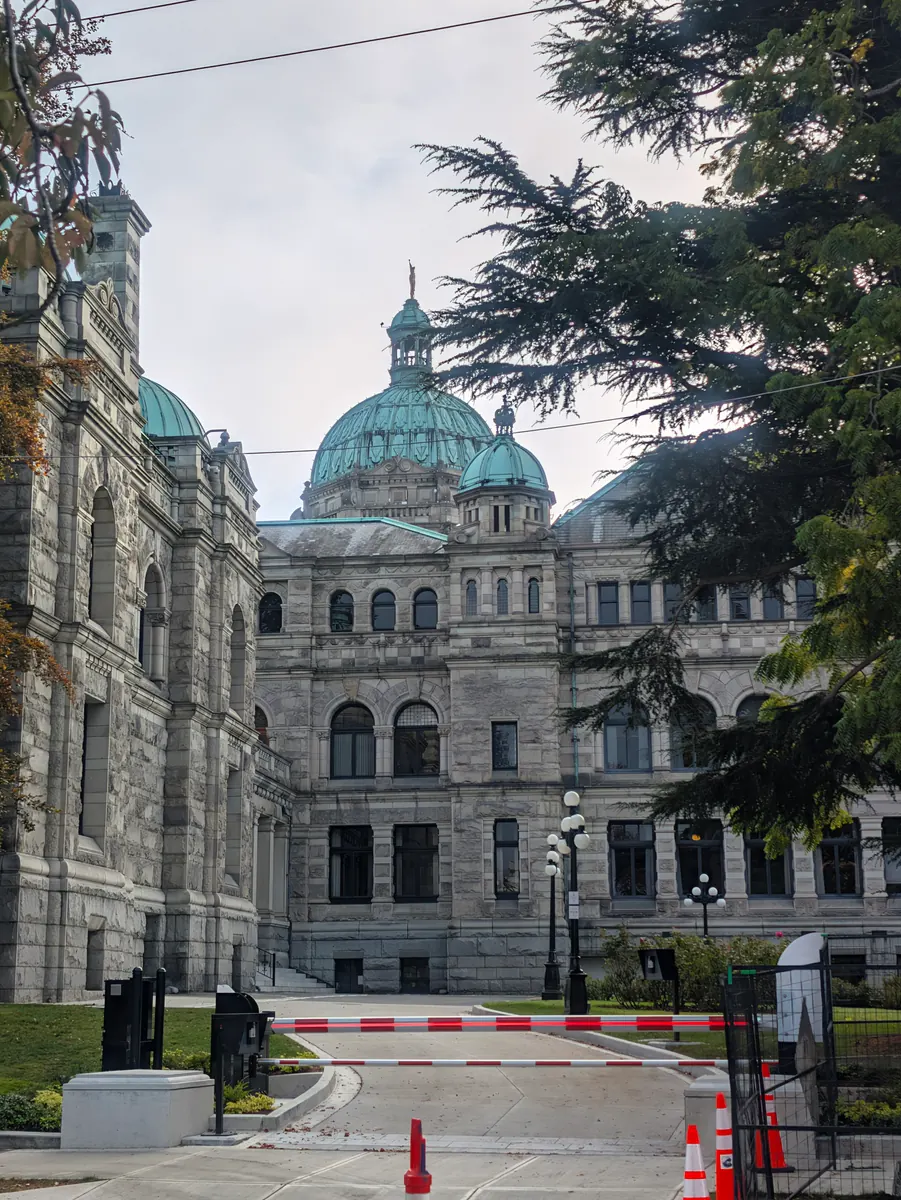
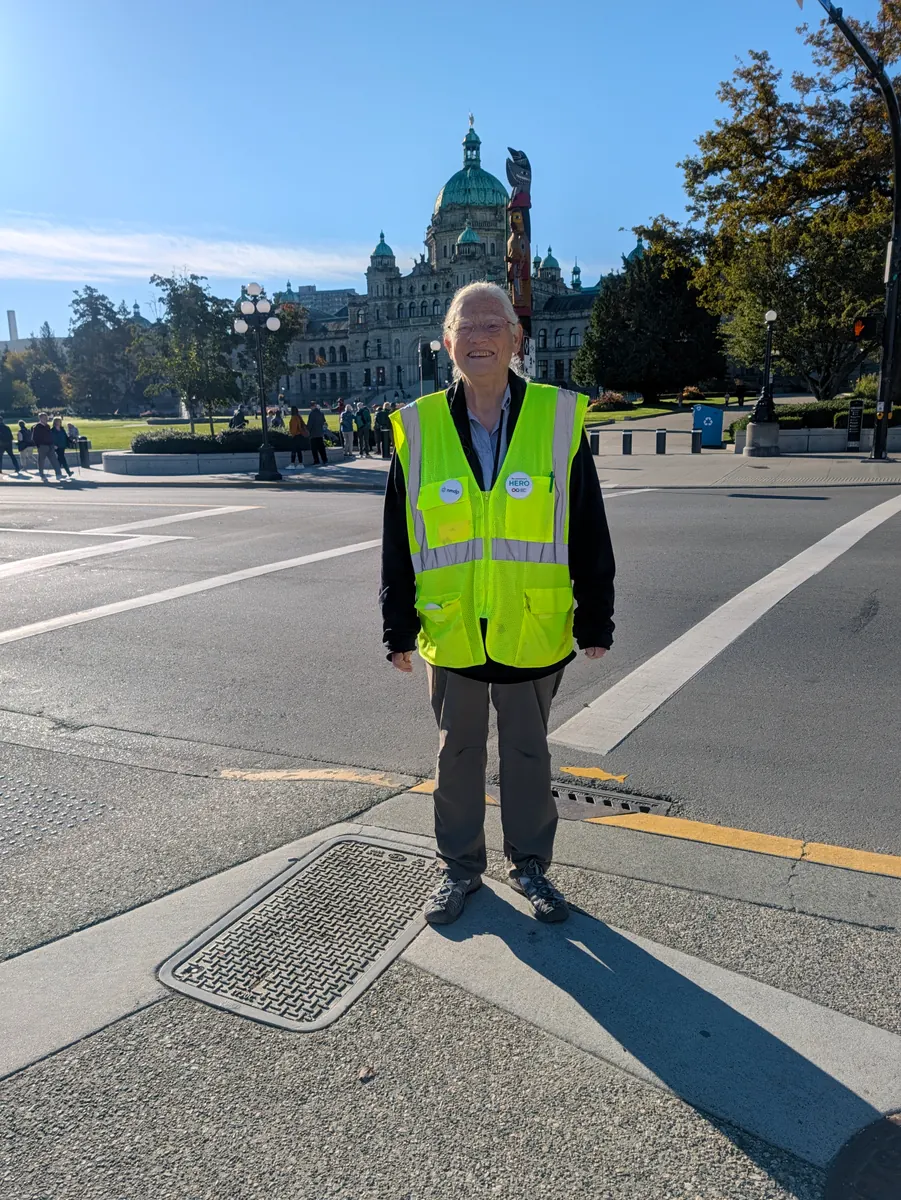
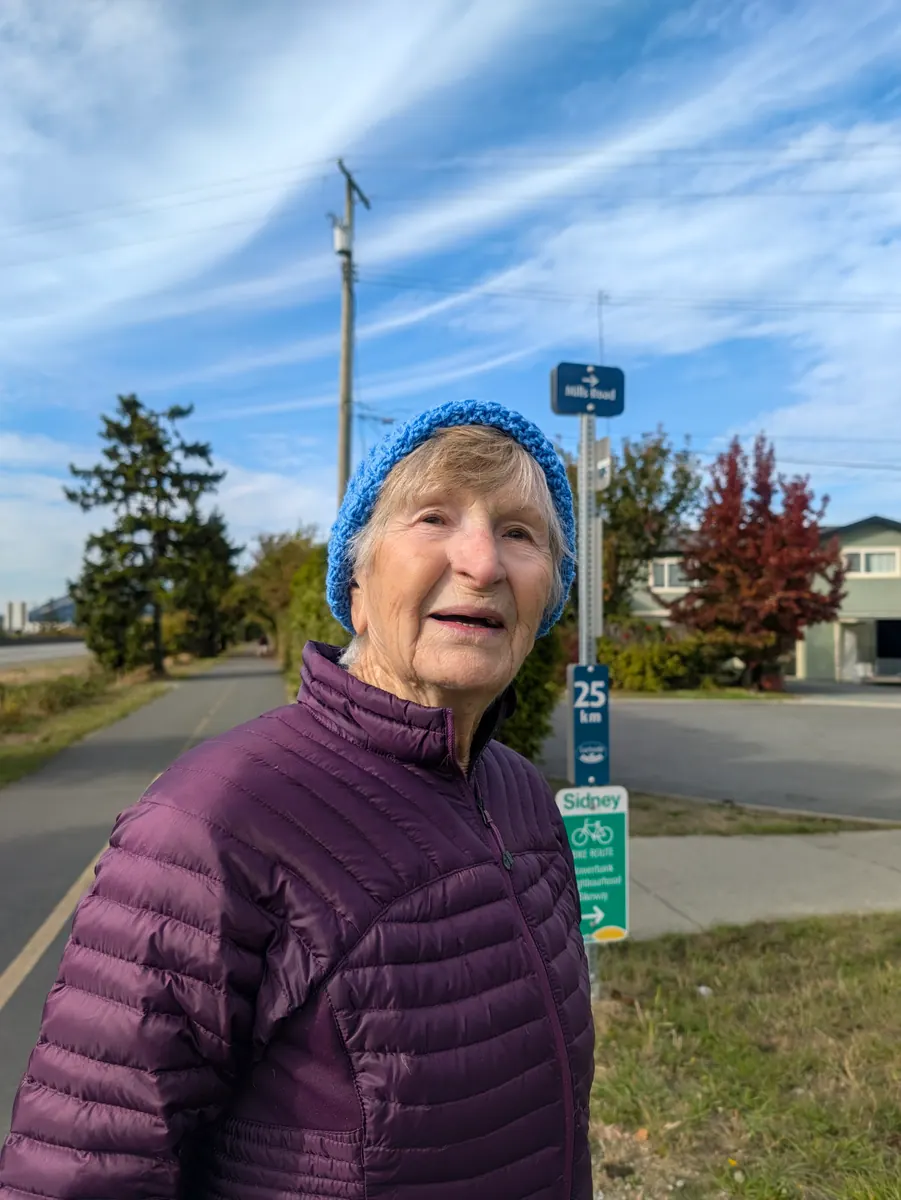
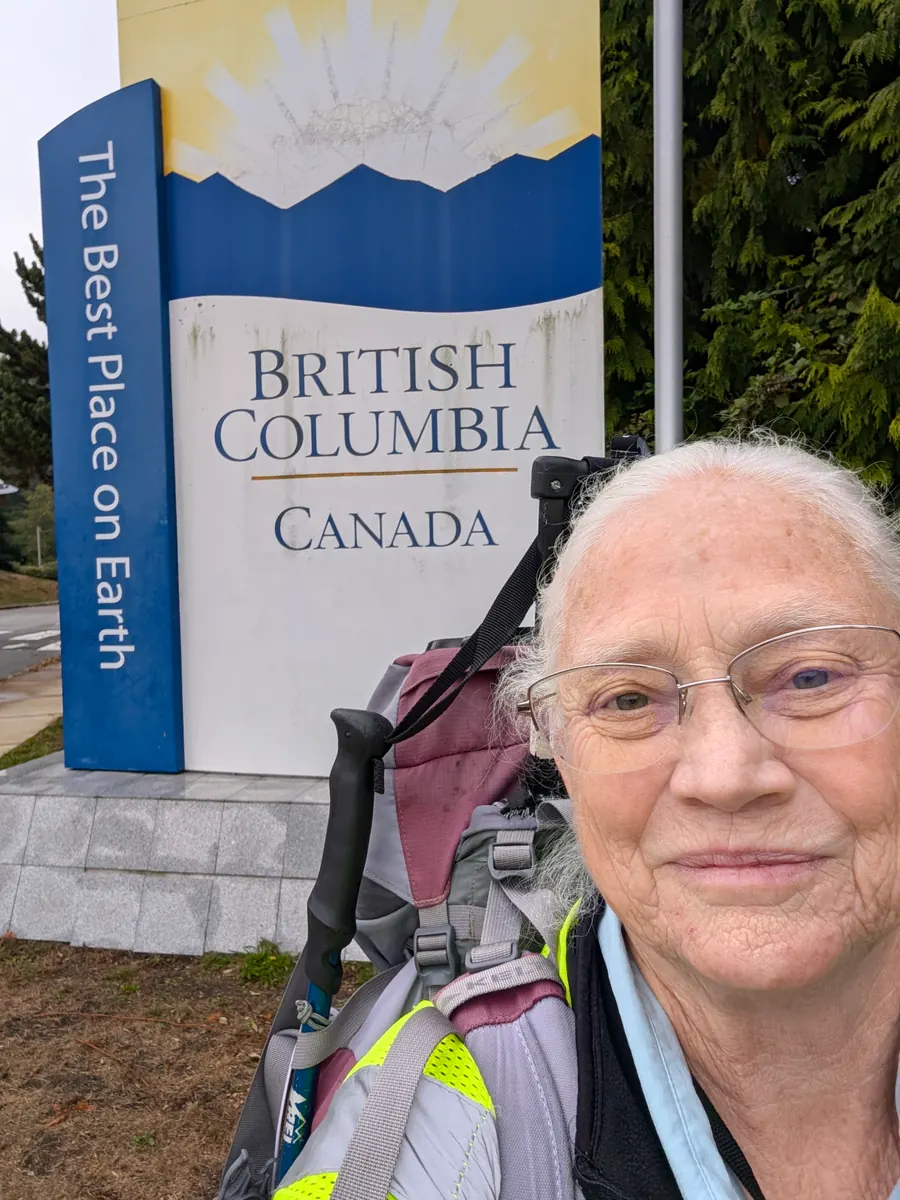
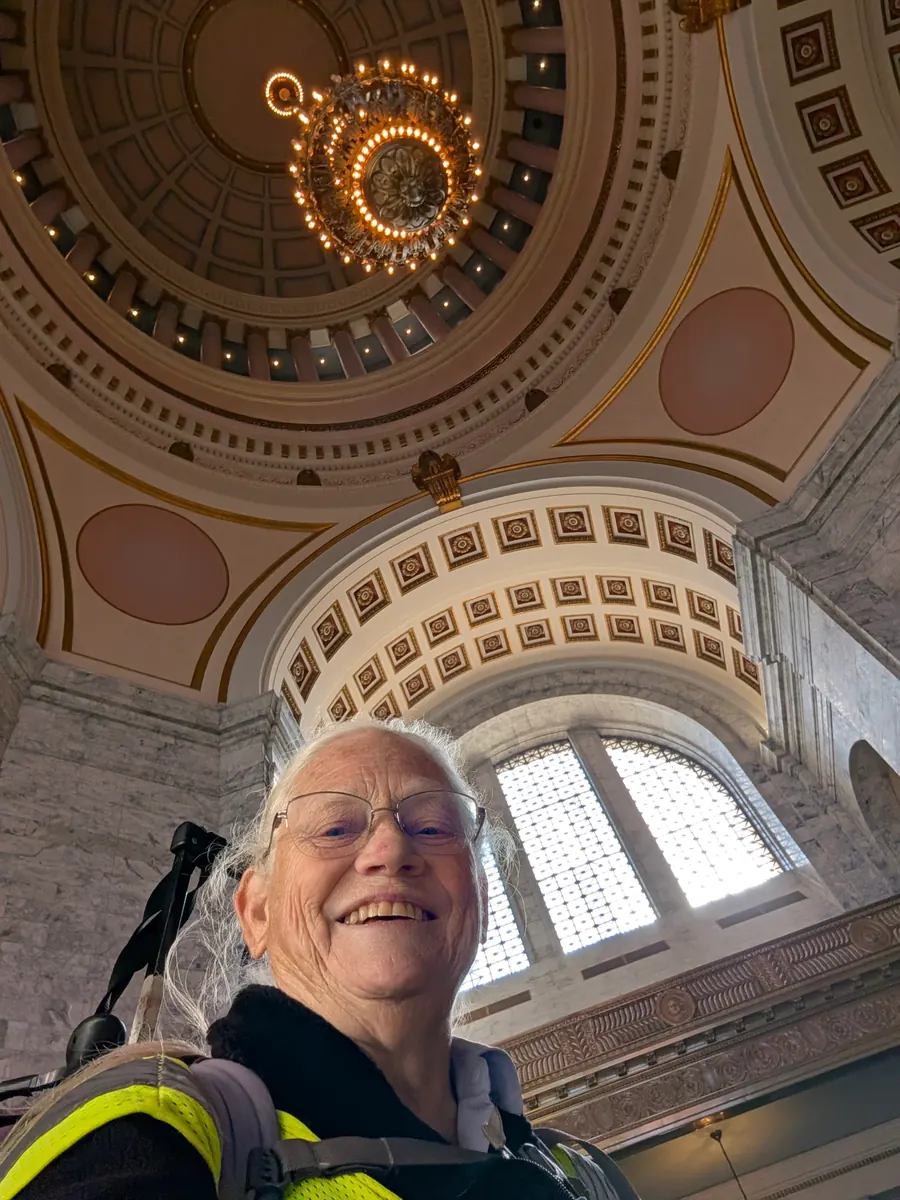
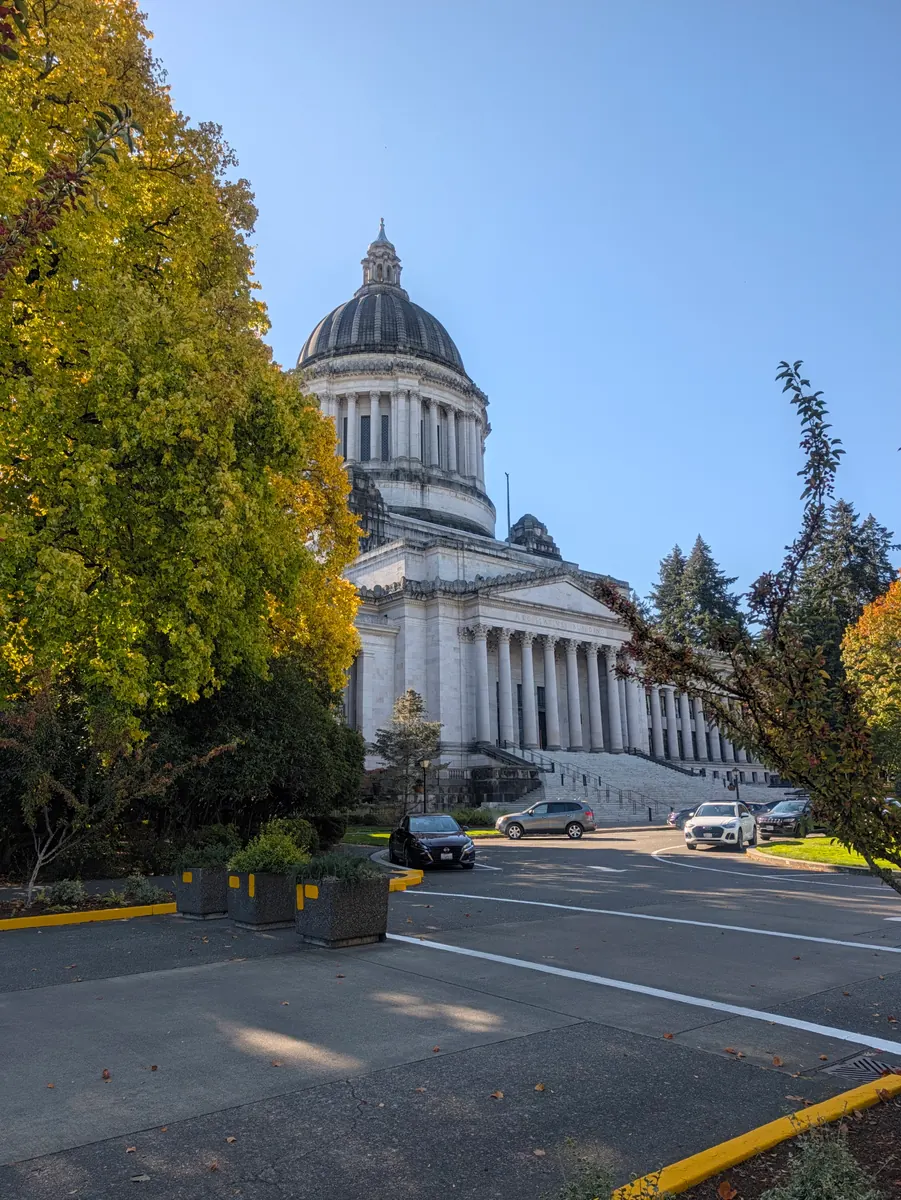
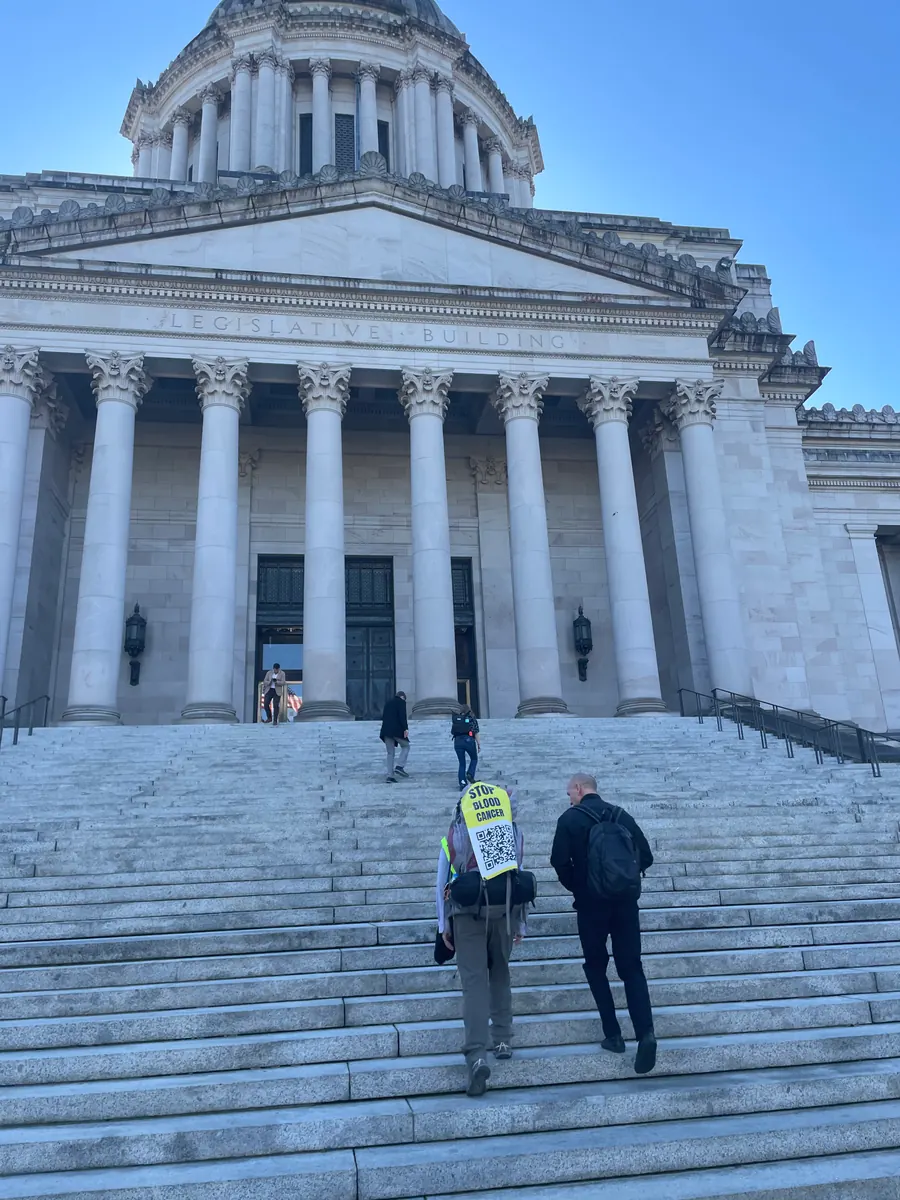
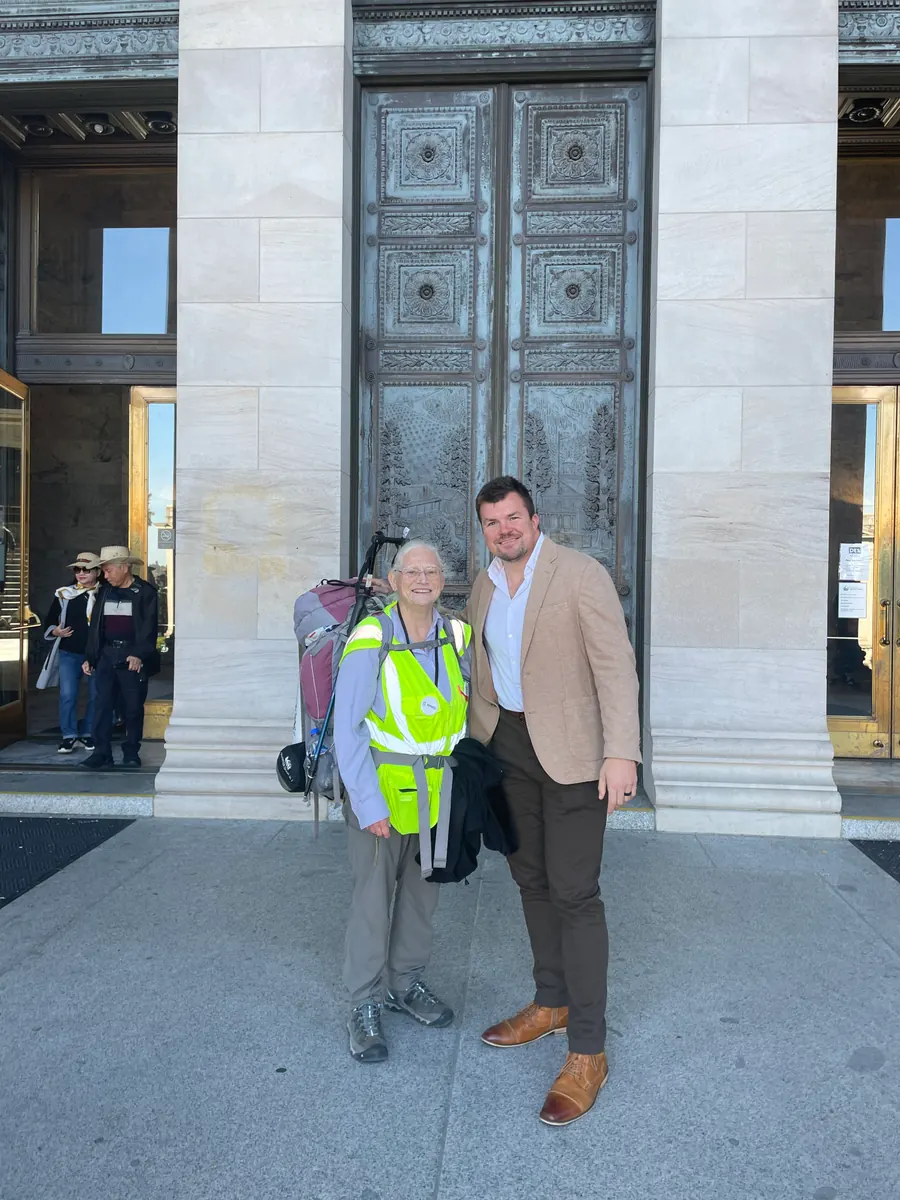
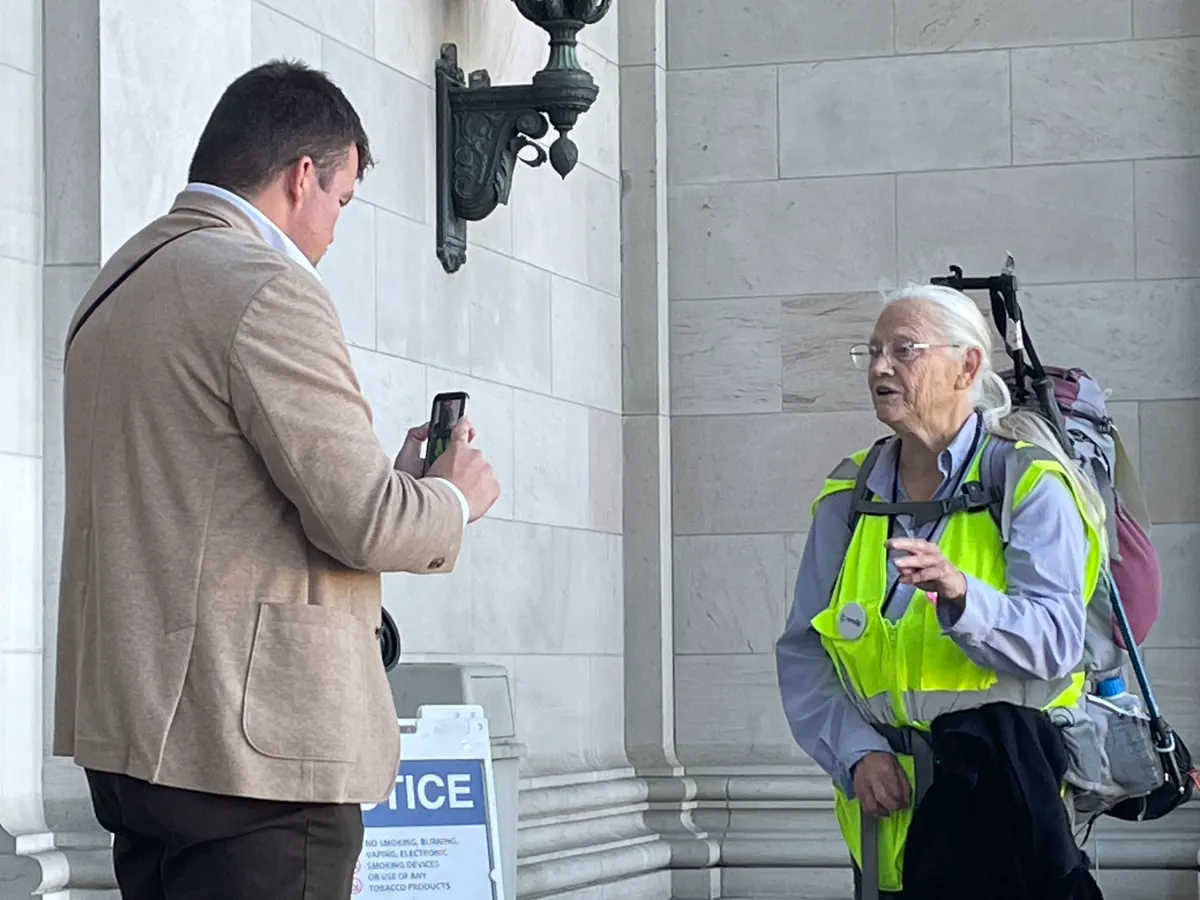
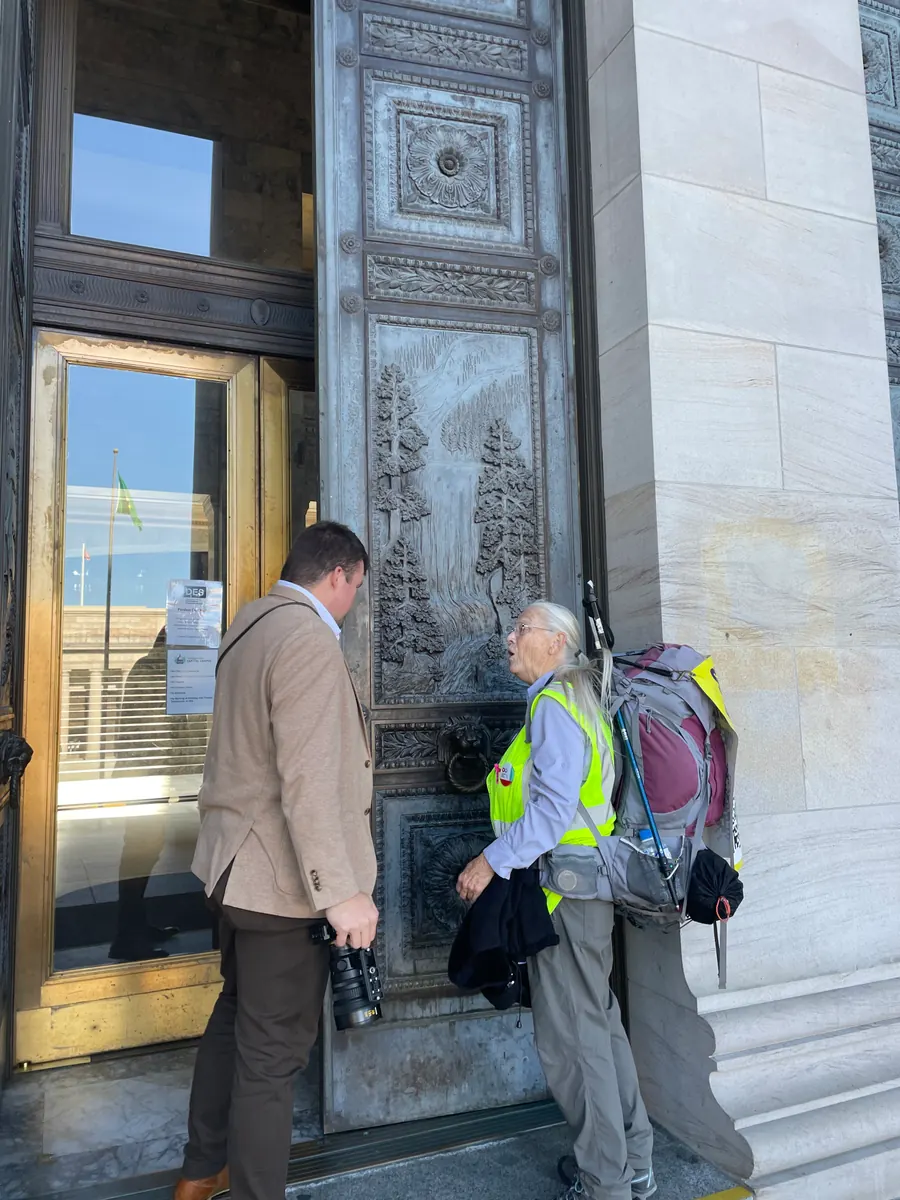
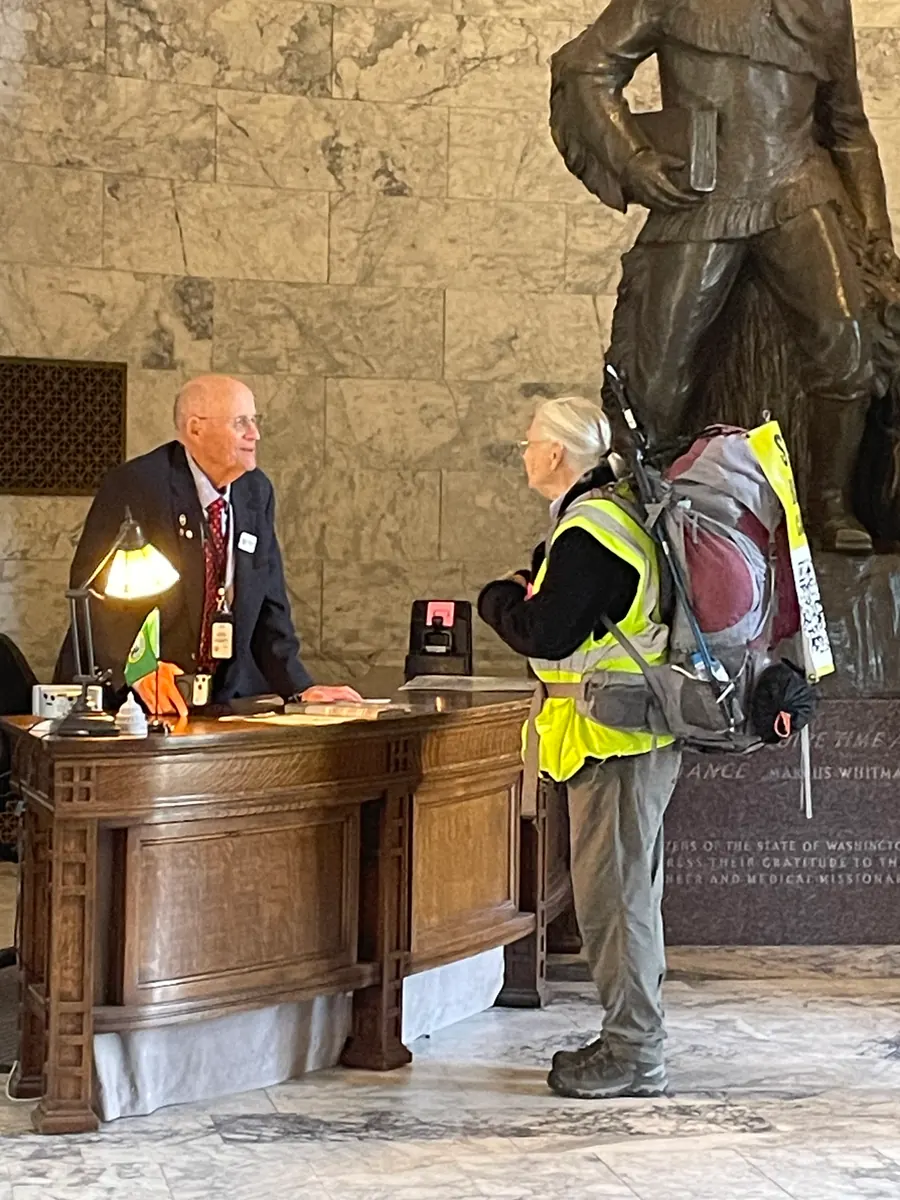
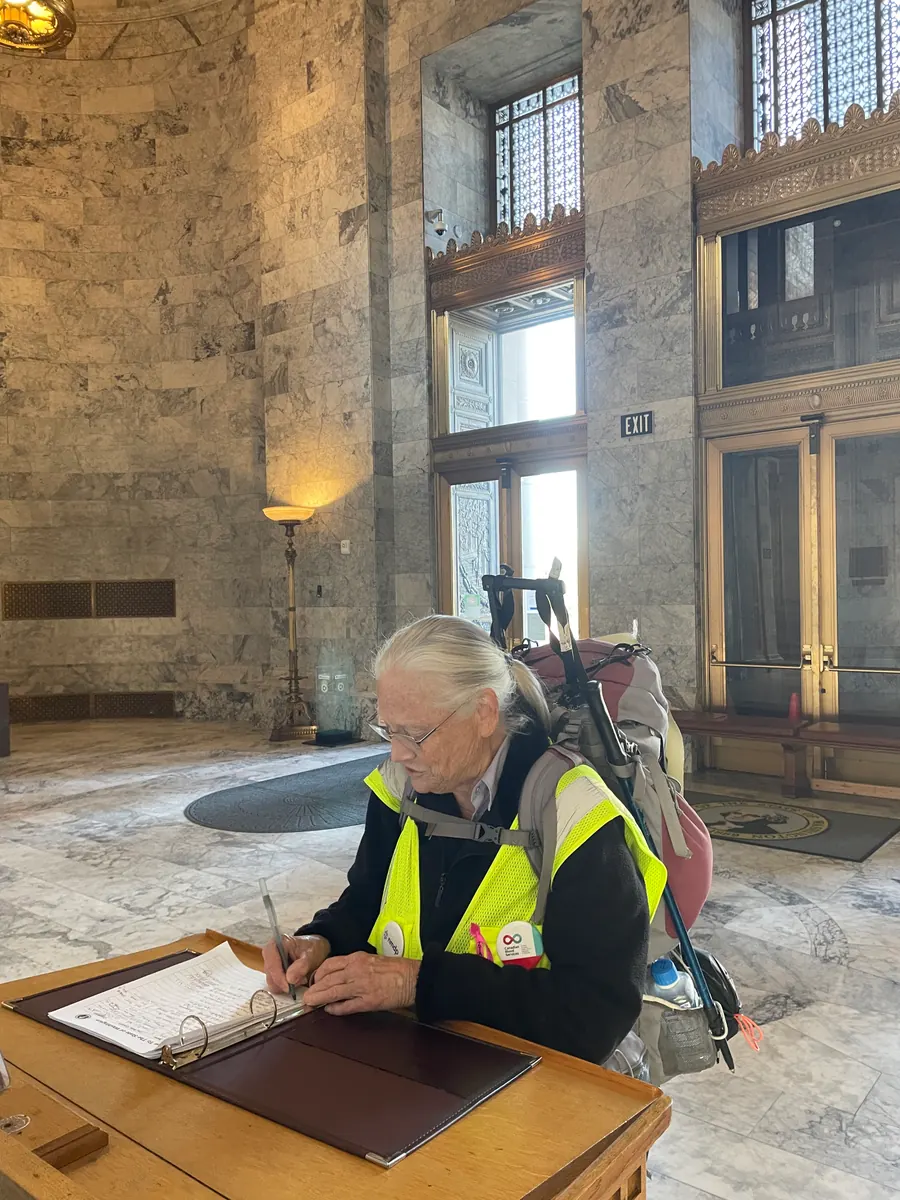
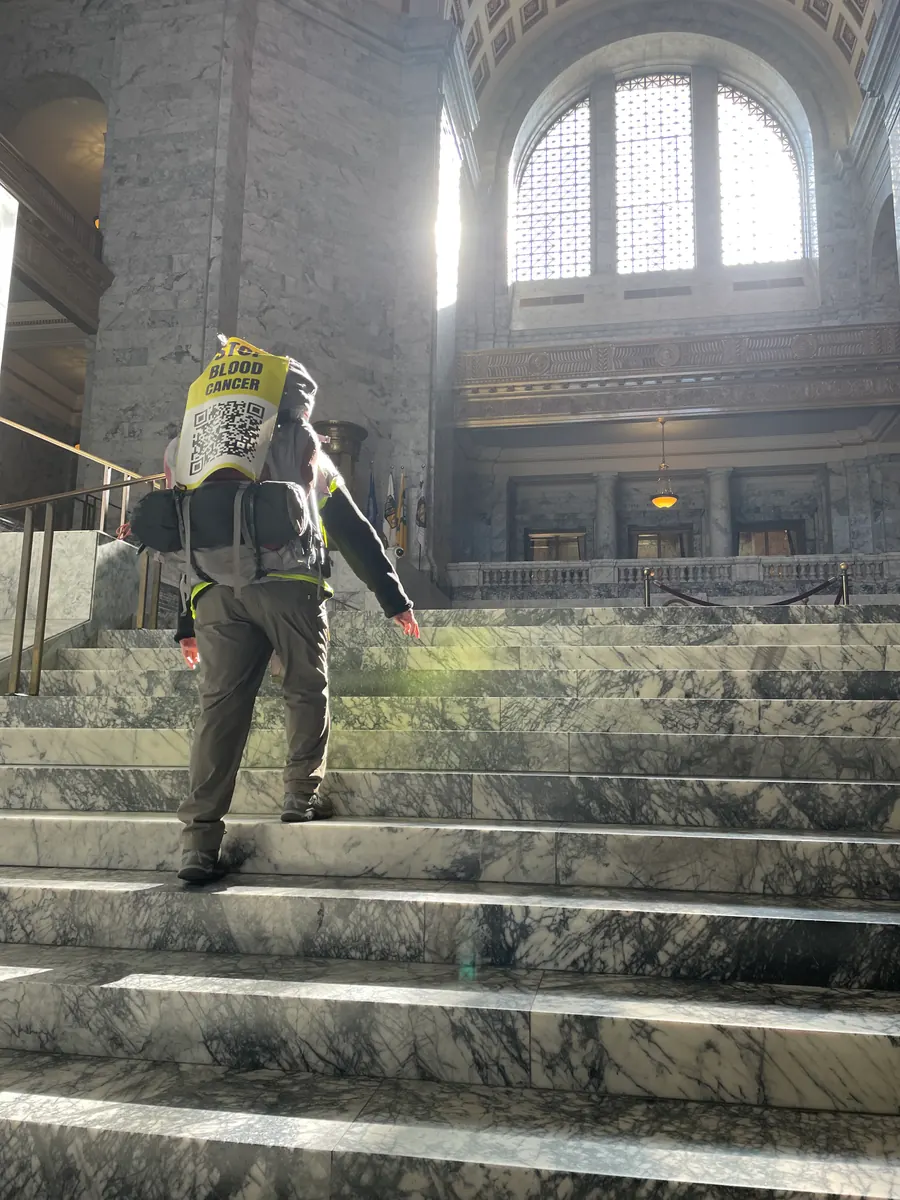
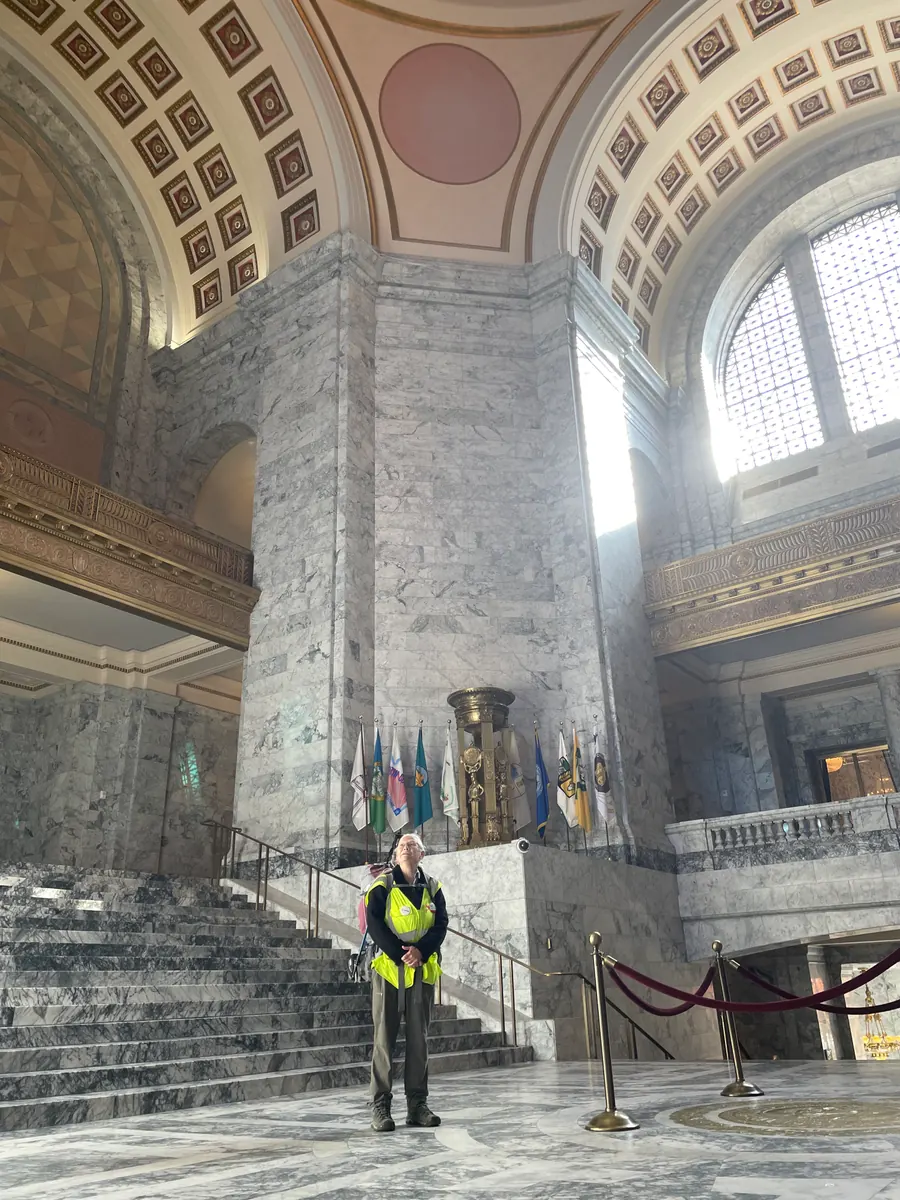
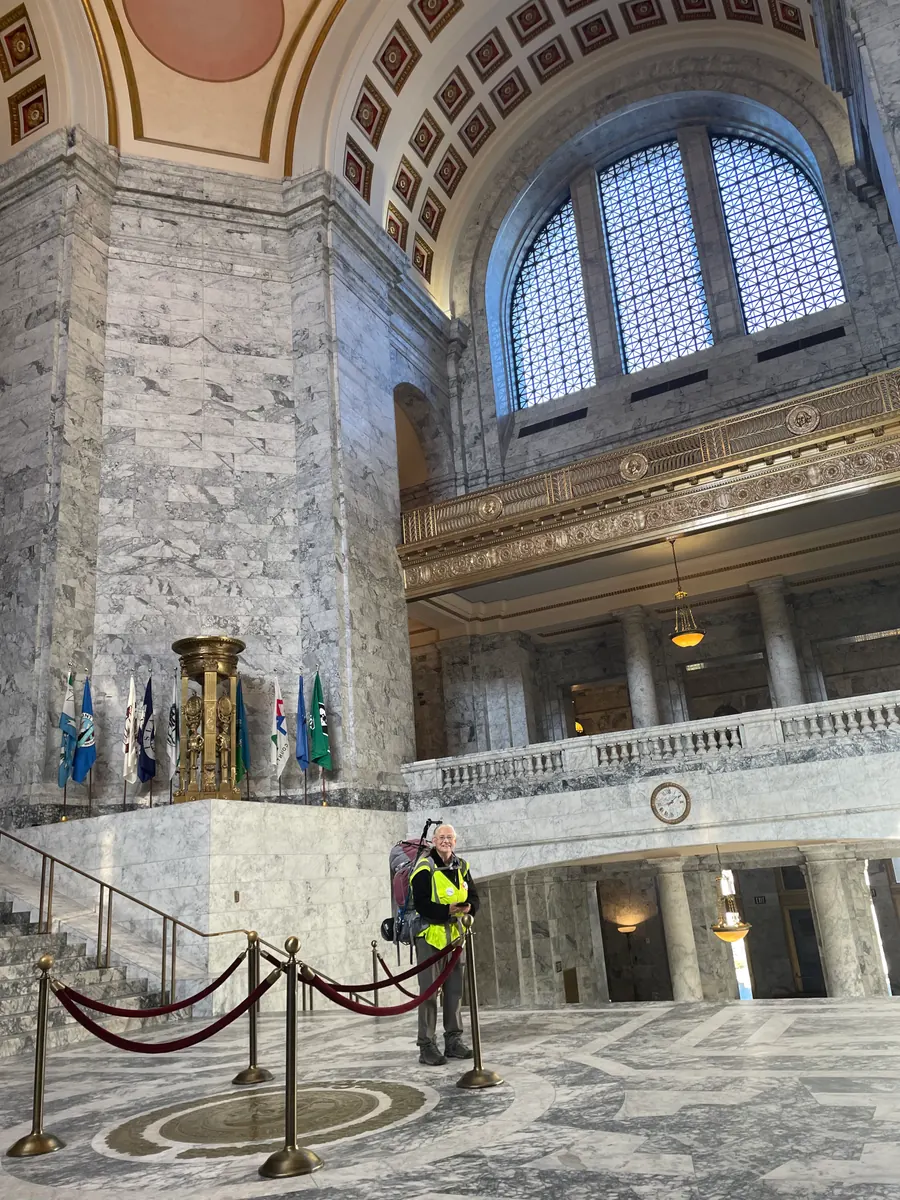
Look at her smile beneath the Capitol dome. In a photograph from October 20, Jeana looks up at the camera, the patterned ceiling opening above her. In others, she is still wearing her backpack and yellow safety vest as she climbs the marble stairs and writes in an open book. She has made it to Olympia. Her fifth Steps to Marrow walk is complete.
There is a whole journey behind those photographs. It began with a grandmother’s gratitude: Torsten Huber, a donor in Germany, helped save Jeana’s granddaughter Jada. Years later, Jeana is still carrying that gift forward, asking people she meets to consider whether they, too, might join an official donor registry and one day help someone they have never met.
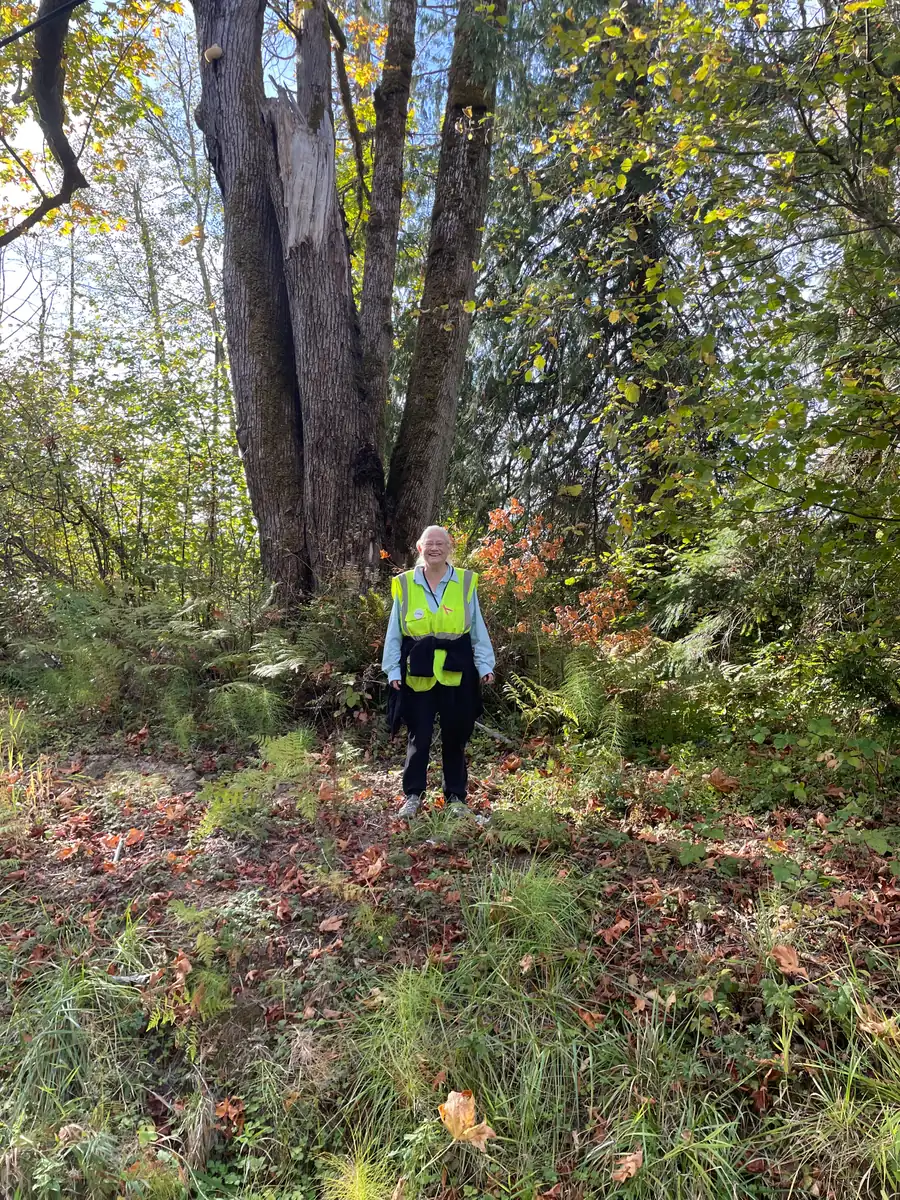
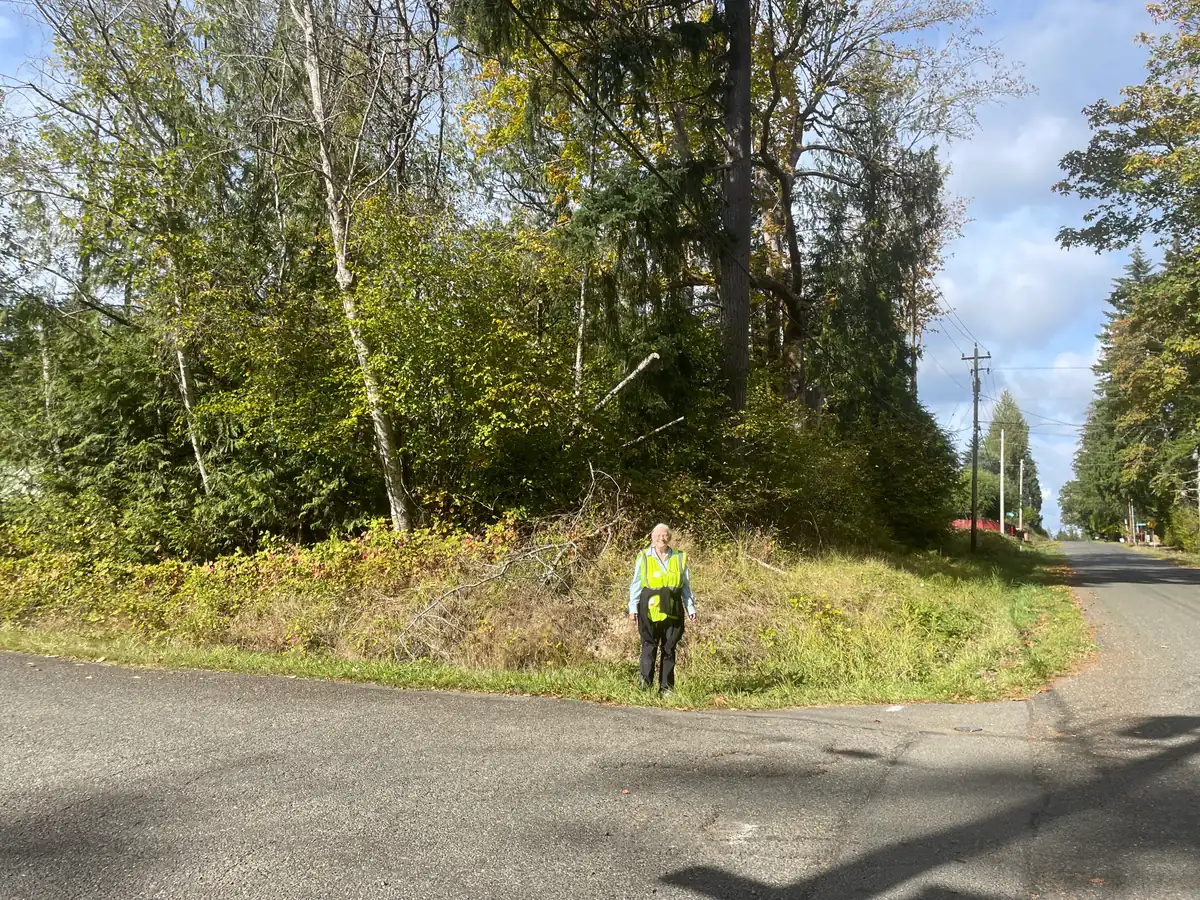
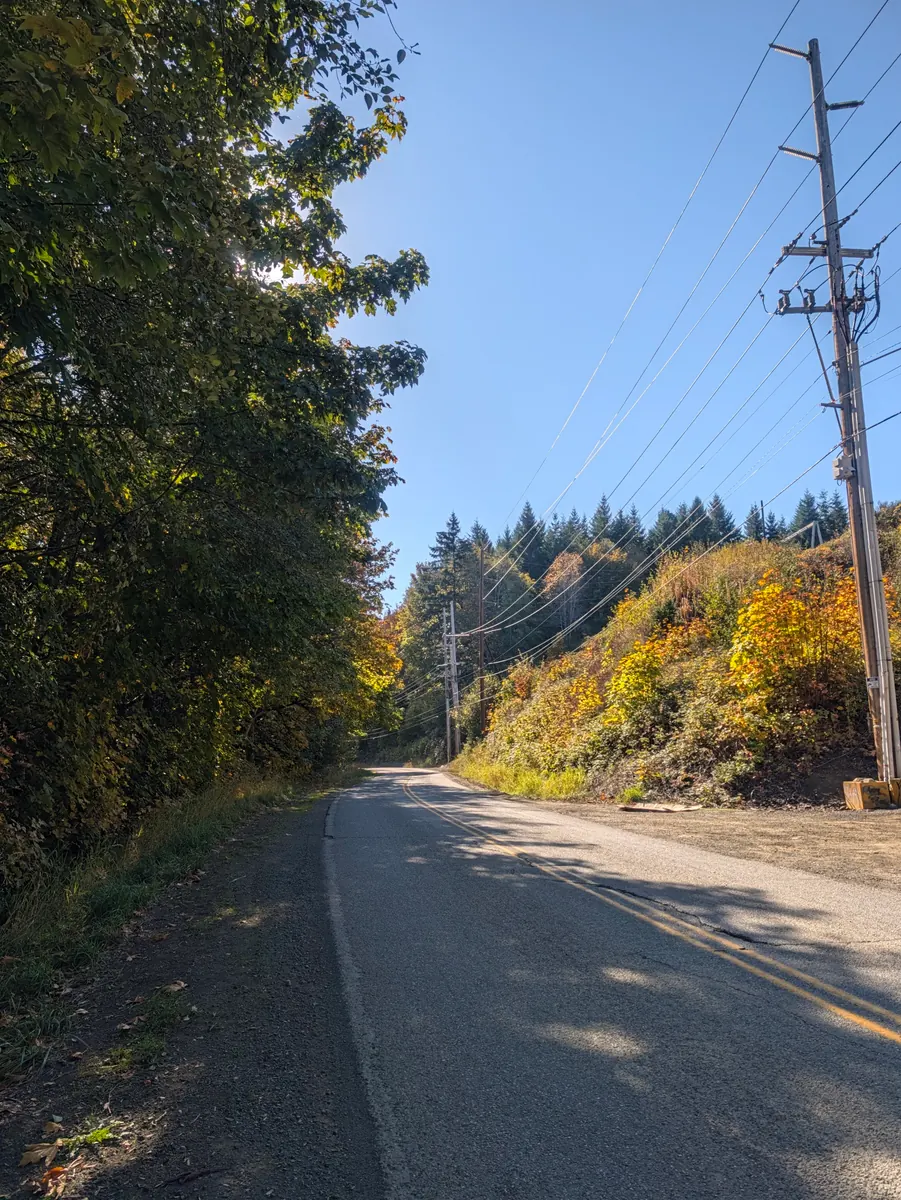
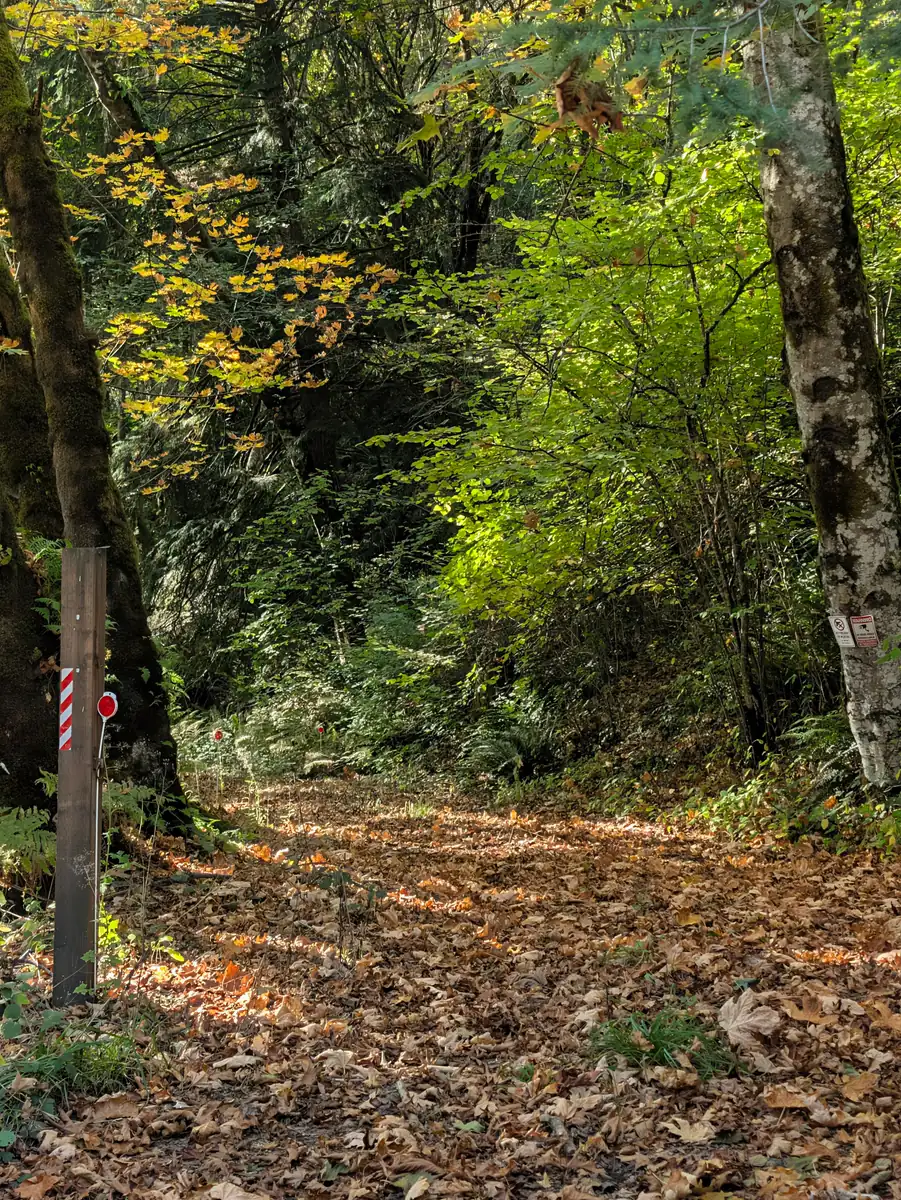
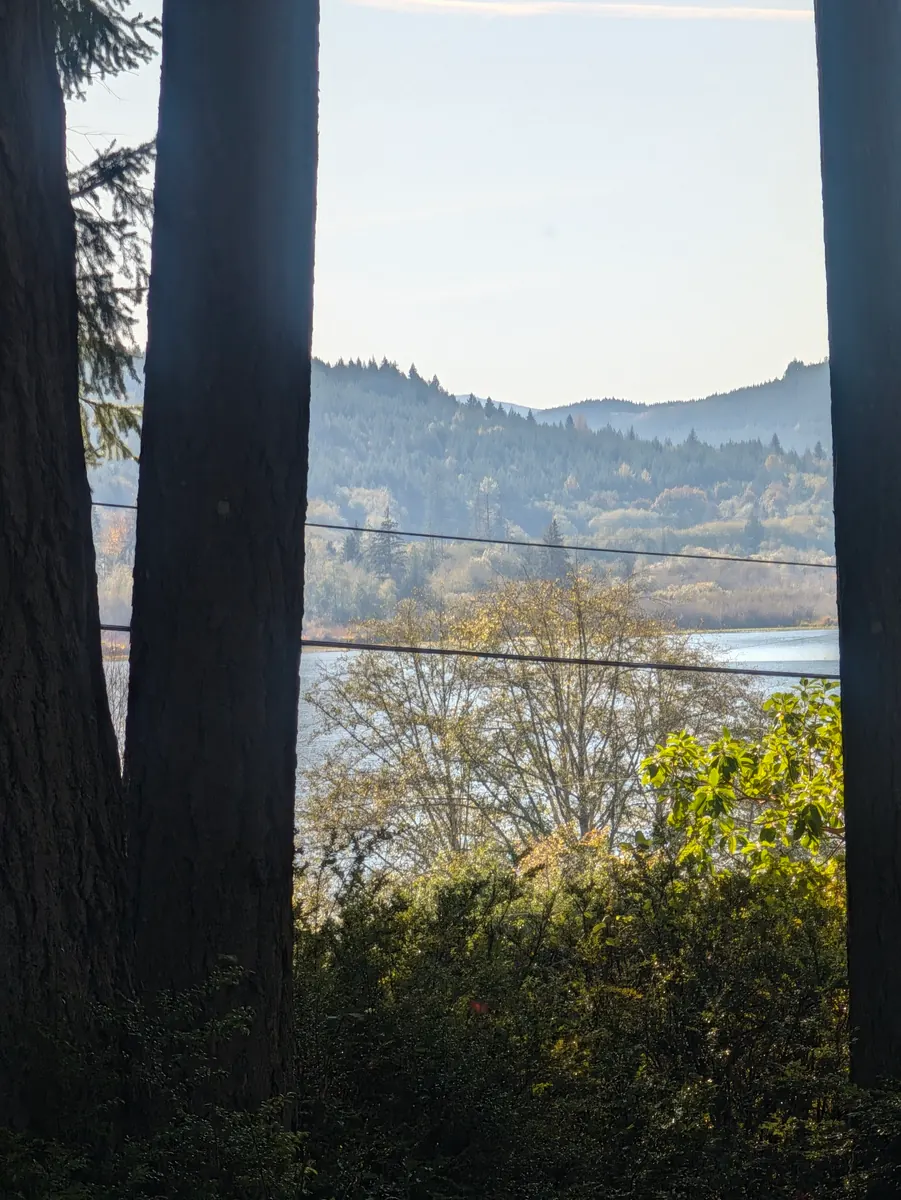
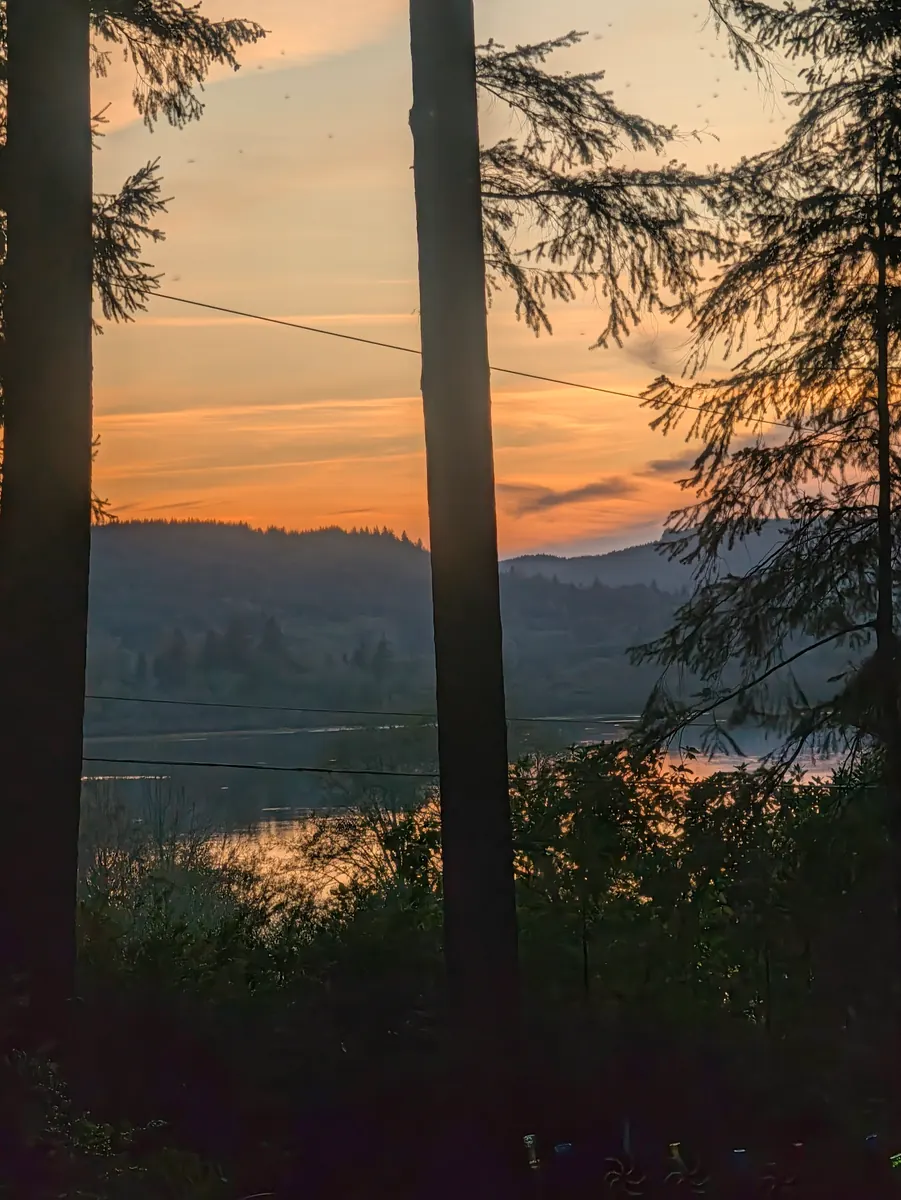
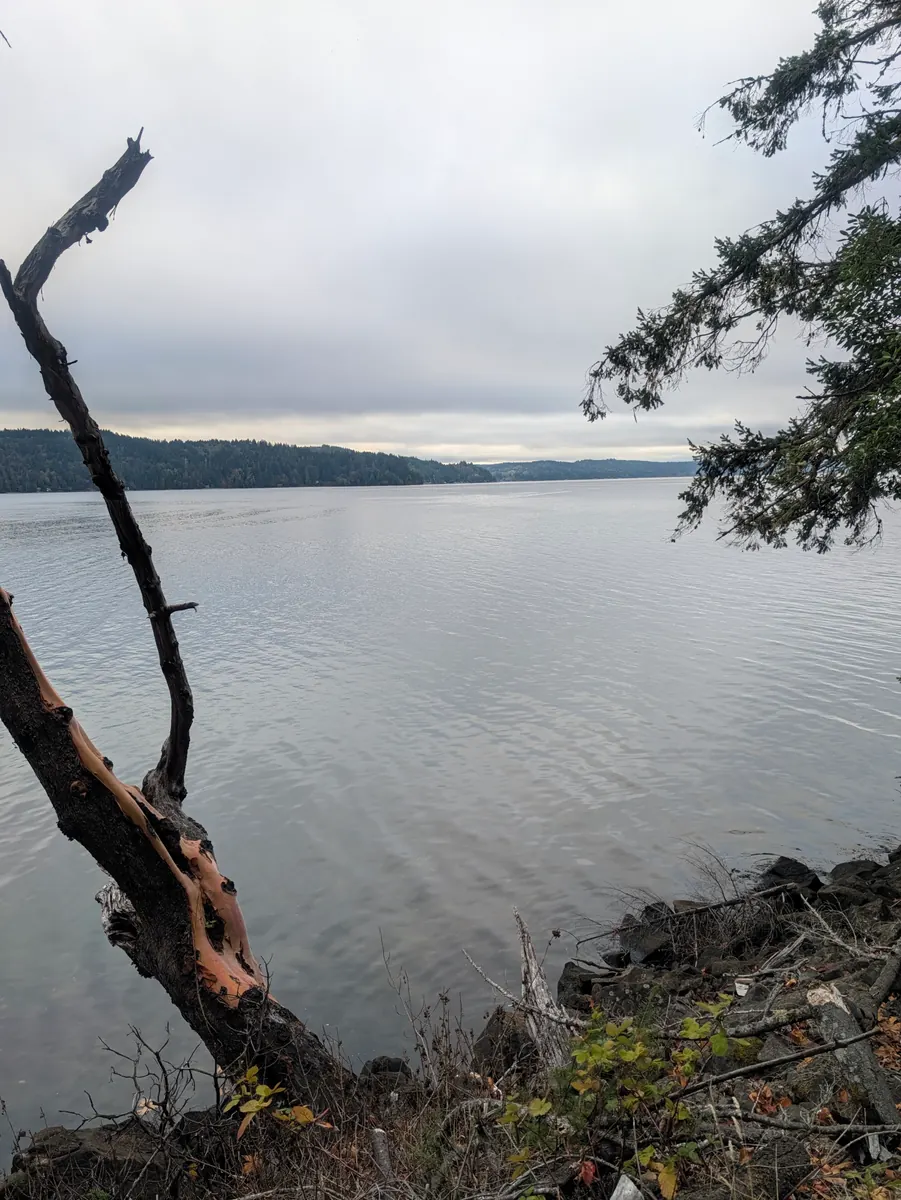
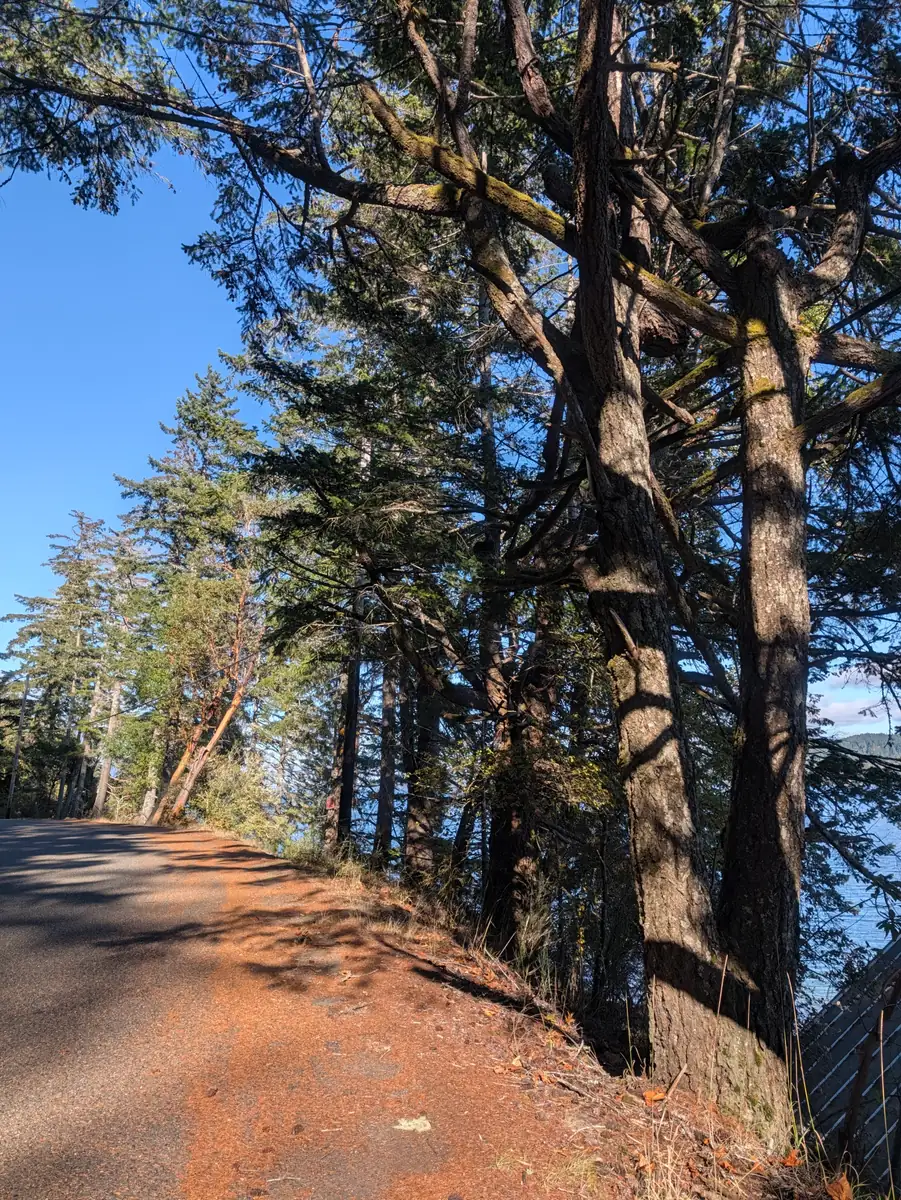
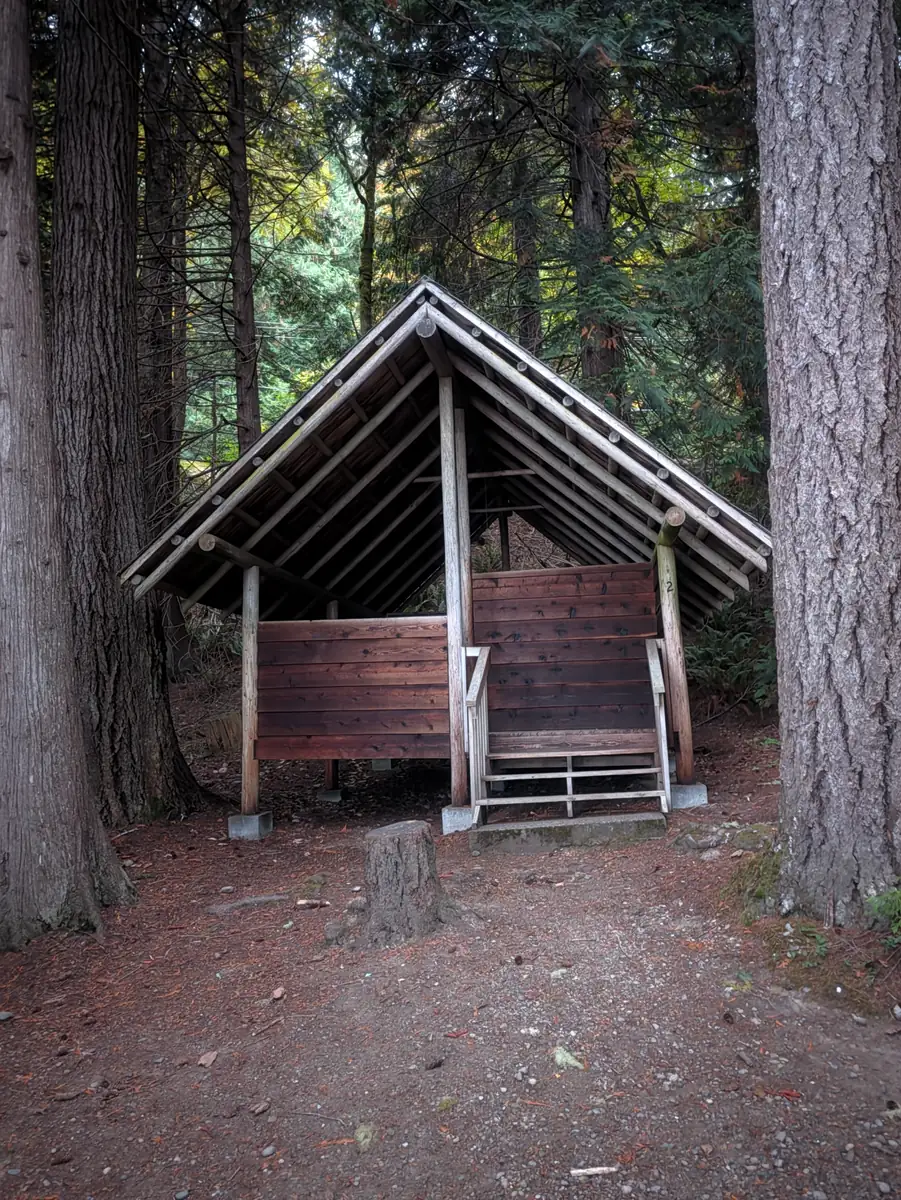
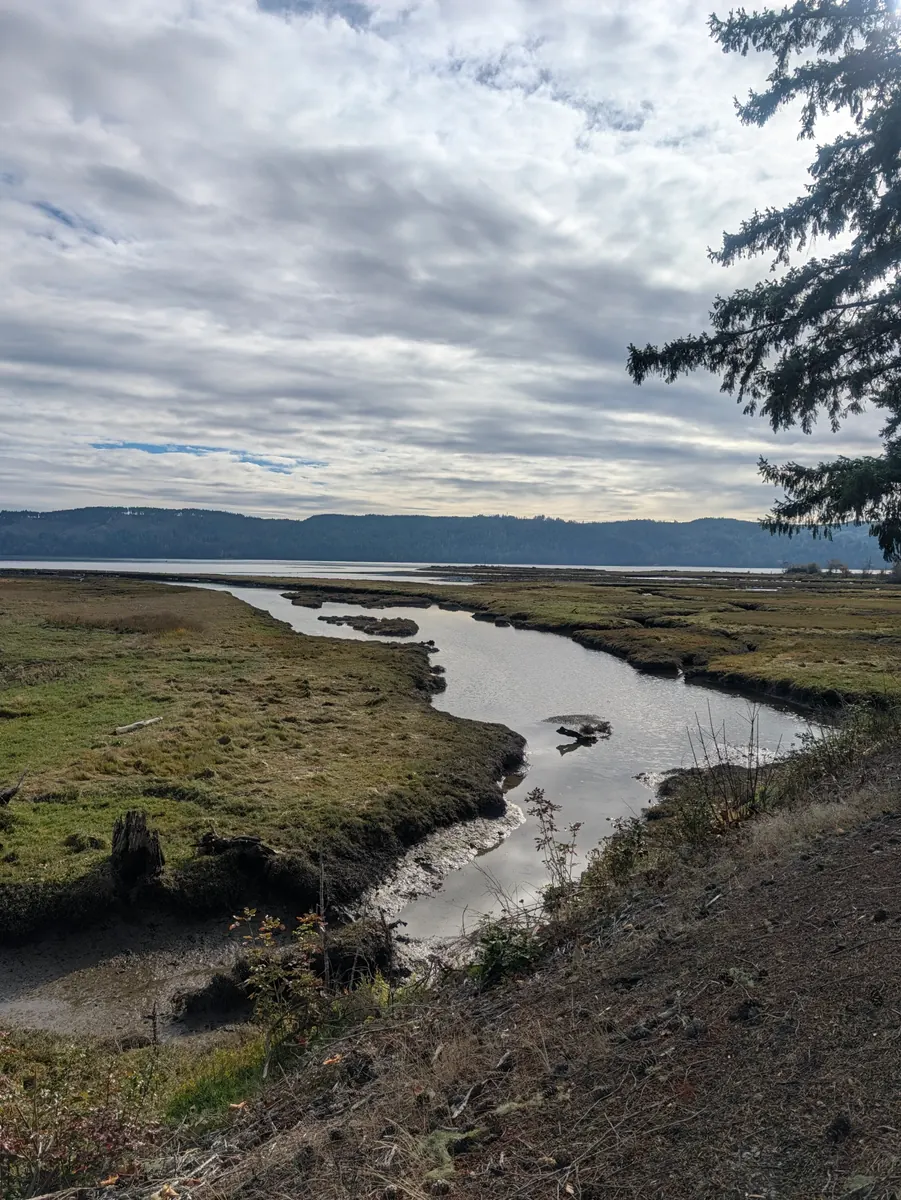
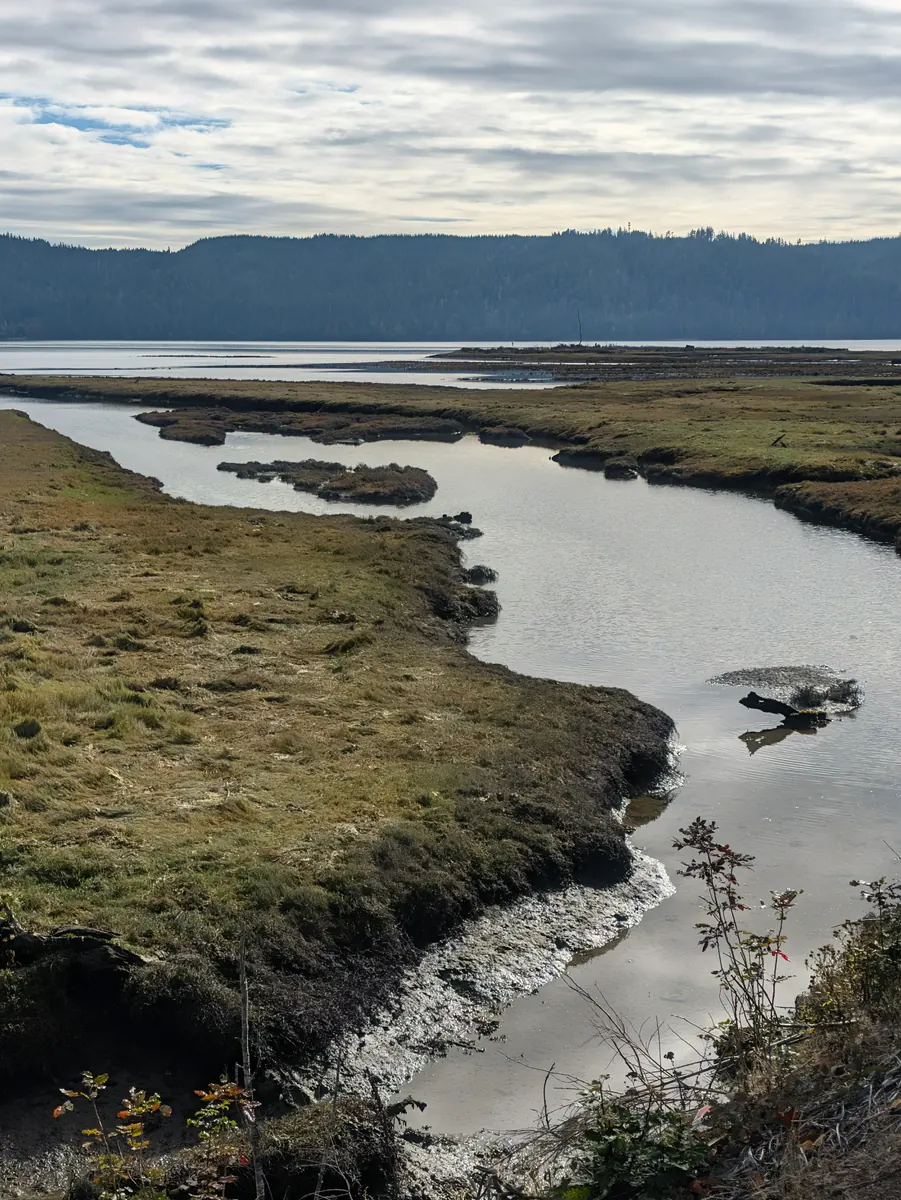
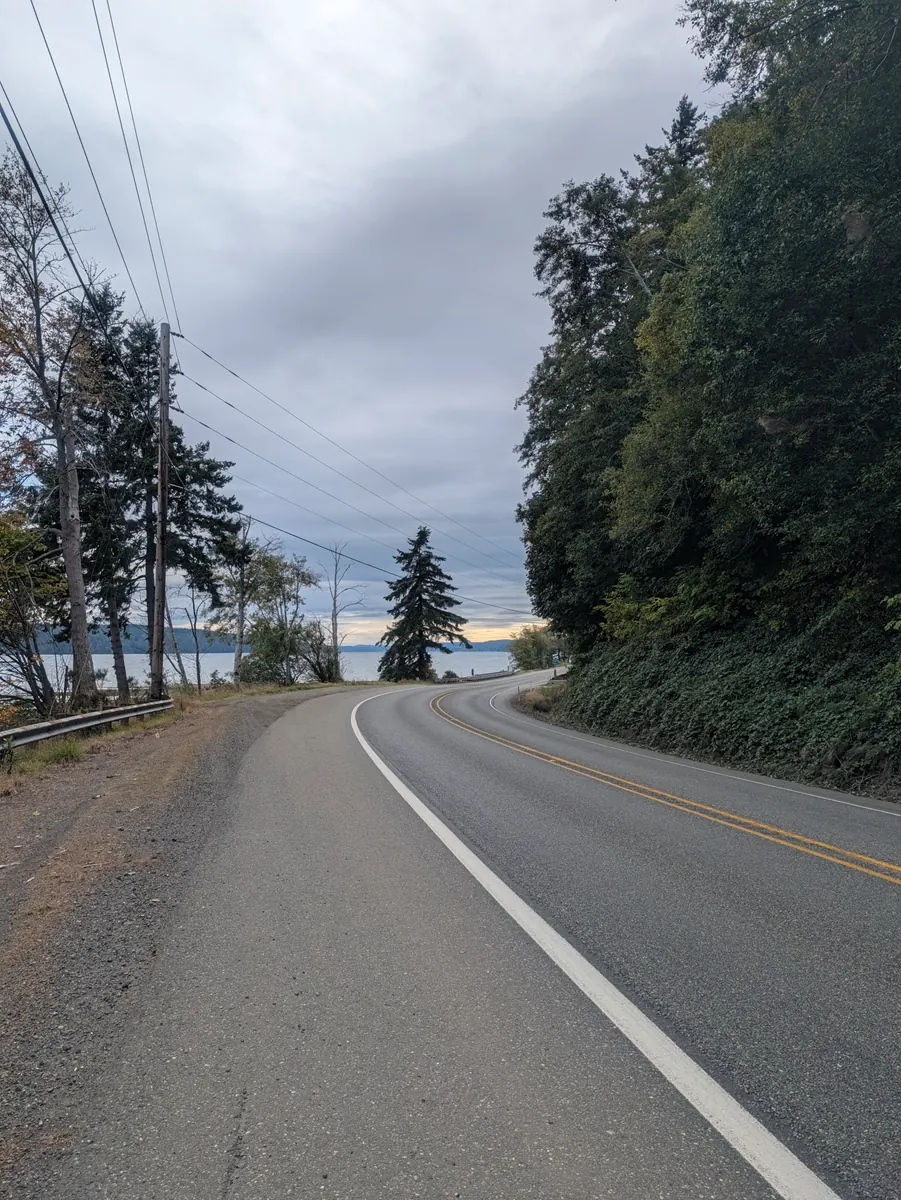
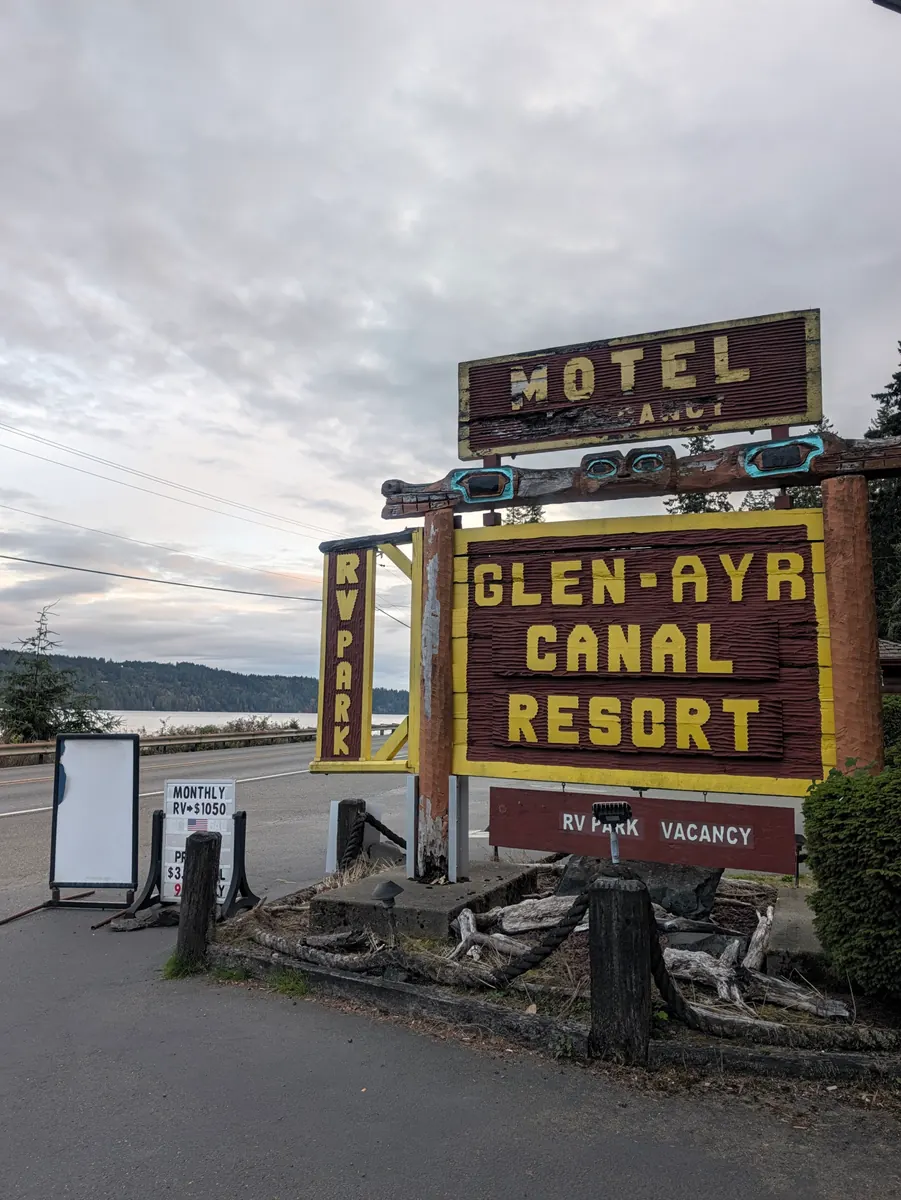
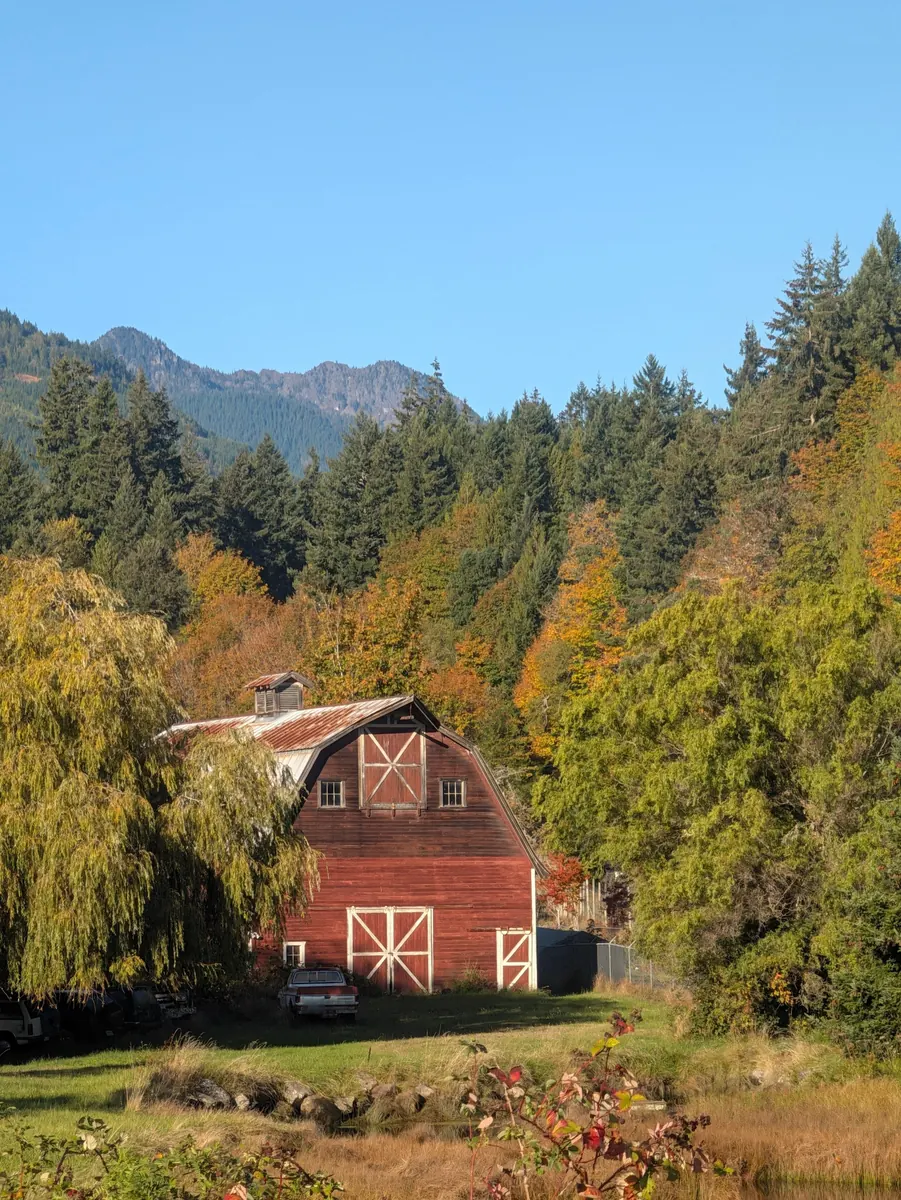
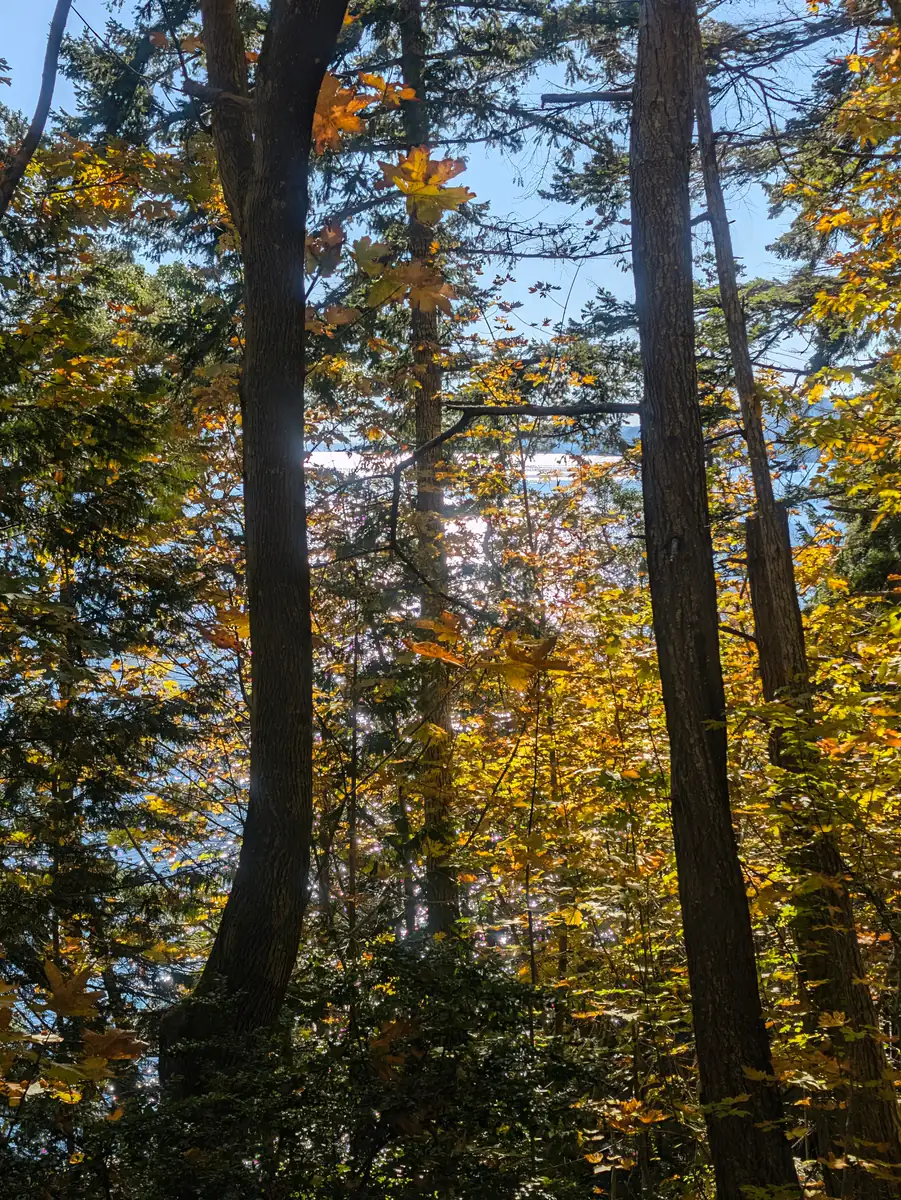
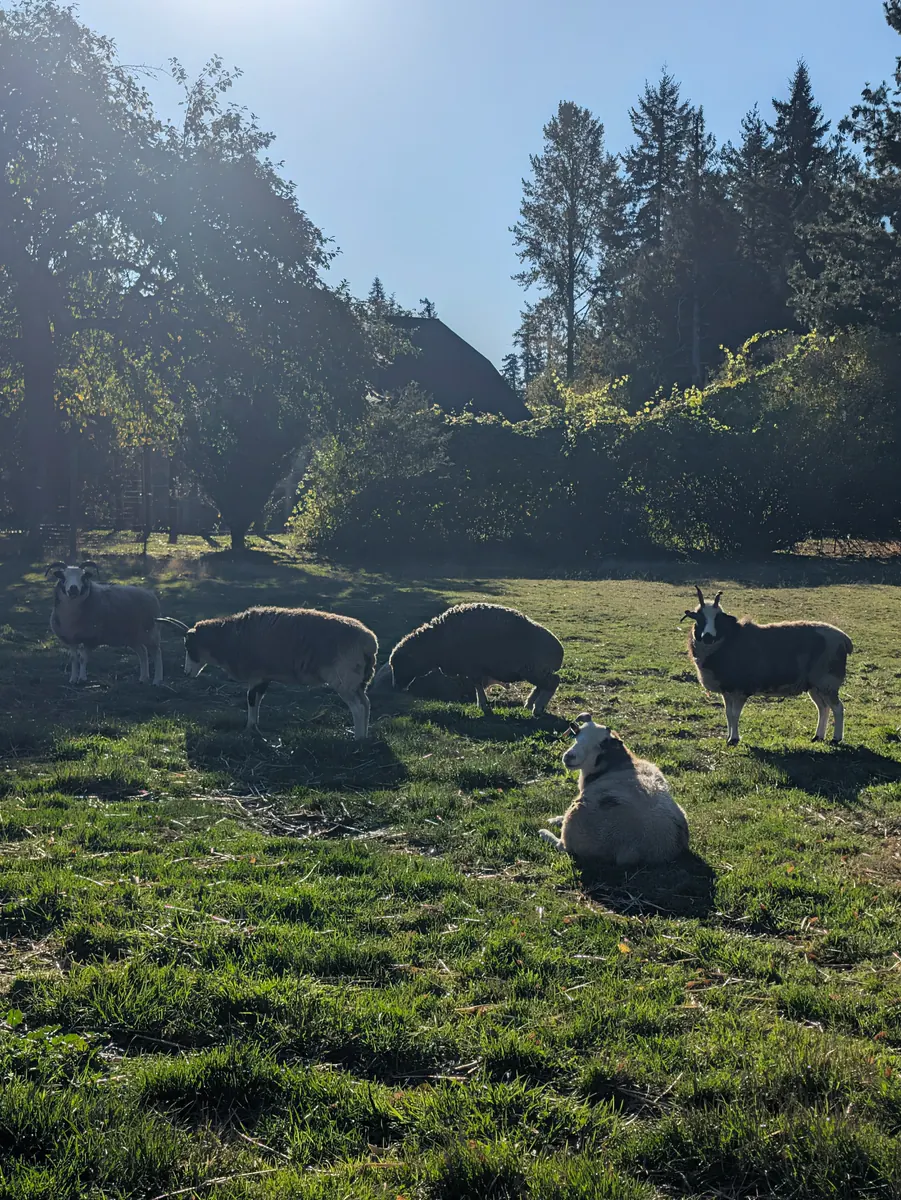
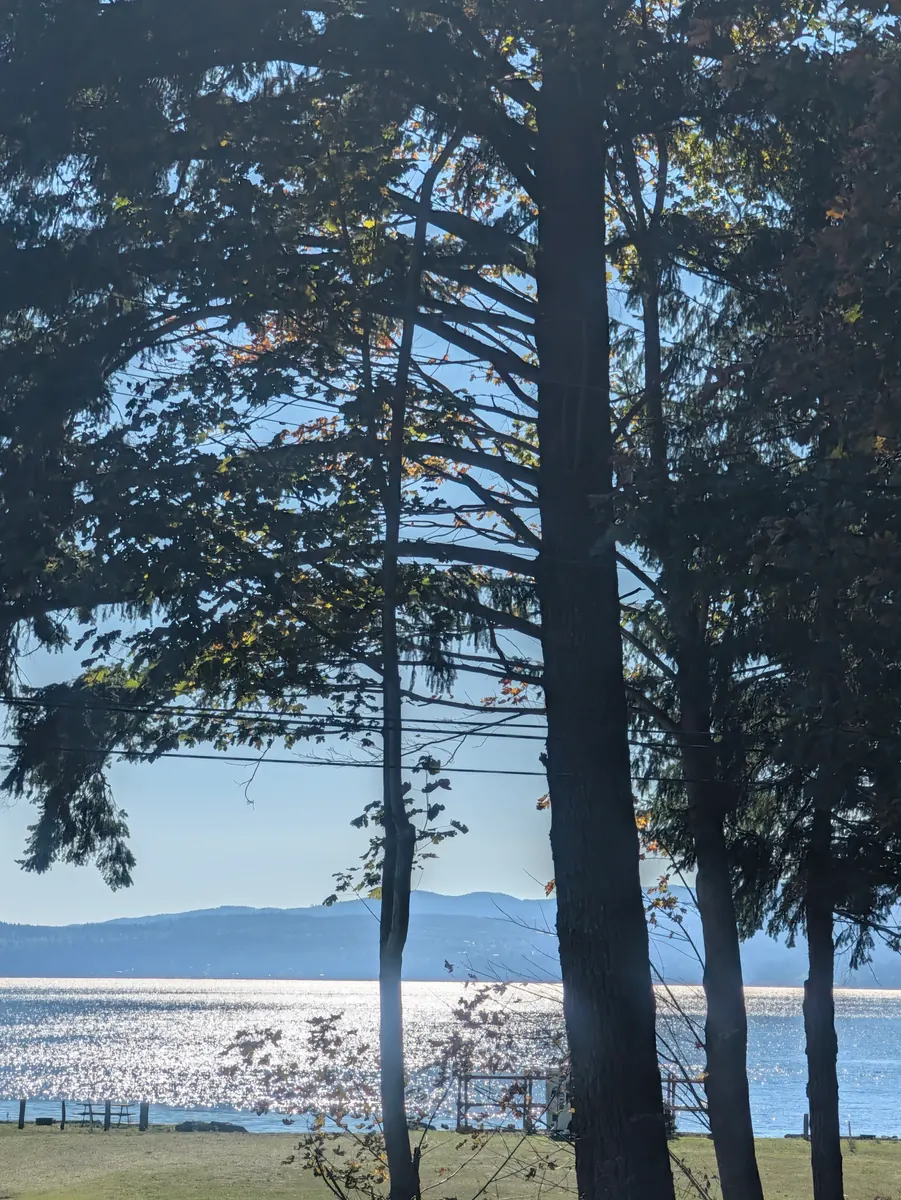
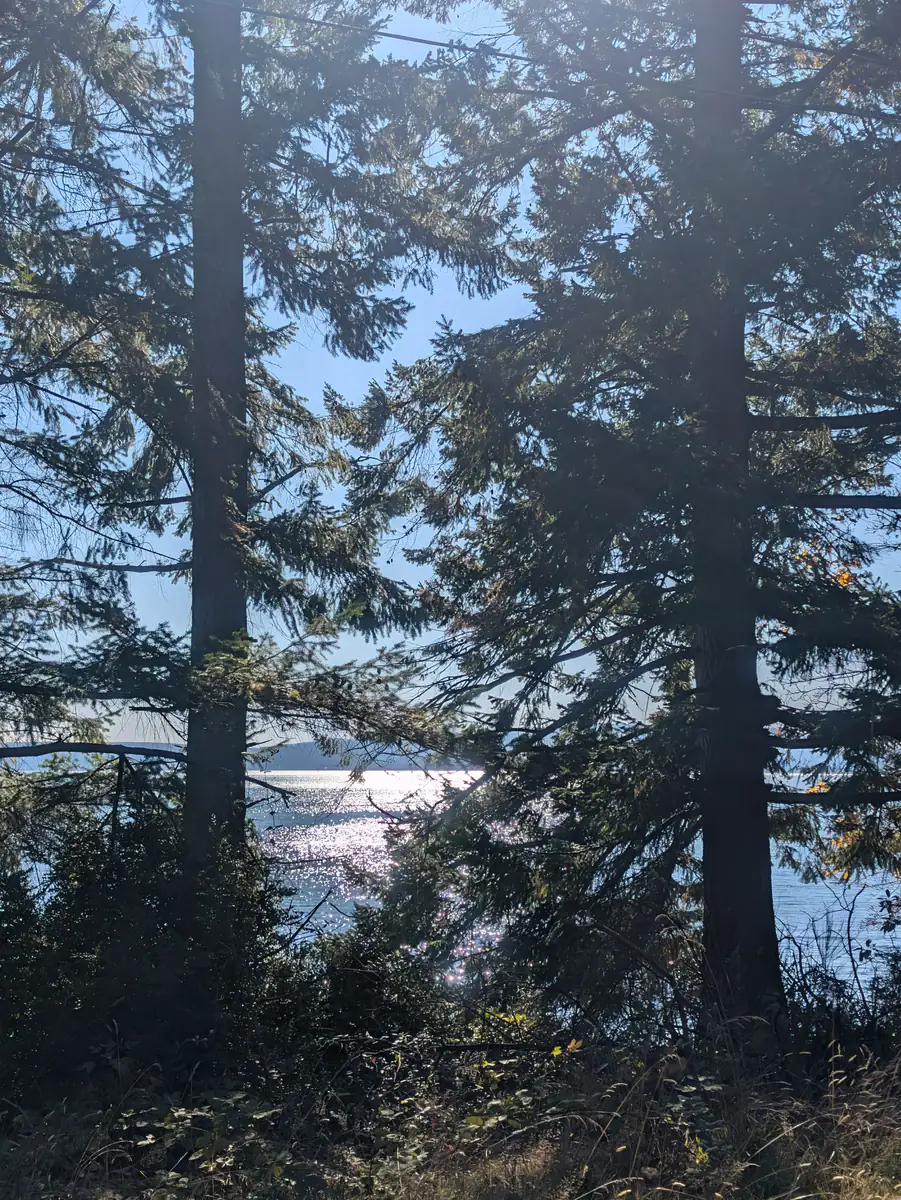
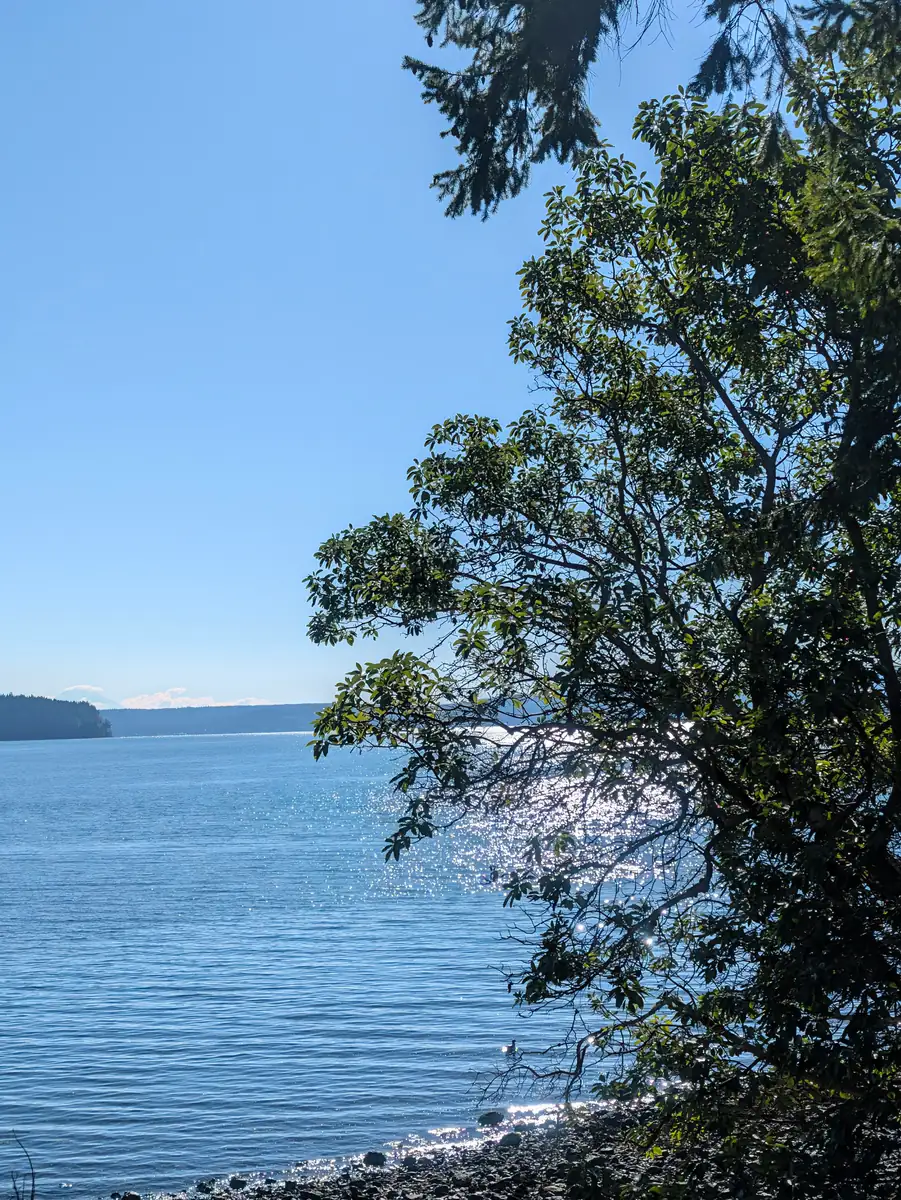
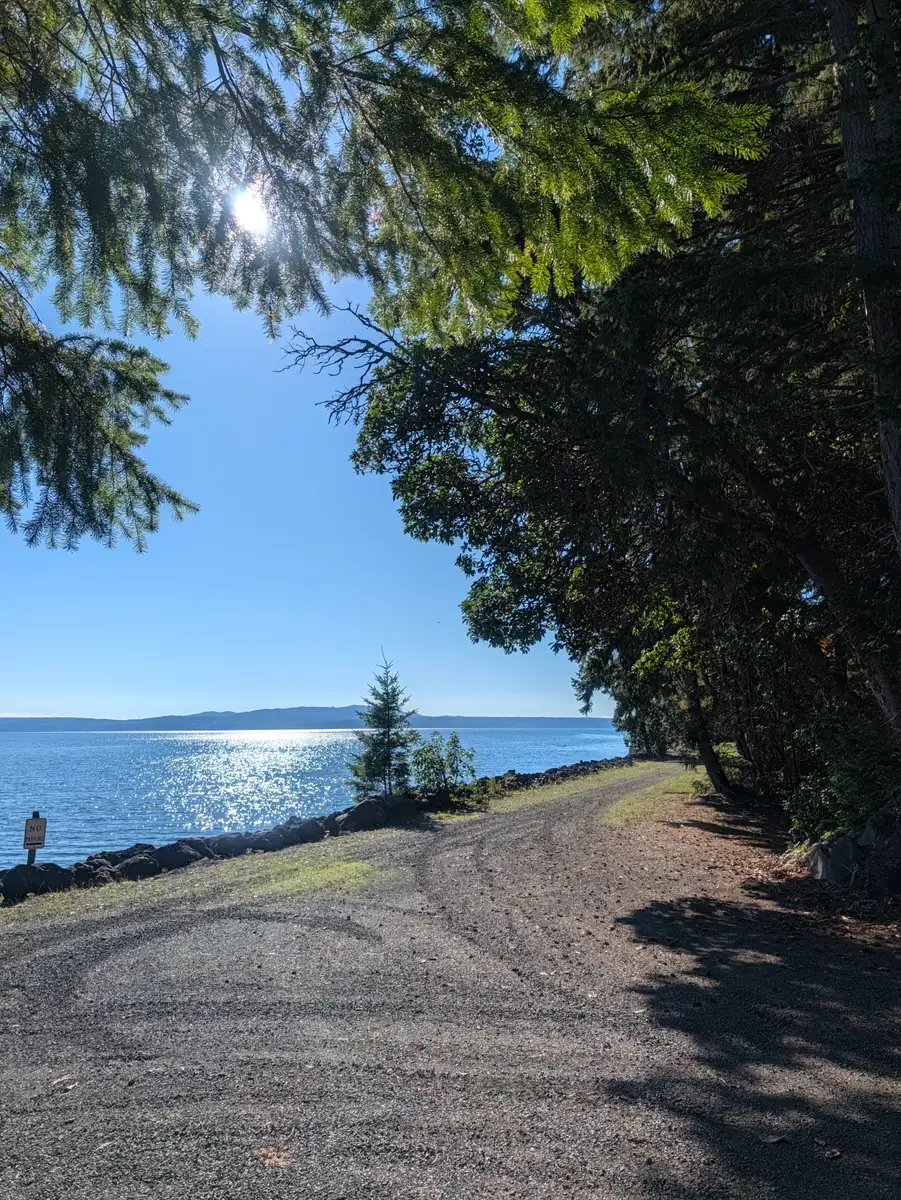
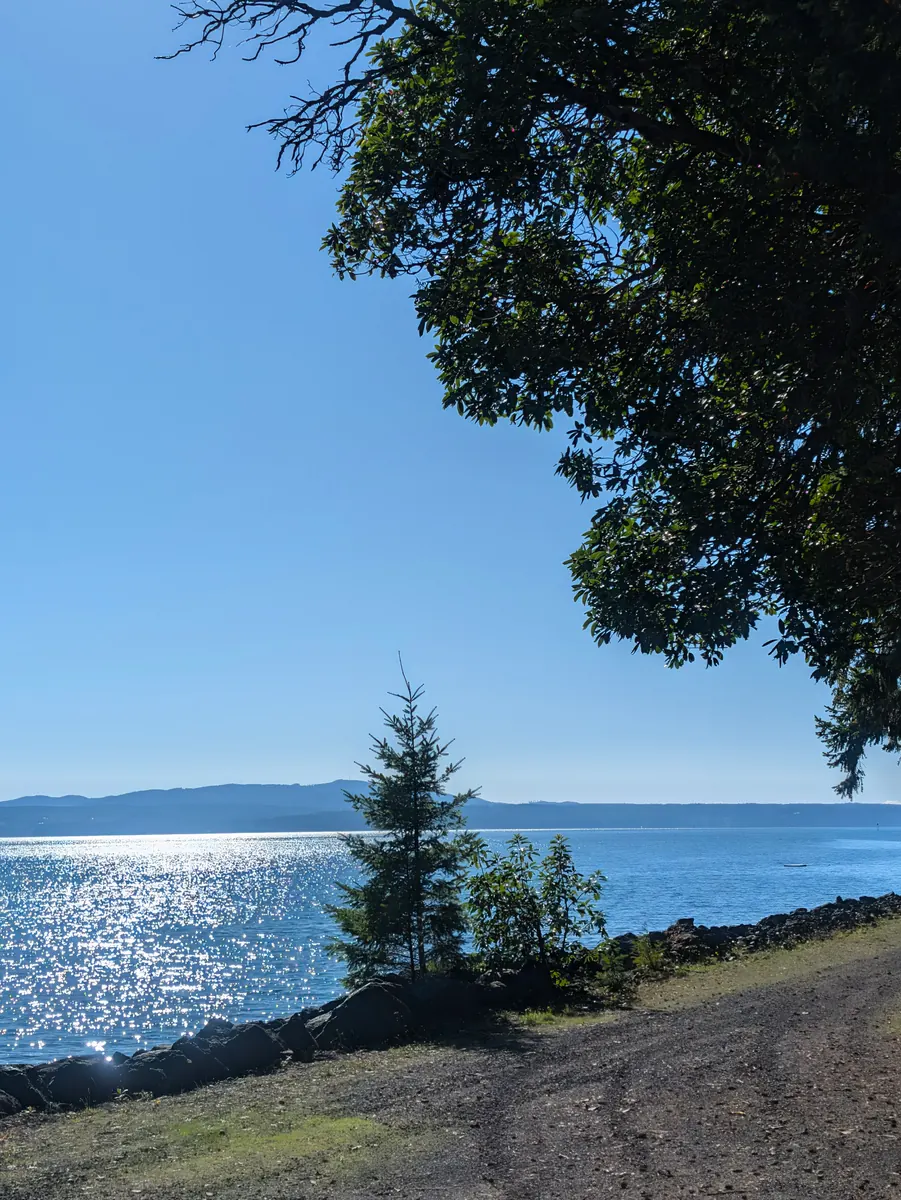
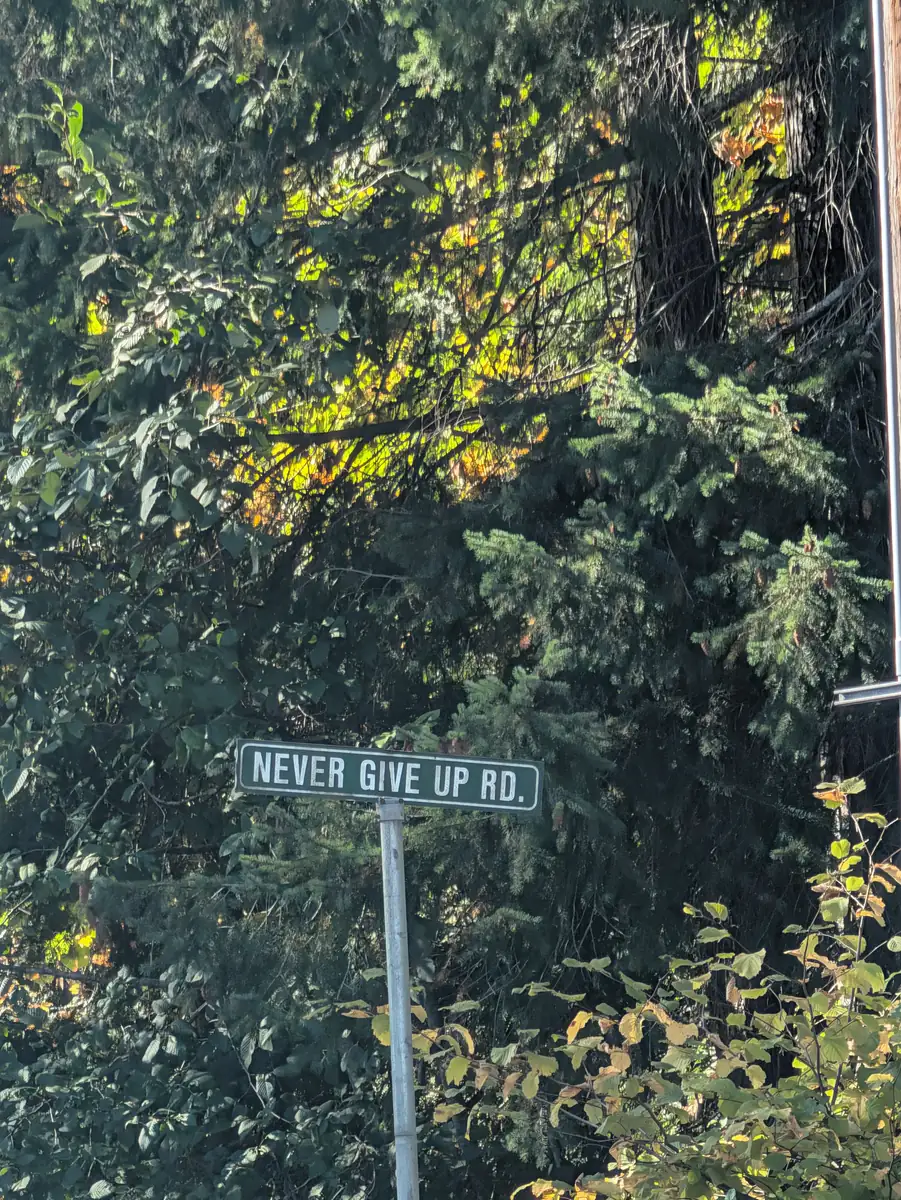
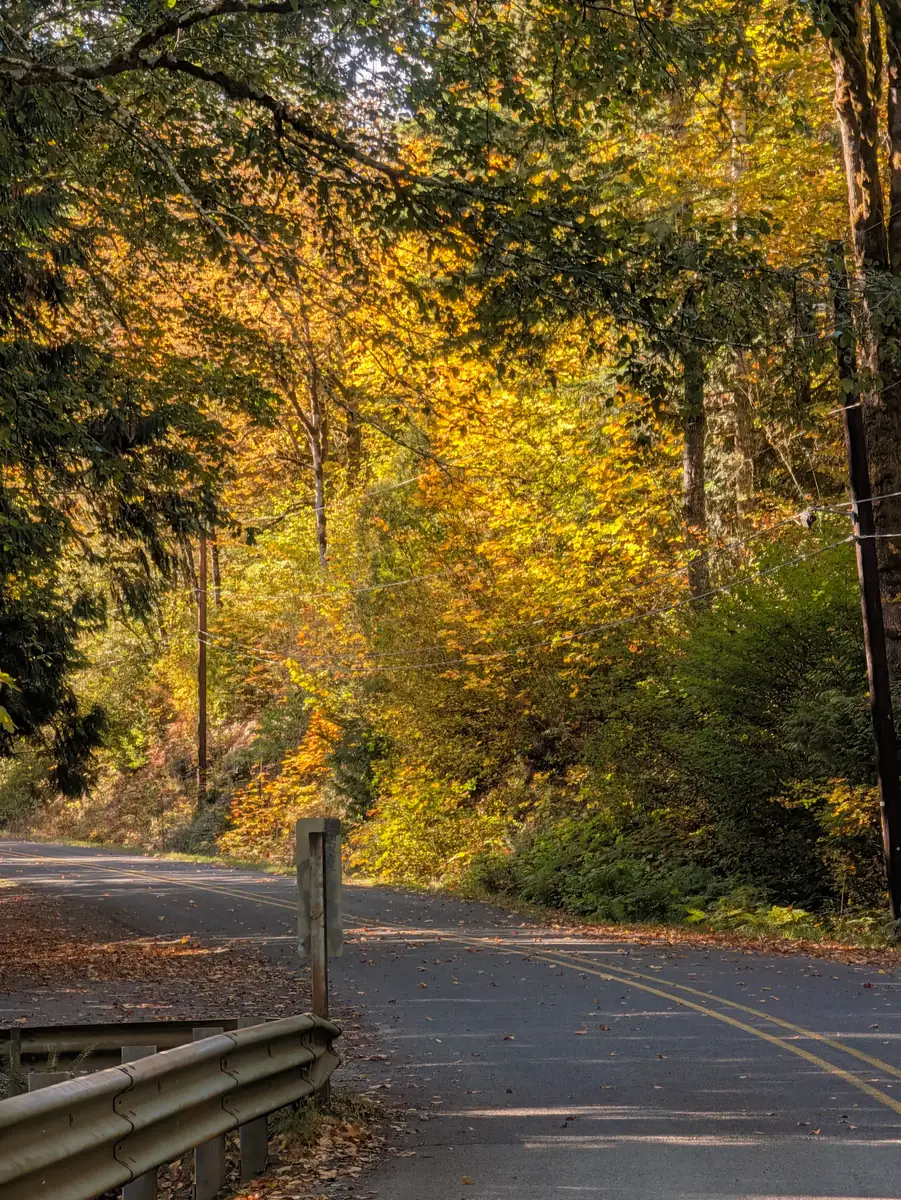
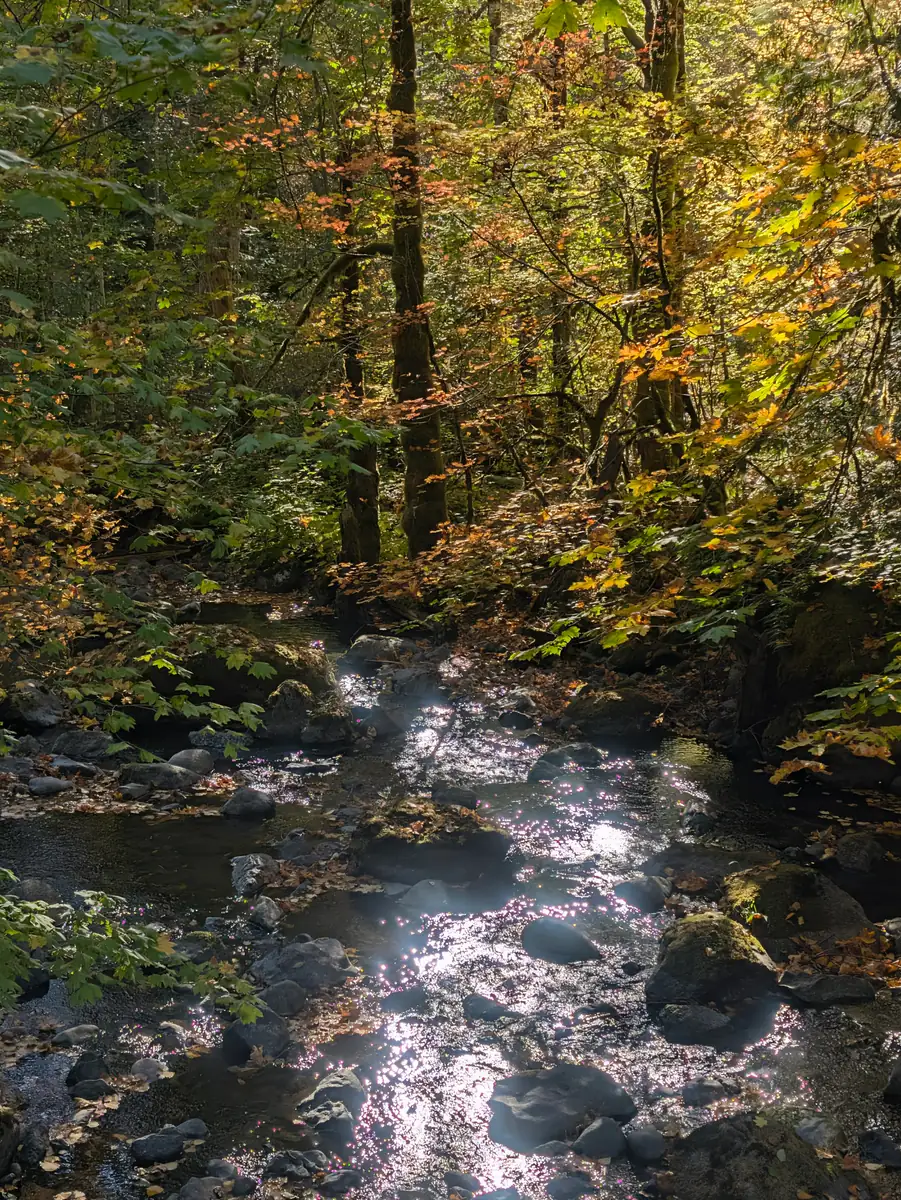
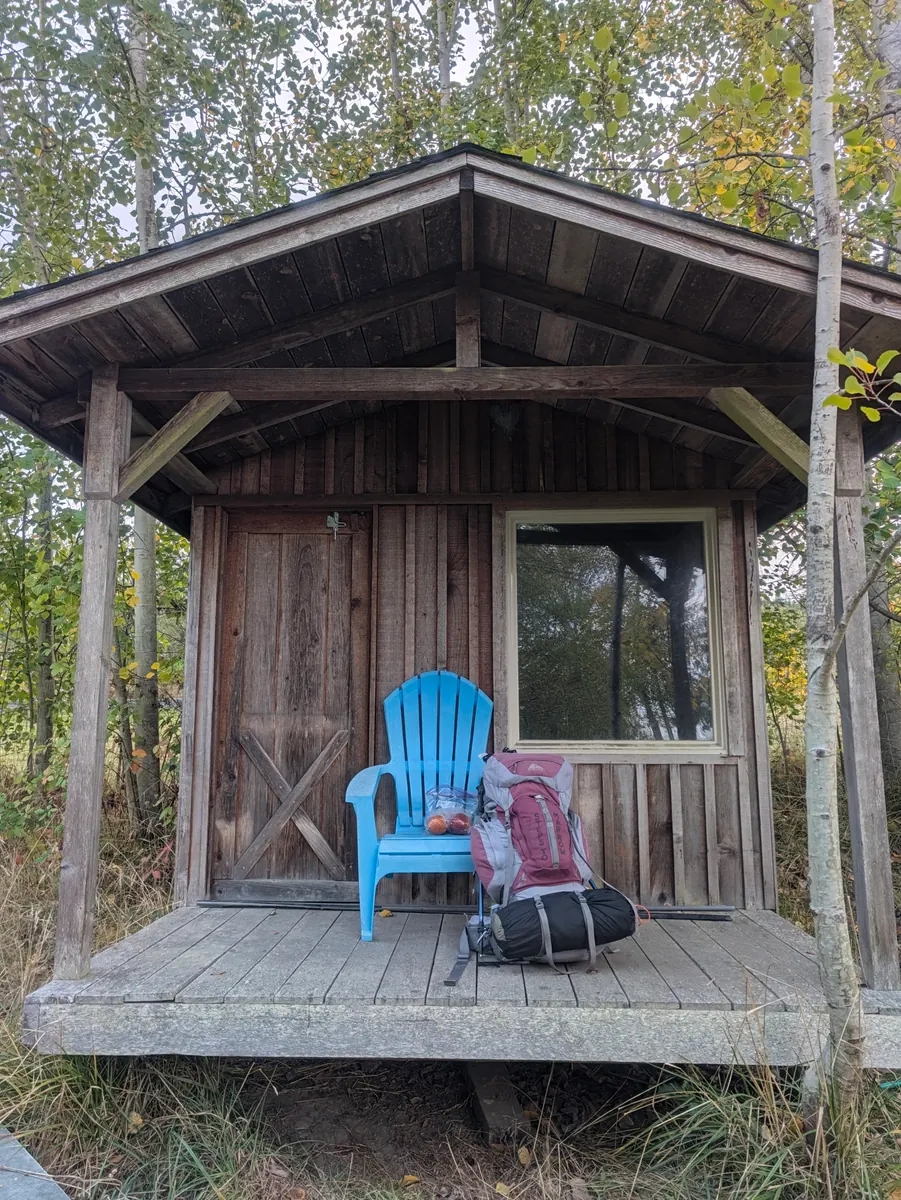
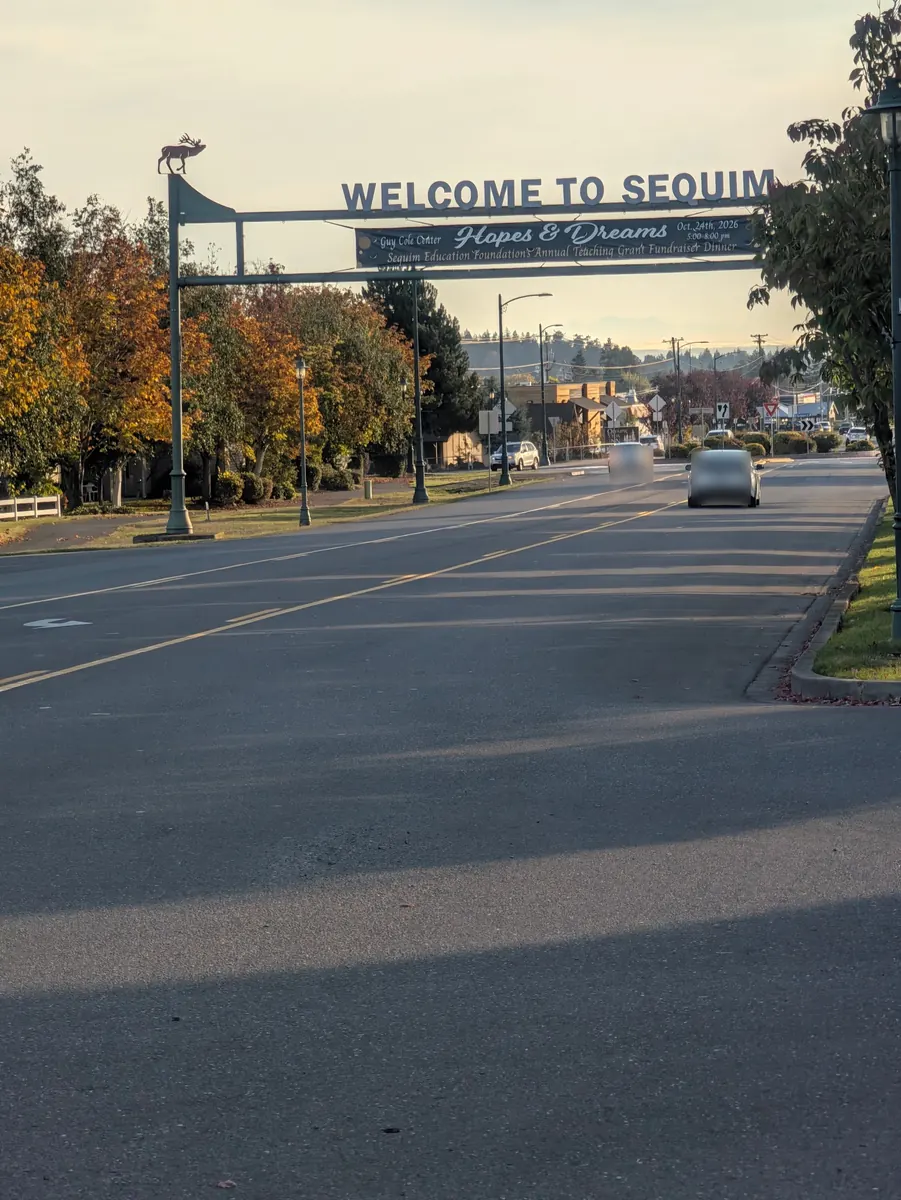
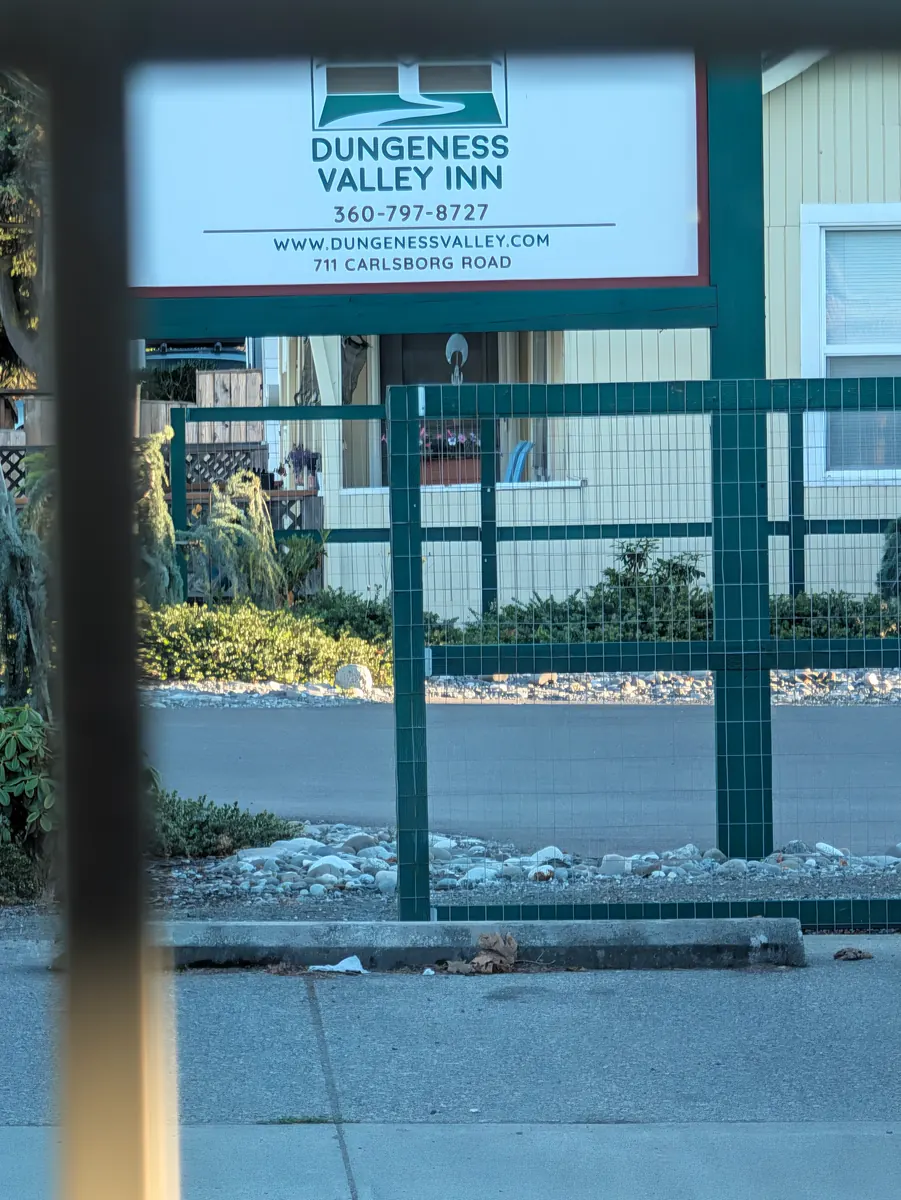
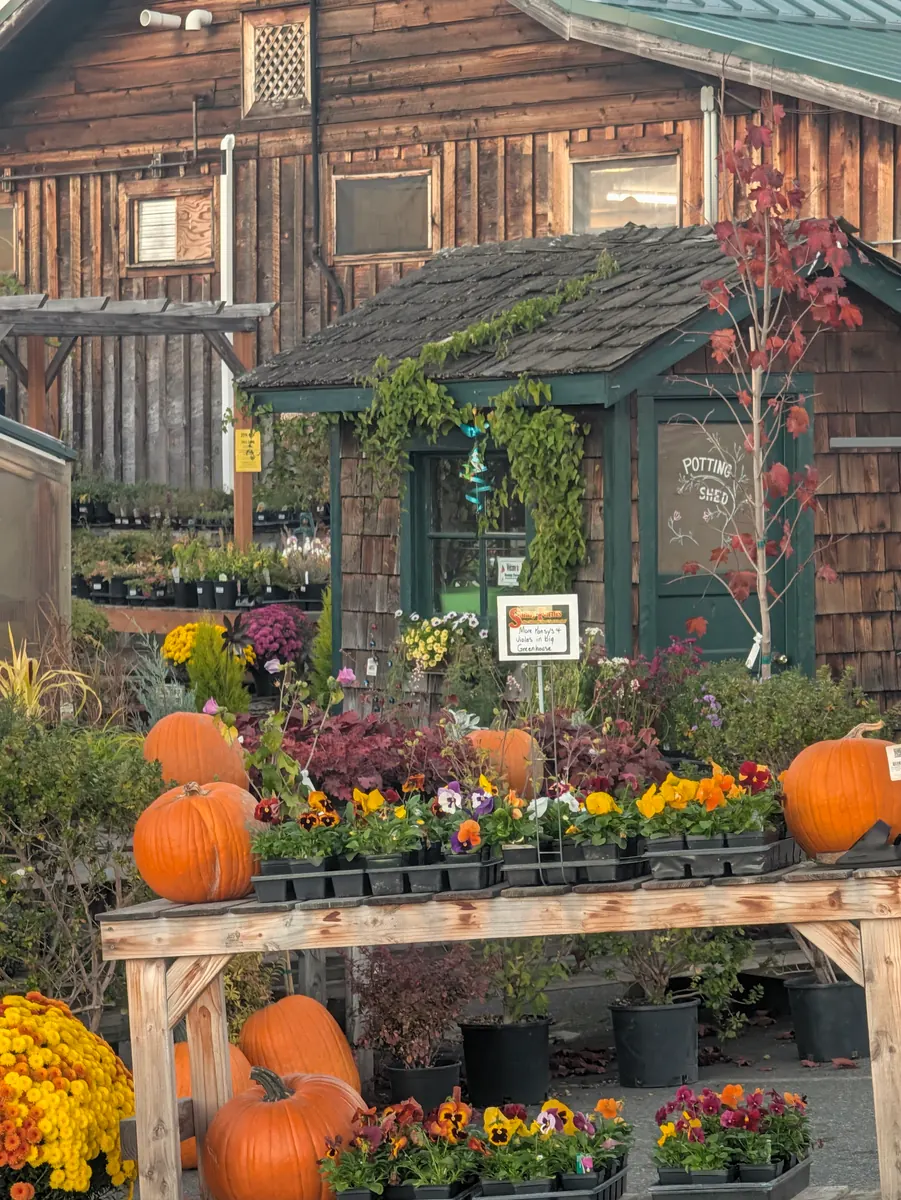
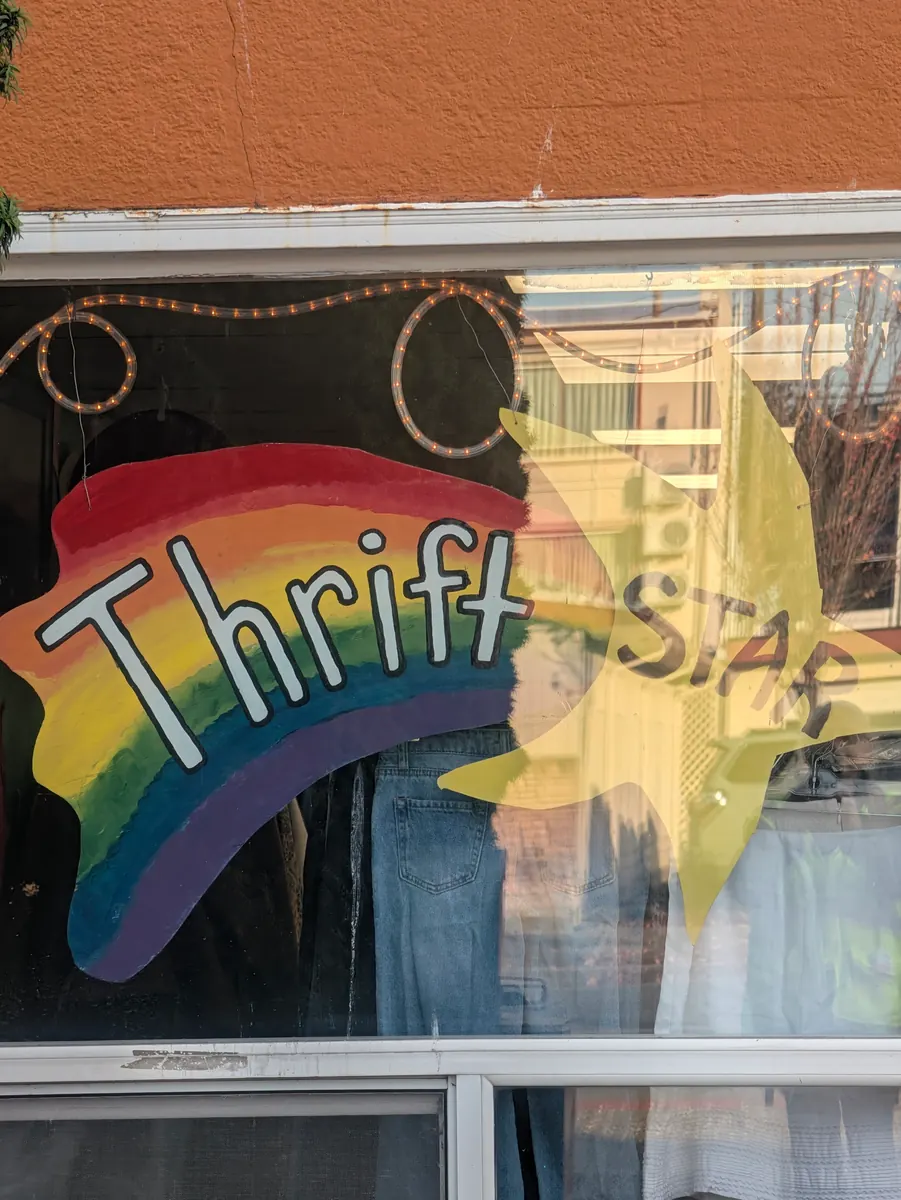
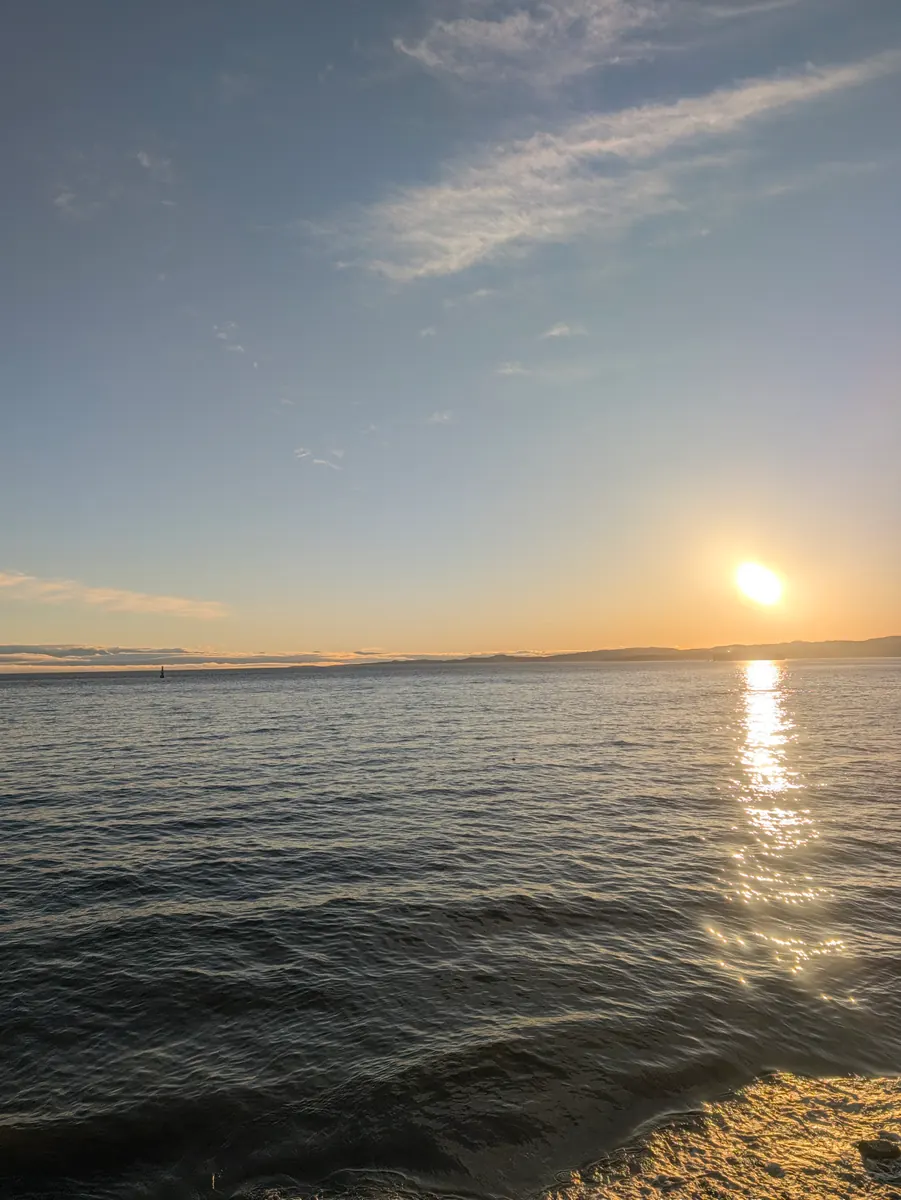
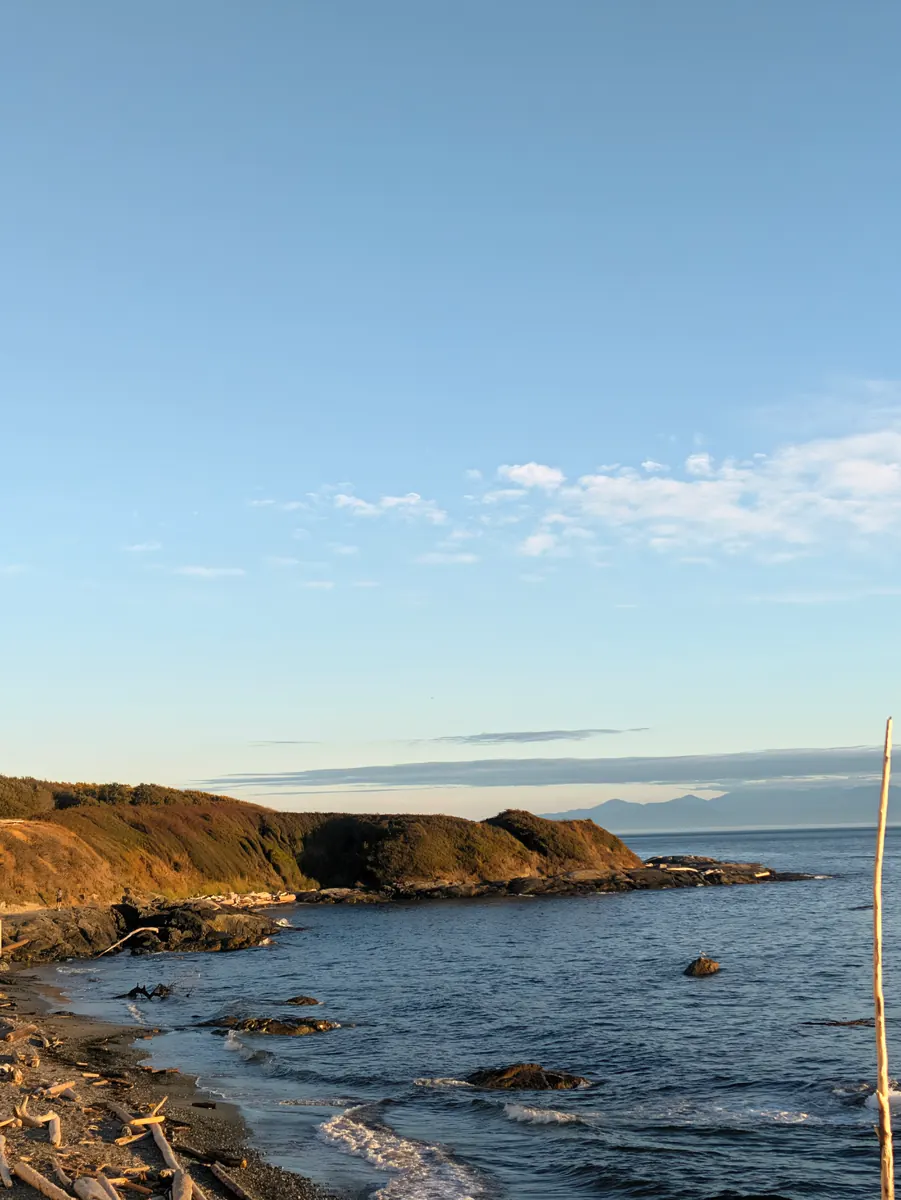
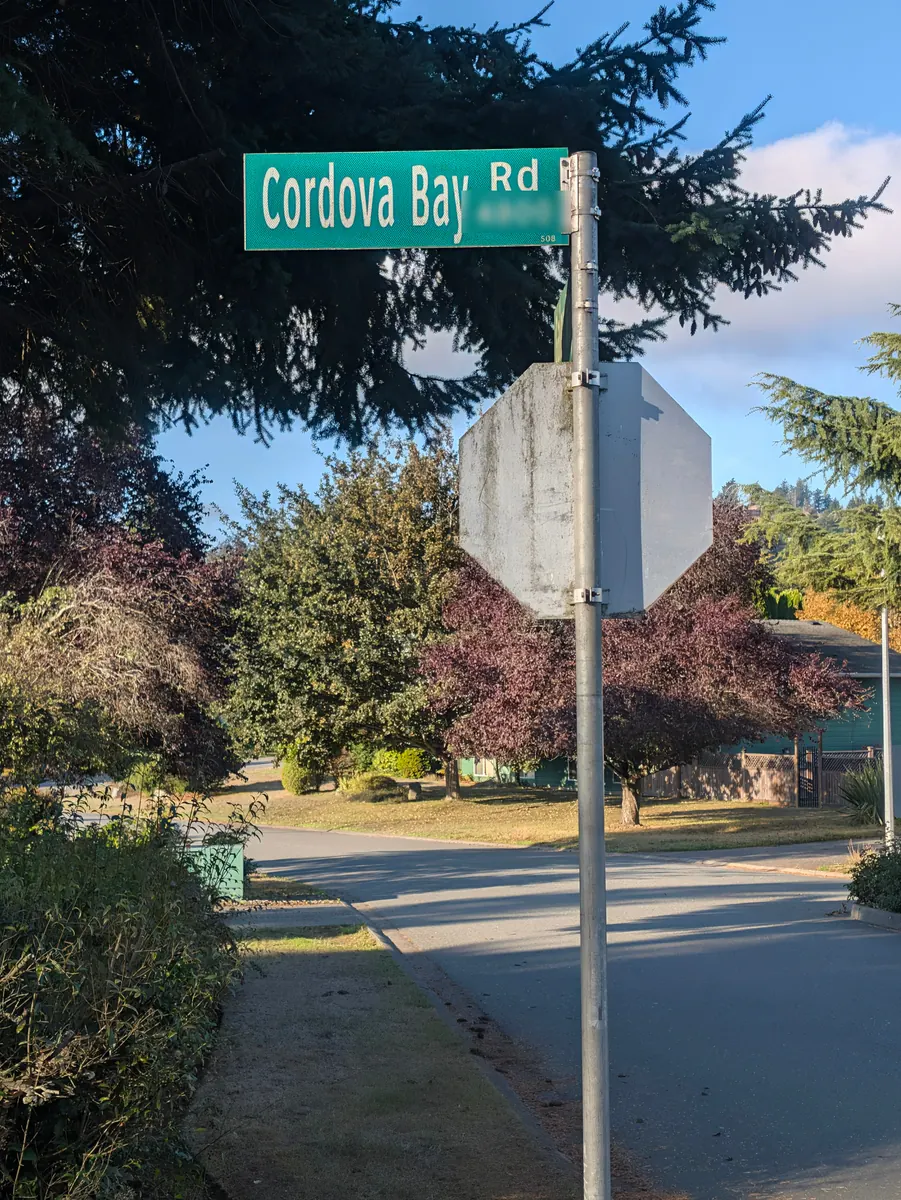
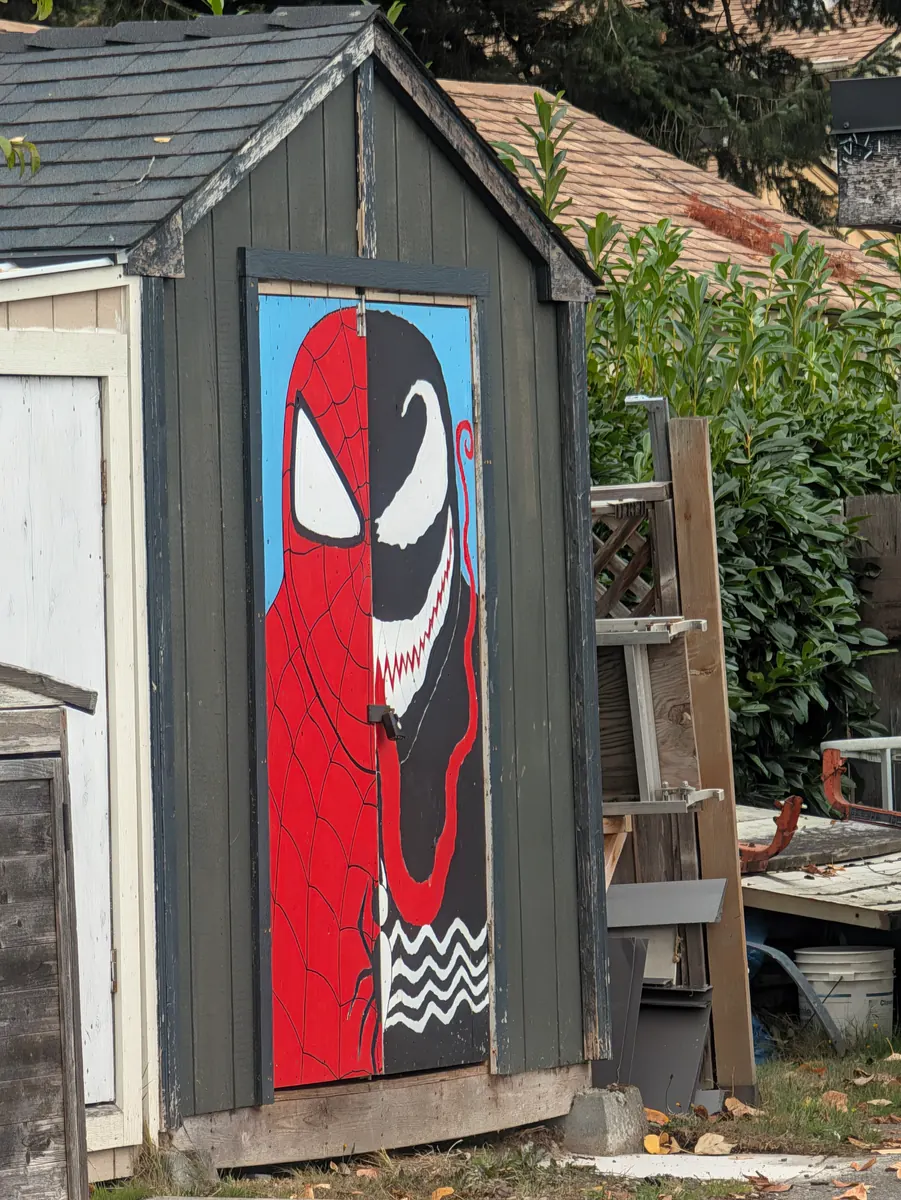
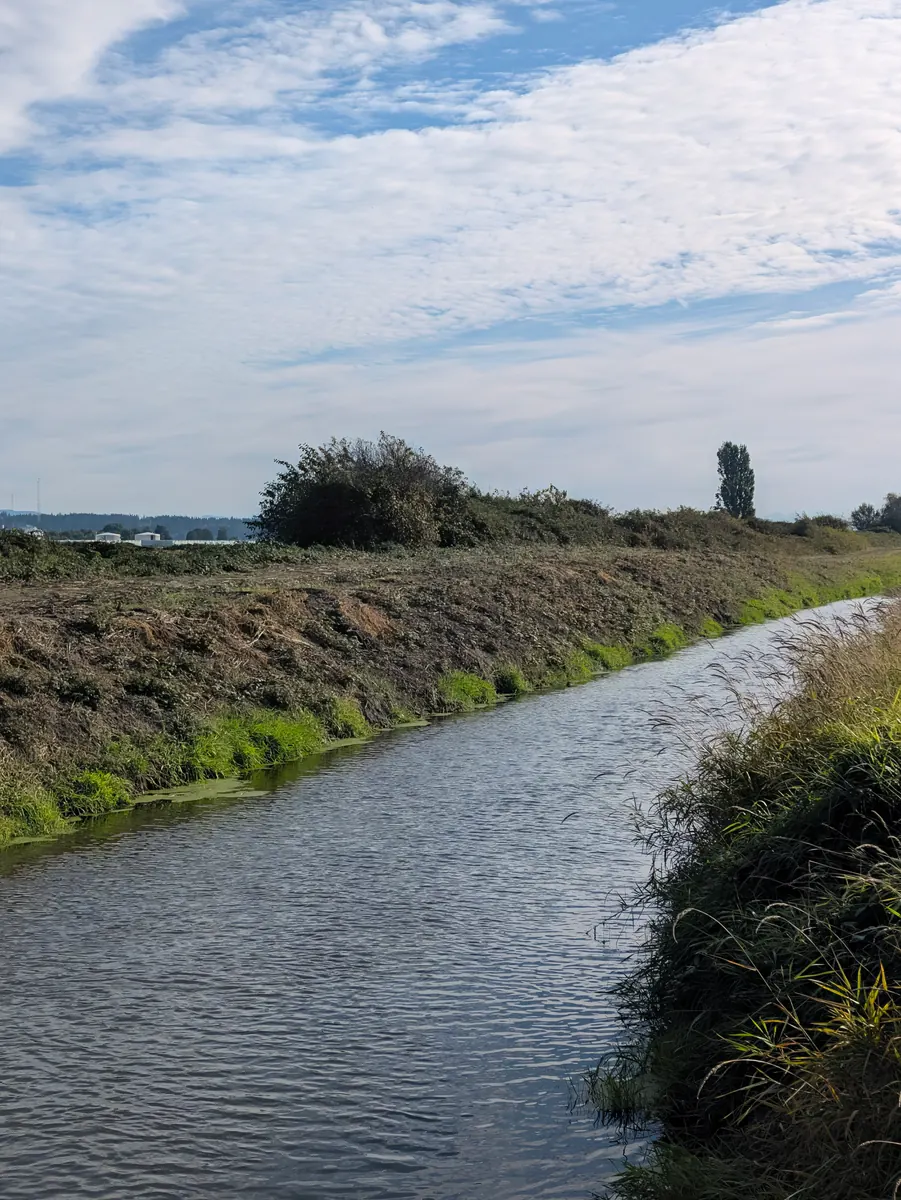
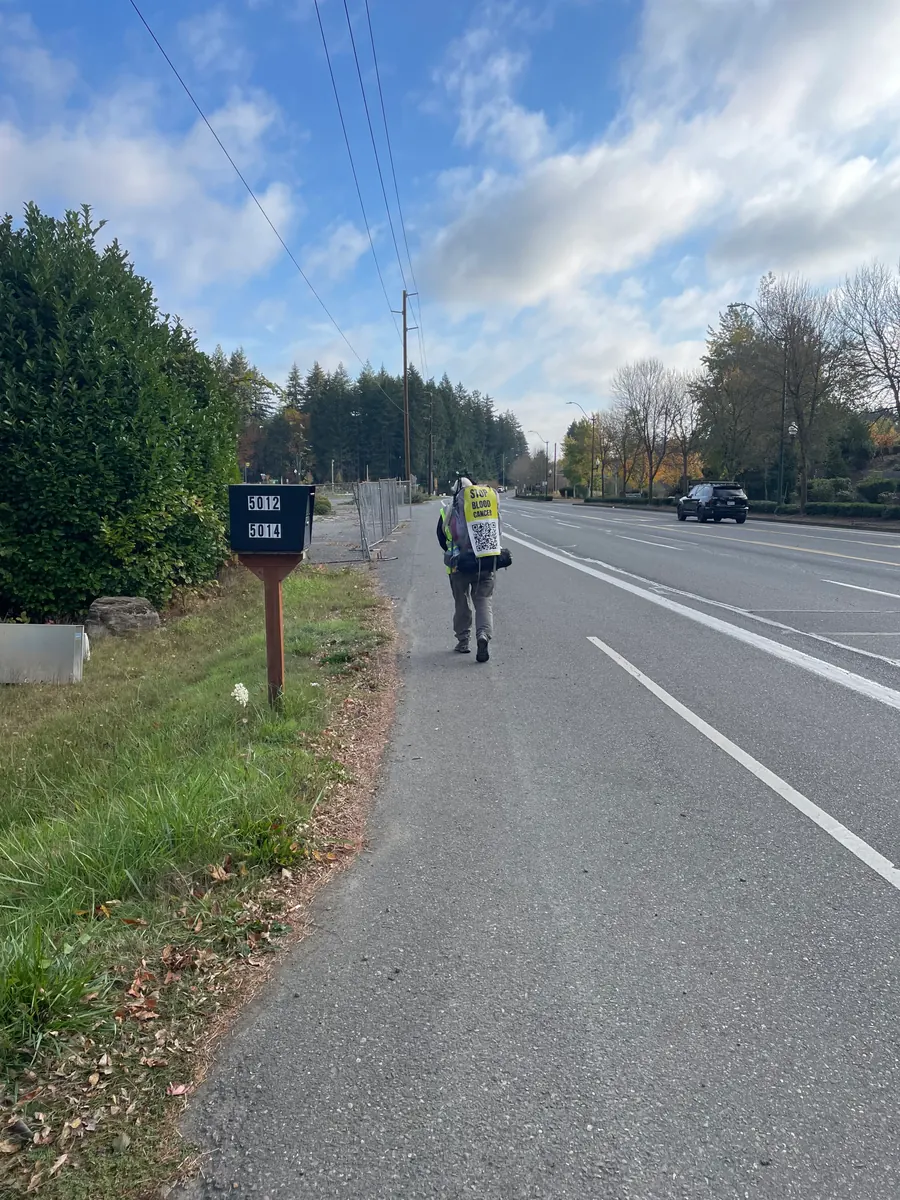
Along the road, she also had to receive. Her journals tell of wet gear, wrong turns and evenings spent looking for somewhere to sleep. They tell of a little shed in a garden, a place for her tent in a barn, and freshly washed clothes folded back into her backpack. Again and again, someone made the next day possible.
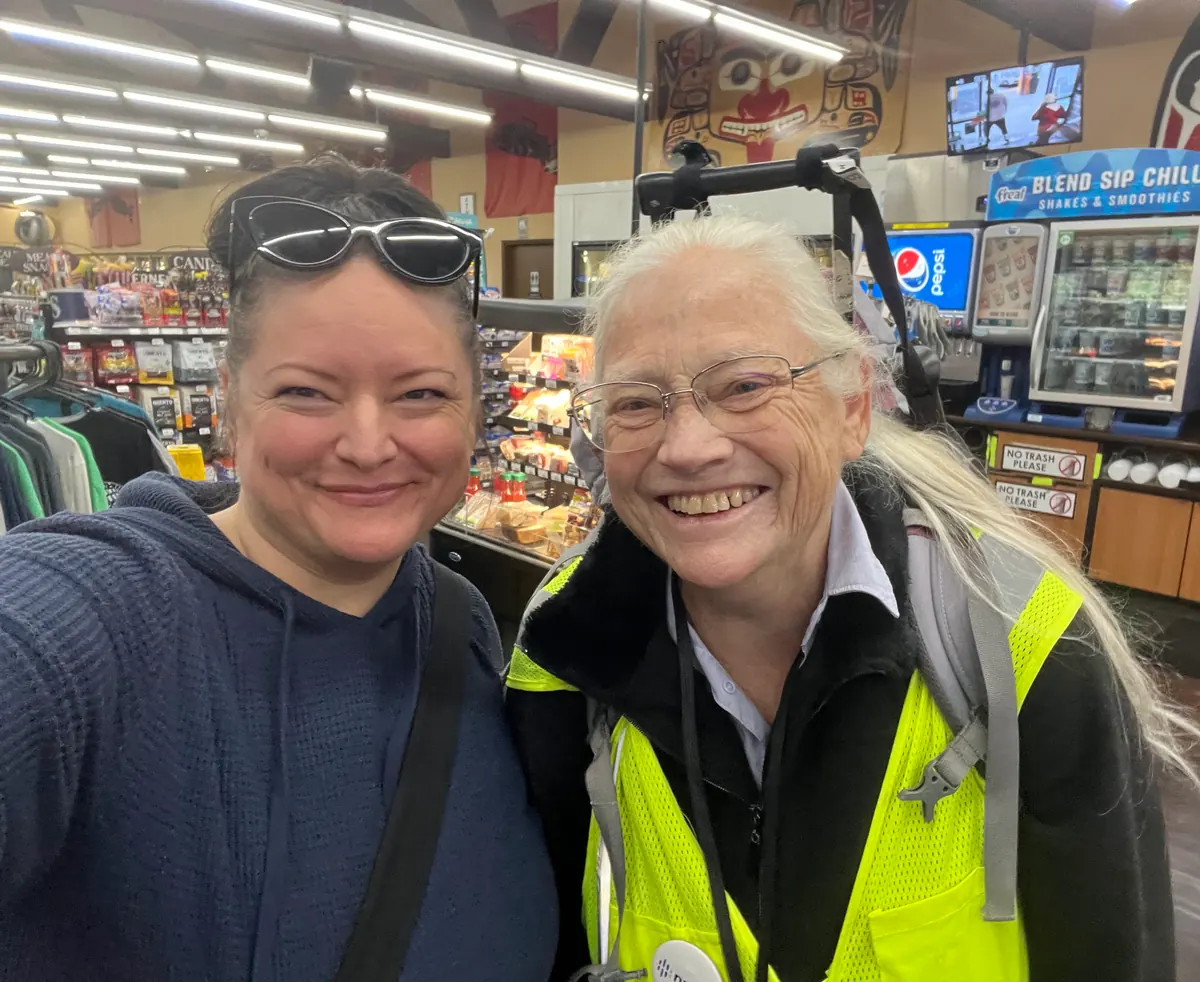
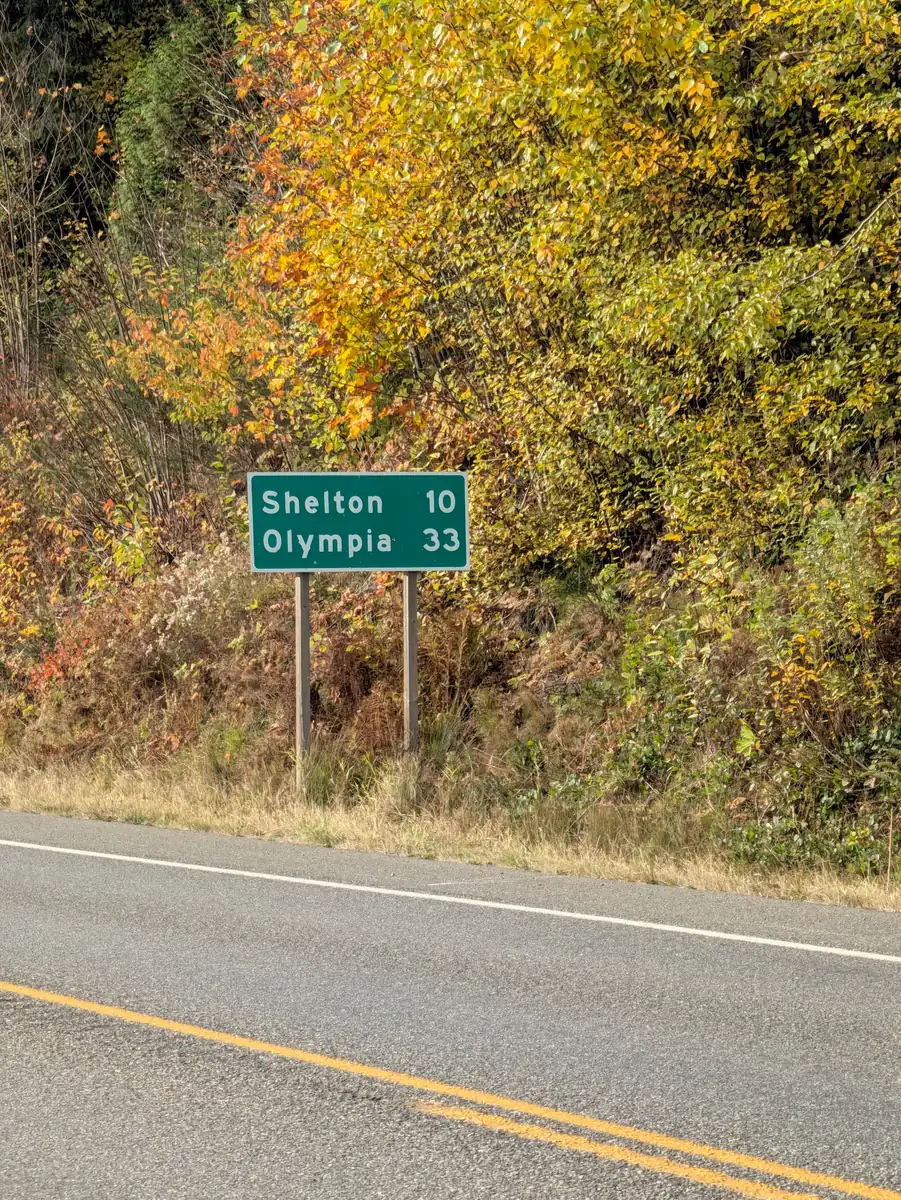
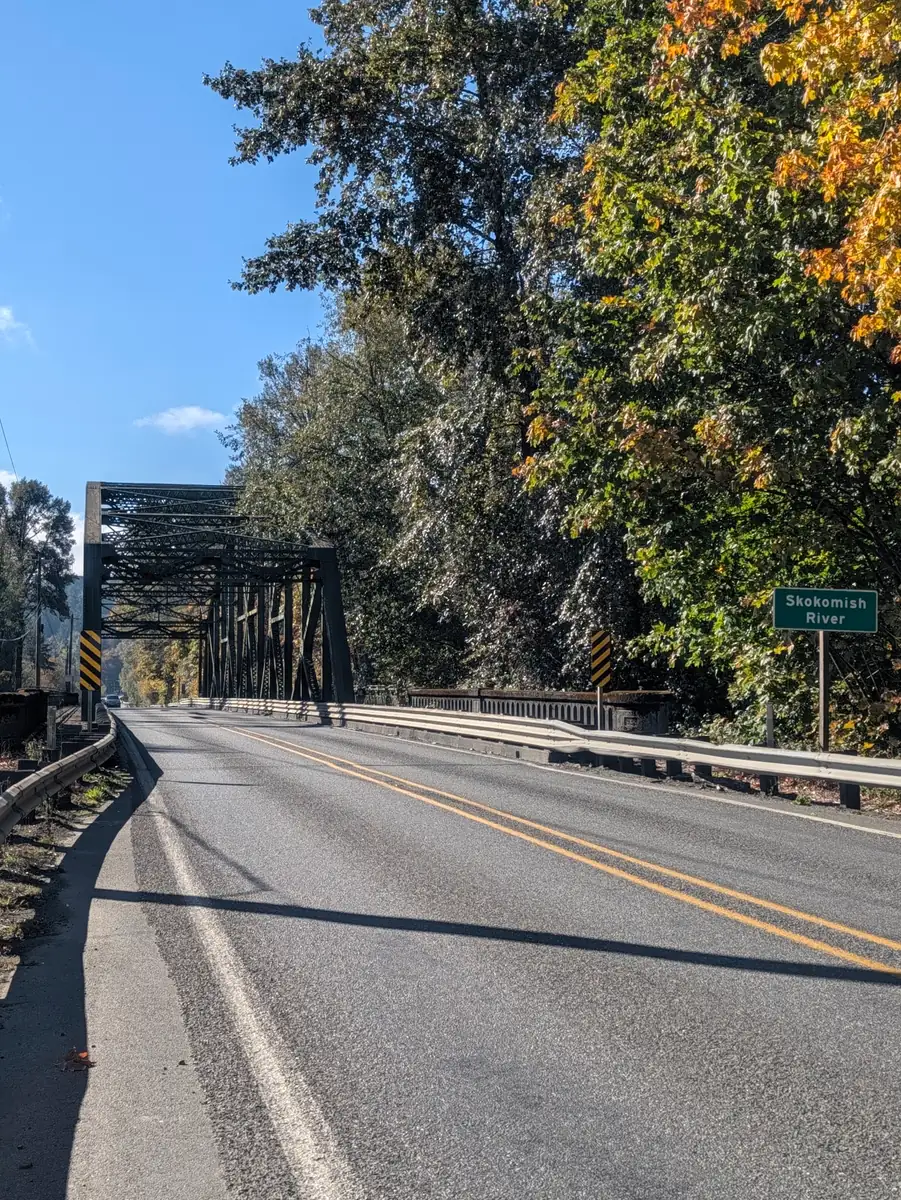
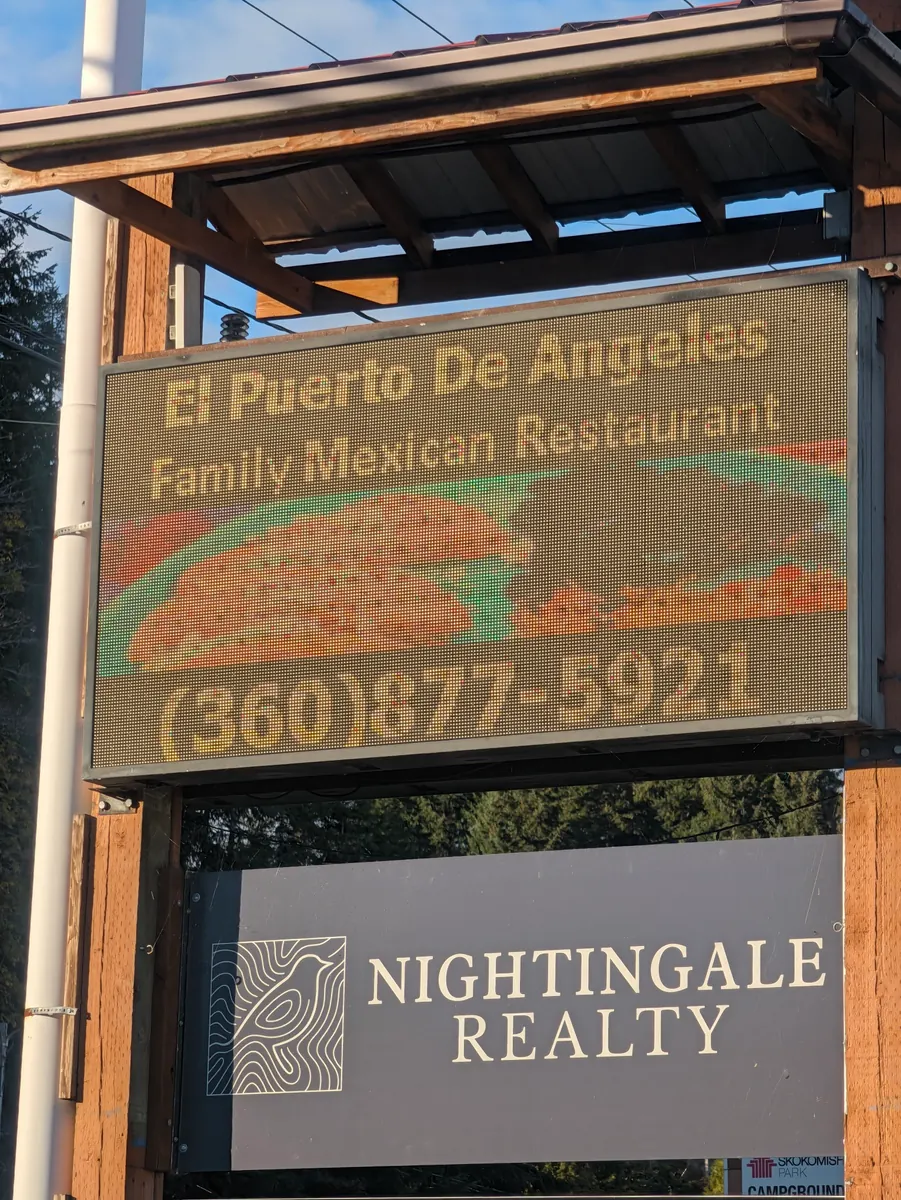
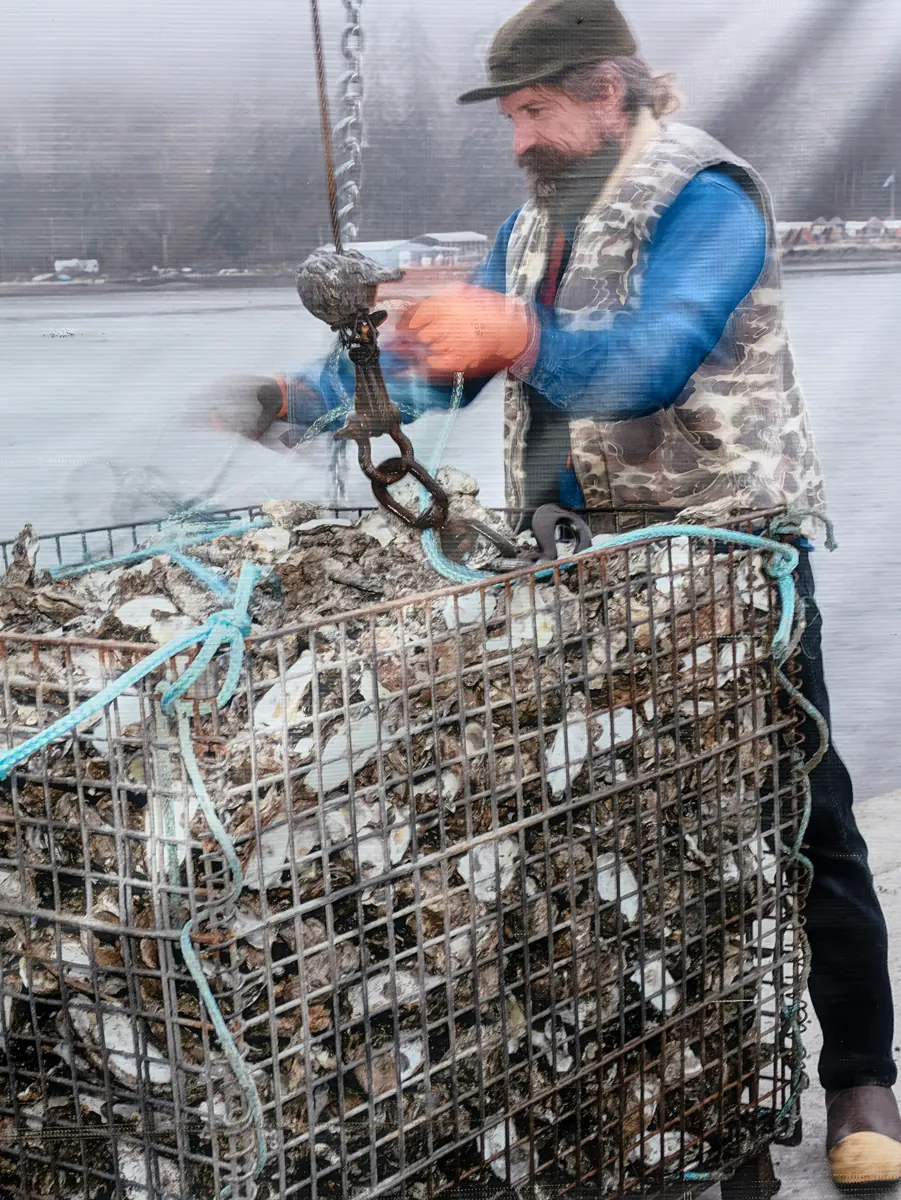
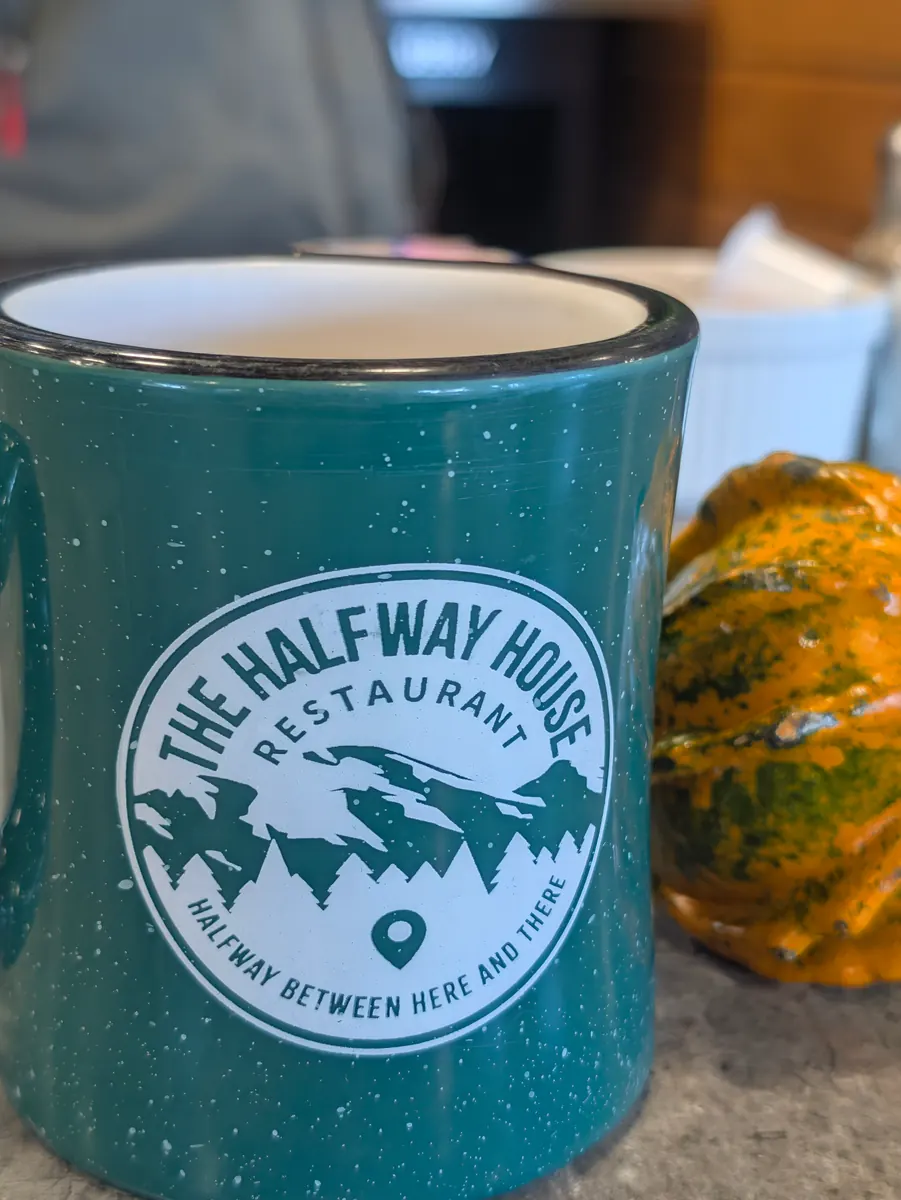
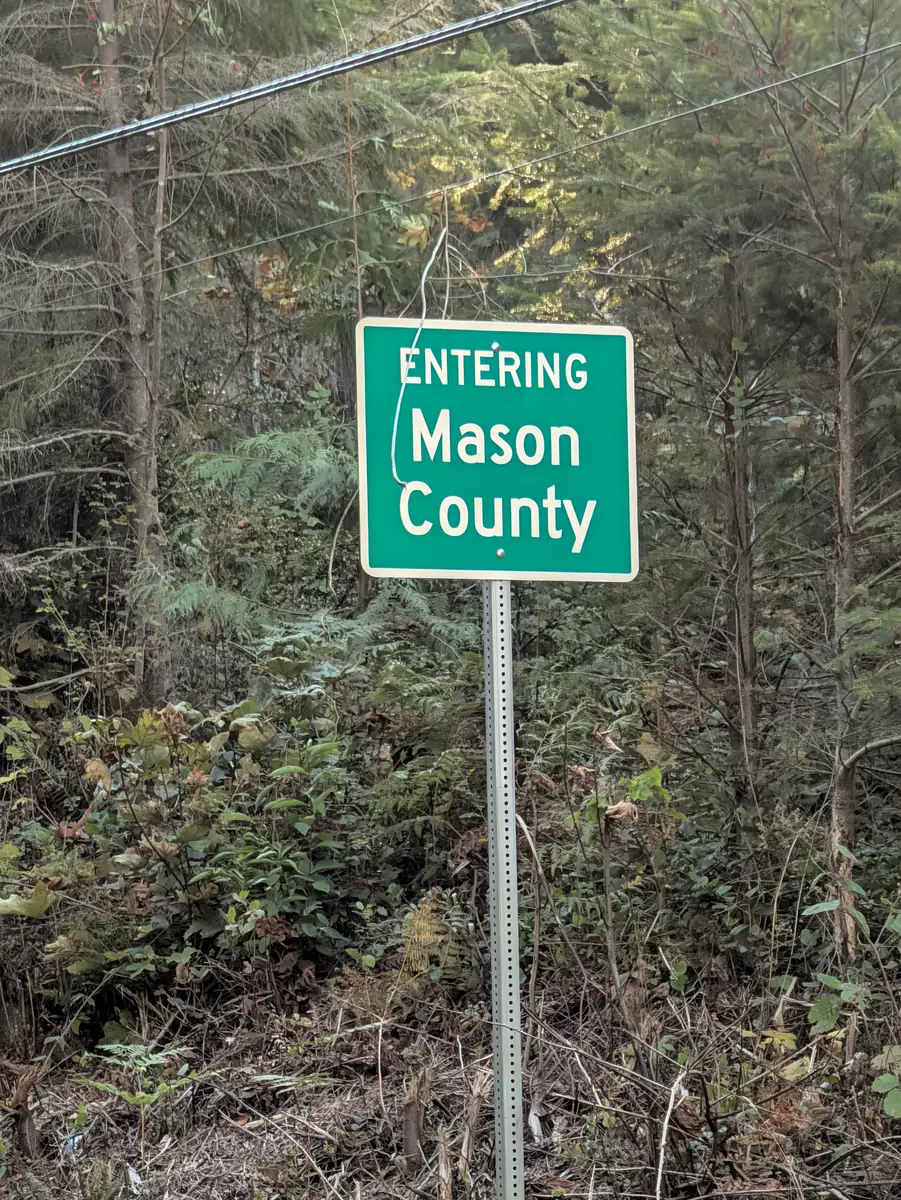
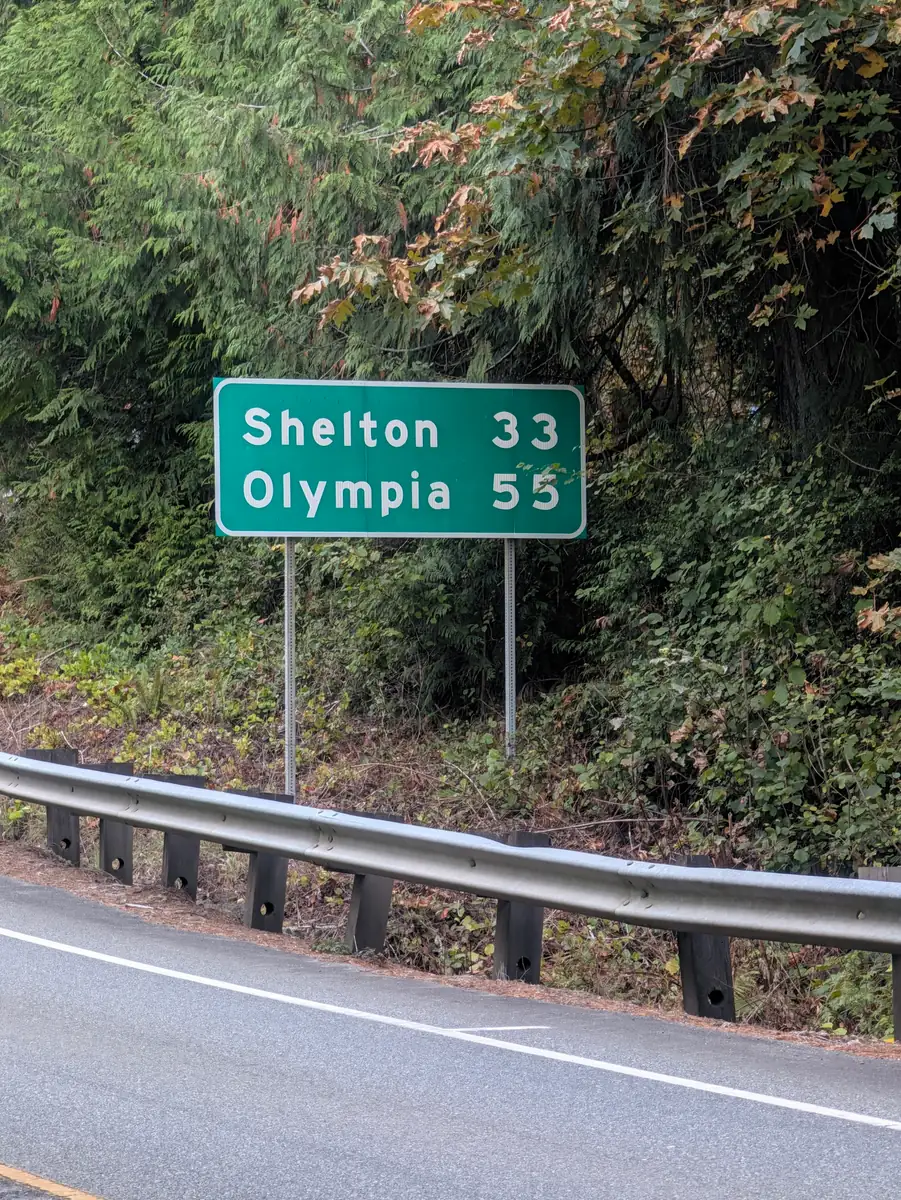
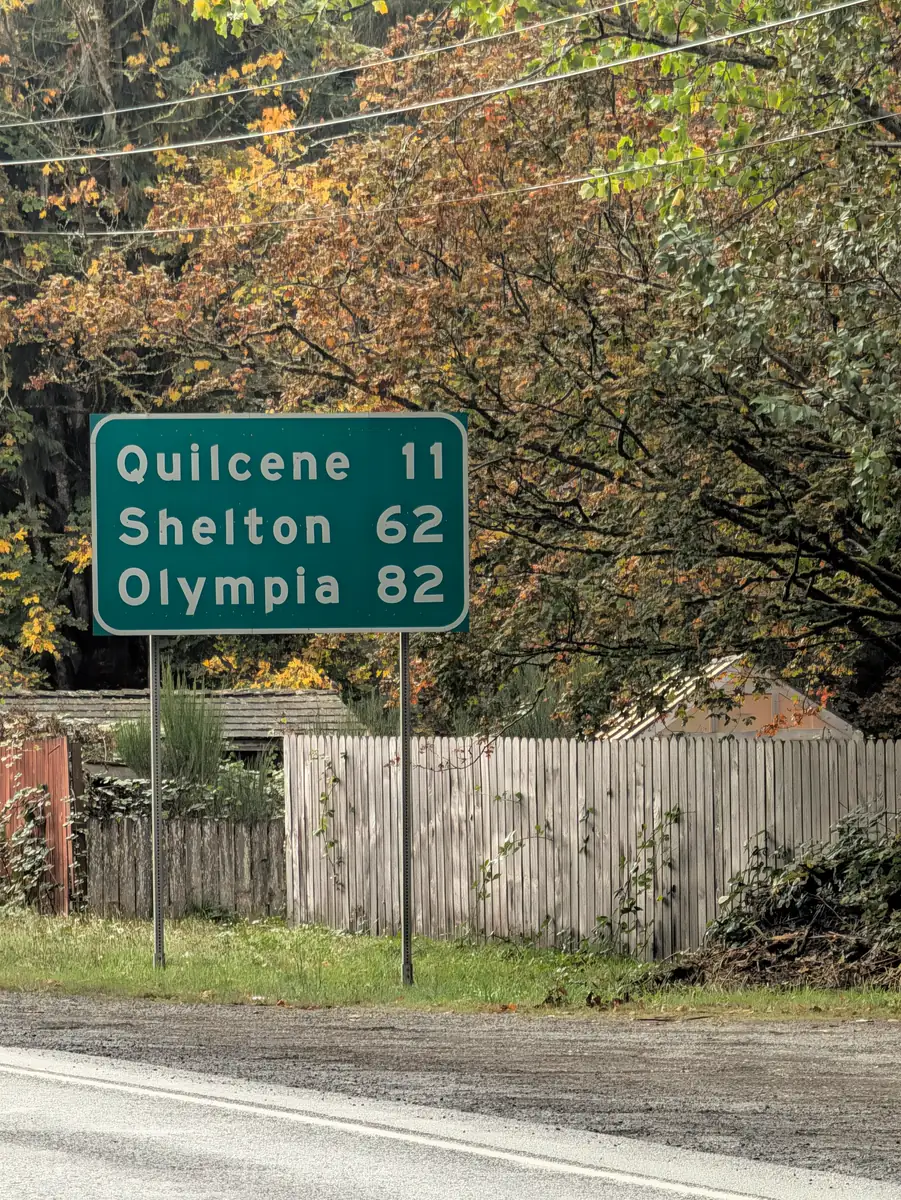
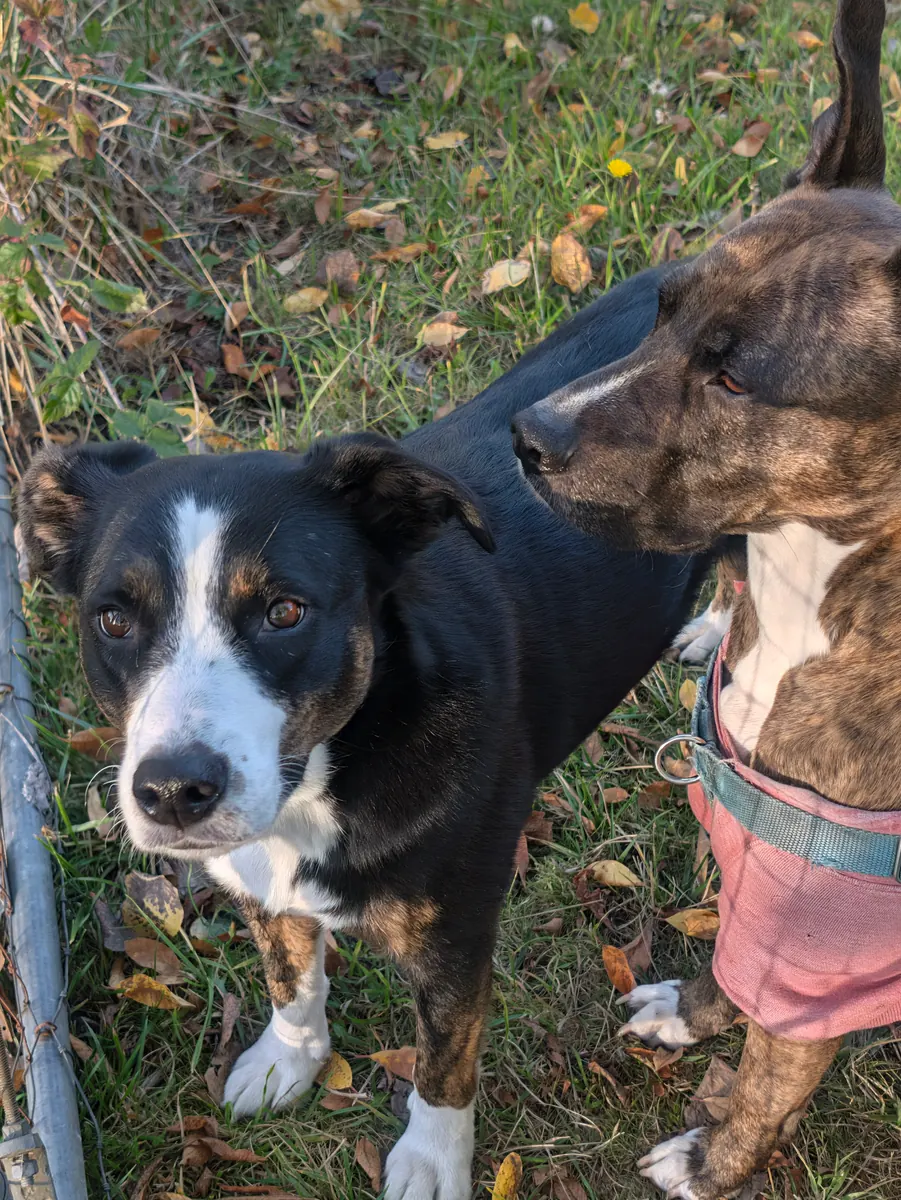
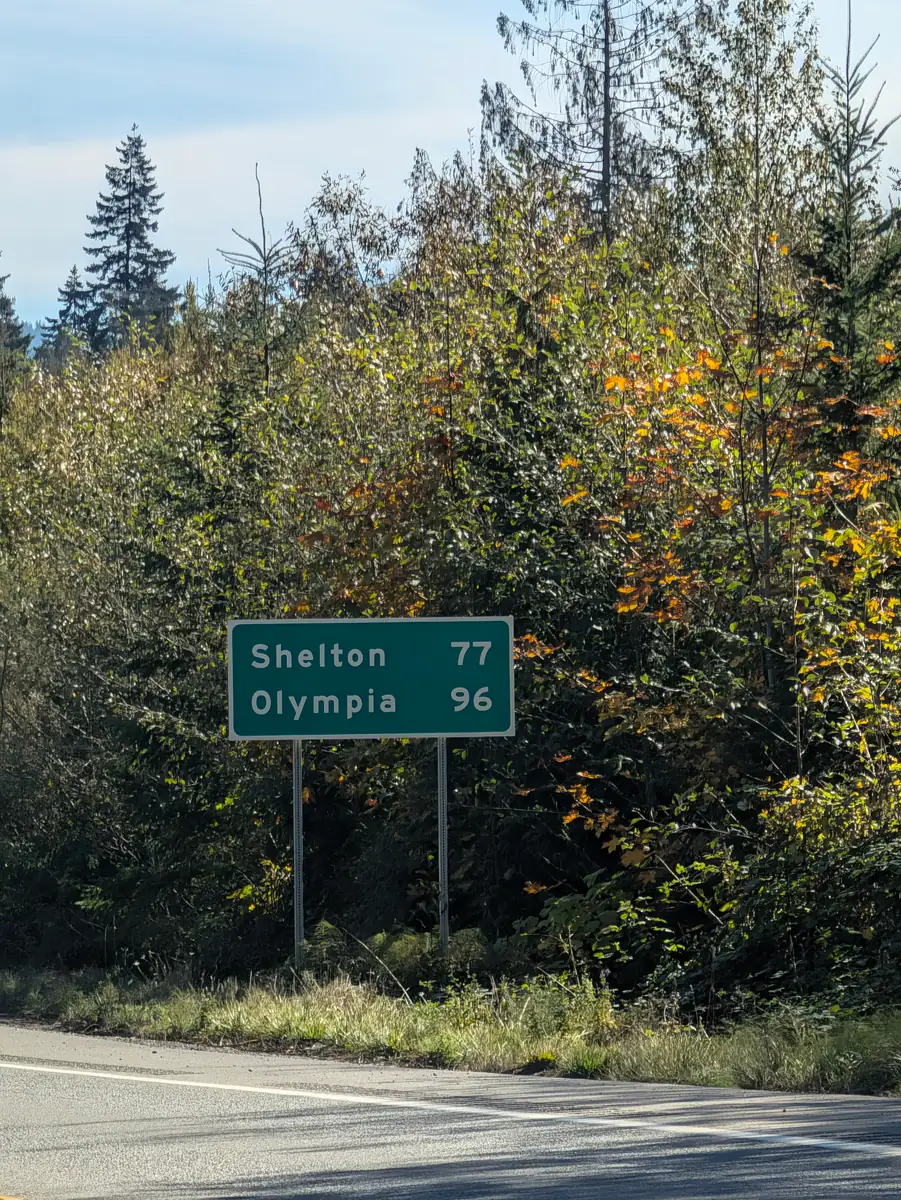
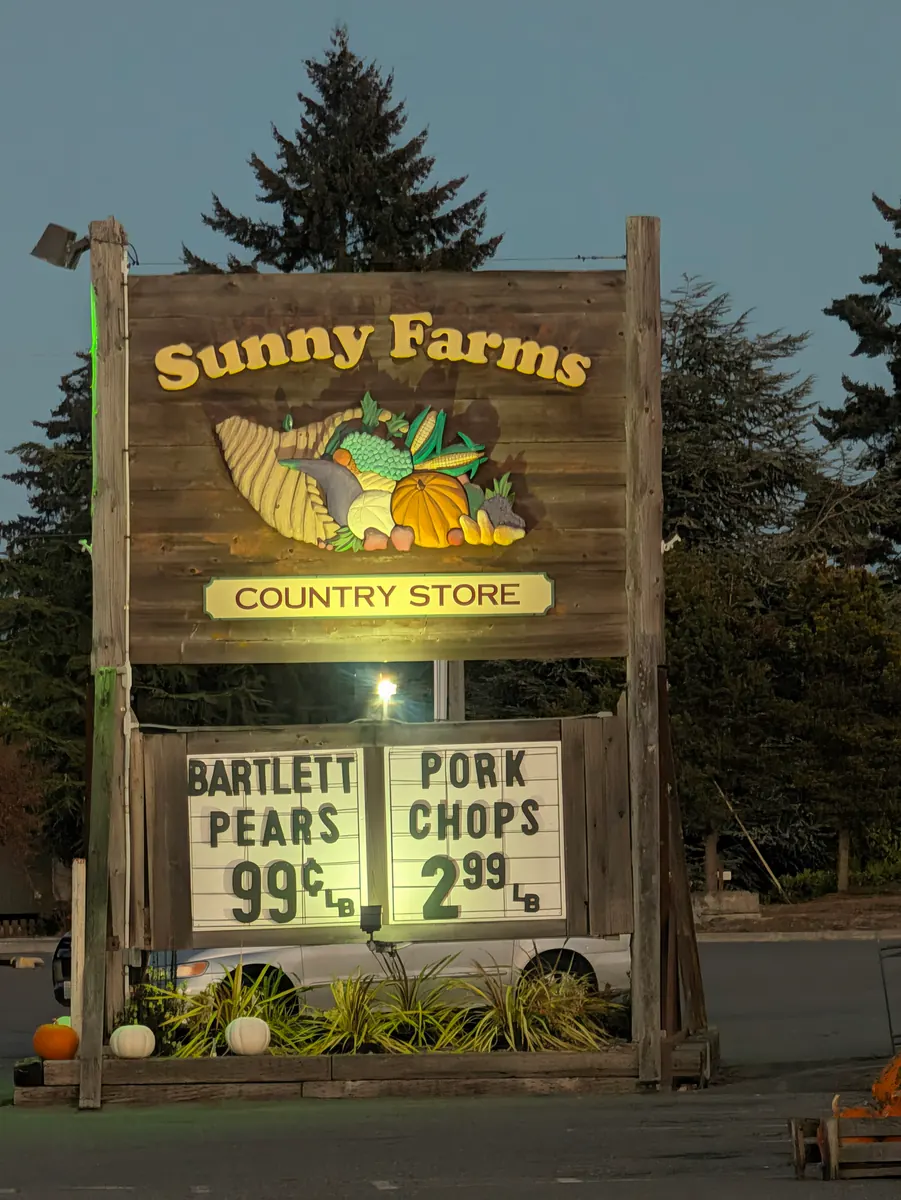
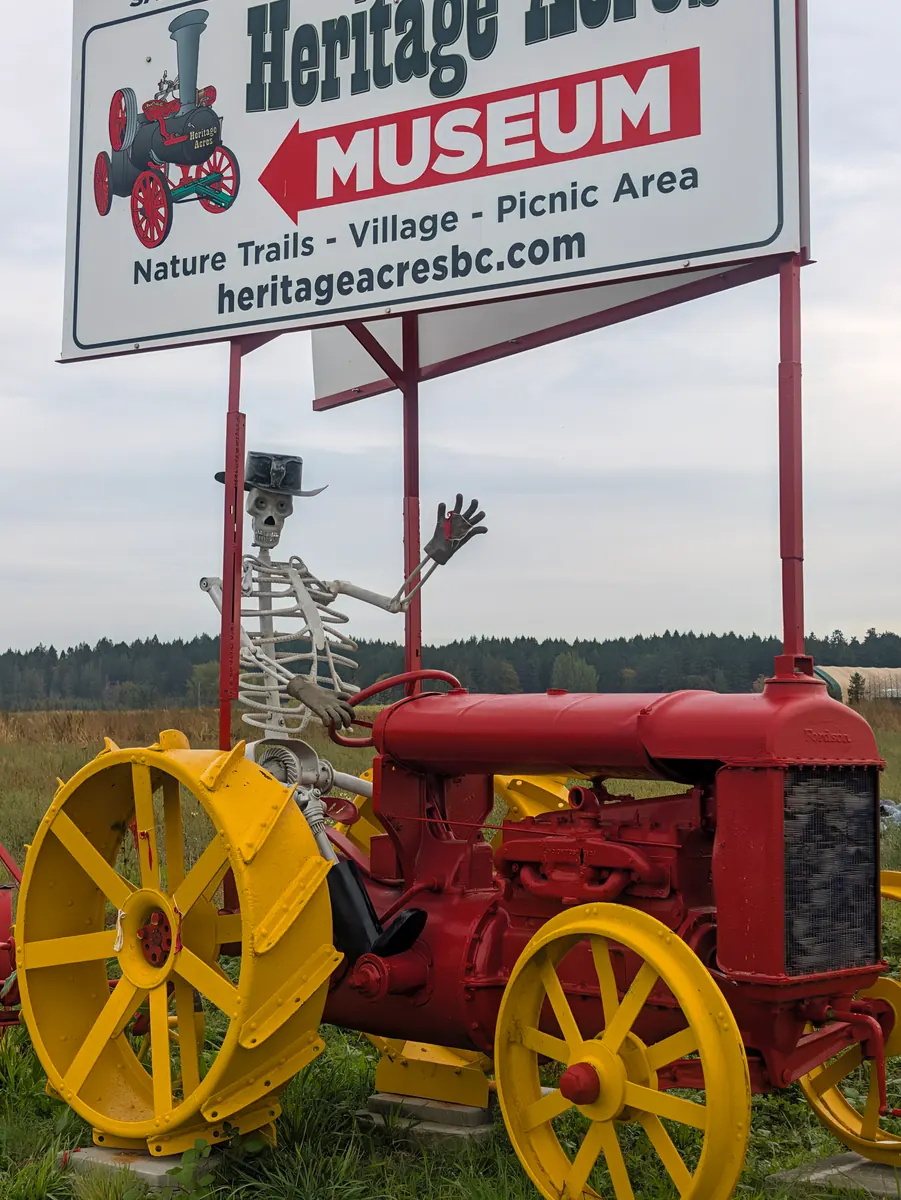
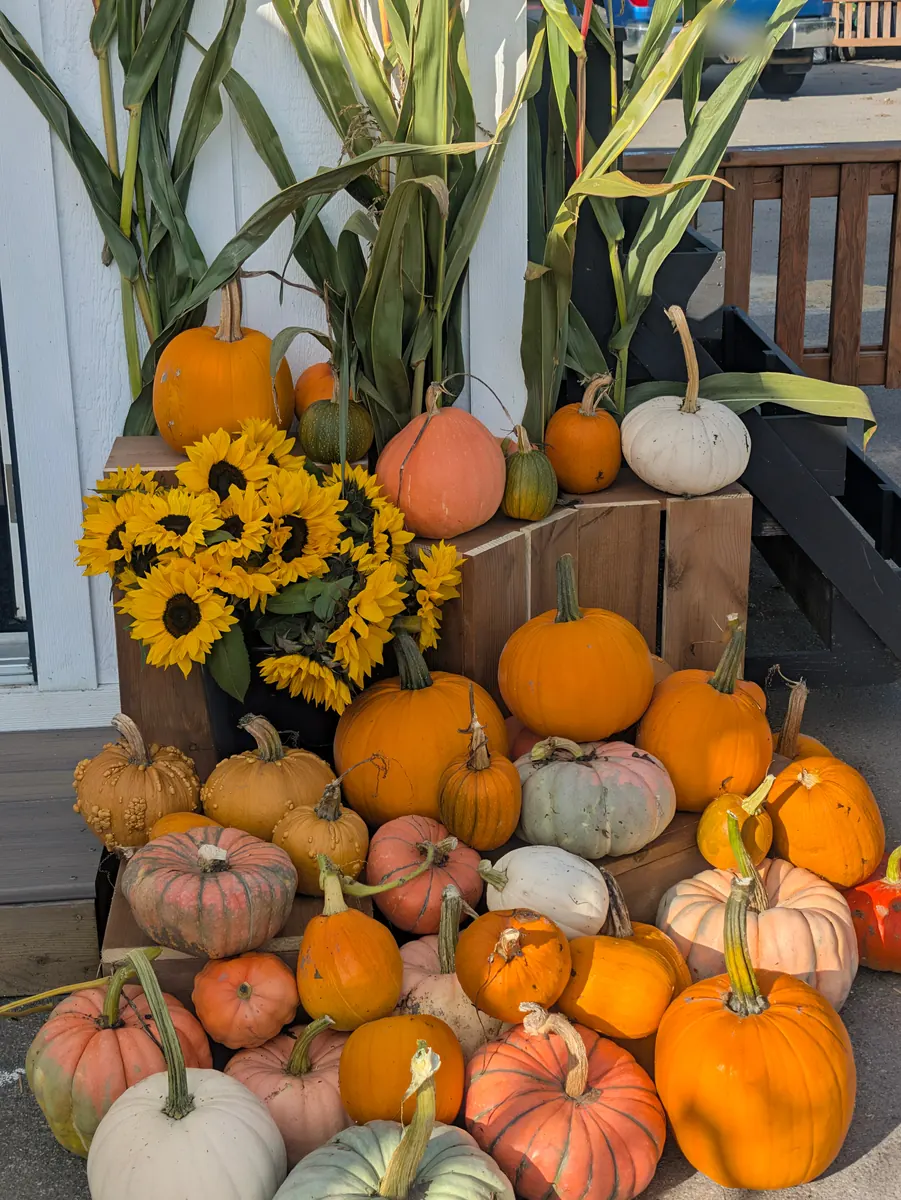
In the last week, that kindness had the shape of breakfast. Jeana met Amy for the third time in two days, and Amy bought her an egg sandwich, warm raspberry rolls and lemonade. Farther along, a man from Skokomish gave her his home-packed salmon and raspberry jam. Near Shelton, another man offered a ride. Jeana wanted to keep walking, so he went on — then returned with a cold can of pineapple nectar. It brought back memories of the drink her mother gave her as a child.
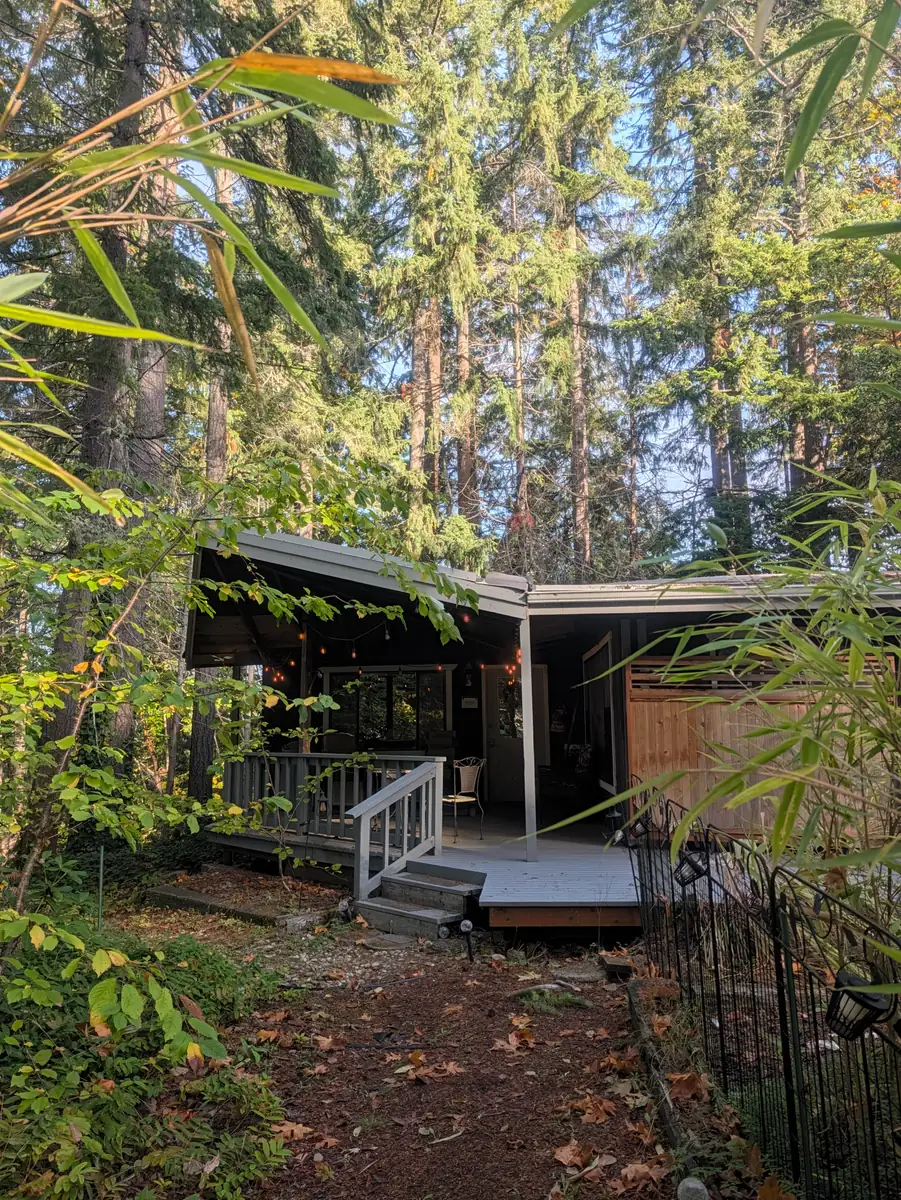
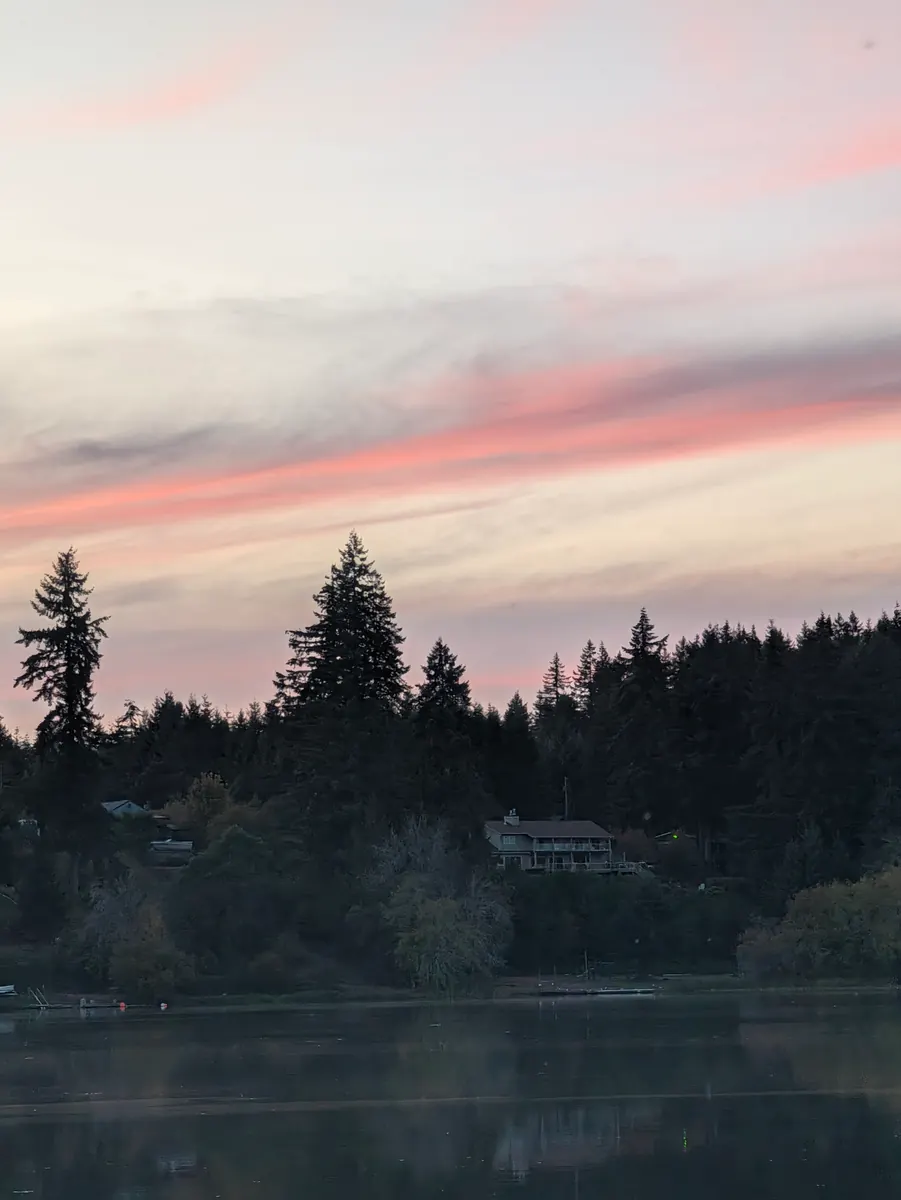
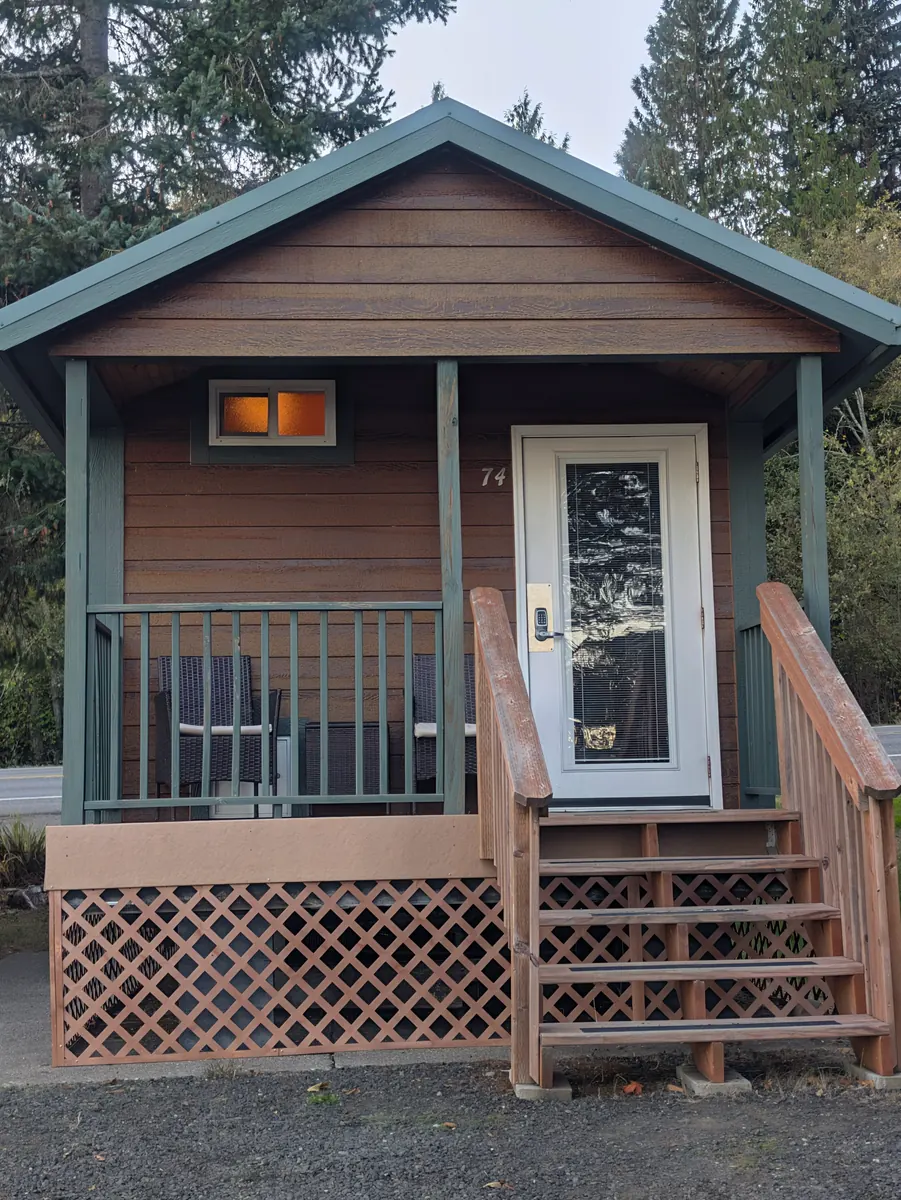
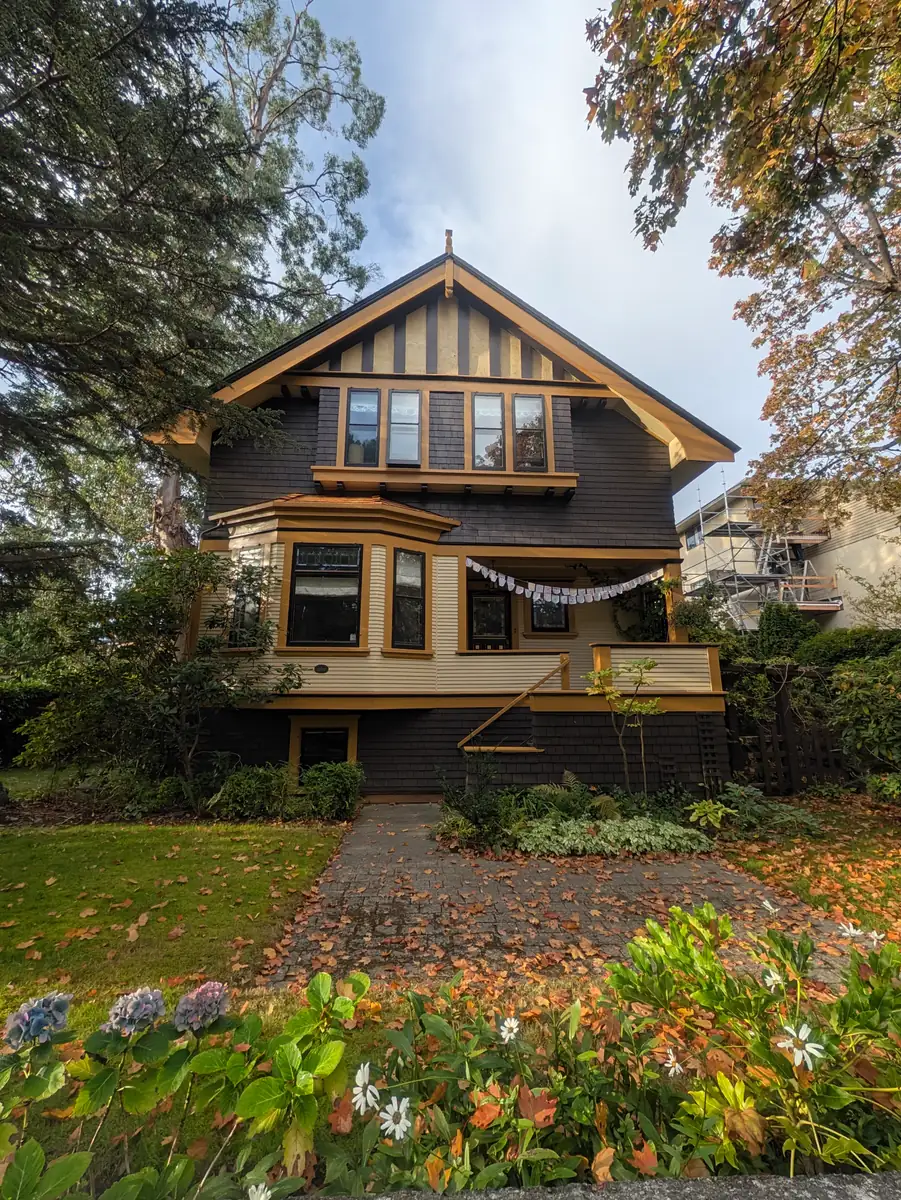
That evening, an invitation first offered from the back of a family van became a cottage in the woods. Lori Shipman welcomed Jeana, and Rebecca helped with rides. There was soup, a shower and a bed. The final miles were Jeana’s to walk, but these pages make clear how many people helped her get there.
On October 15, Jeana found words for what she was receiving: “People from all walks of life reach out to support me in completing this journey.” Her full reflection is quoted below. Hope, in these stories, is something people do for one another — sometimes as simple as turning around with a cold drink.
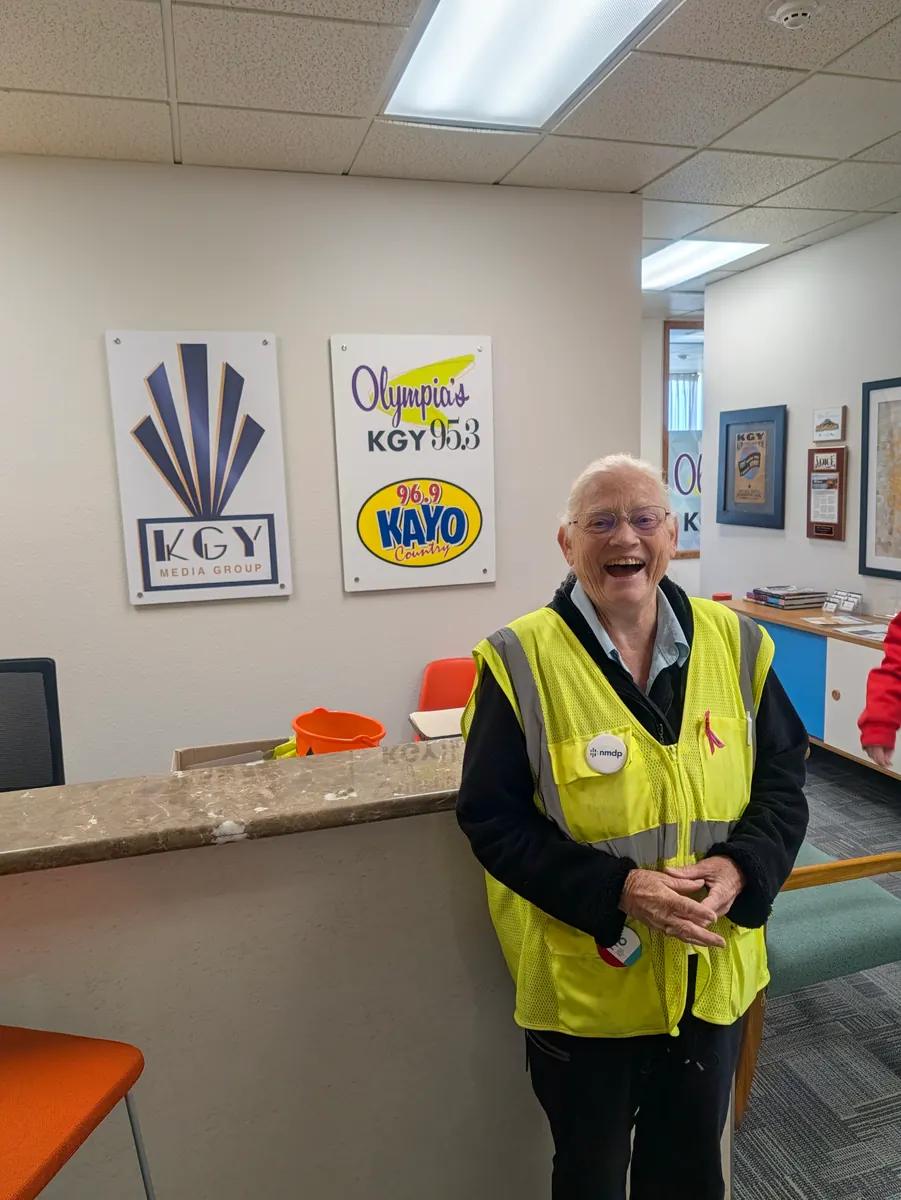
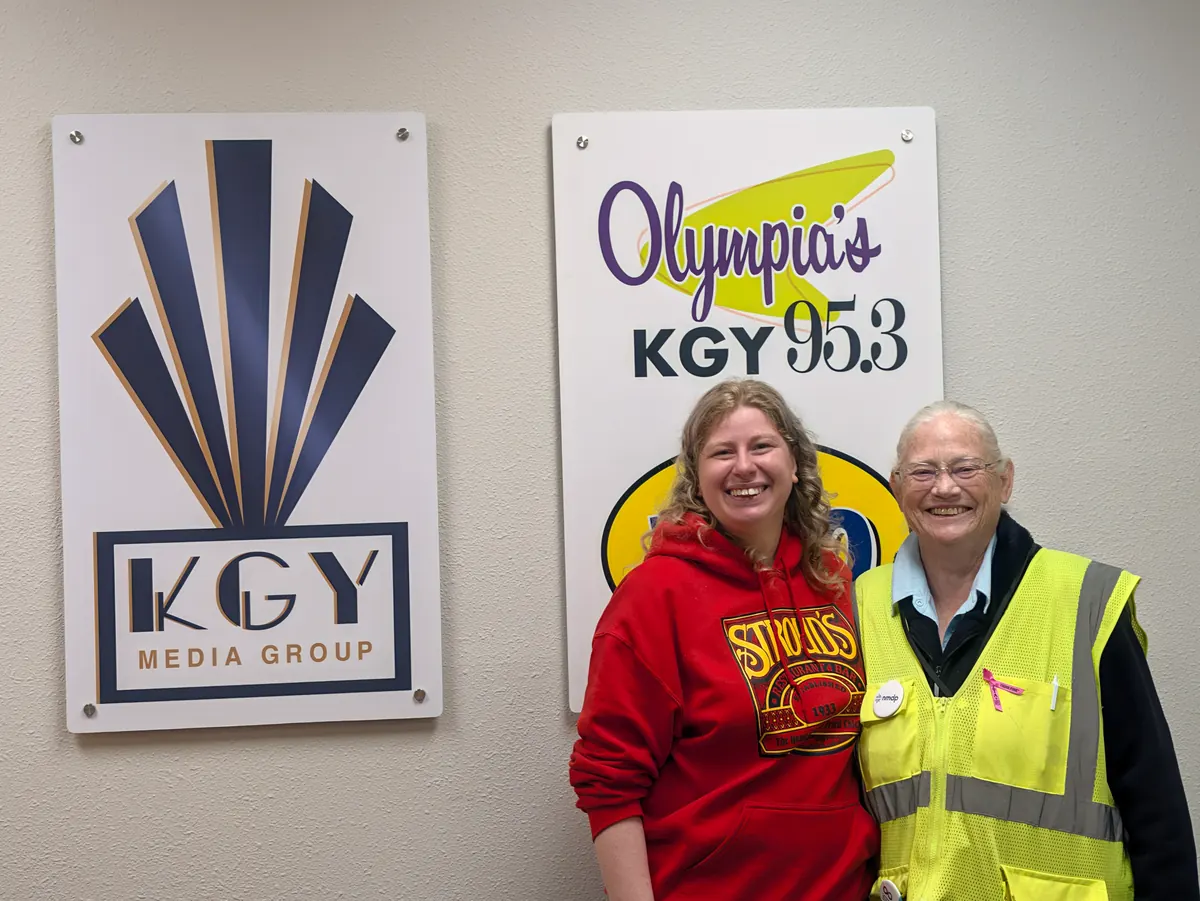
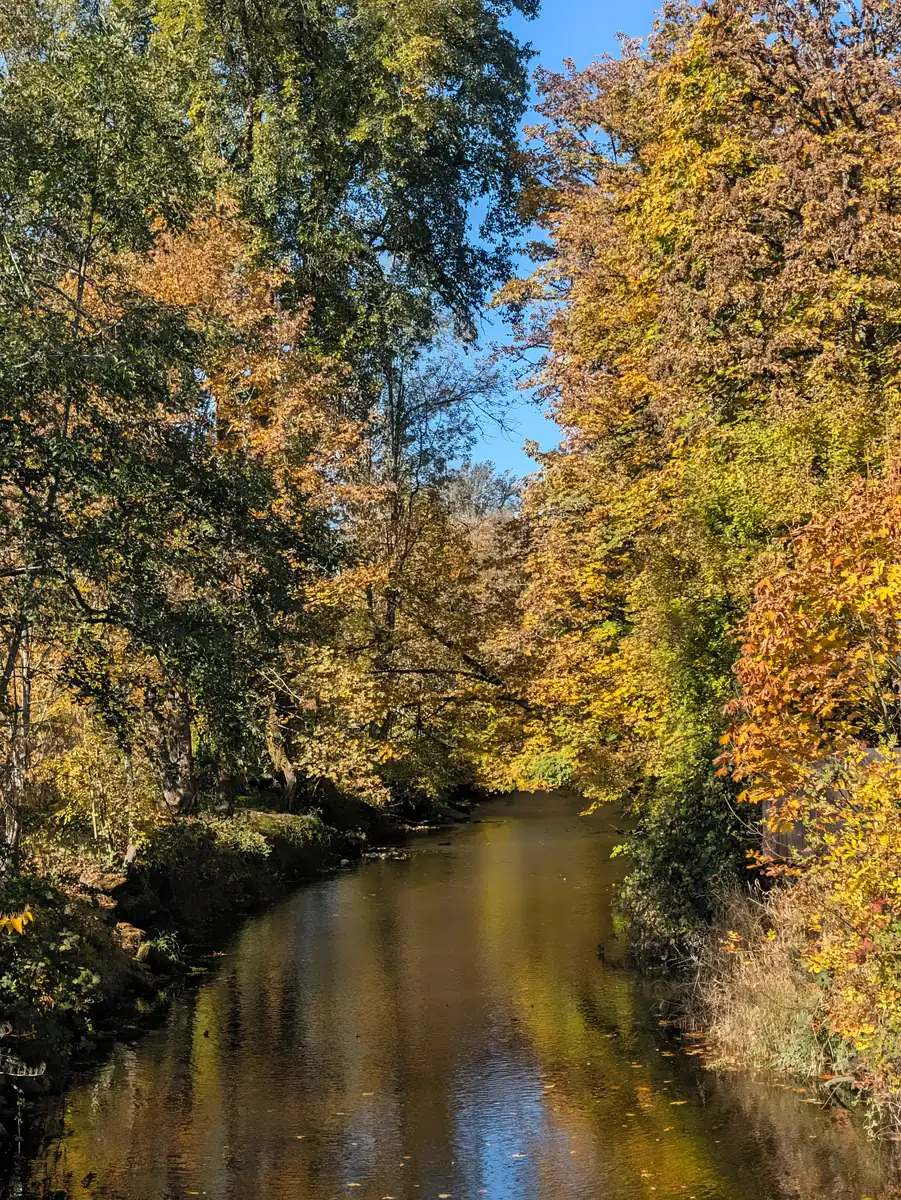
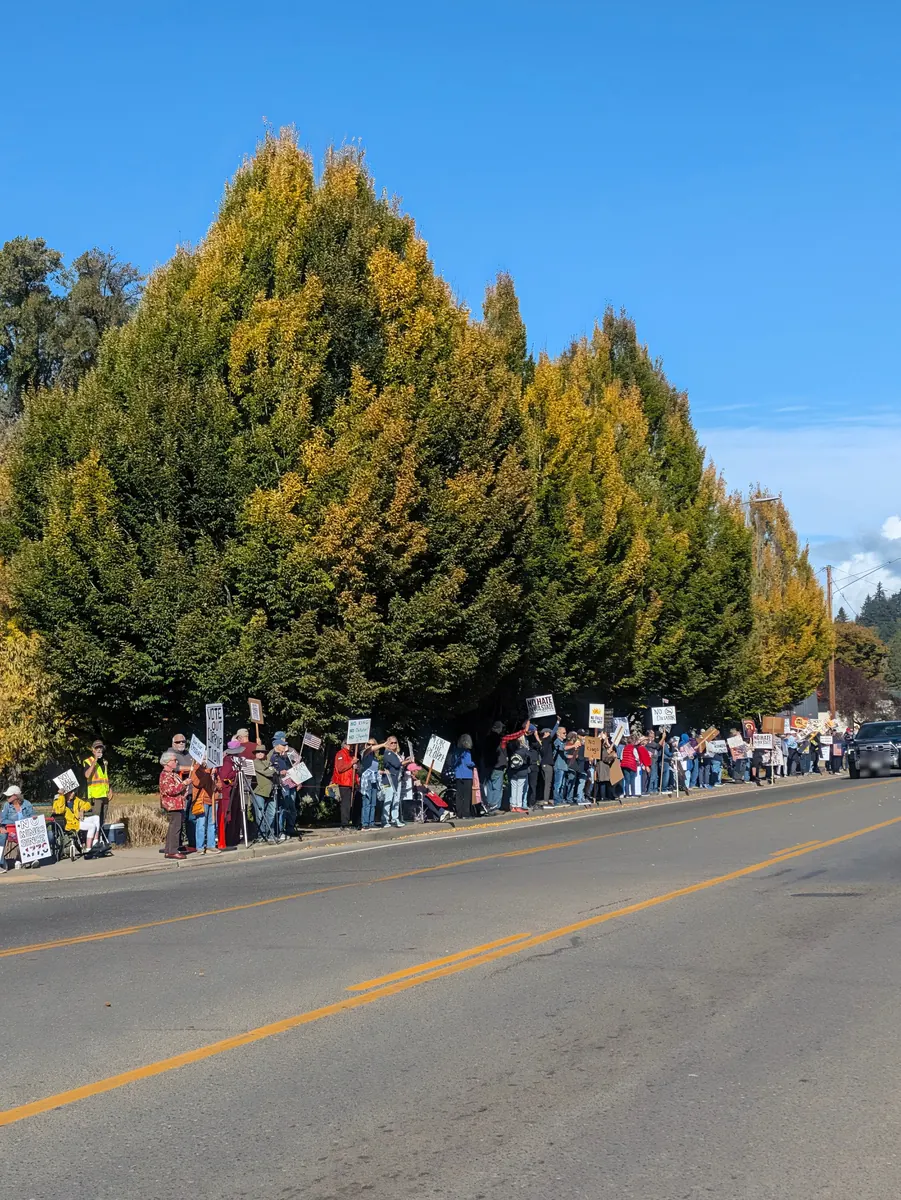
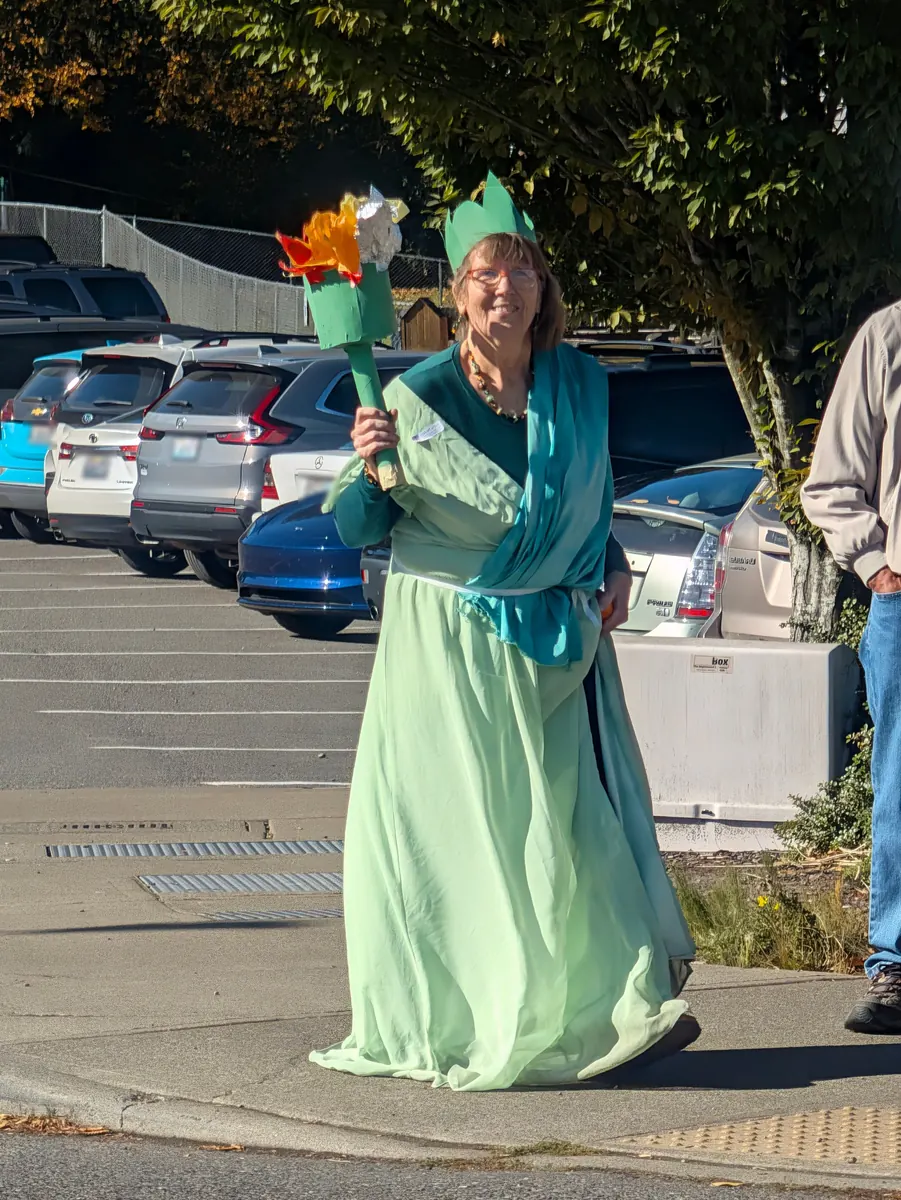
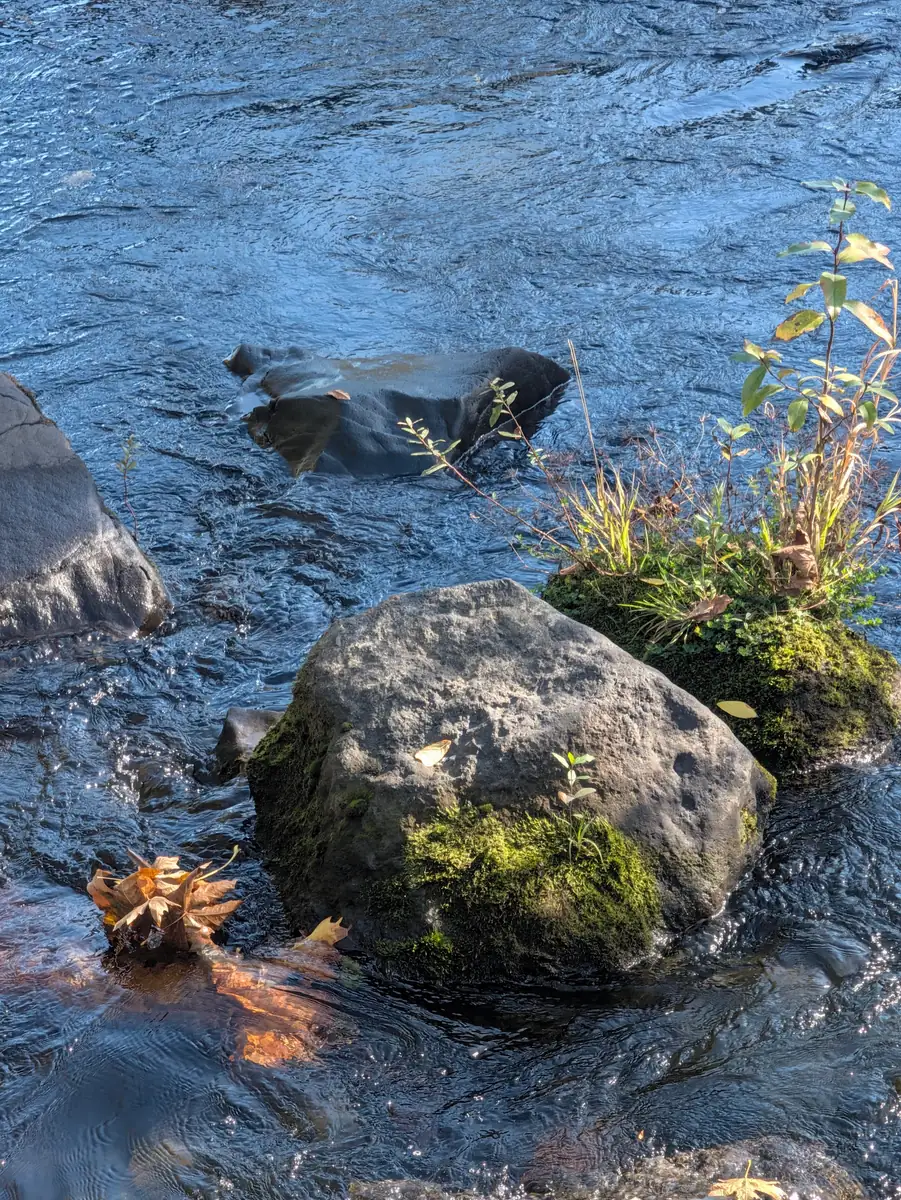
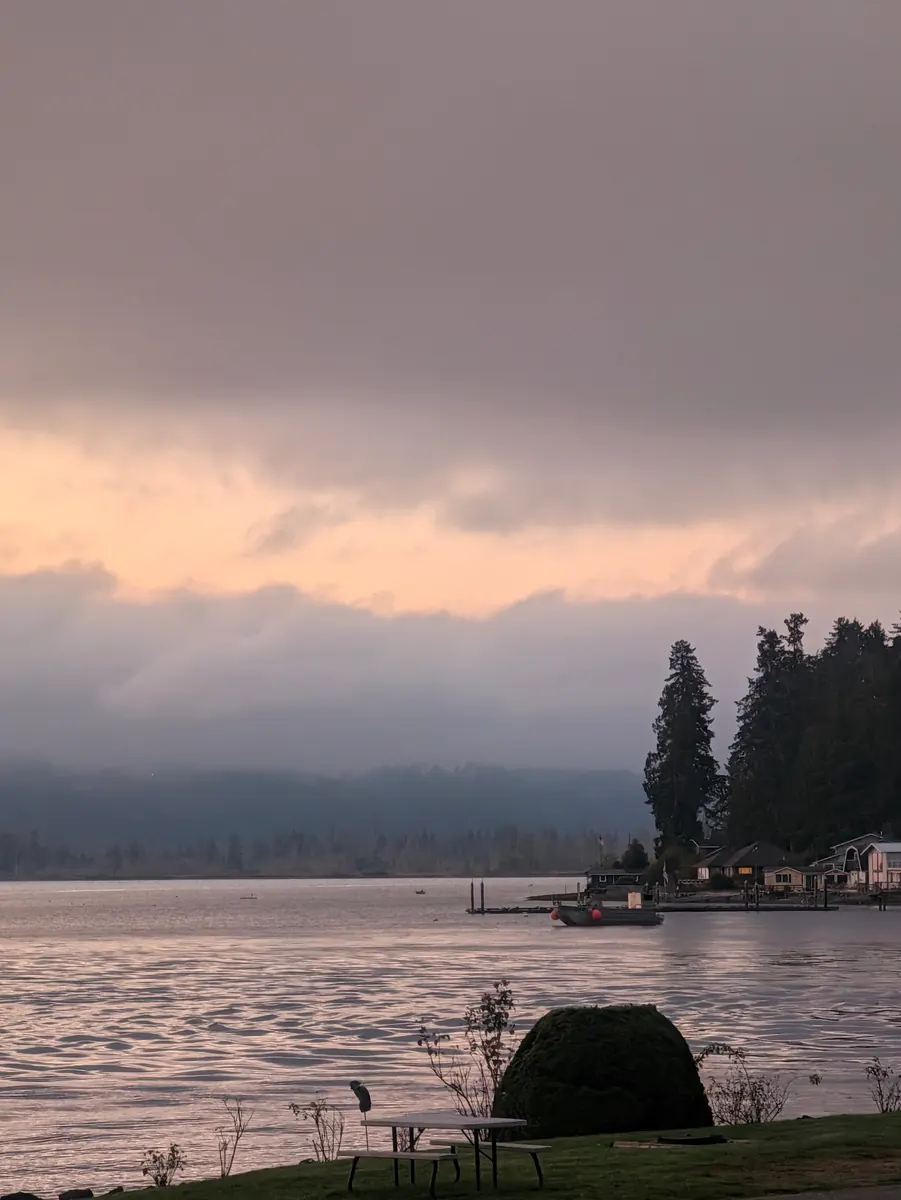
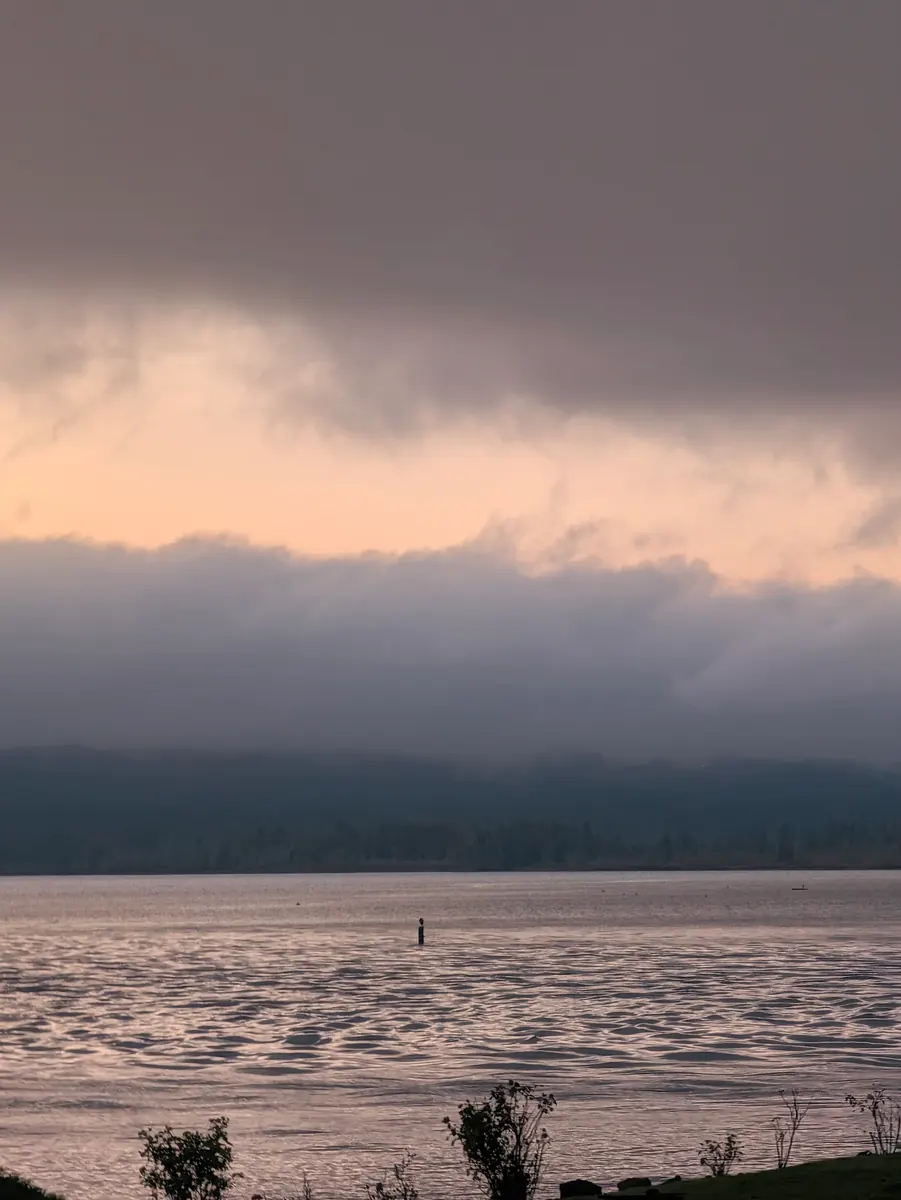
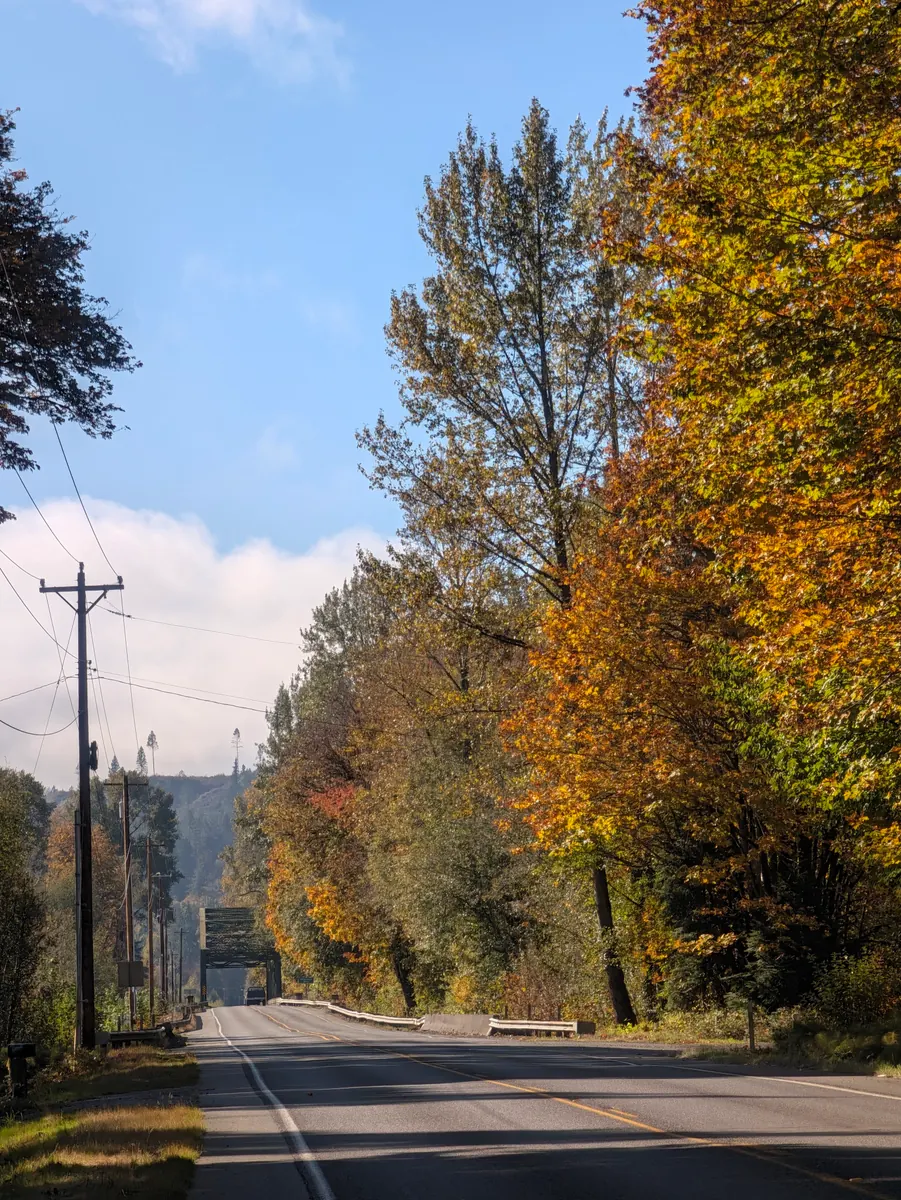
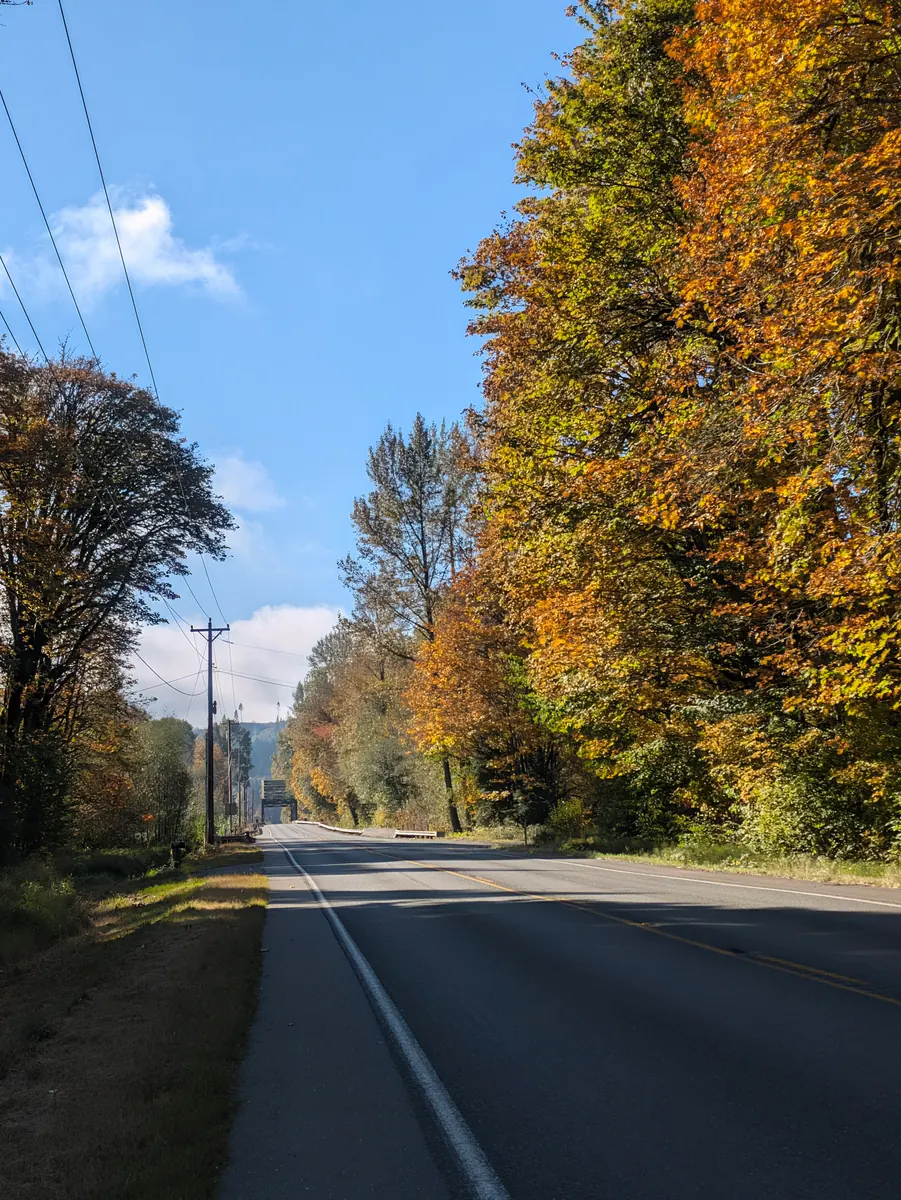
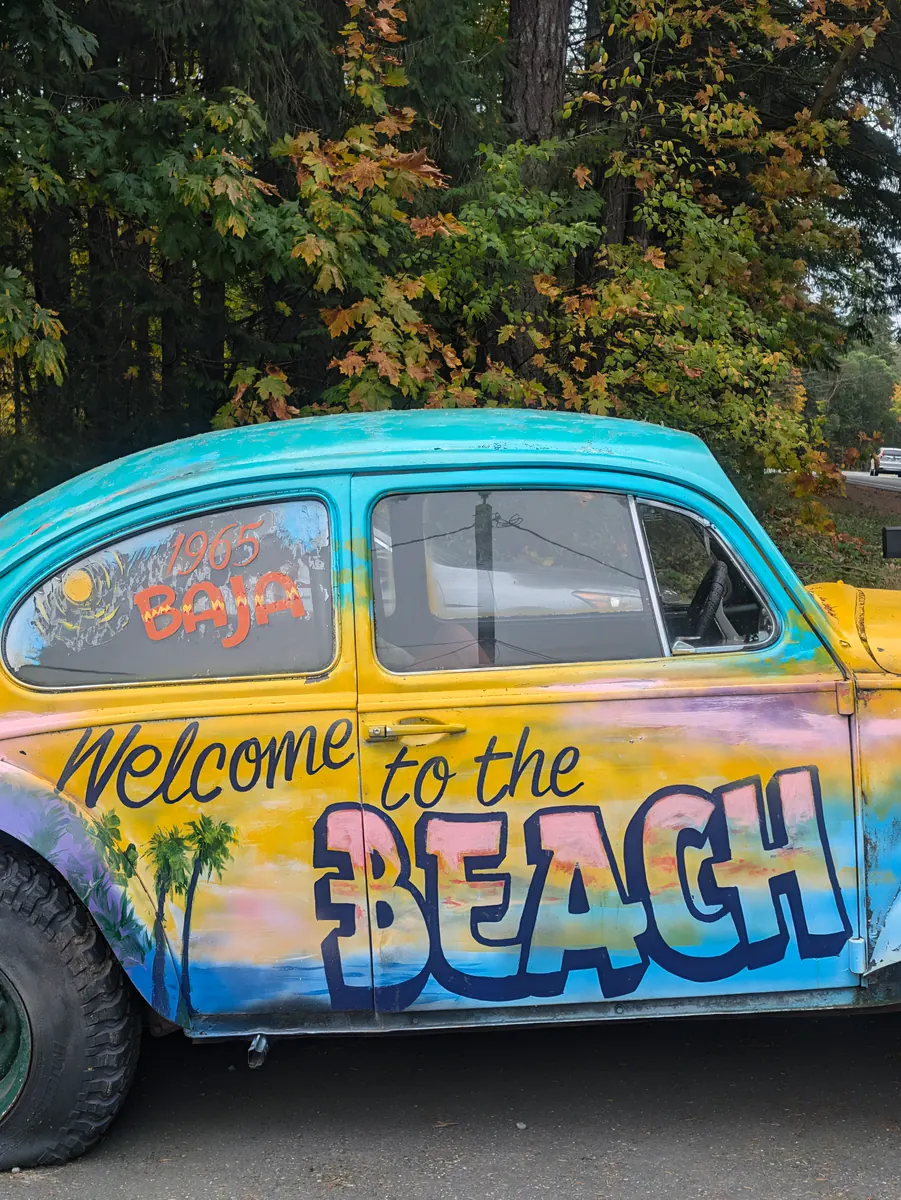
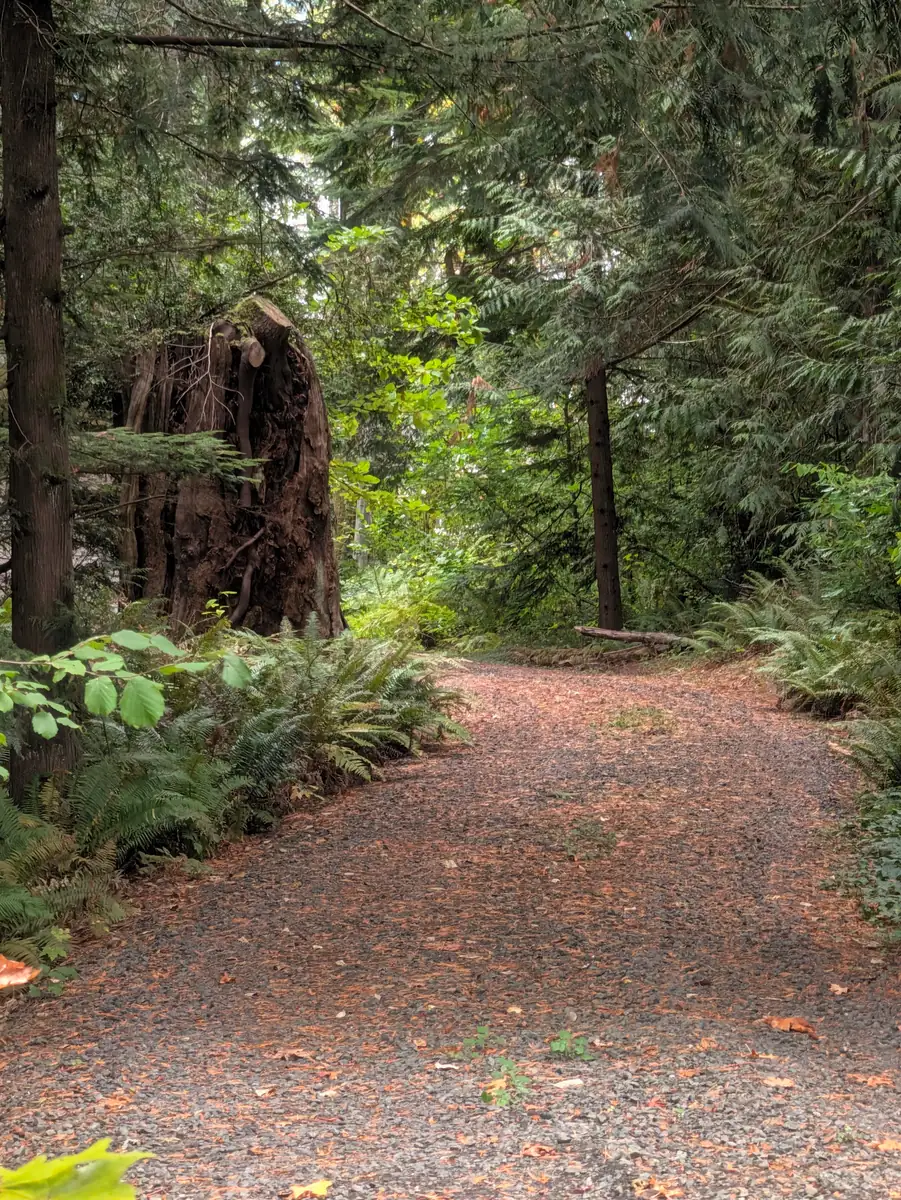
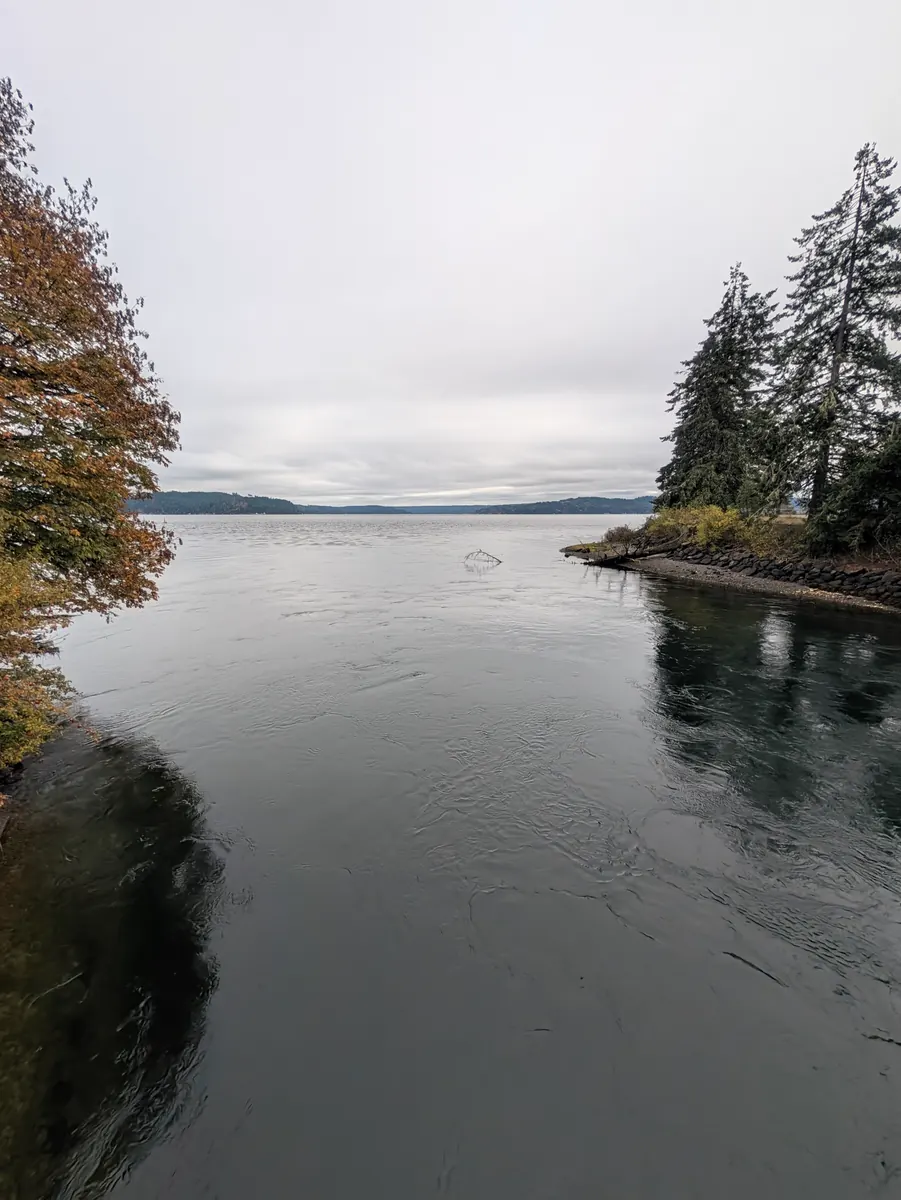
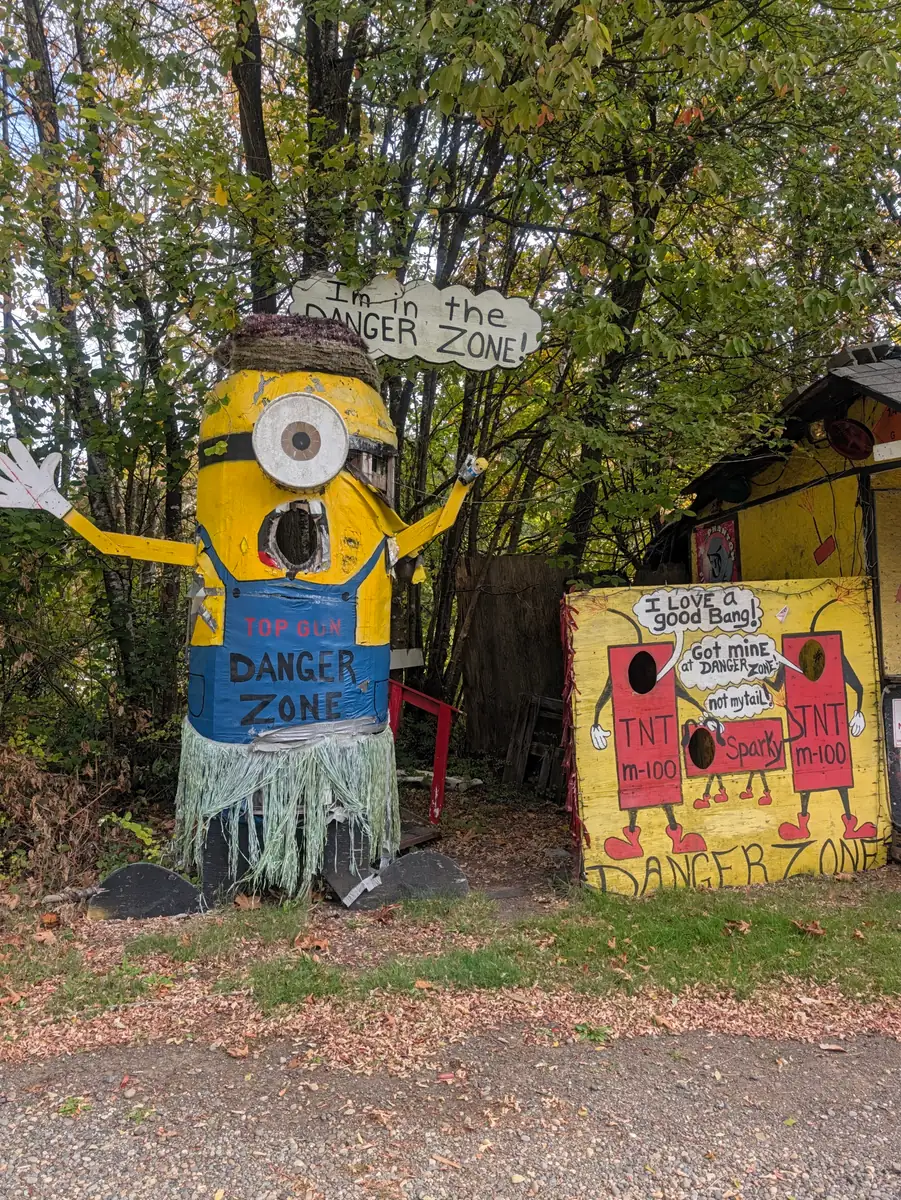
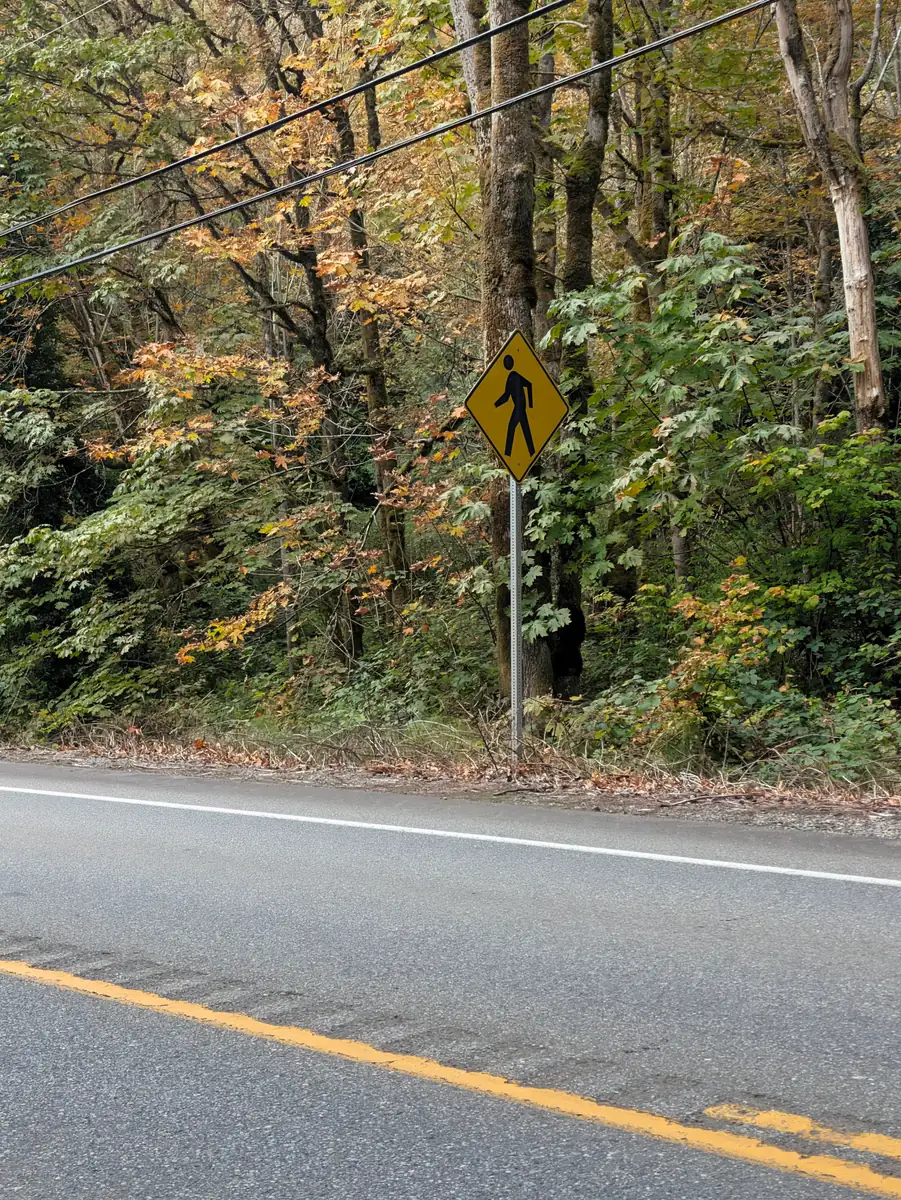
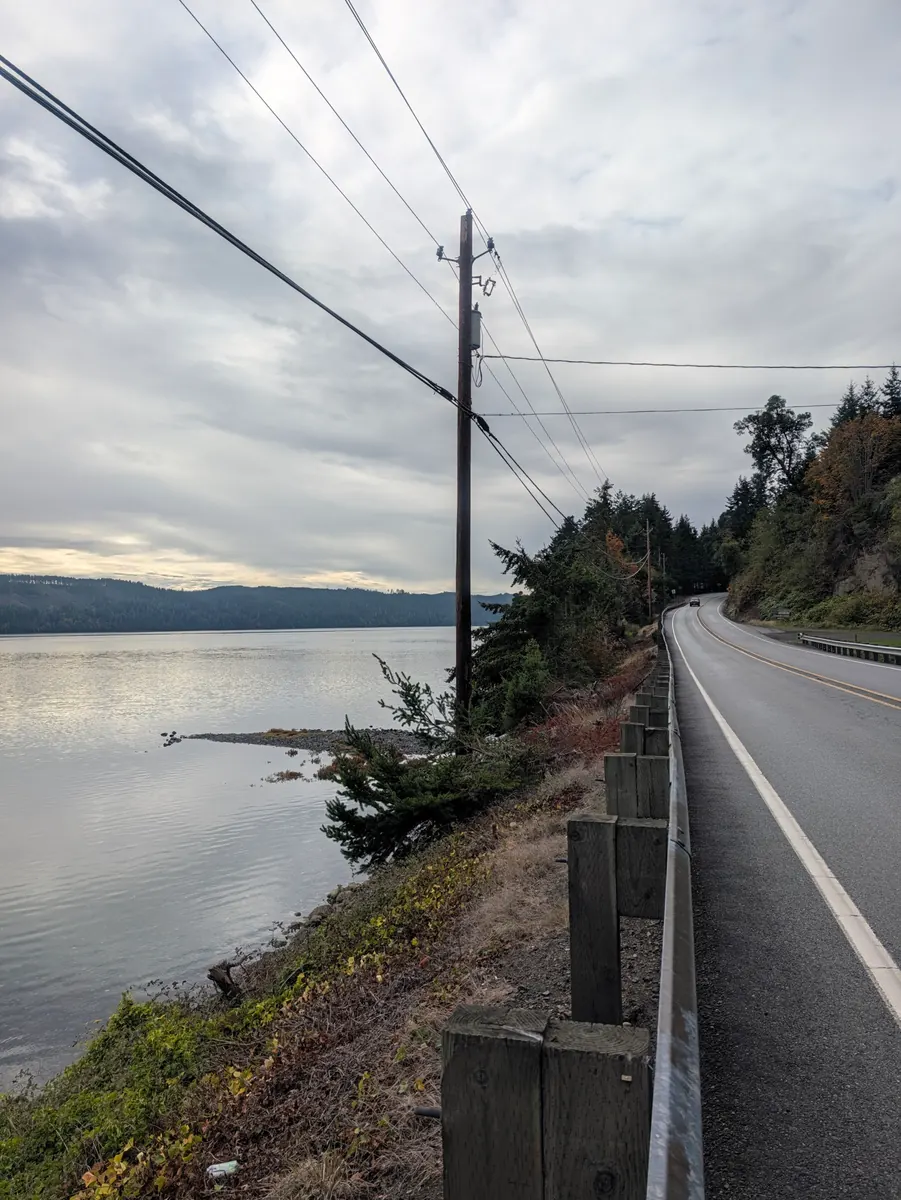
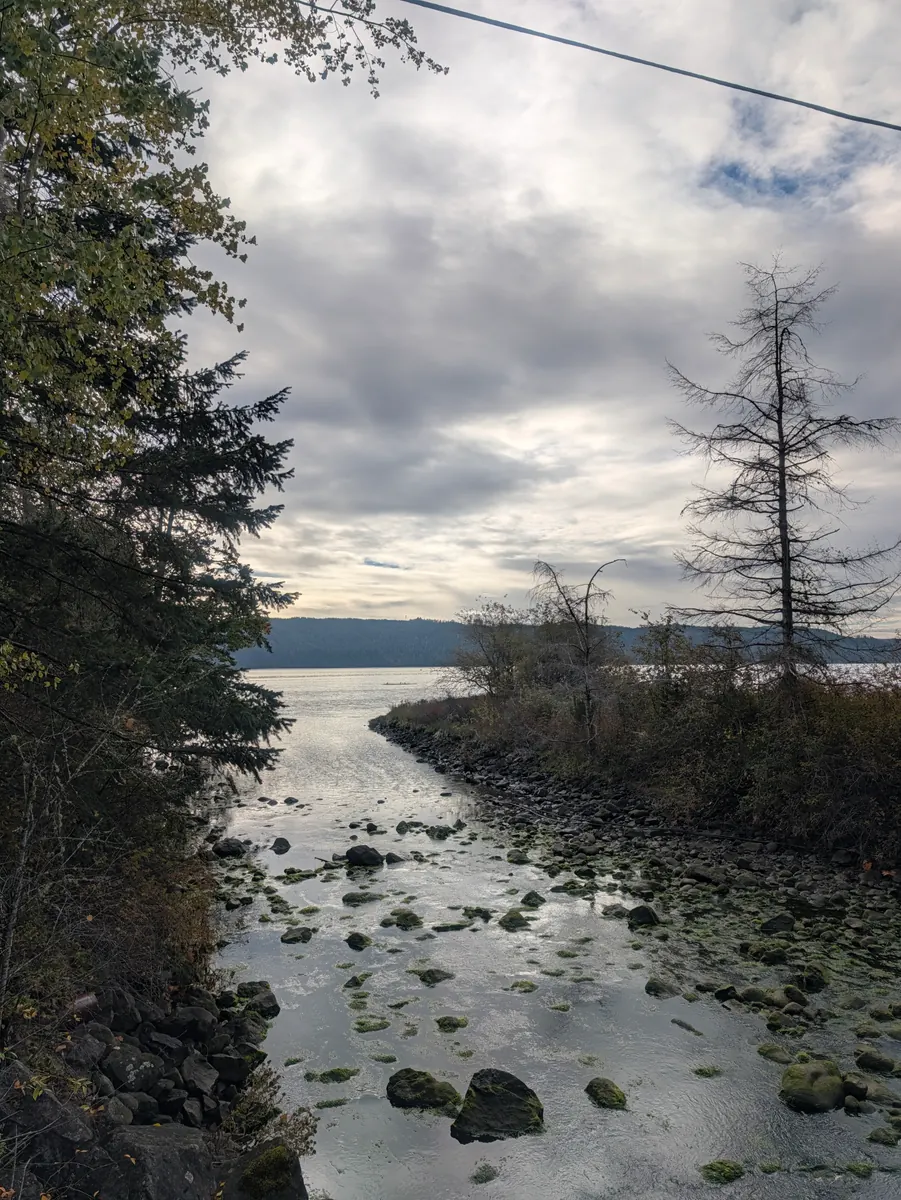
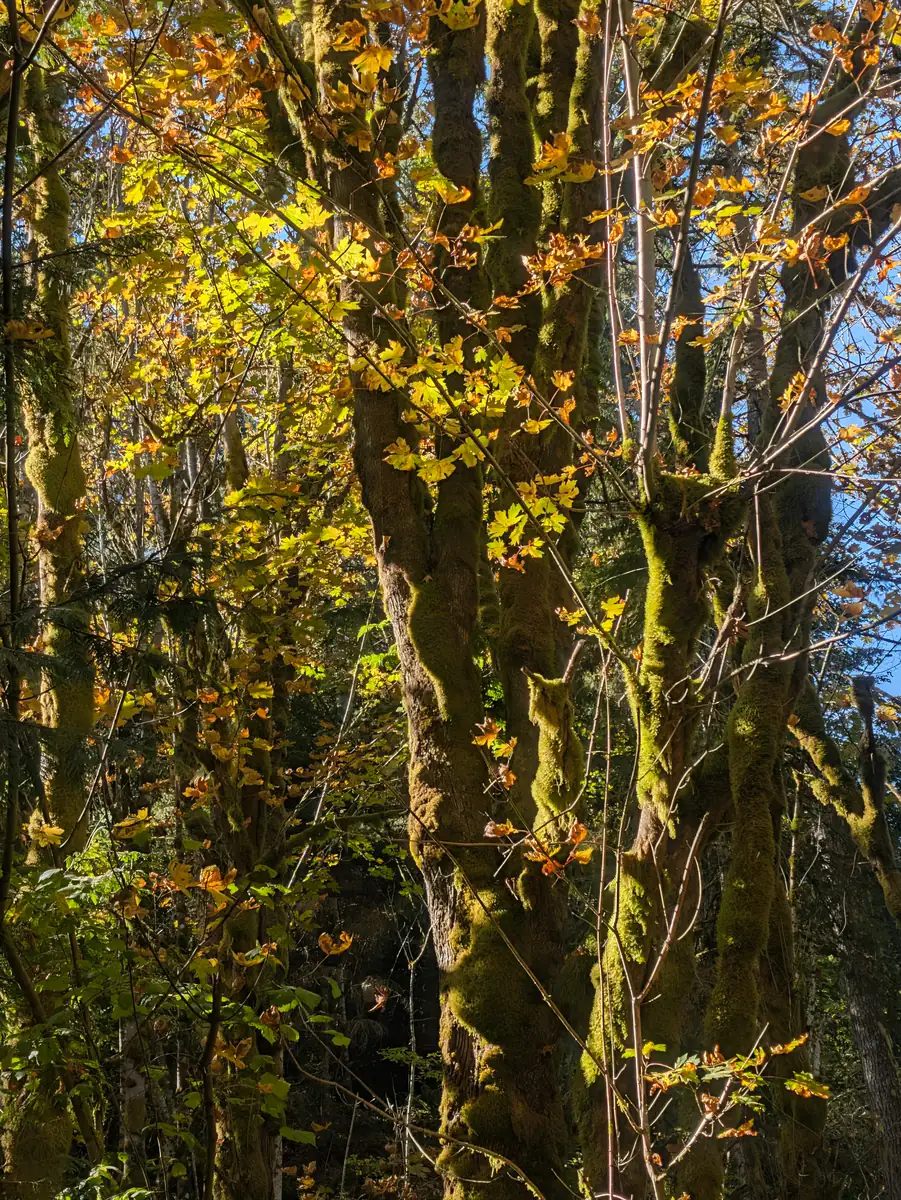
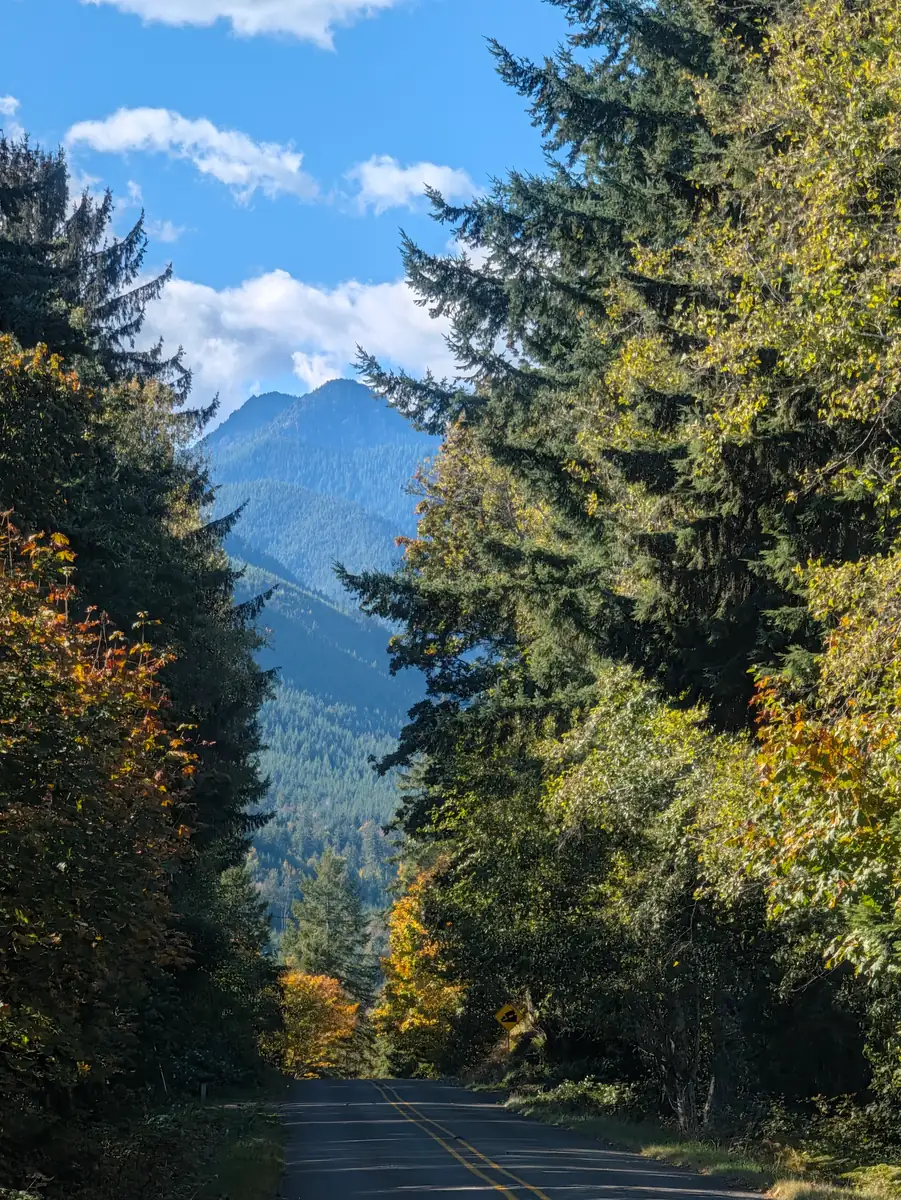
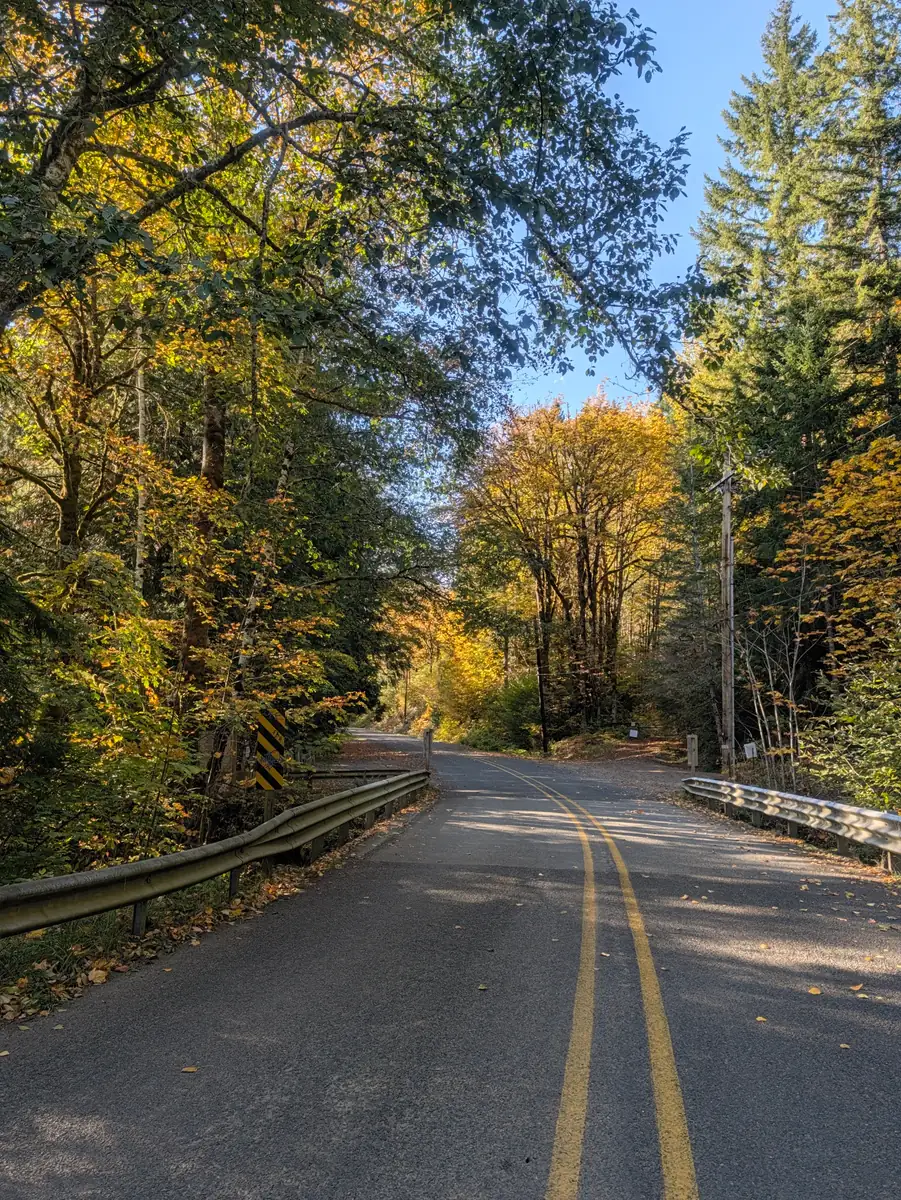
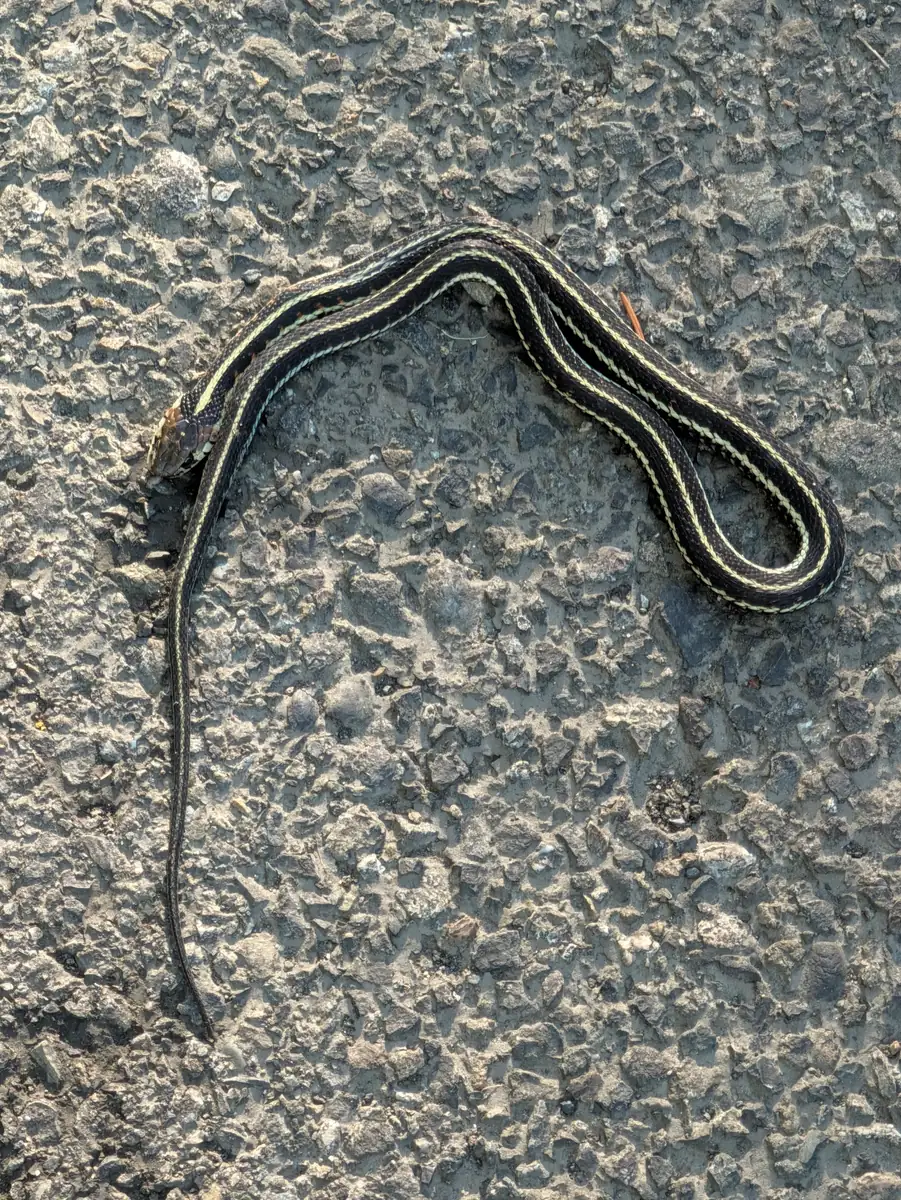
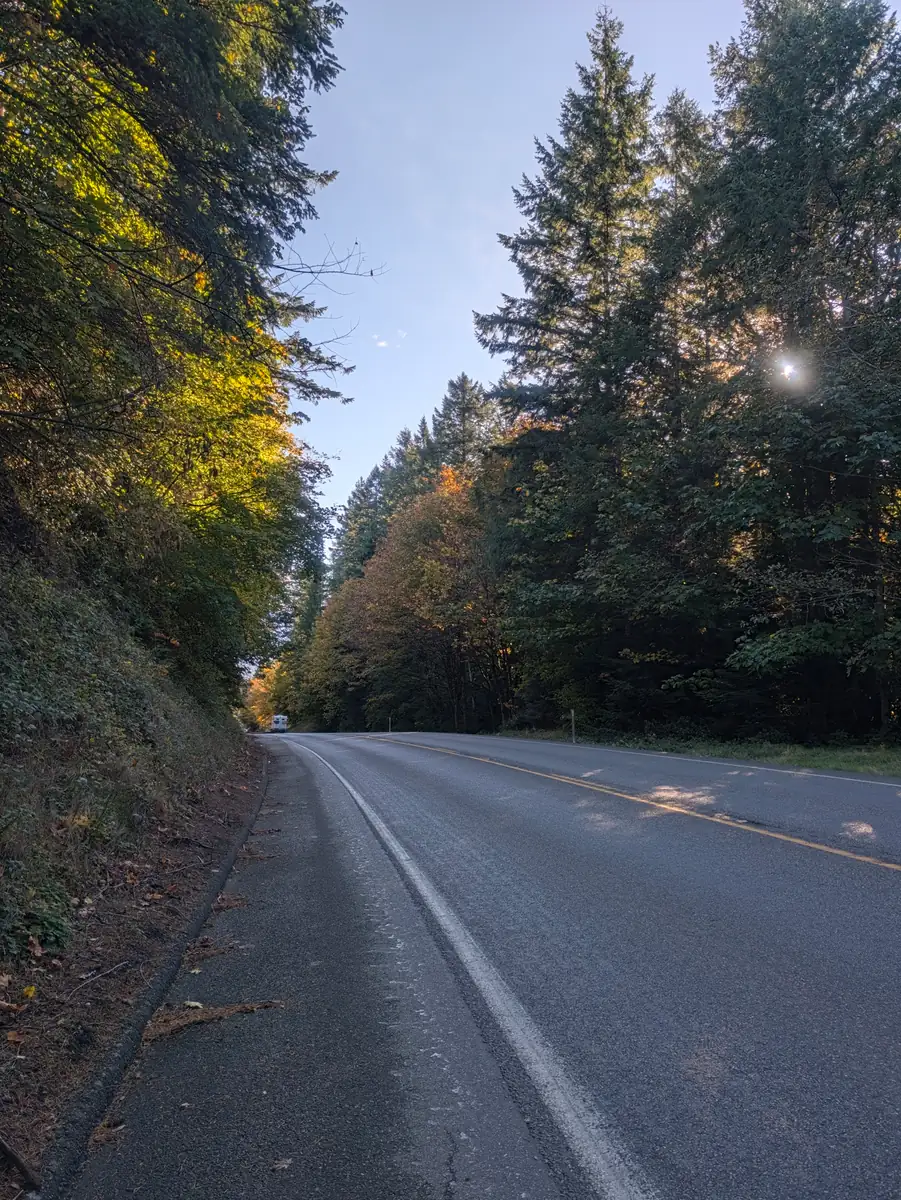
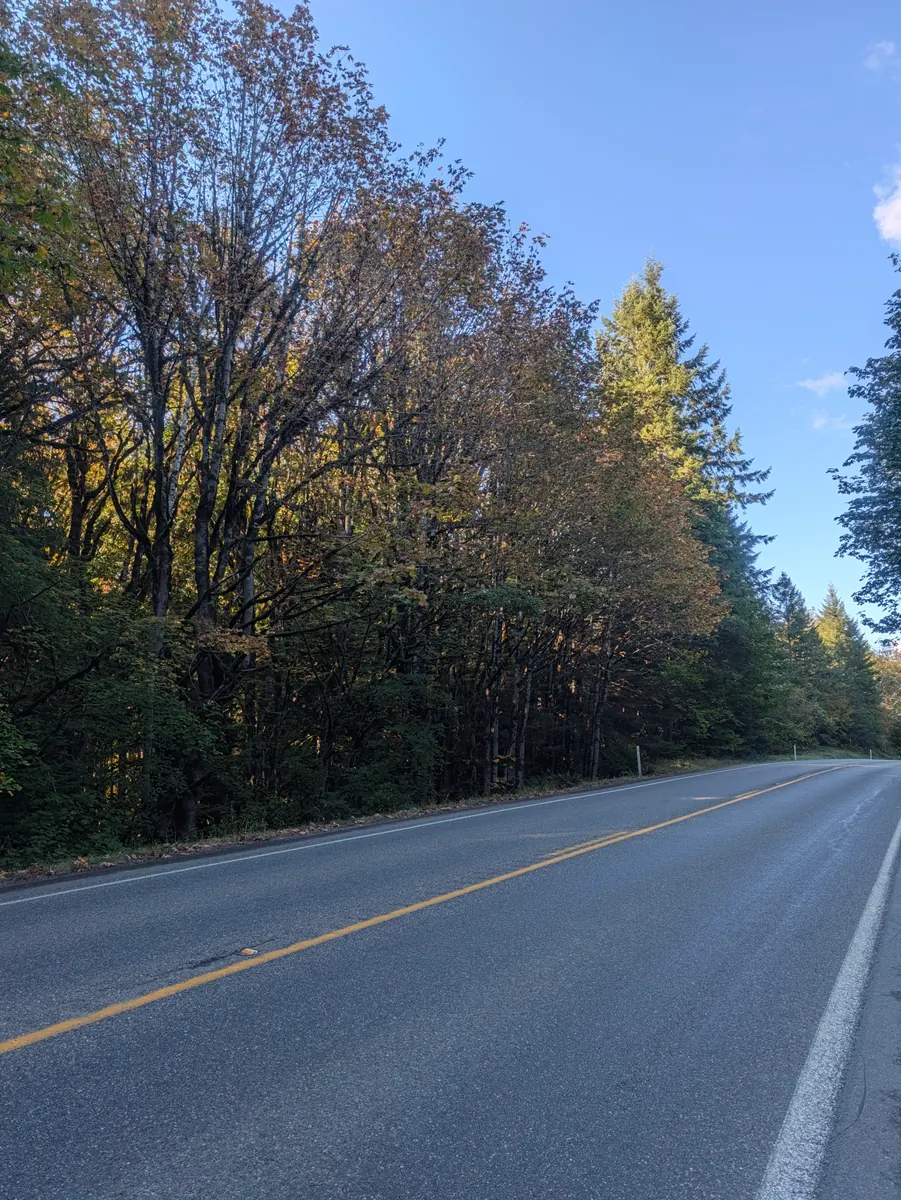
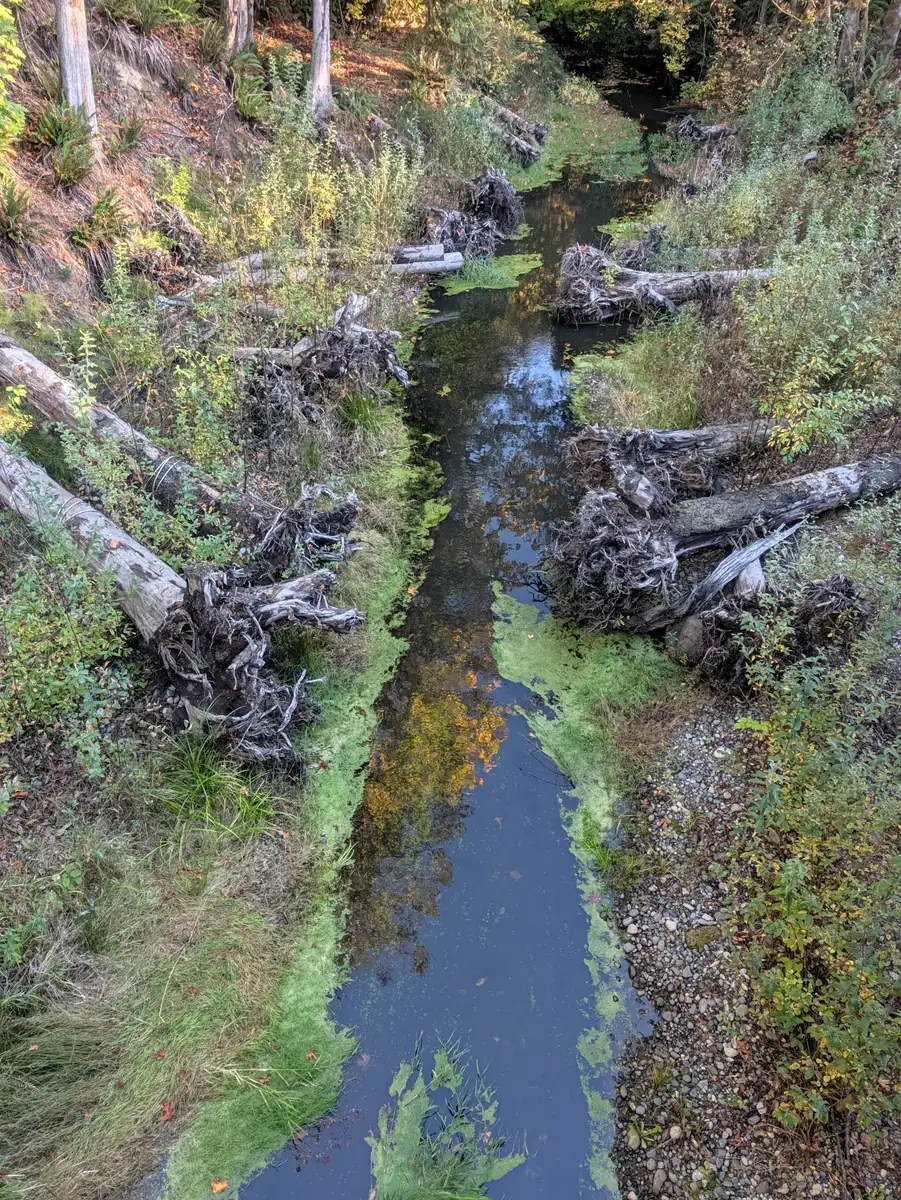
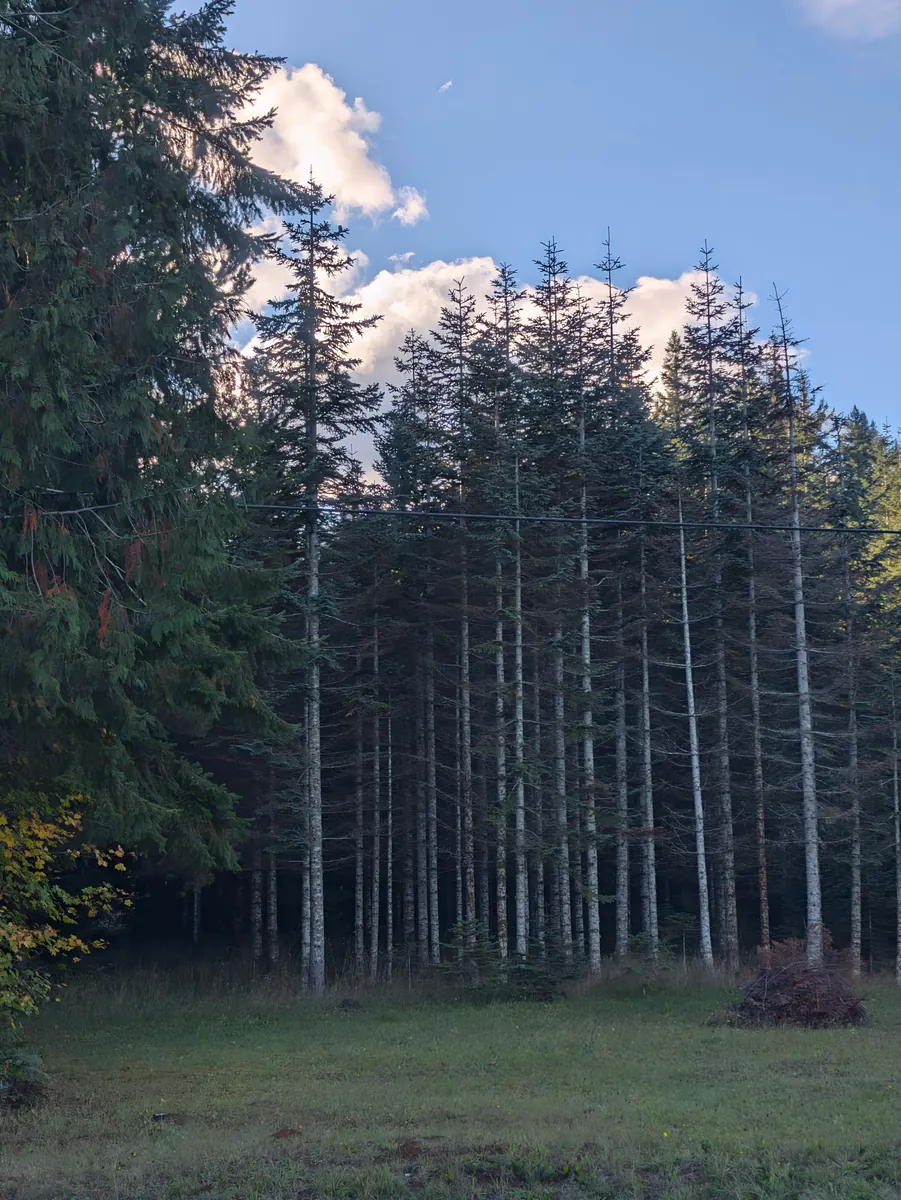
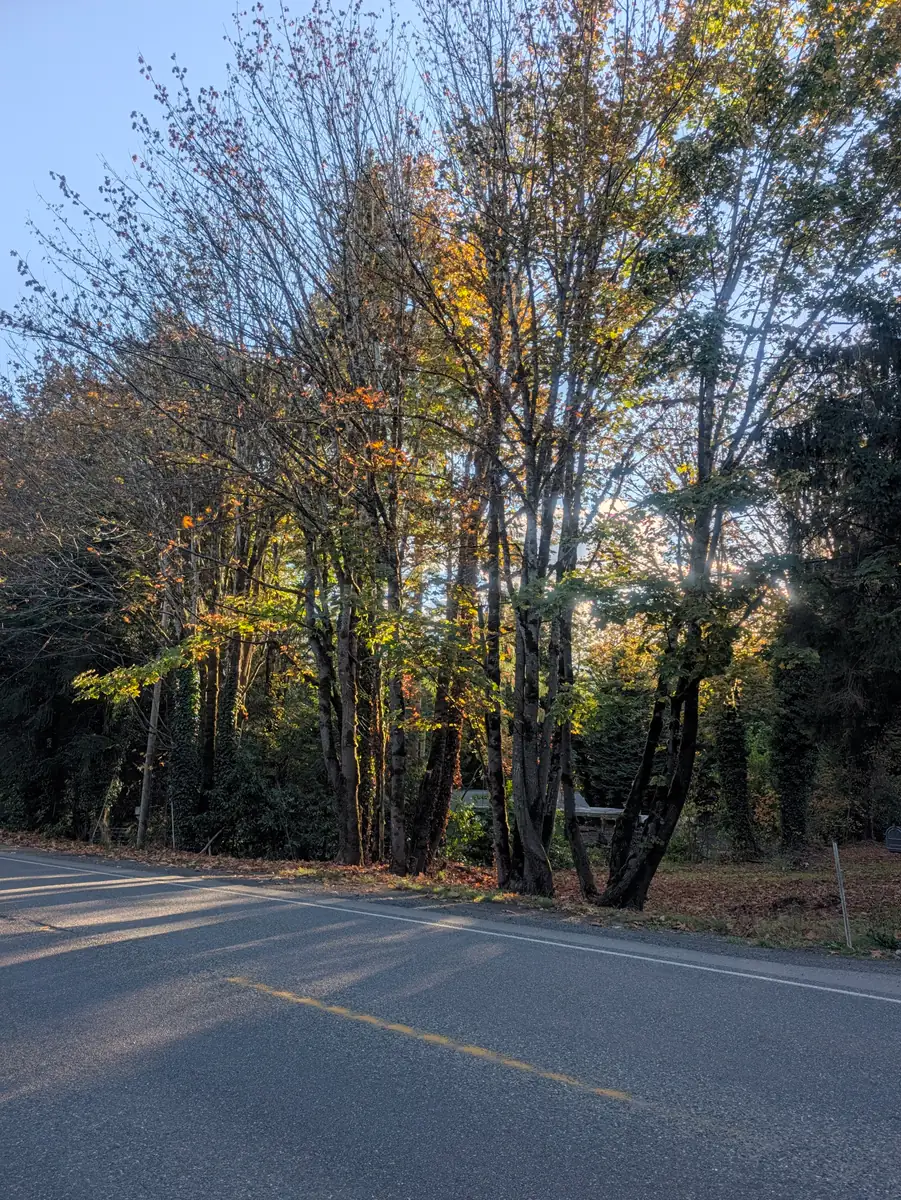
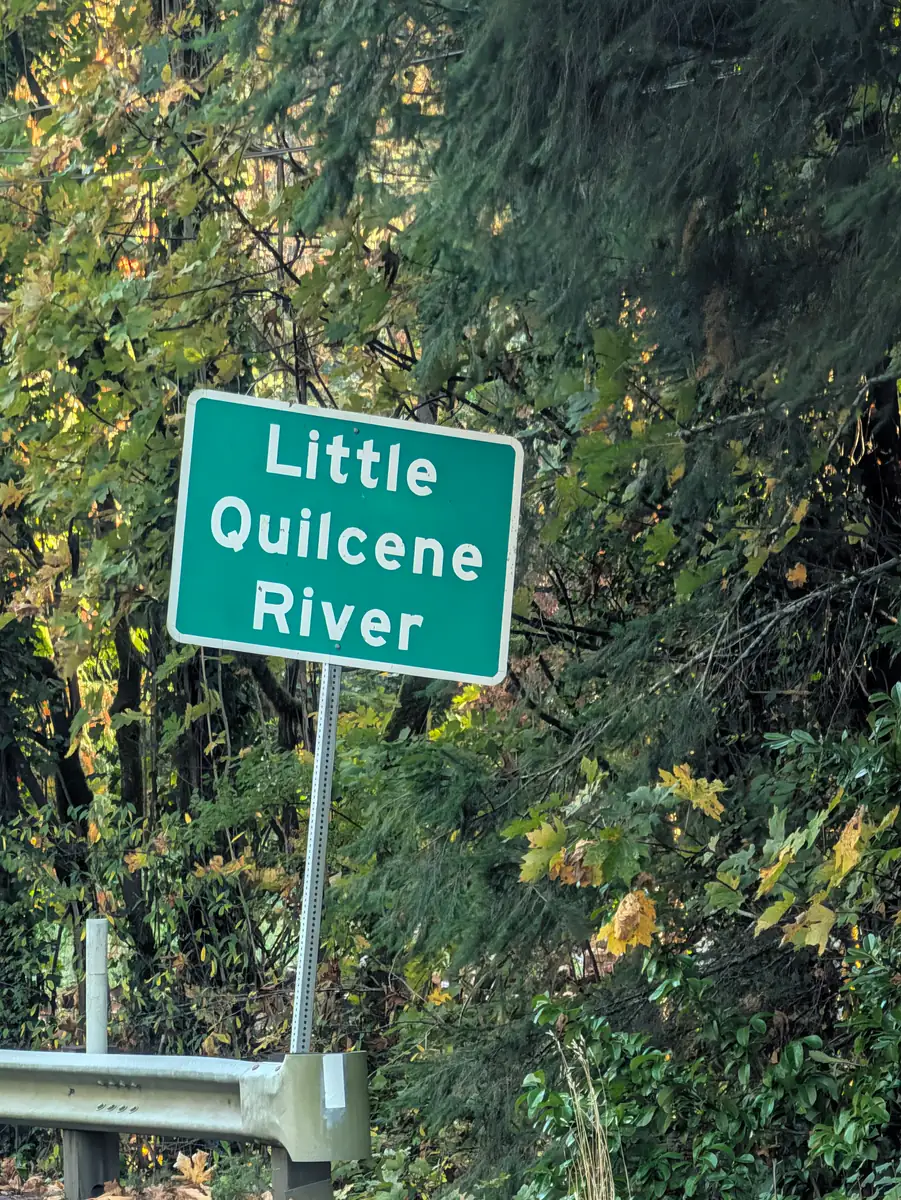
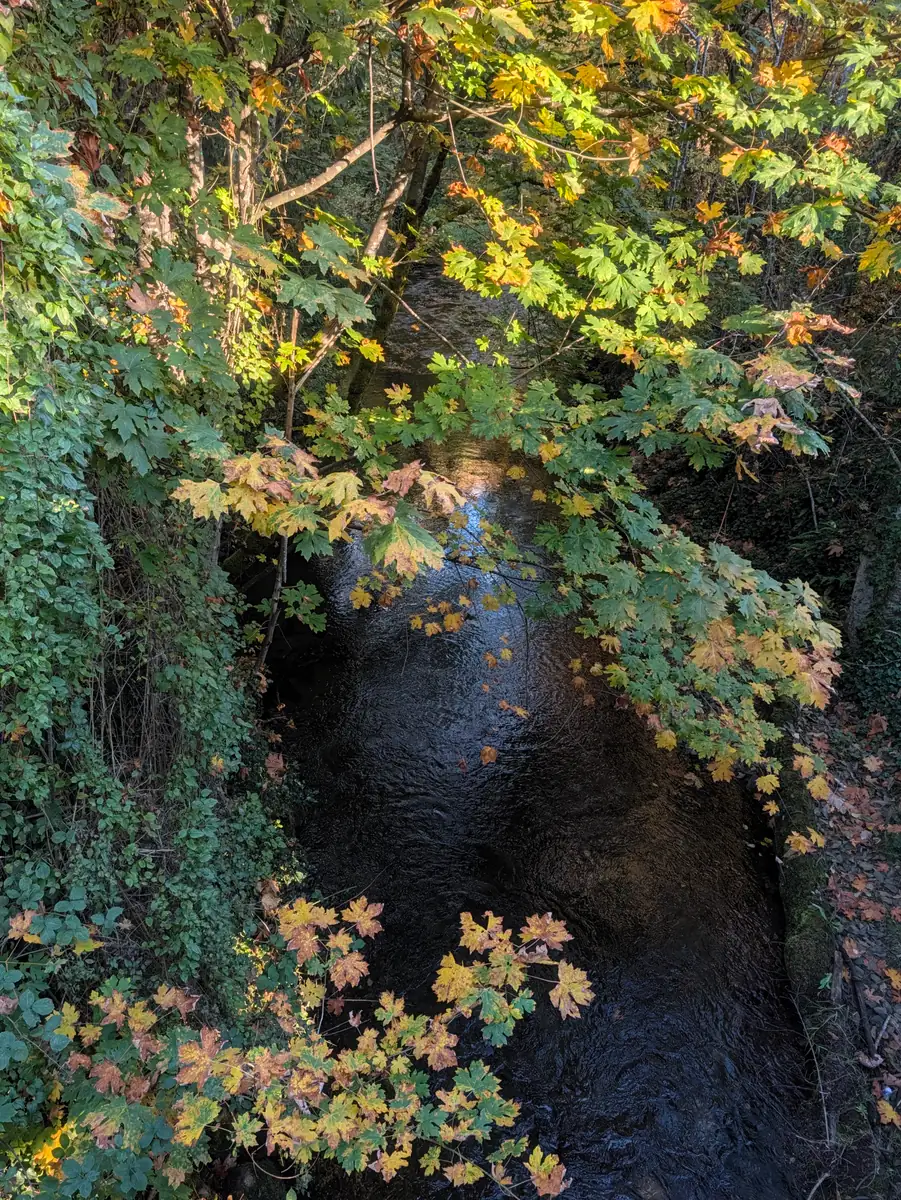
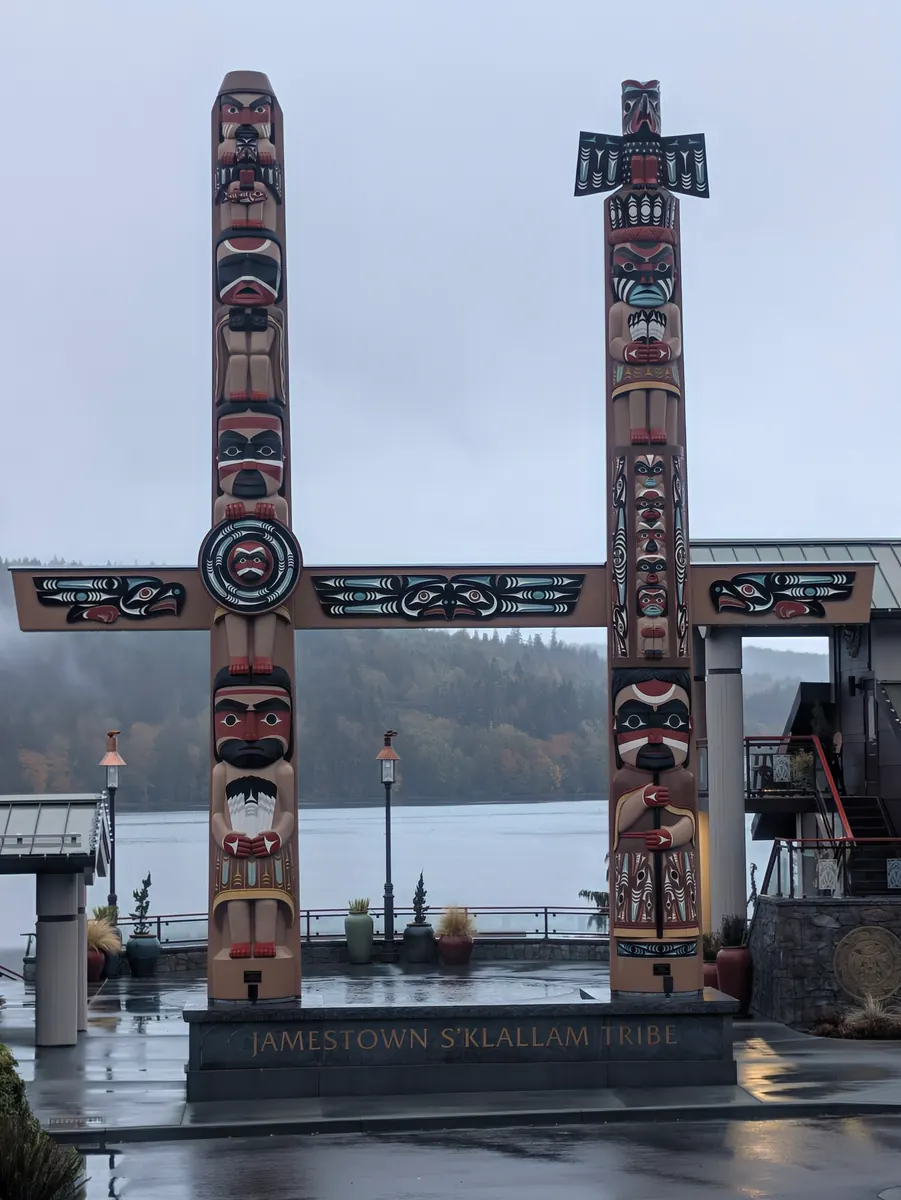
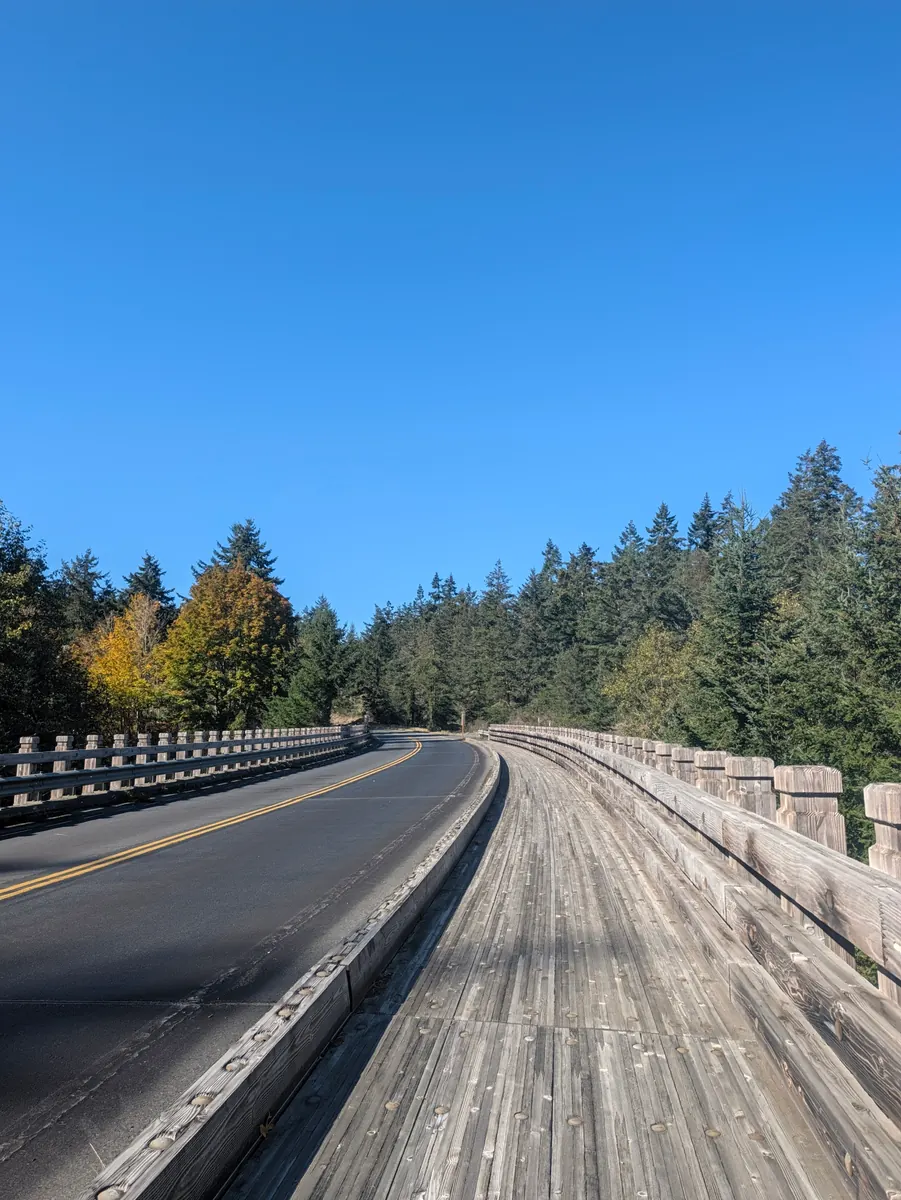
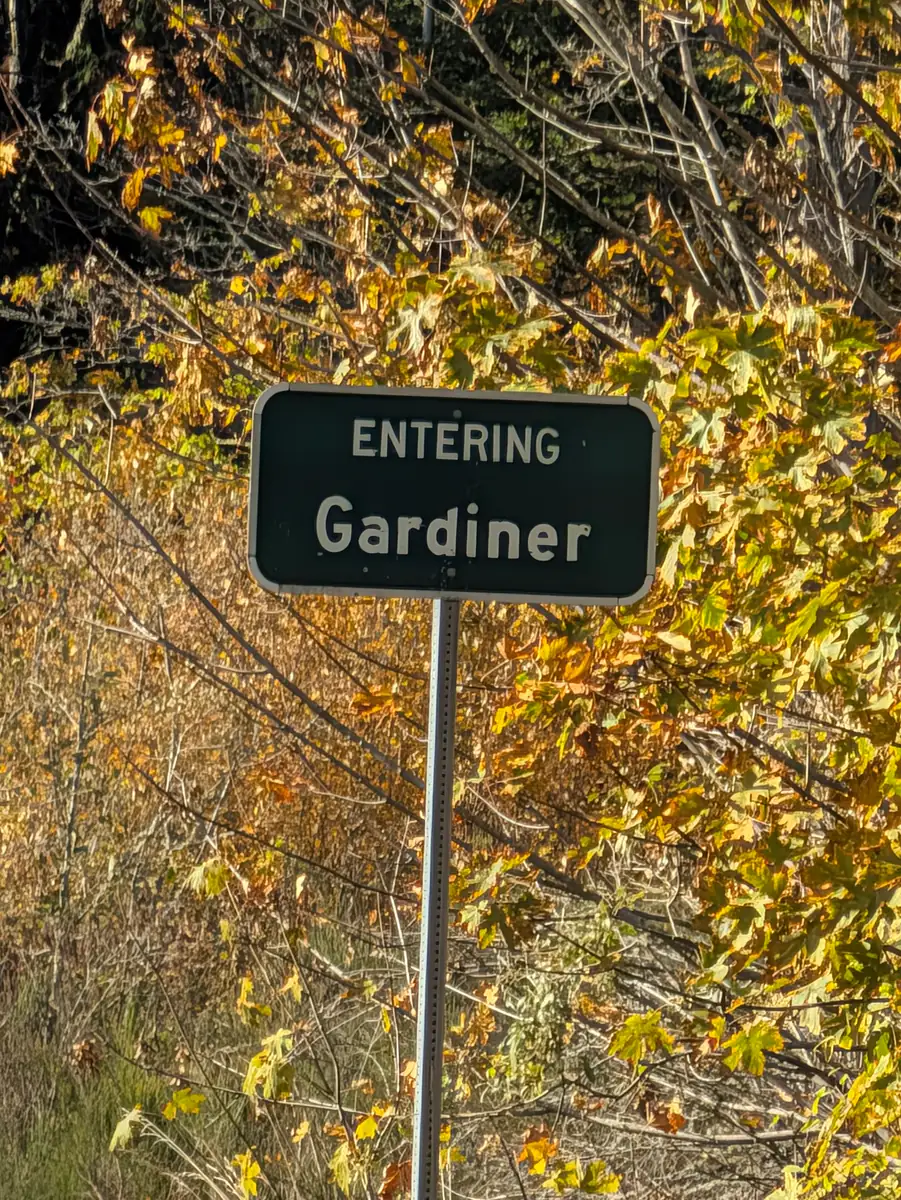
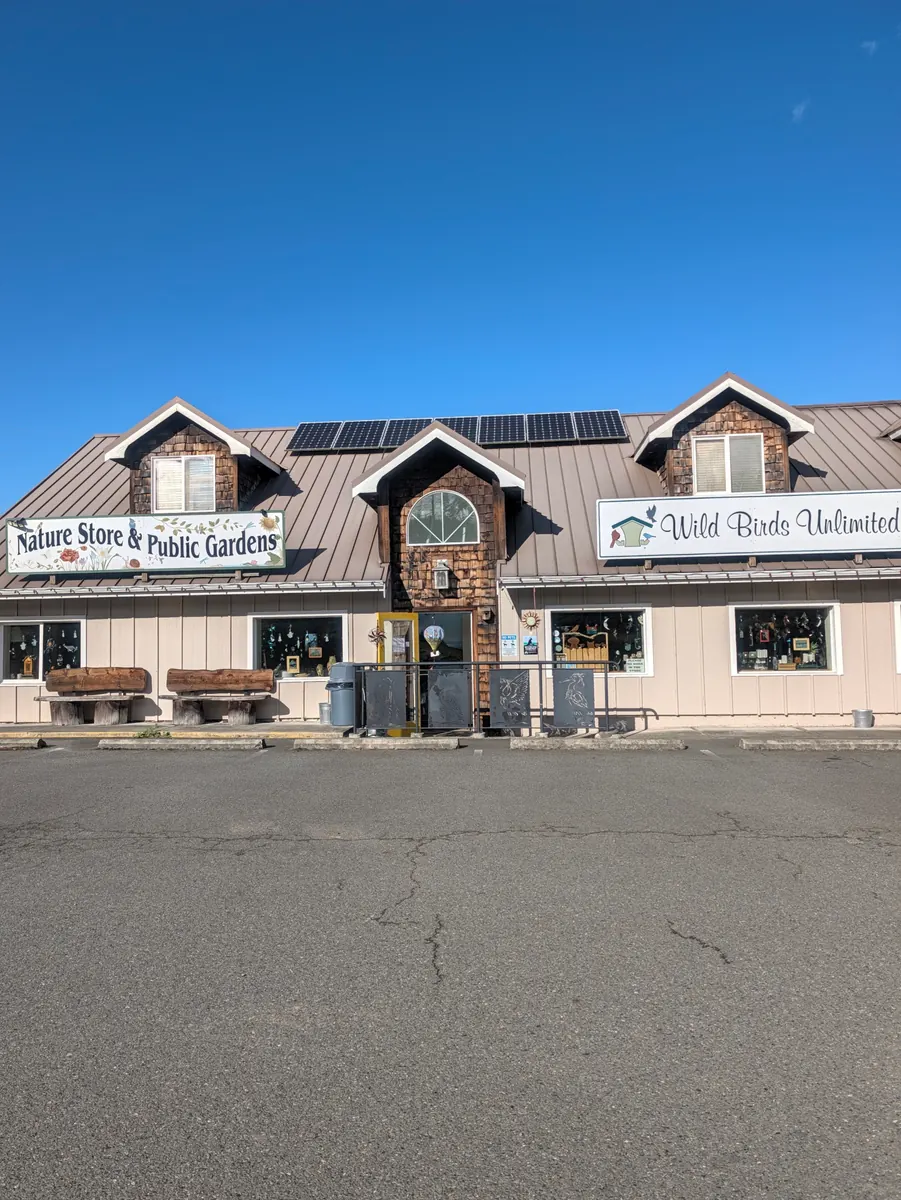
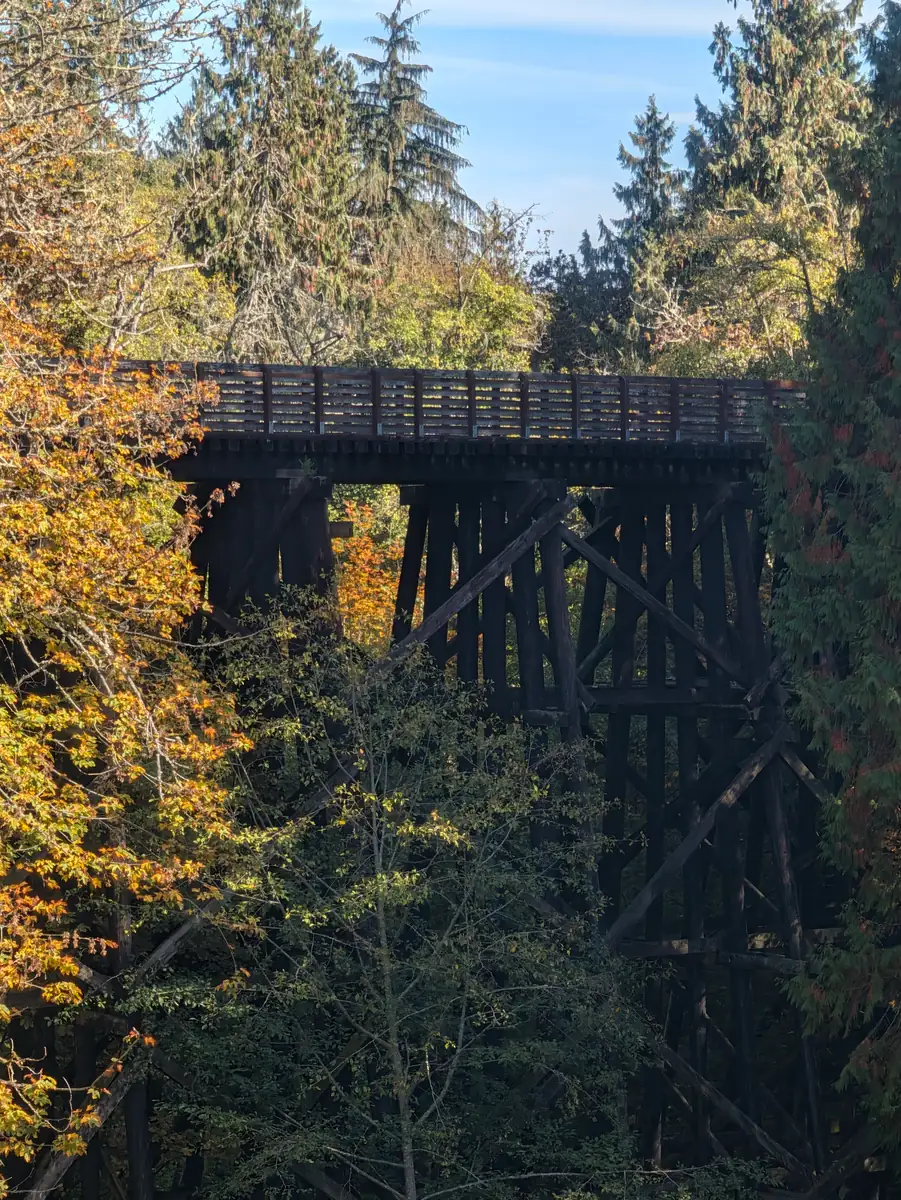
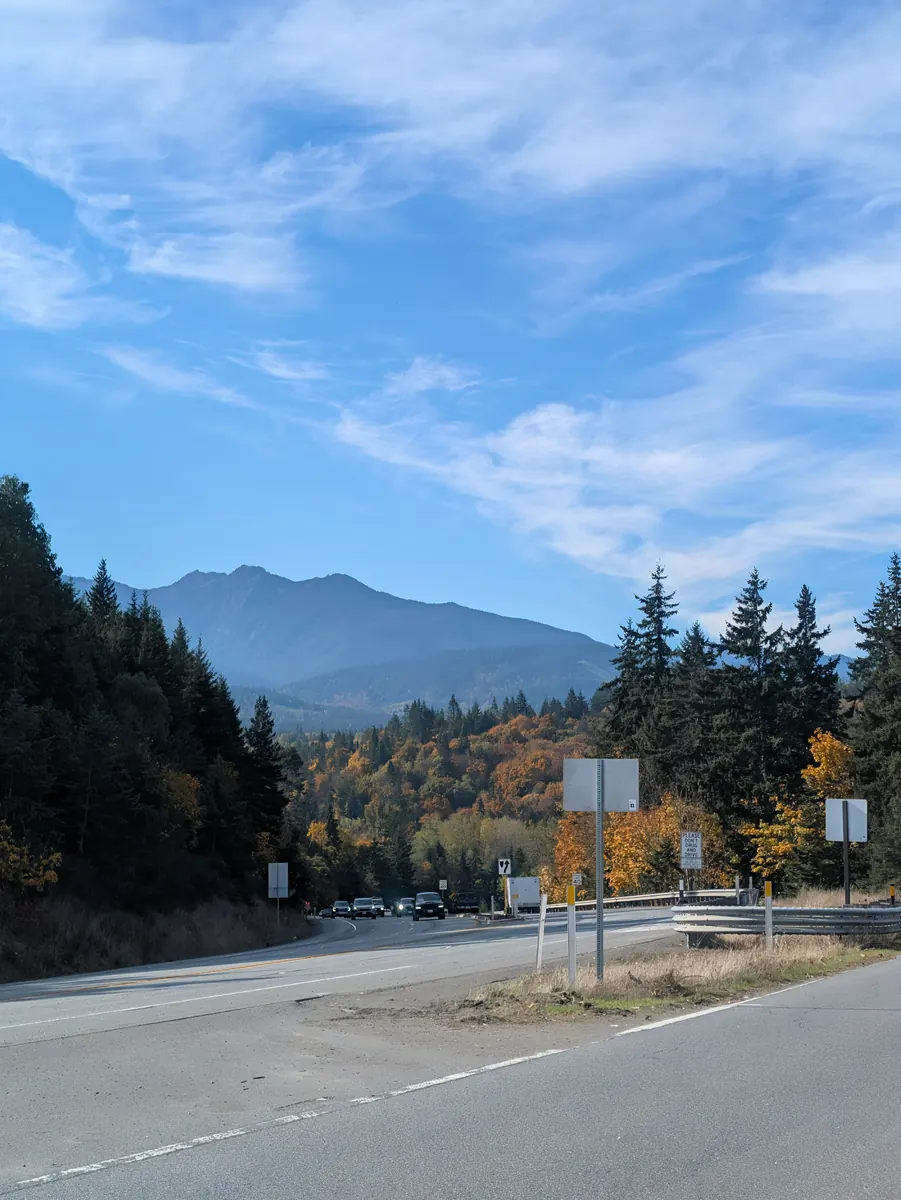
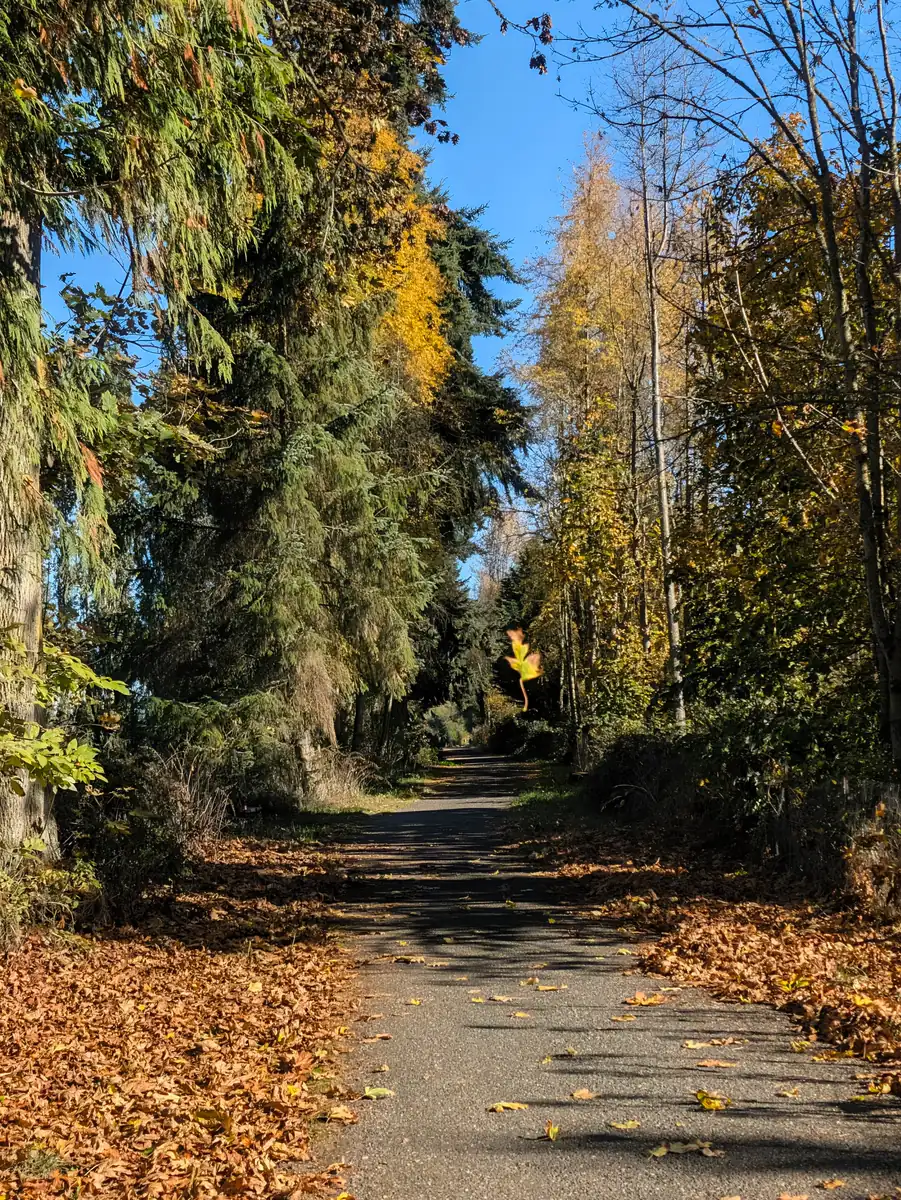
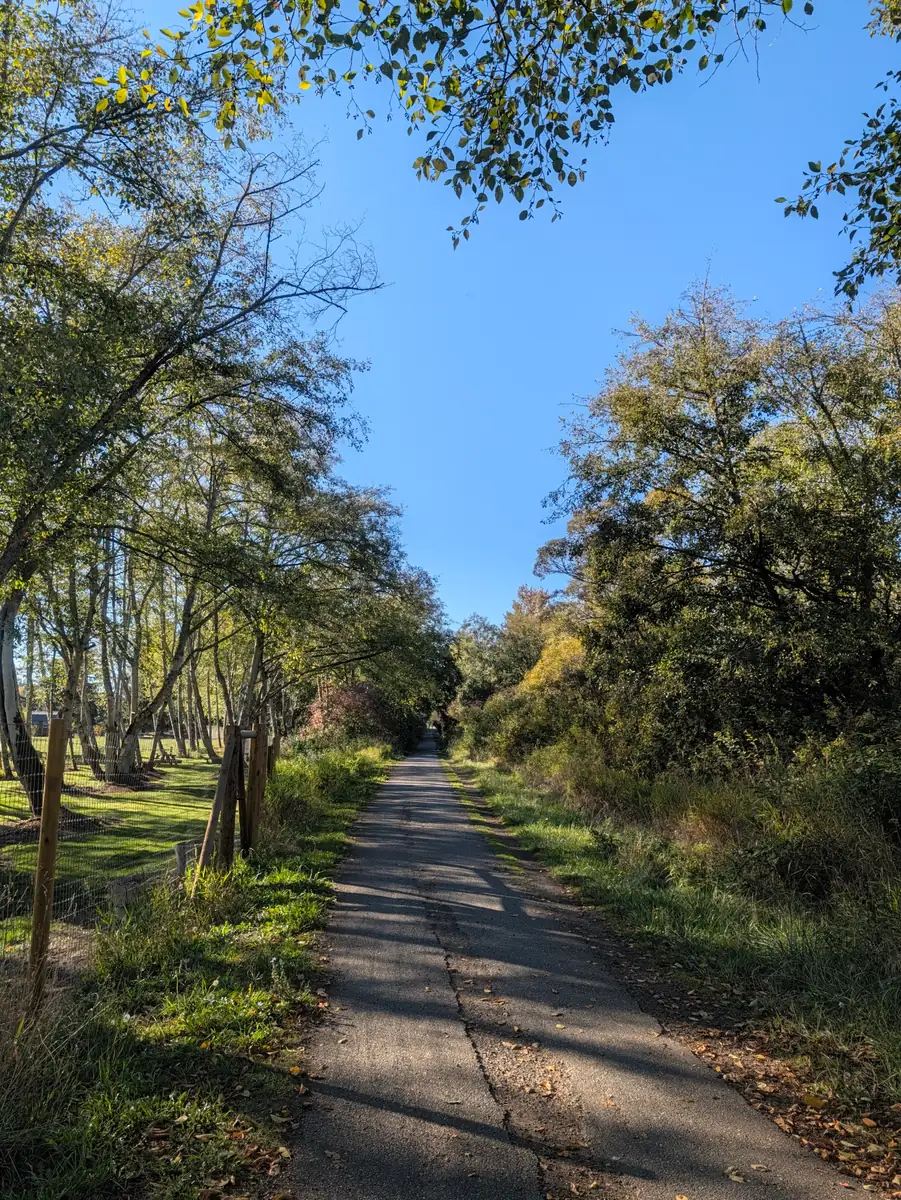
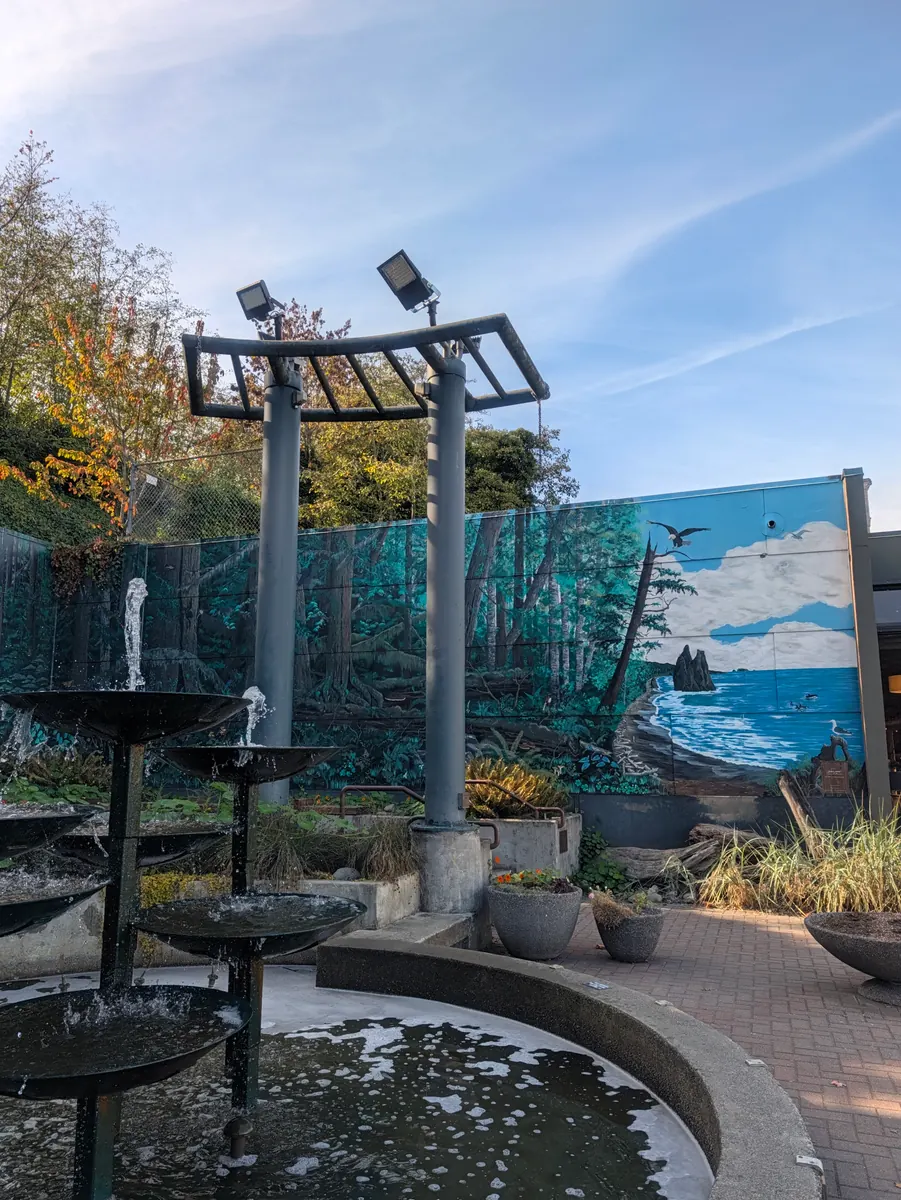
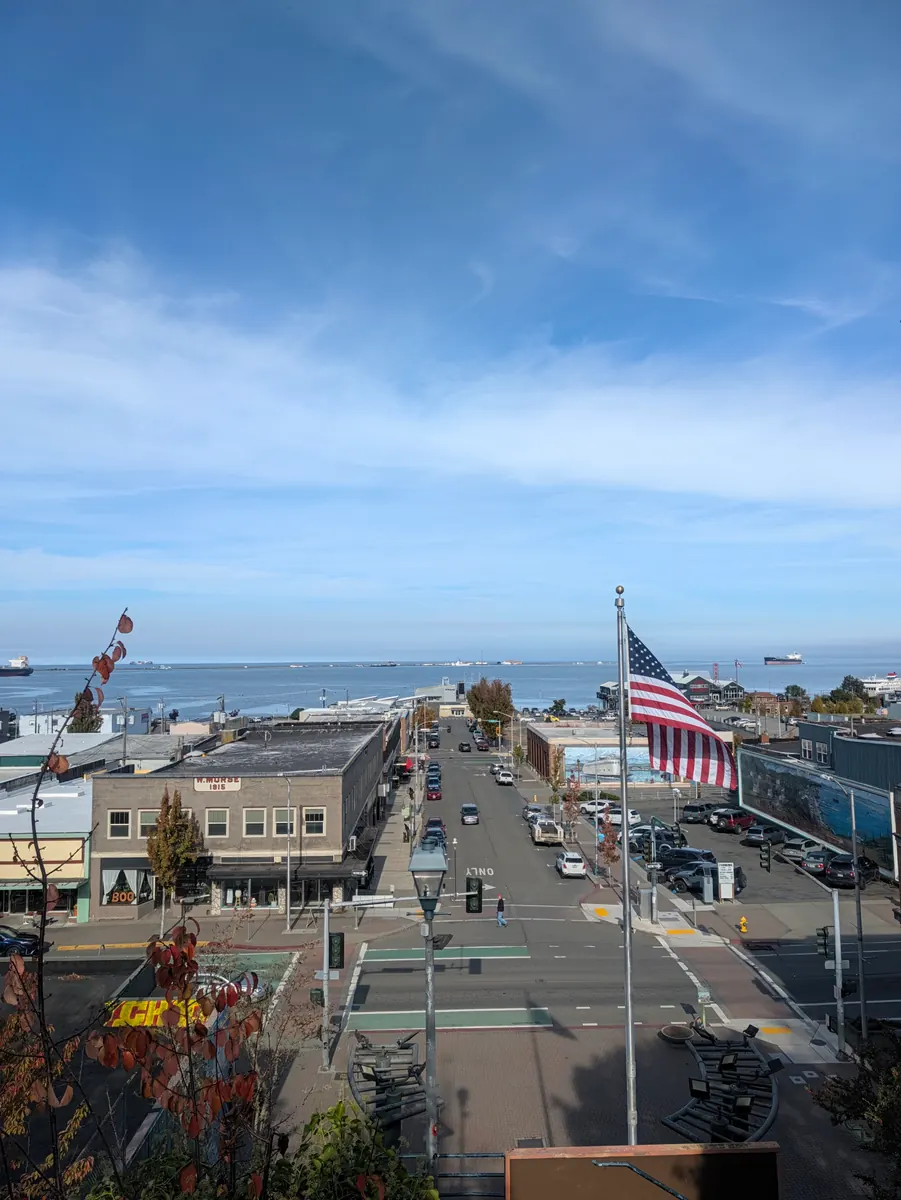
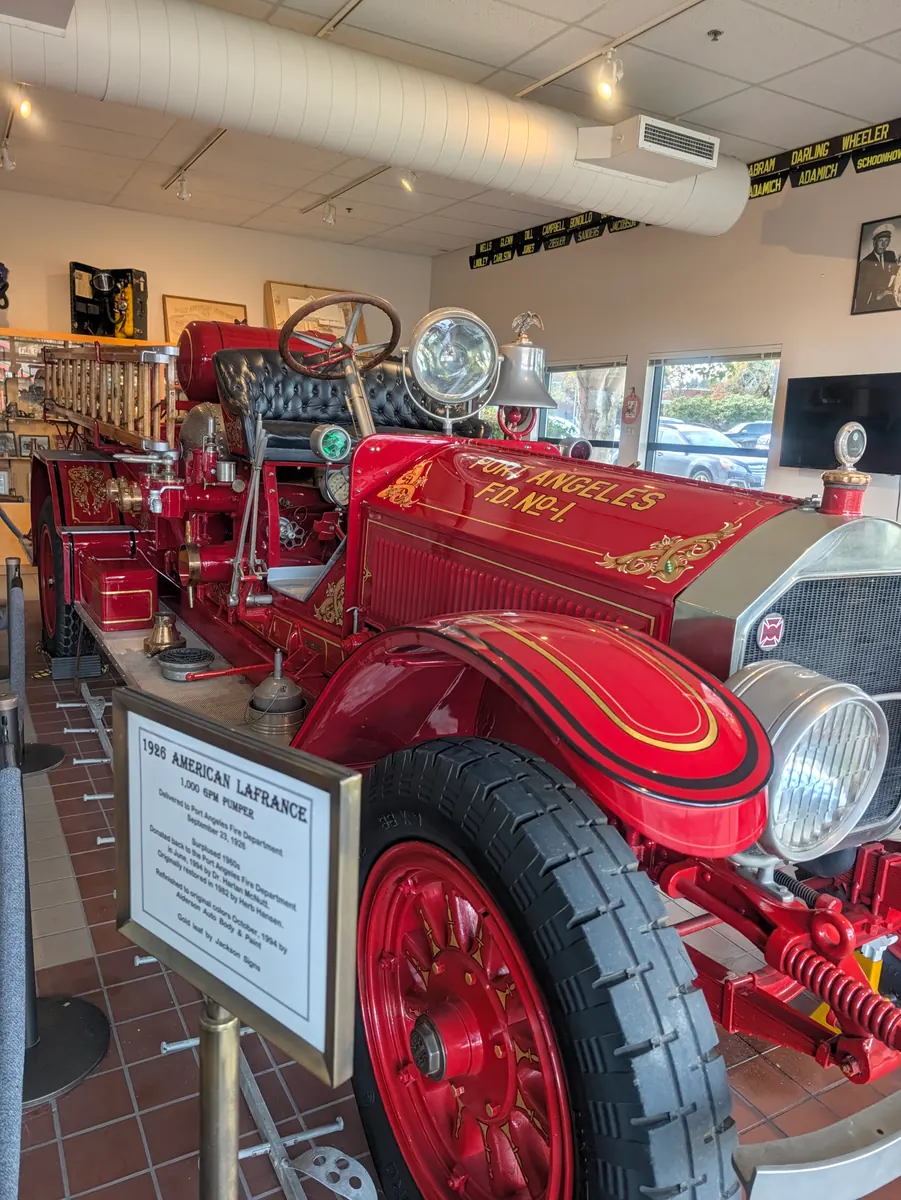
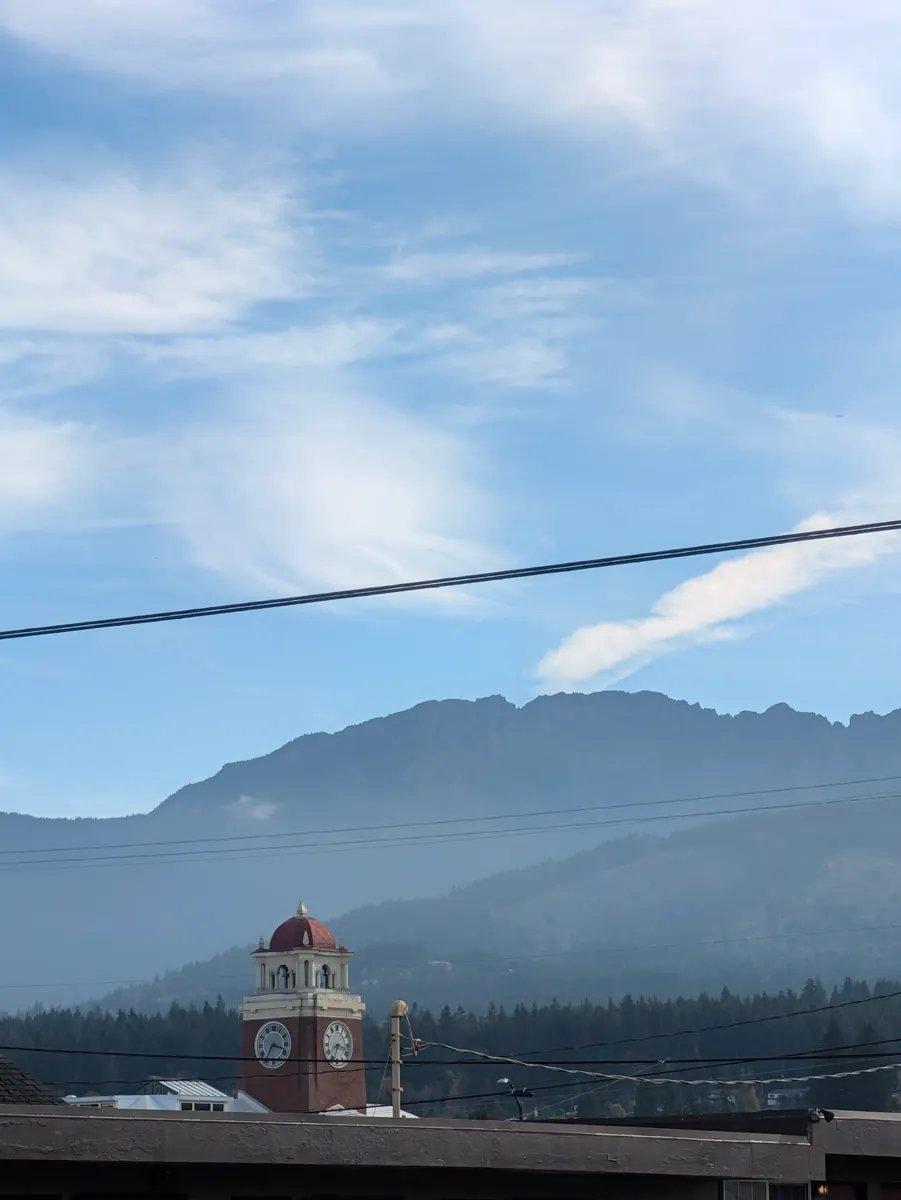
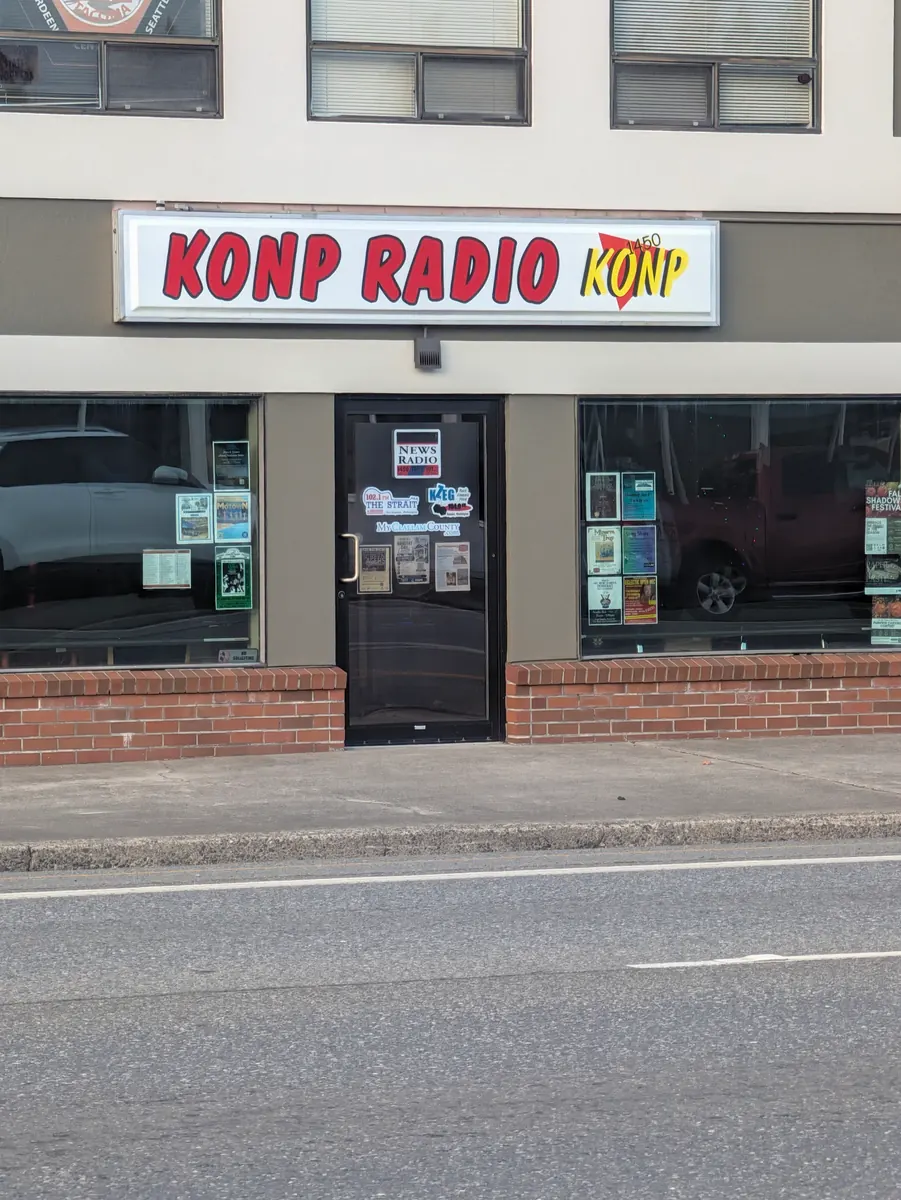
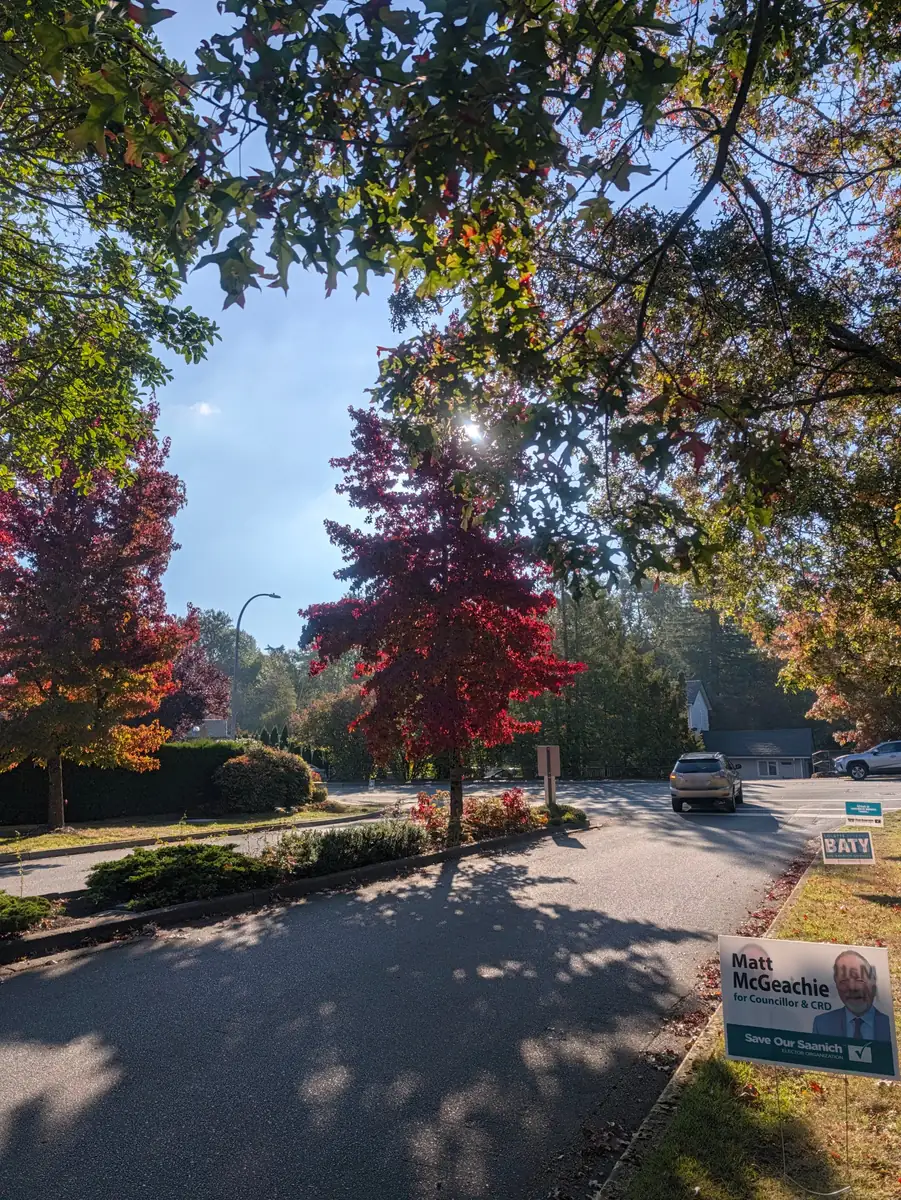
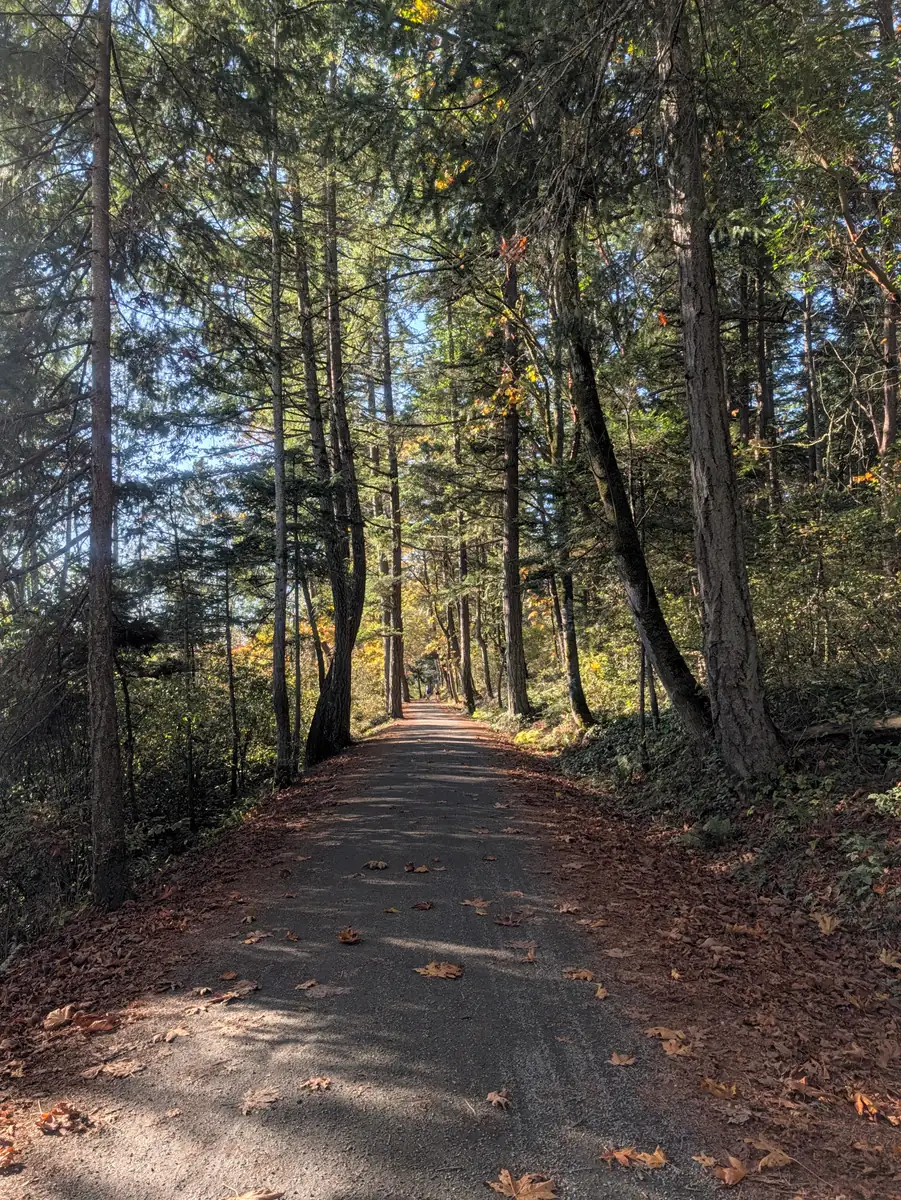
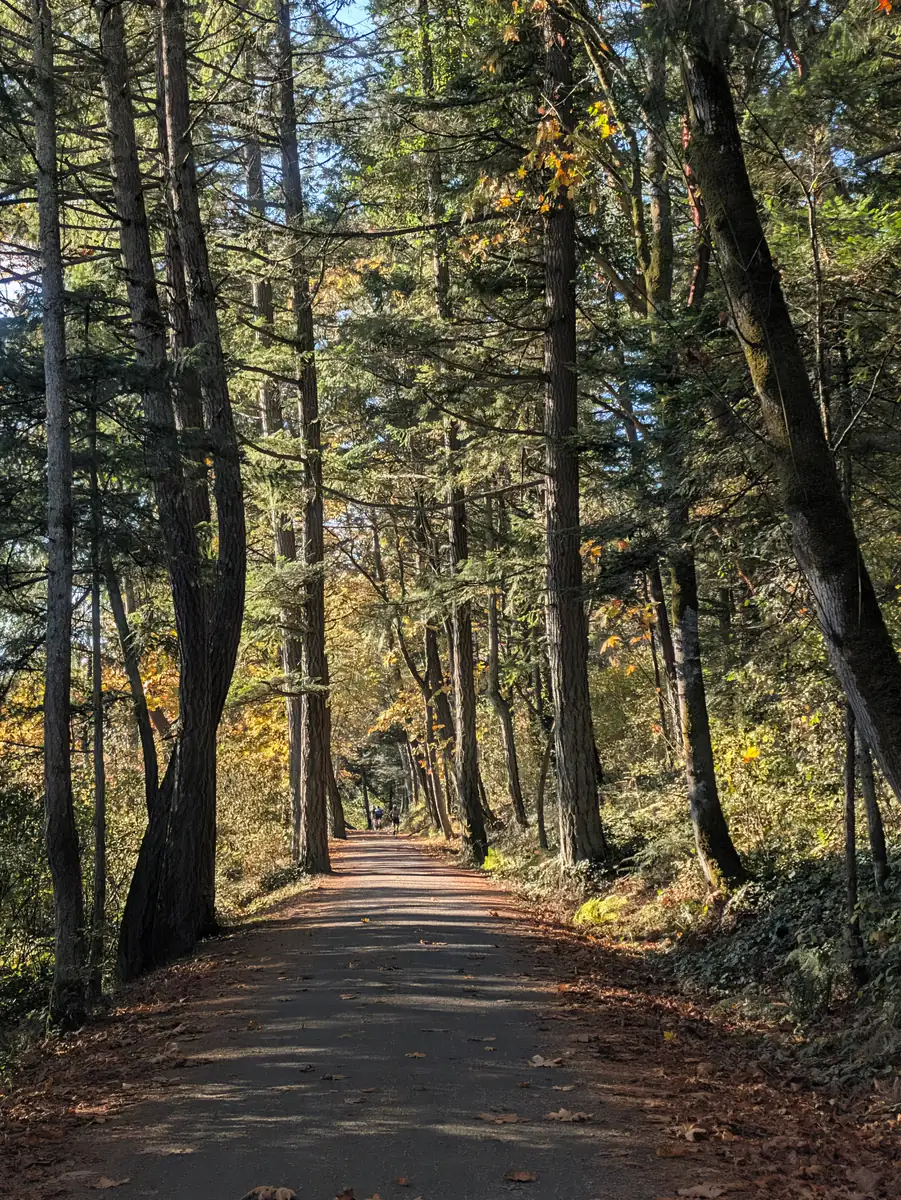
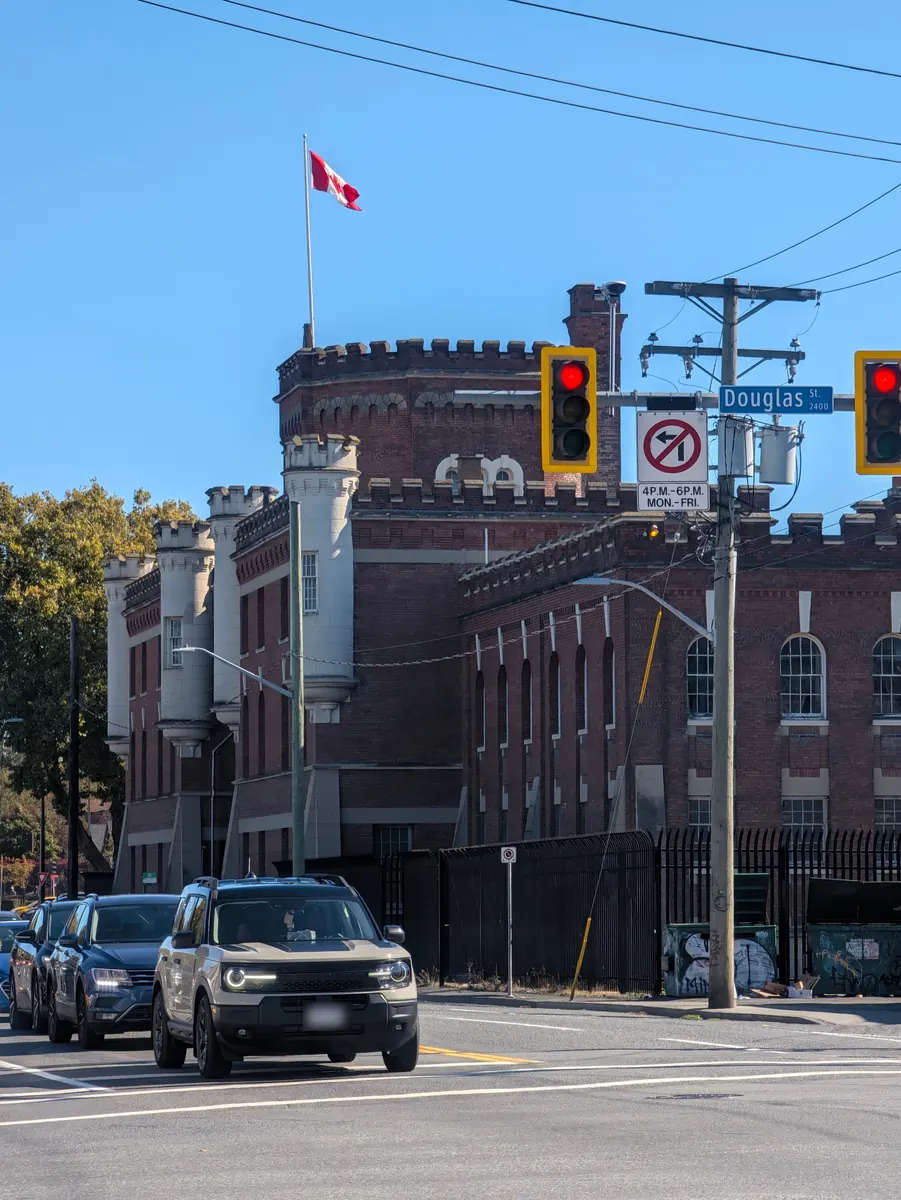
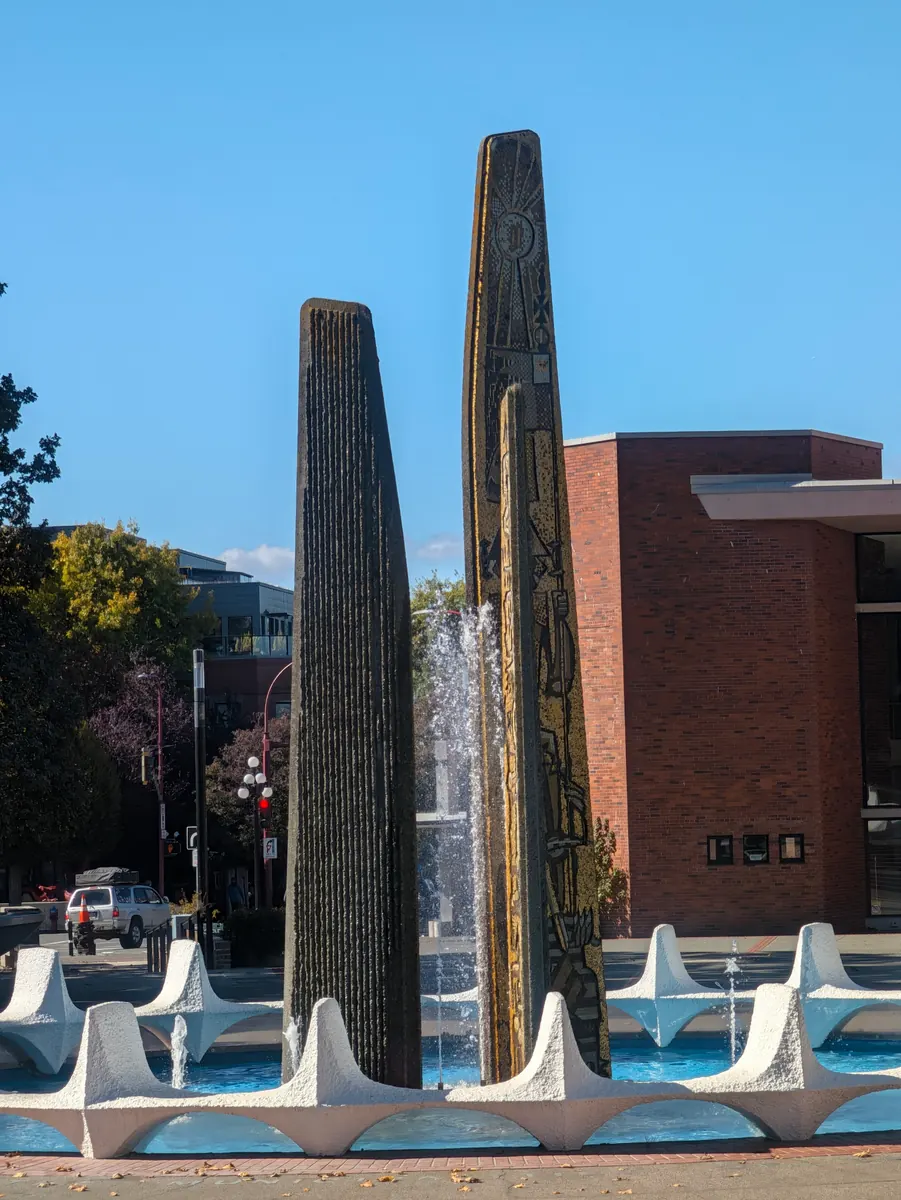
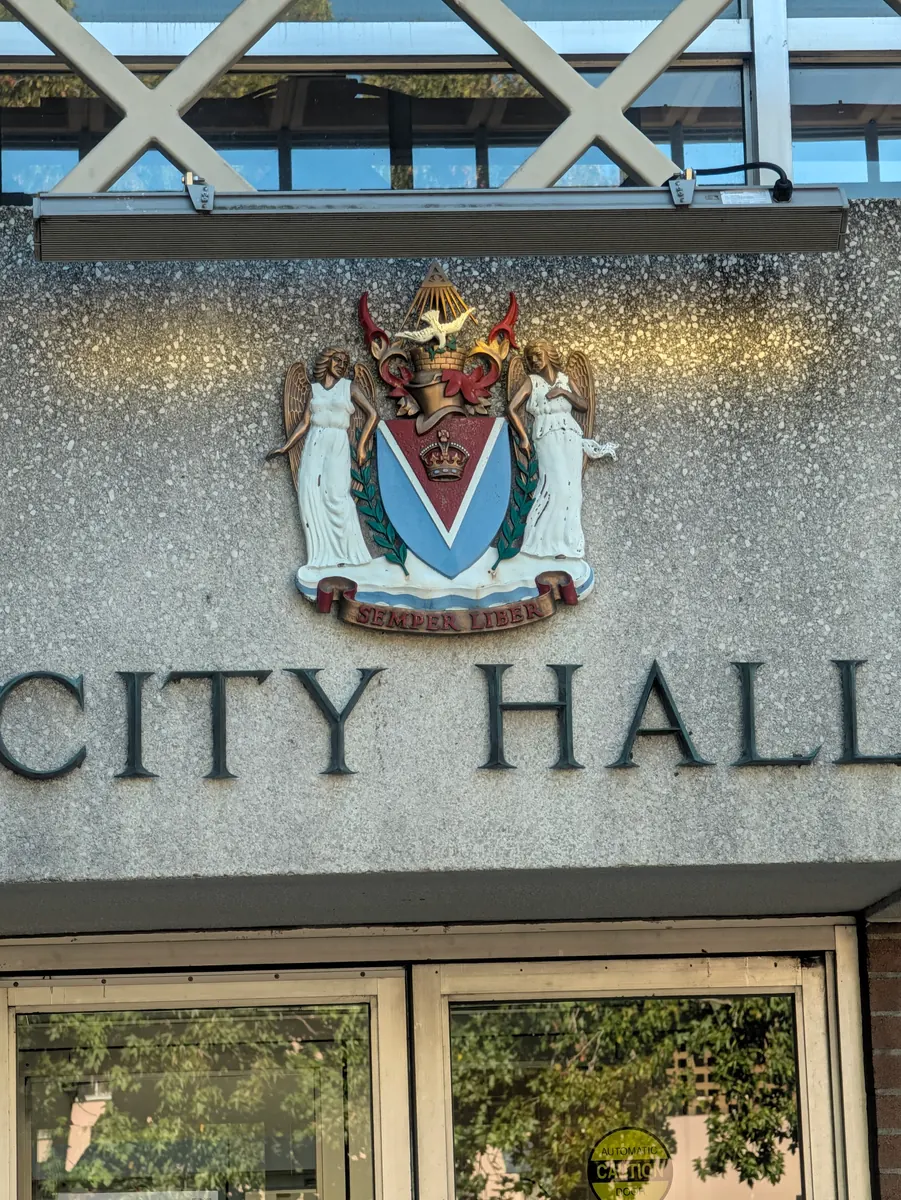
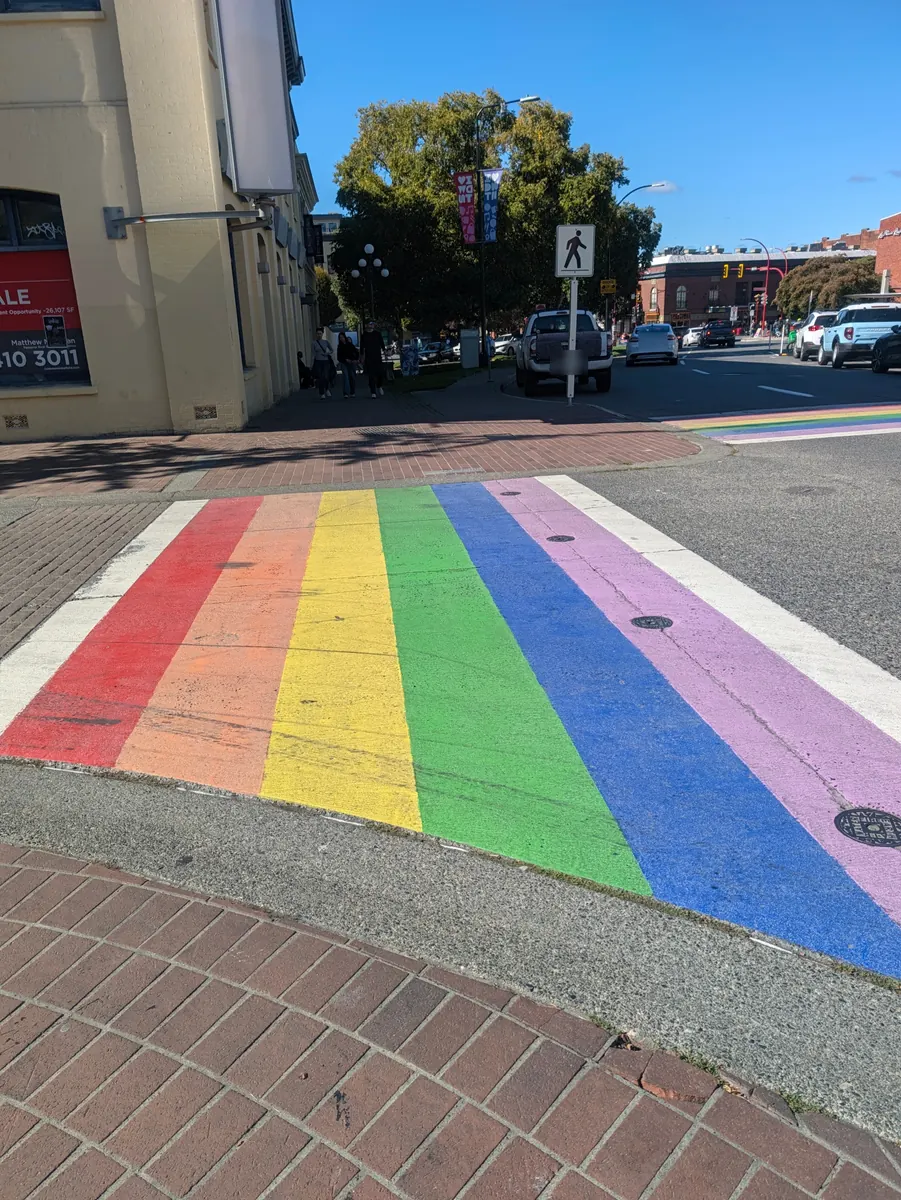
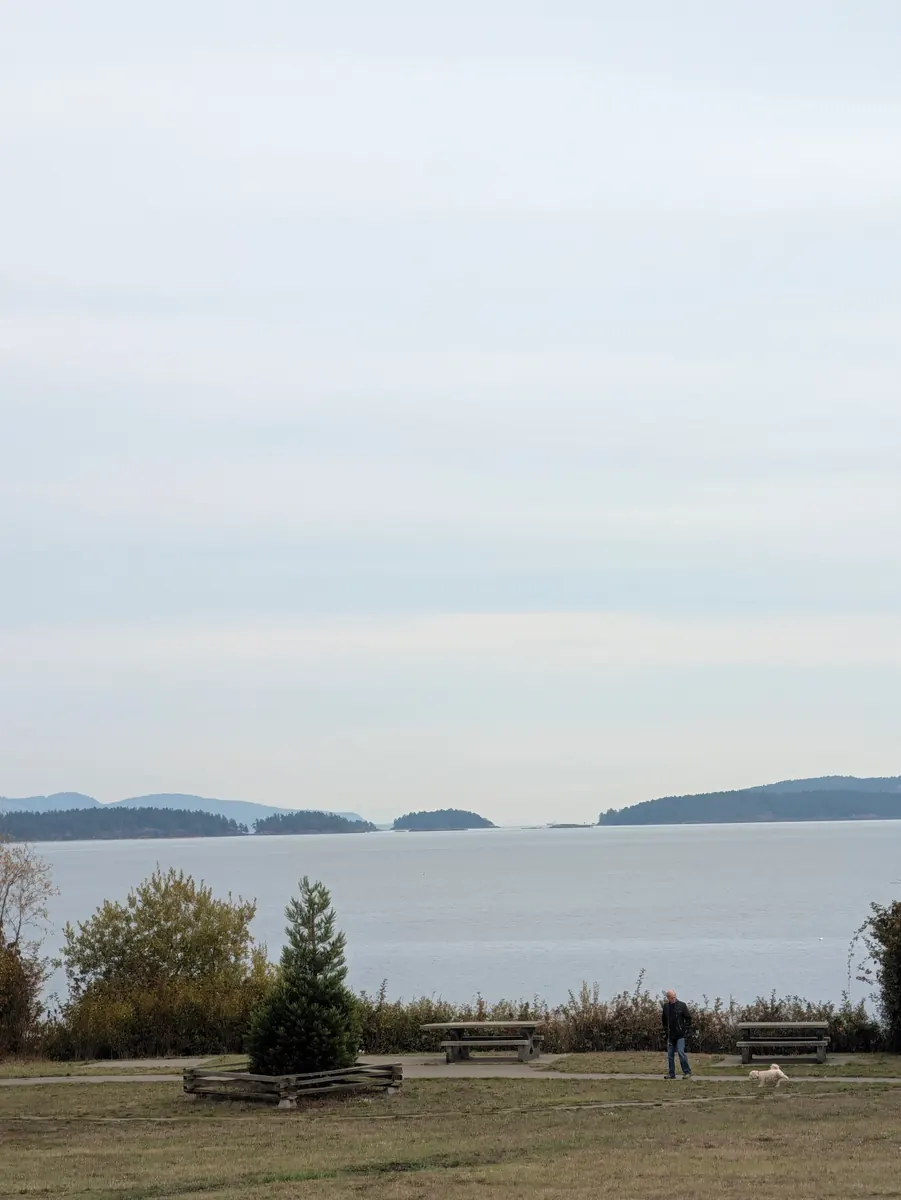
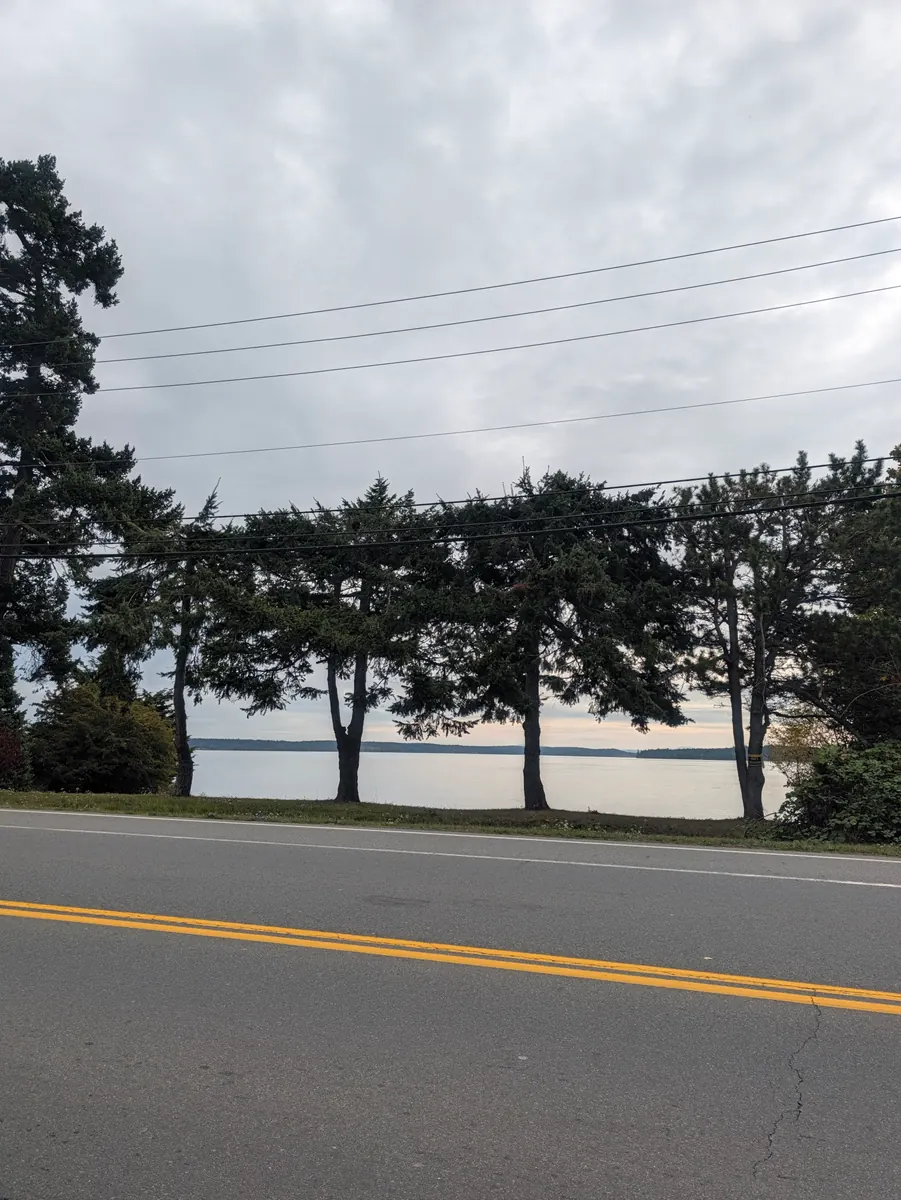
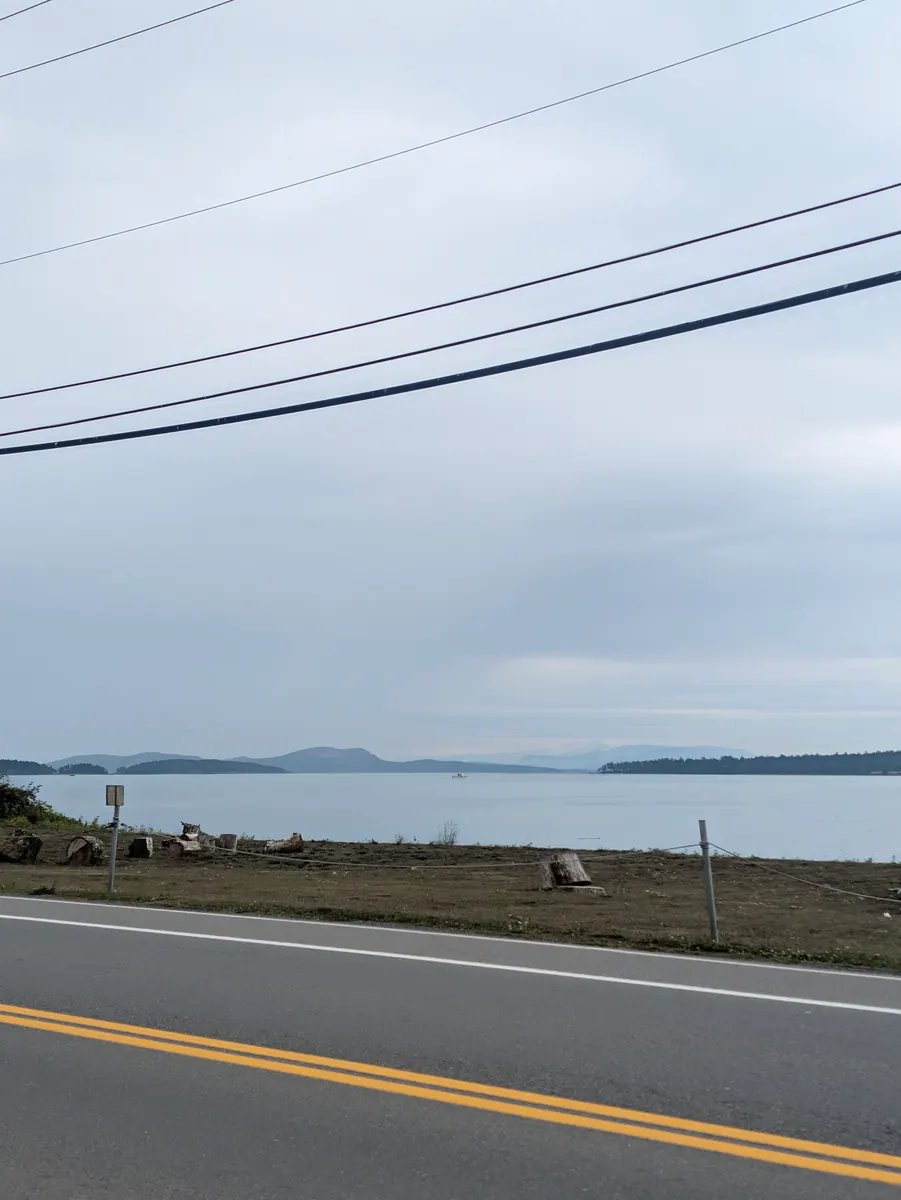
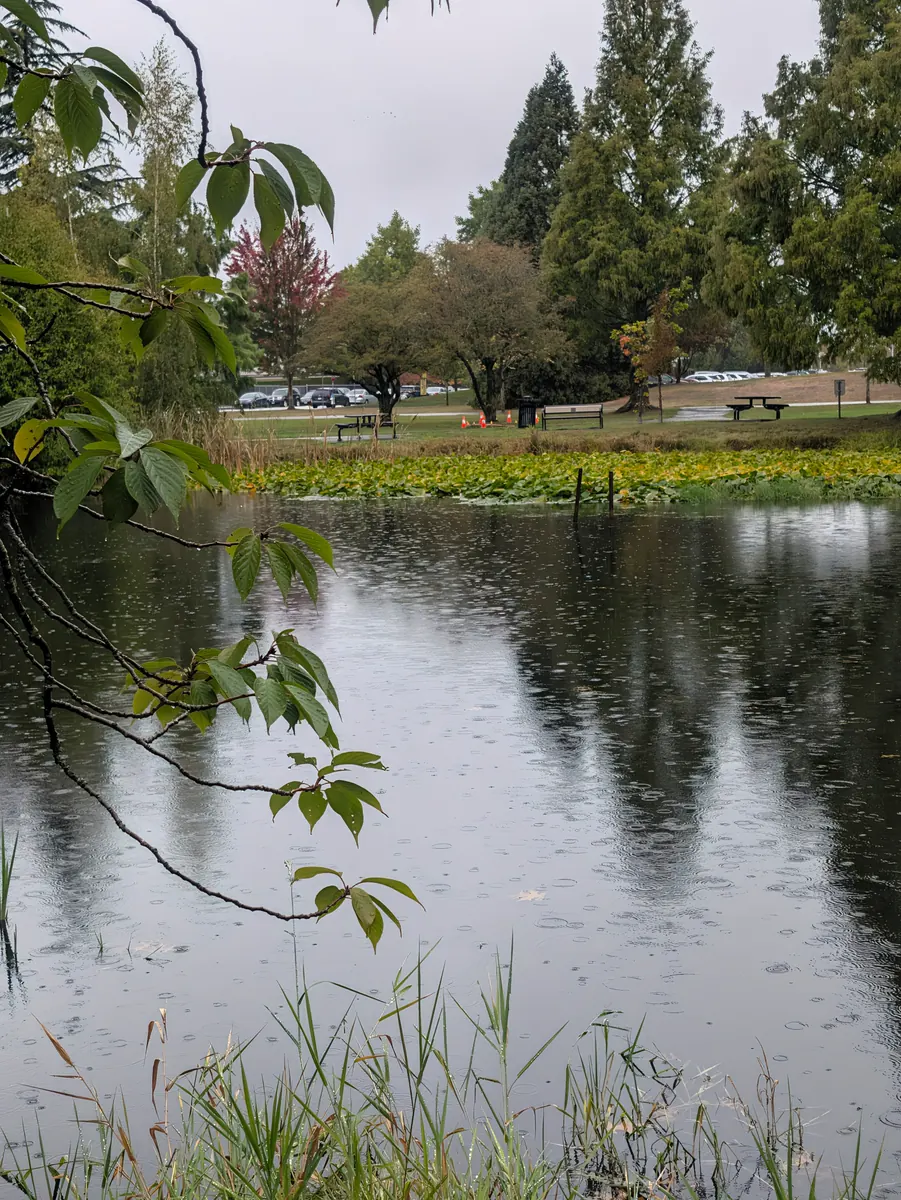
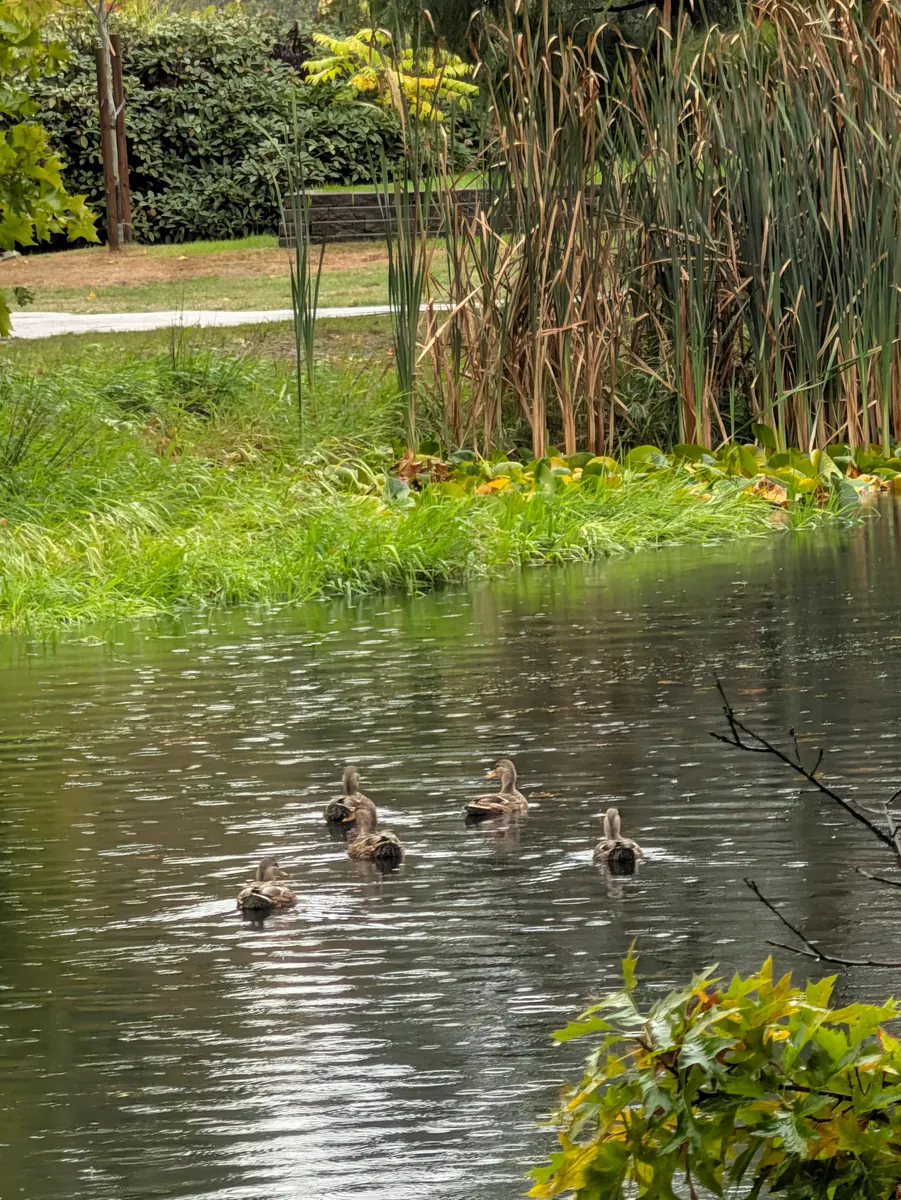
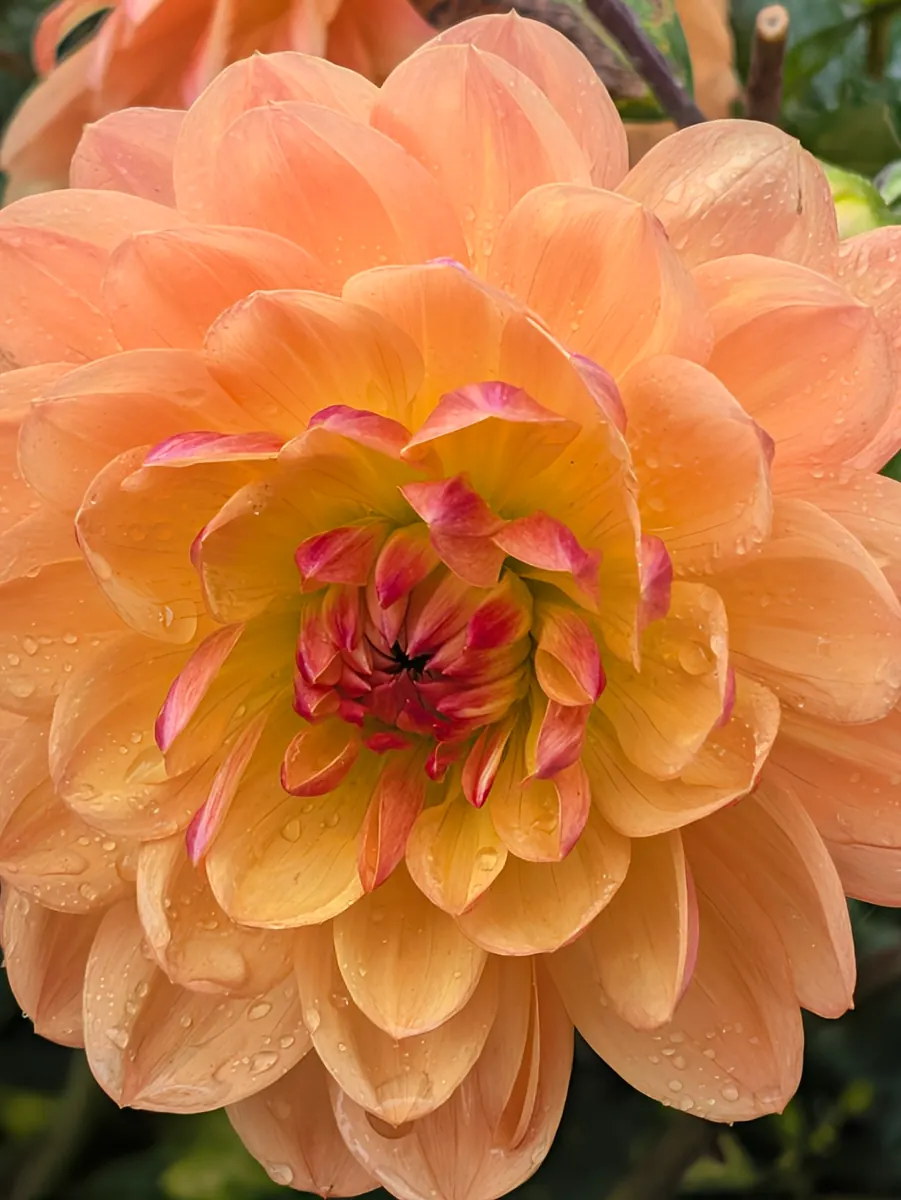
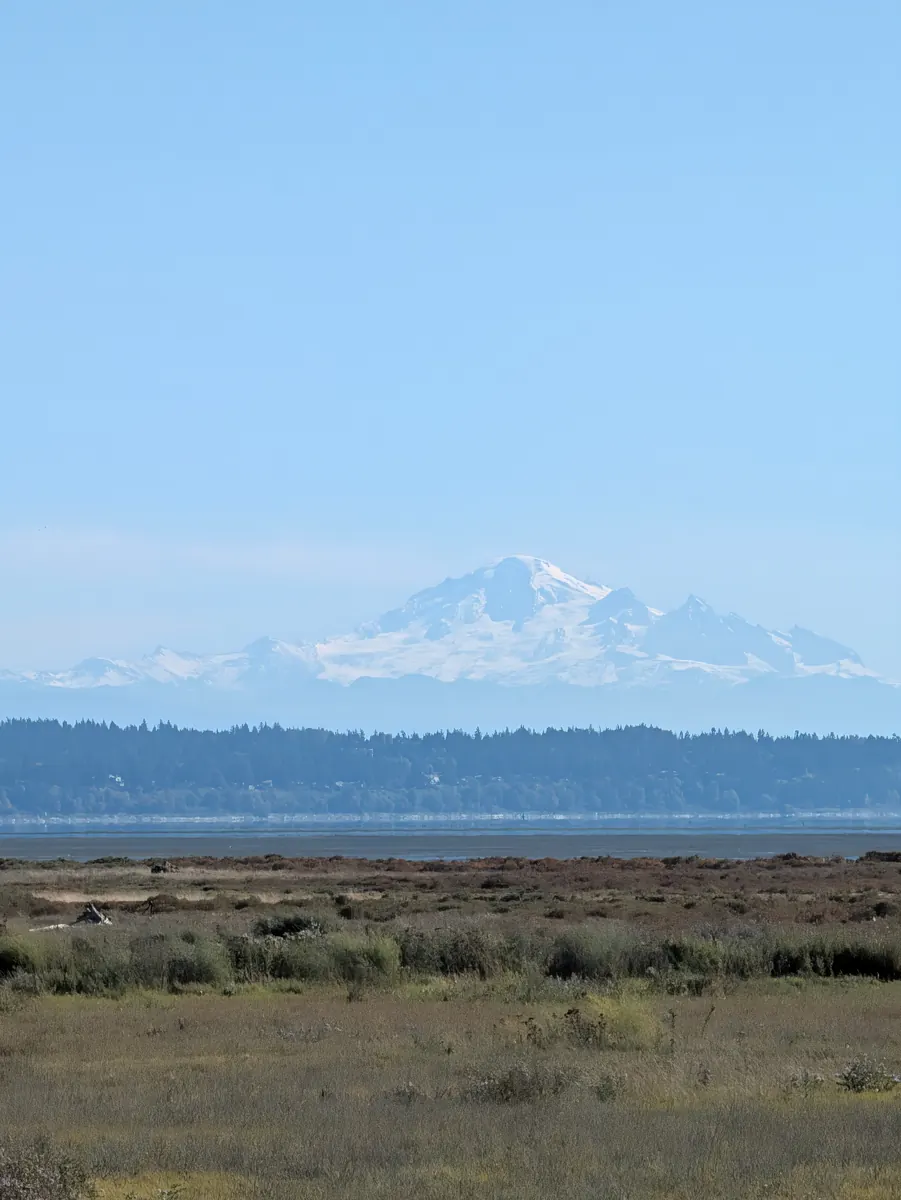
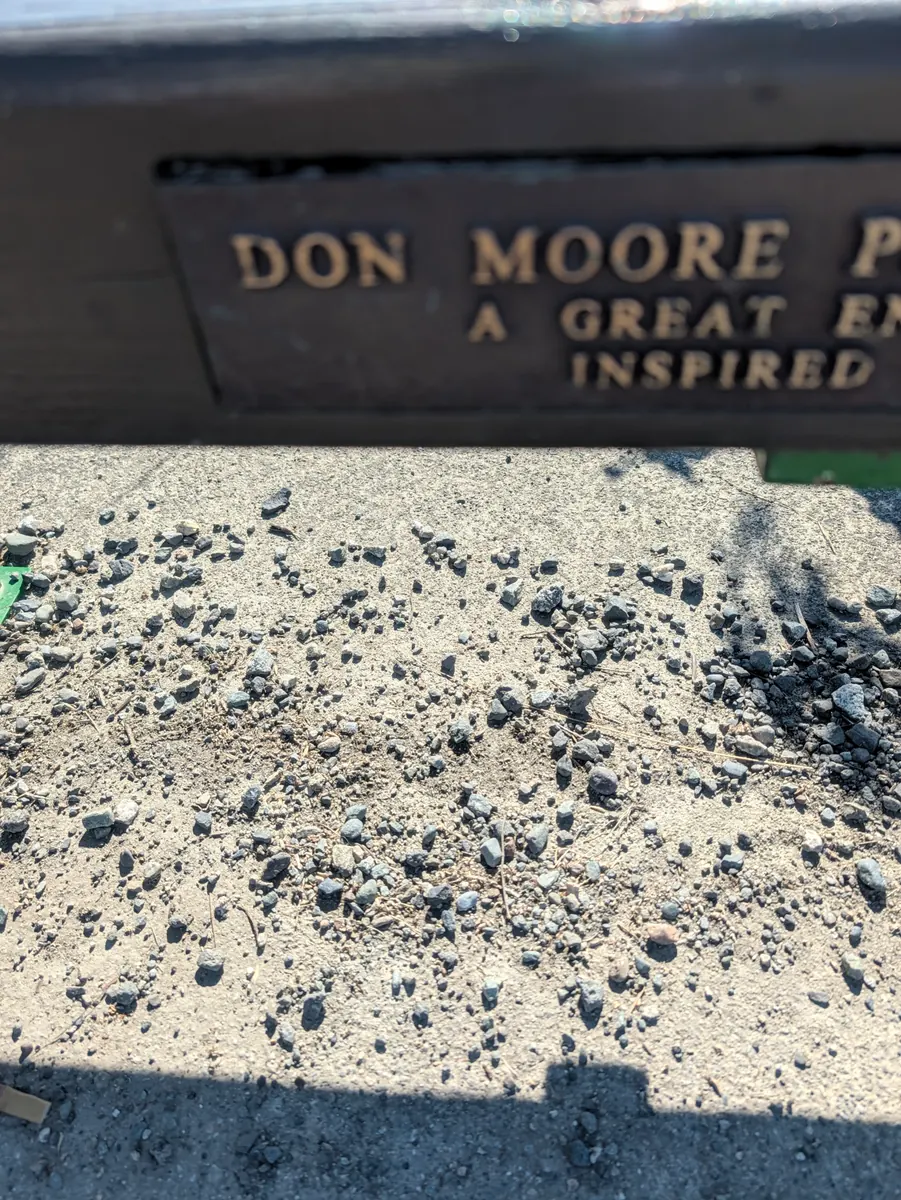
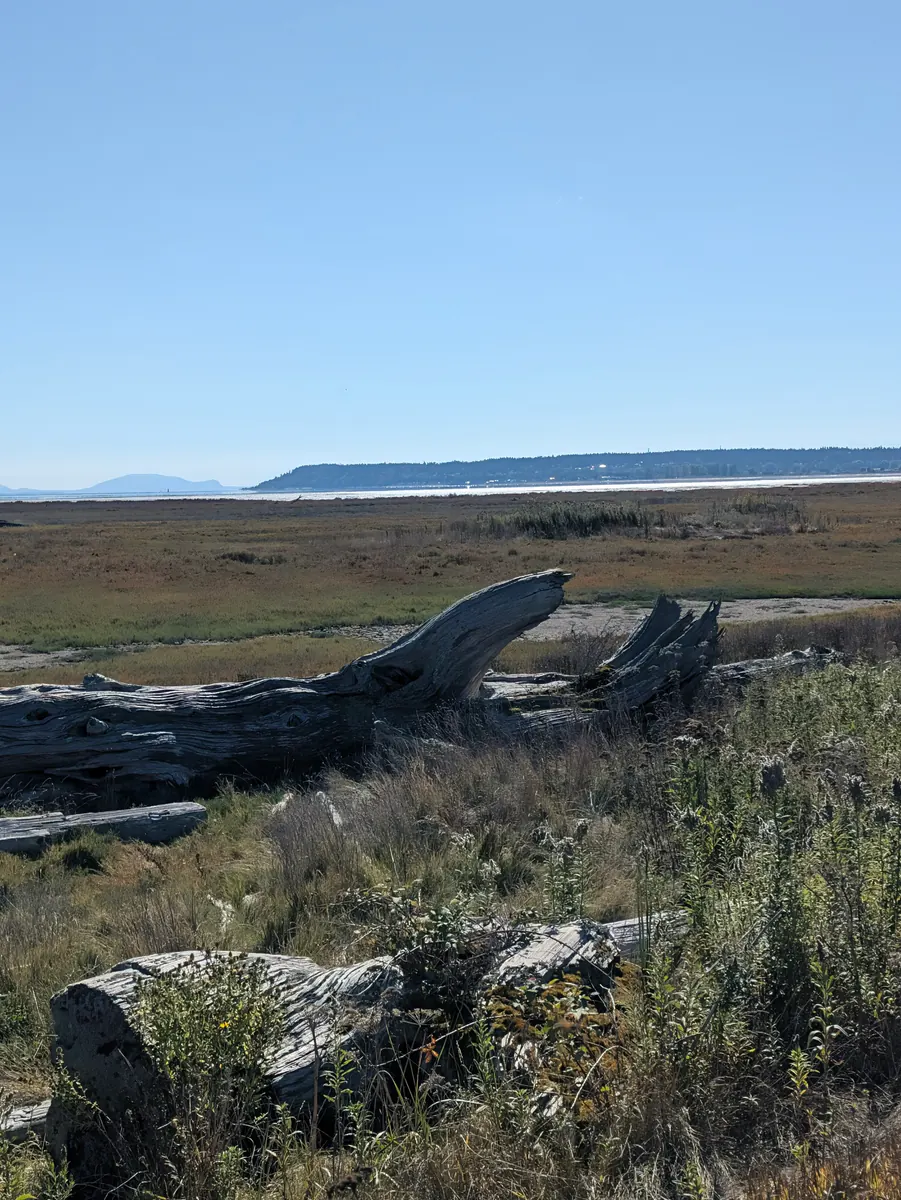
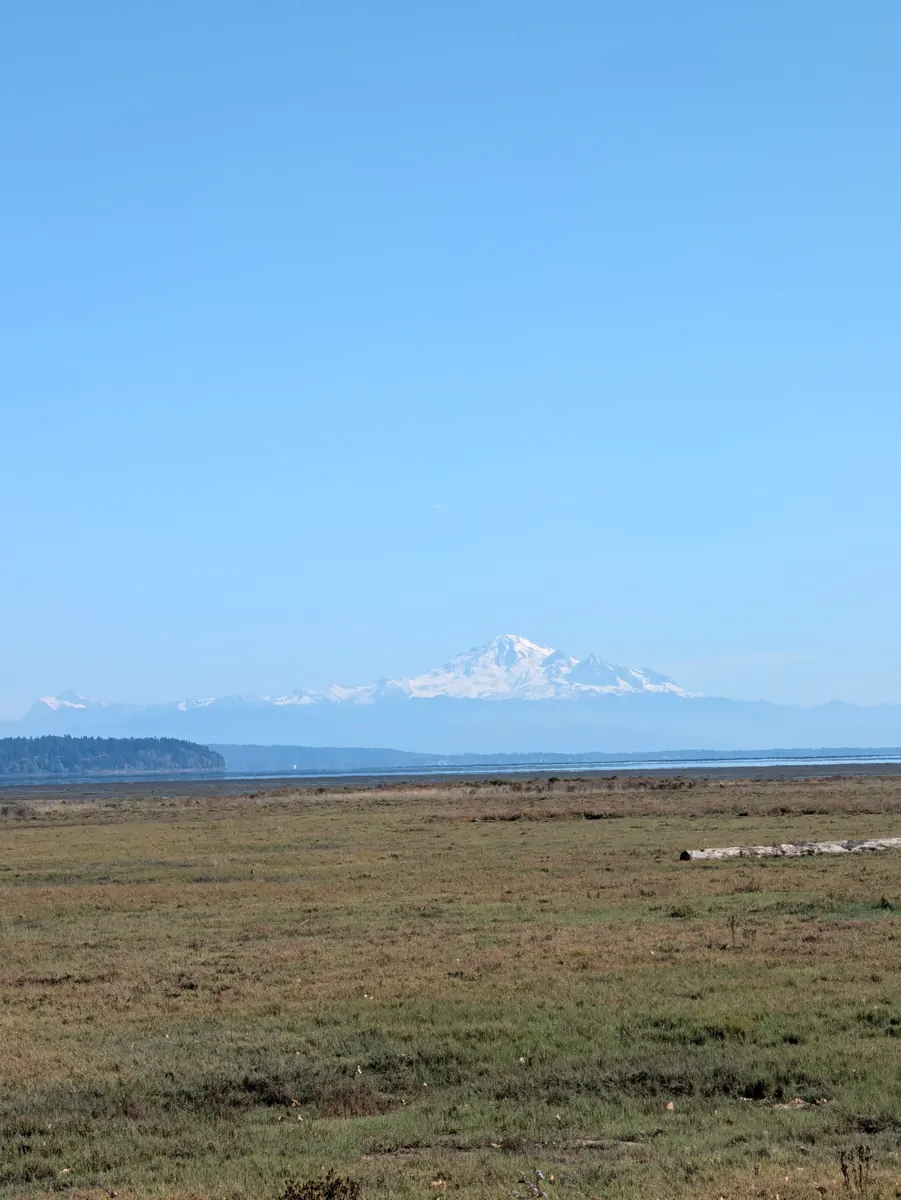
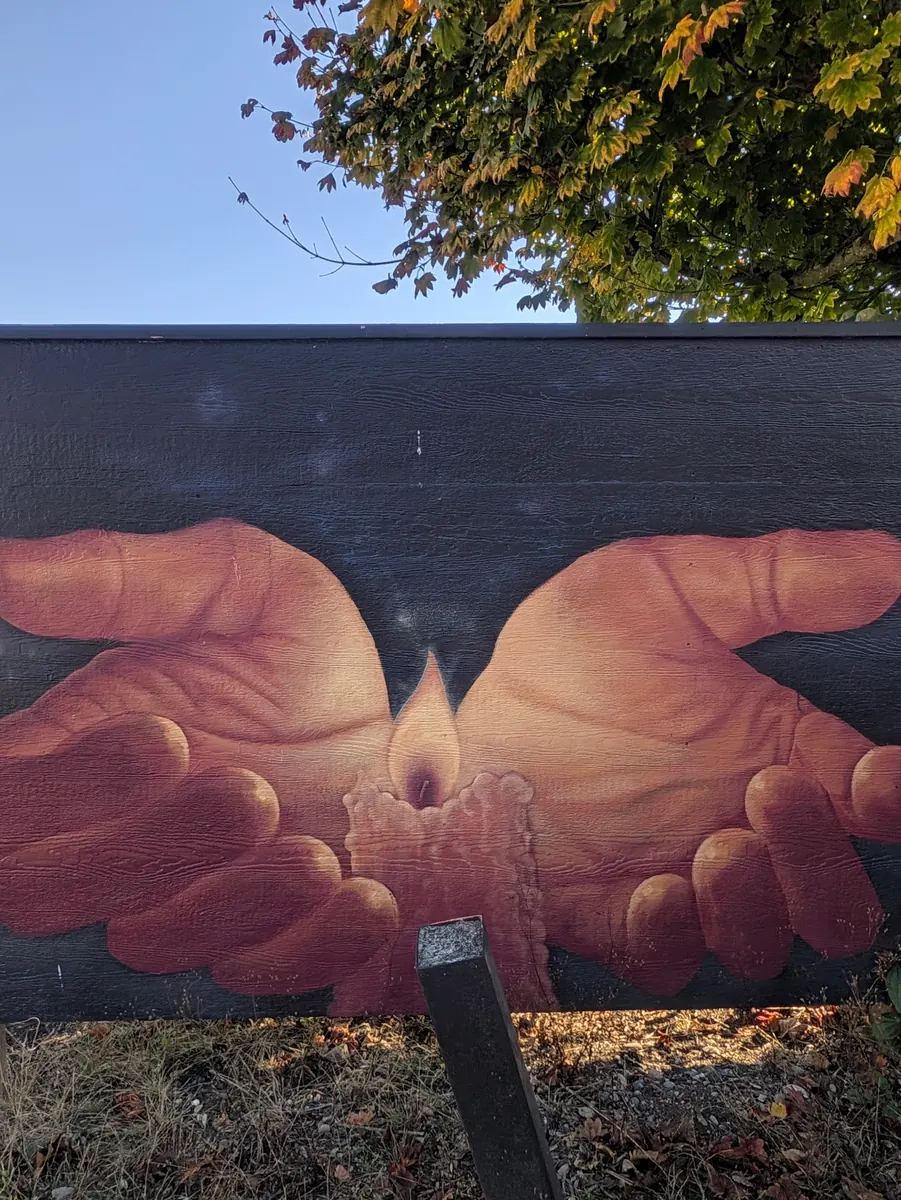
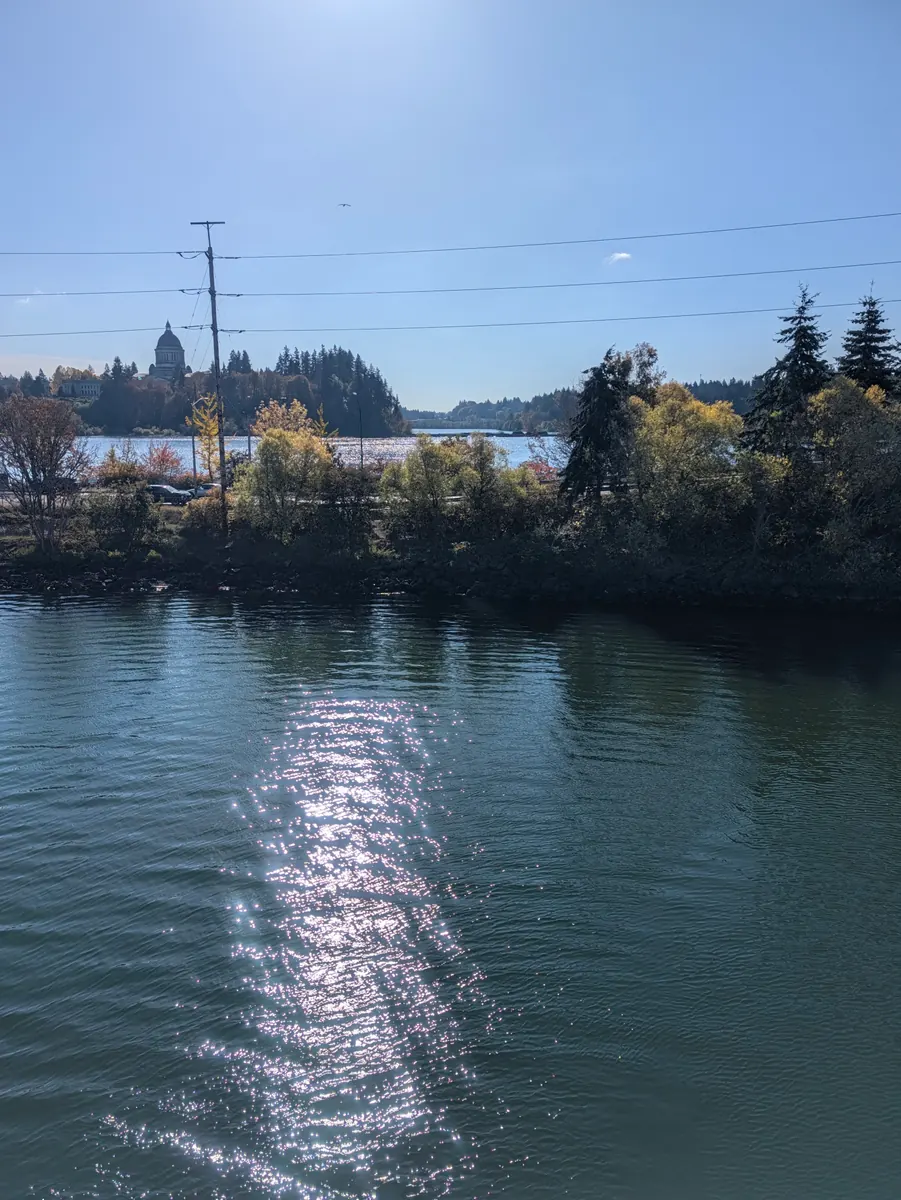
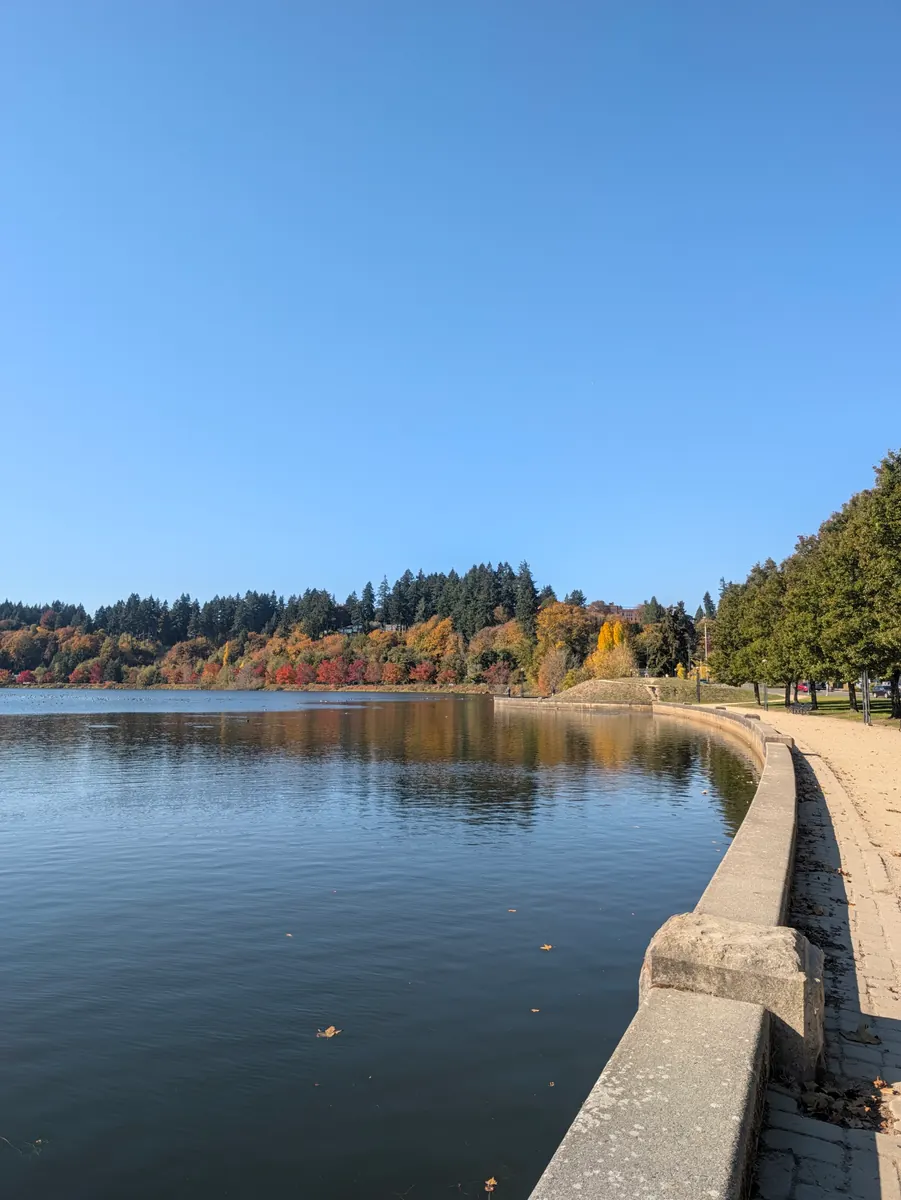
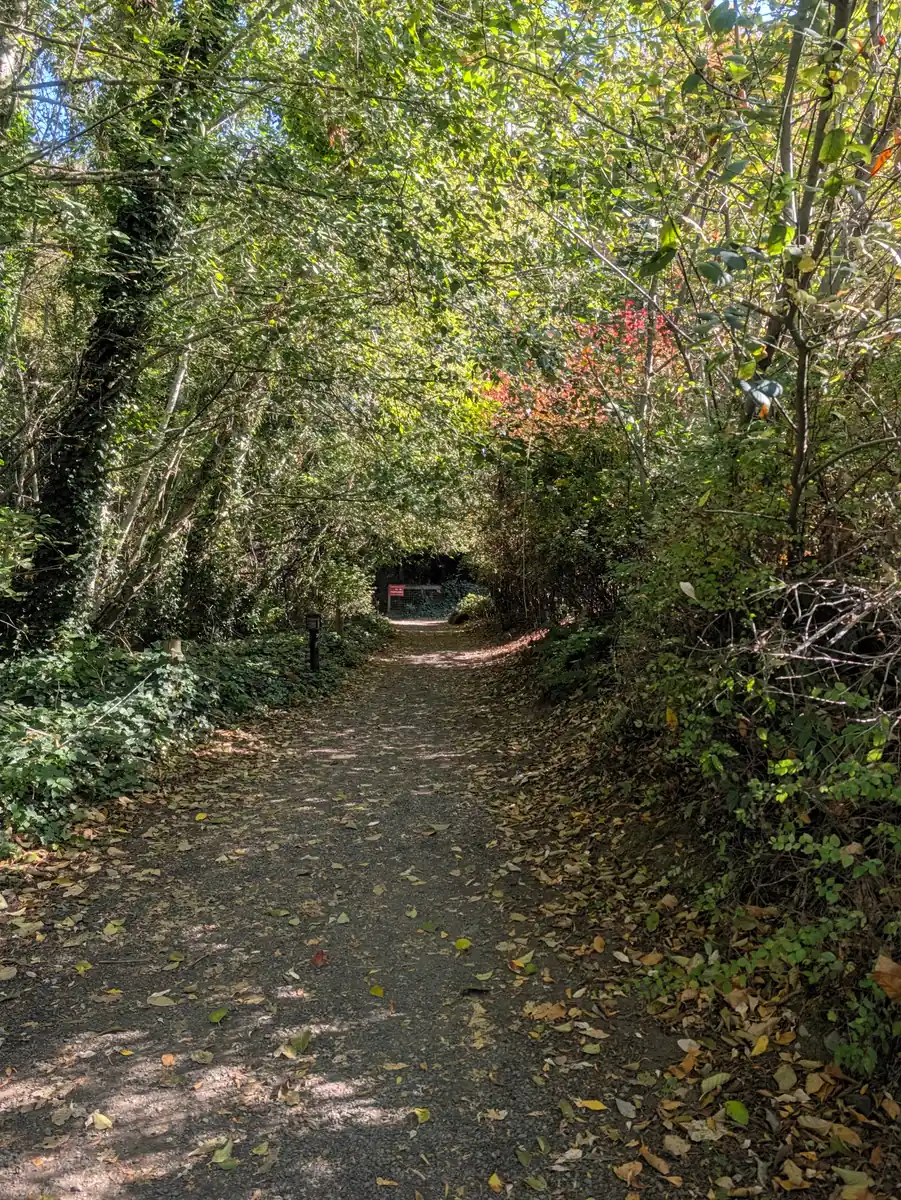
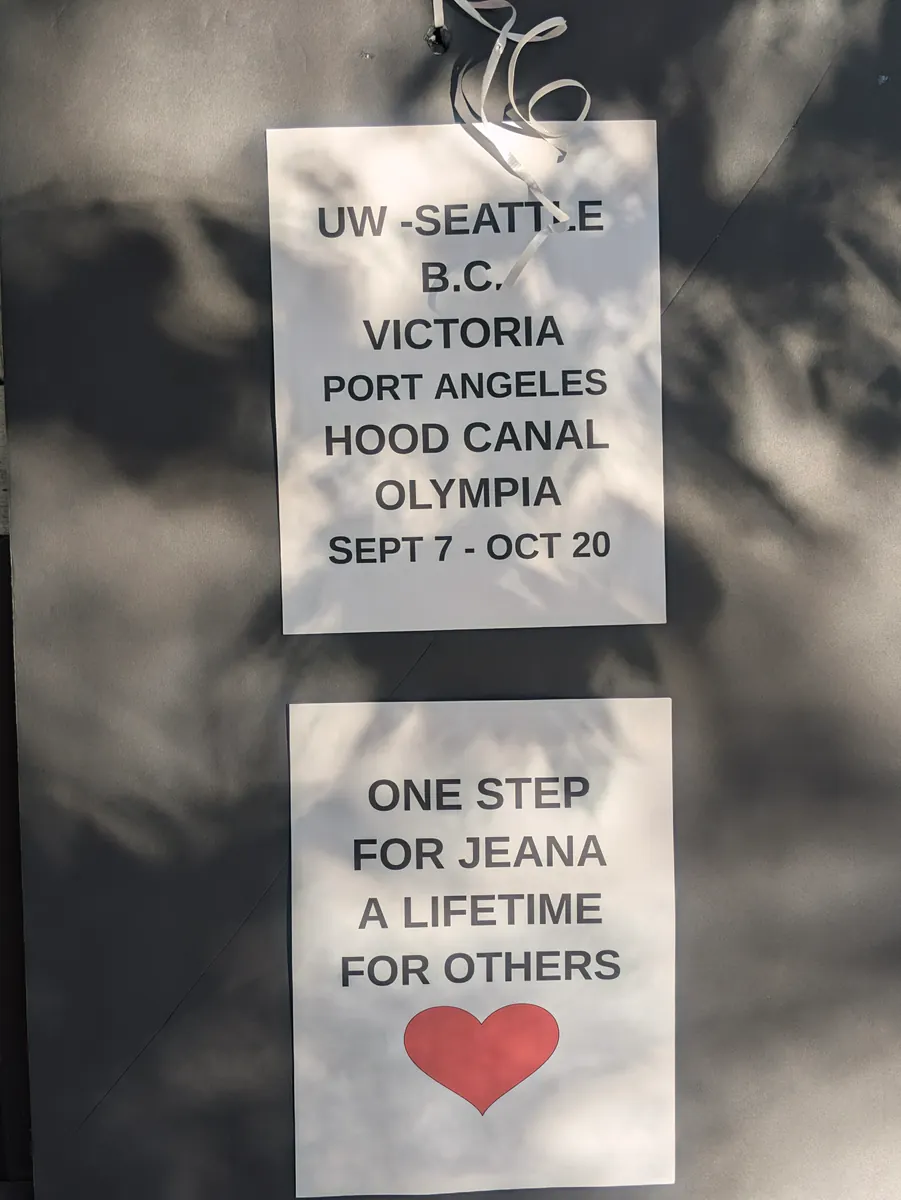
The message kept travelling, too. On the day before the finish, Lori helped Jeana reach interviews with Lorri Tracy at KGY Radio in Olympia and Gordon Weeks of the Shelton-Mason County Journal. That evening, Lori made signs for the next day. Then came October 20: the final 3.8 miles recorded in Jeana’s journal, and these photographs from the Capitol.
So today we celebrate her perseverance, and every helping hand along the way. Thank you to the hosts who opened a door, the people who stopped to listen, the friends who kept showing up, and everyone who followed from afar. Jeana has finished the walk. The hope she carried into those conversations still has somewhere to go.
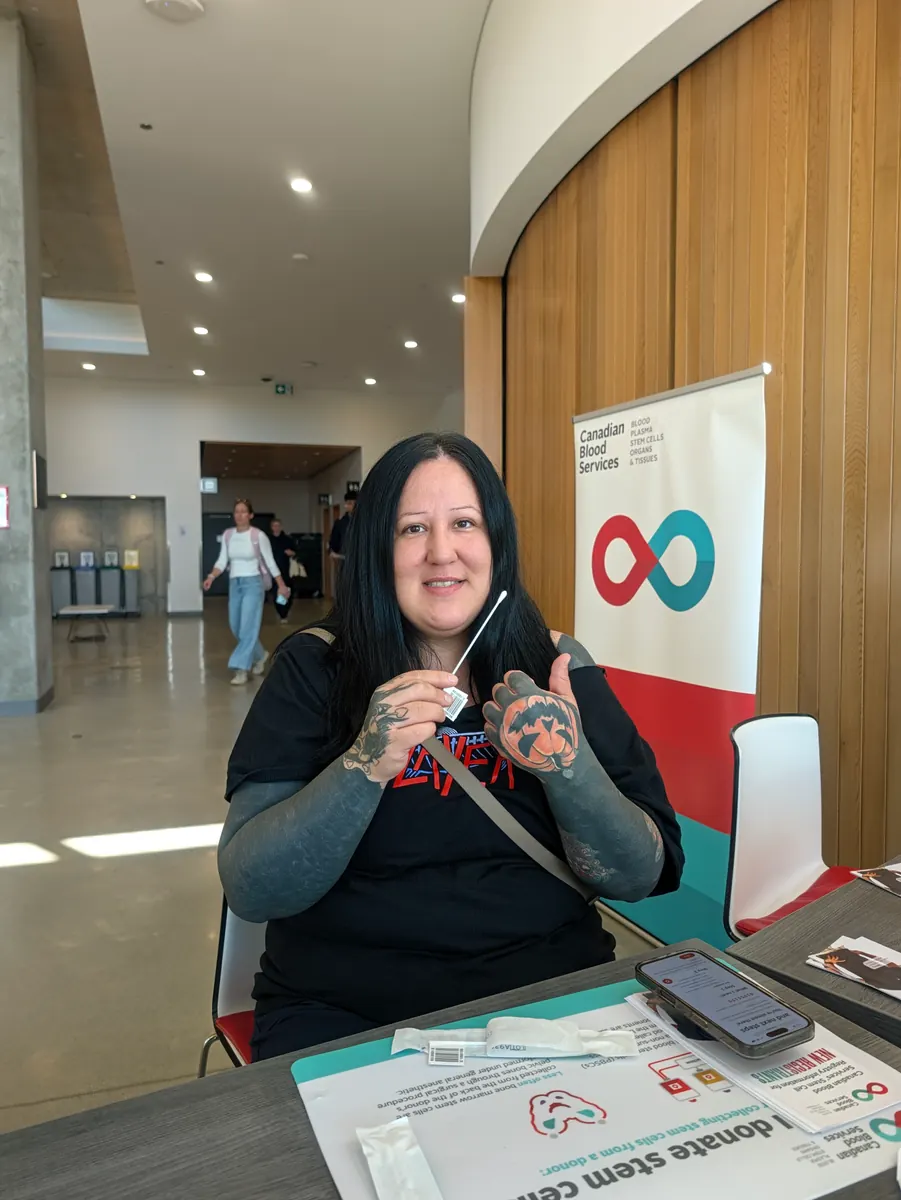
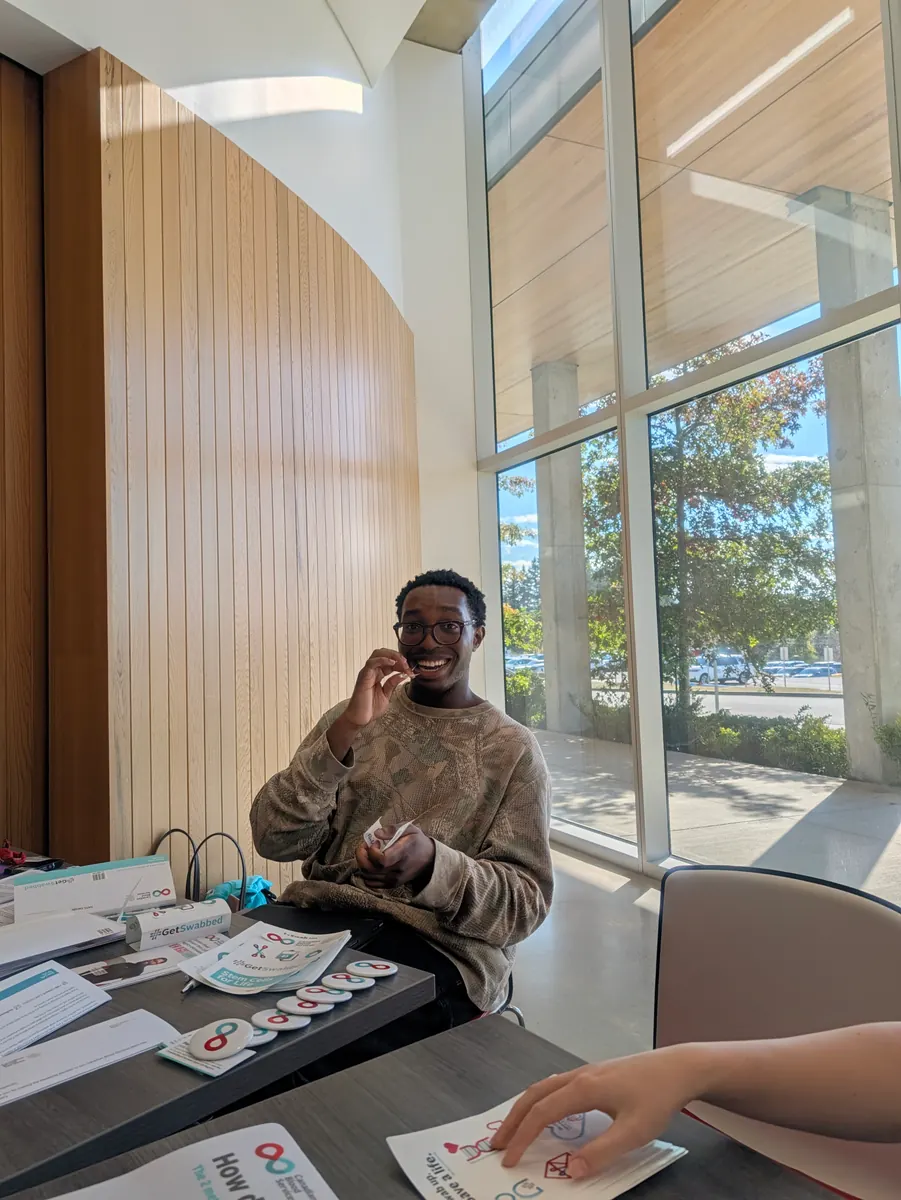
First, a break. Then JBF plans to return to local college stem-cell and bone-marrow registration drives in Spokane, starting with Spokane Community College in early to mid-November. That is a planned timeframe; a date and location have not been confirmed.
Perhaps the next small beginning is yours. Find the official registry for the country where you live, learn about eligibility and what donation can involve, and decide whether to take that first step. A gift to JBF supports education and outreach; joining a registry is a separate choice.
This finish story was written by the Jada Bascom Foundation from Jeana’s journals and the final-day photographs she shared. Her quoted words are from October 15. Photos shared by Jeana Moore; thank you to everyone who helped capture these moments.
JBF is a registry referrer, not a medical provider. Official registries handle registration and eligibility; JBF helps people find the registry where they live.
People from all walks of life reach out to support me in completing this journey. This is the actualization of loving kindness.
Show all 18 photos from this dayShow fewer photos
- Distance walked
- 3.8 miles