Route update · September 27
The walk now goes through Tsawwassen, and is back on schedule in Victoria
Day 17 · Scheduled earlier
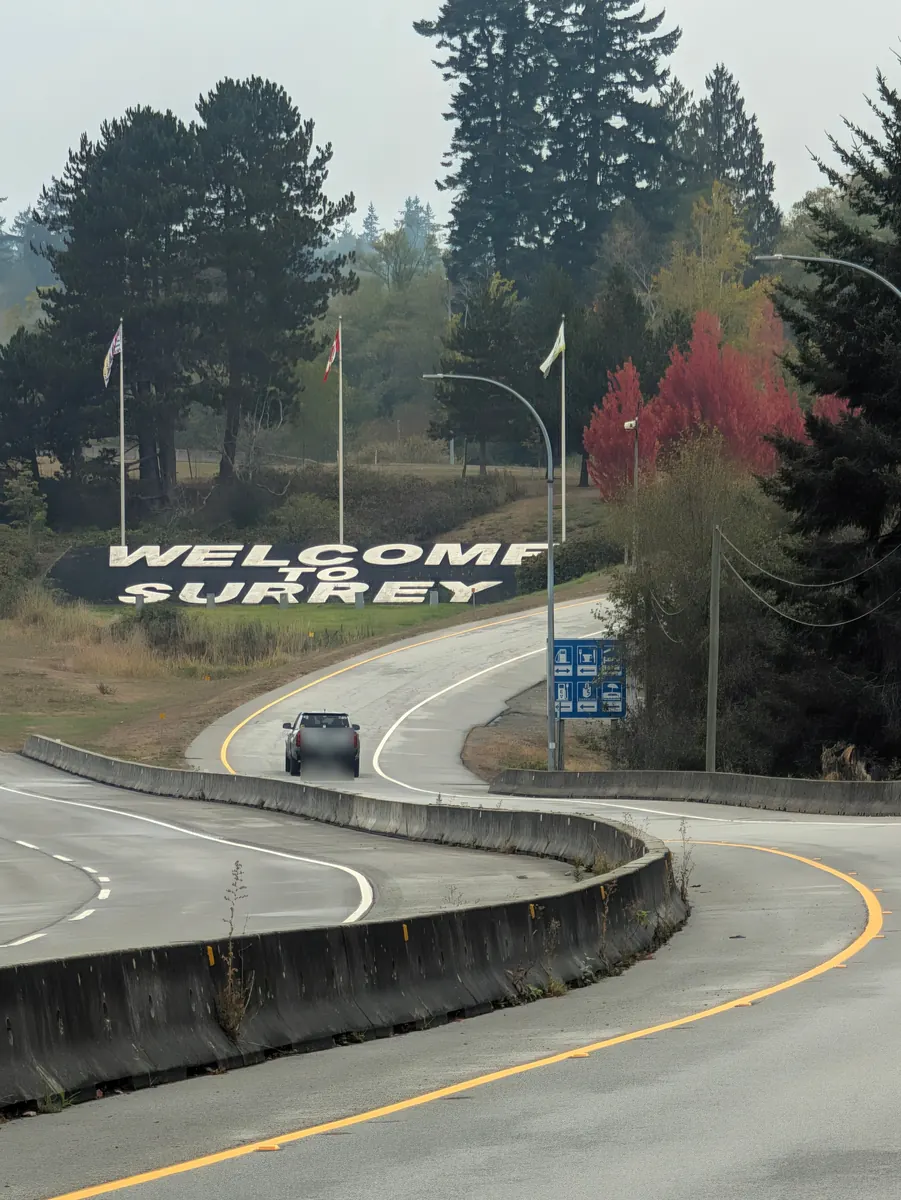
Elgin, Surrey
Elgin, South Surrey, British Columbia
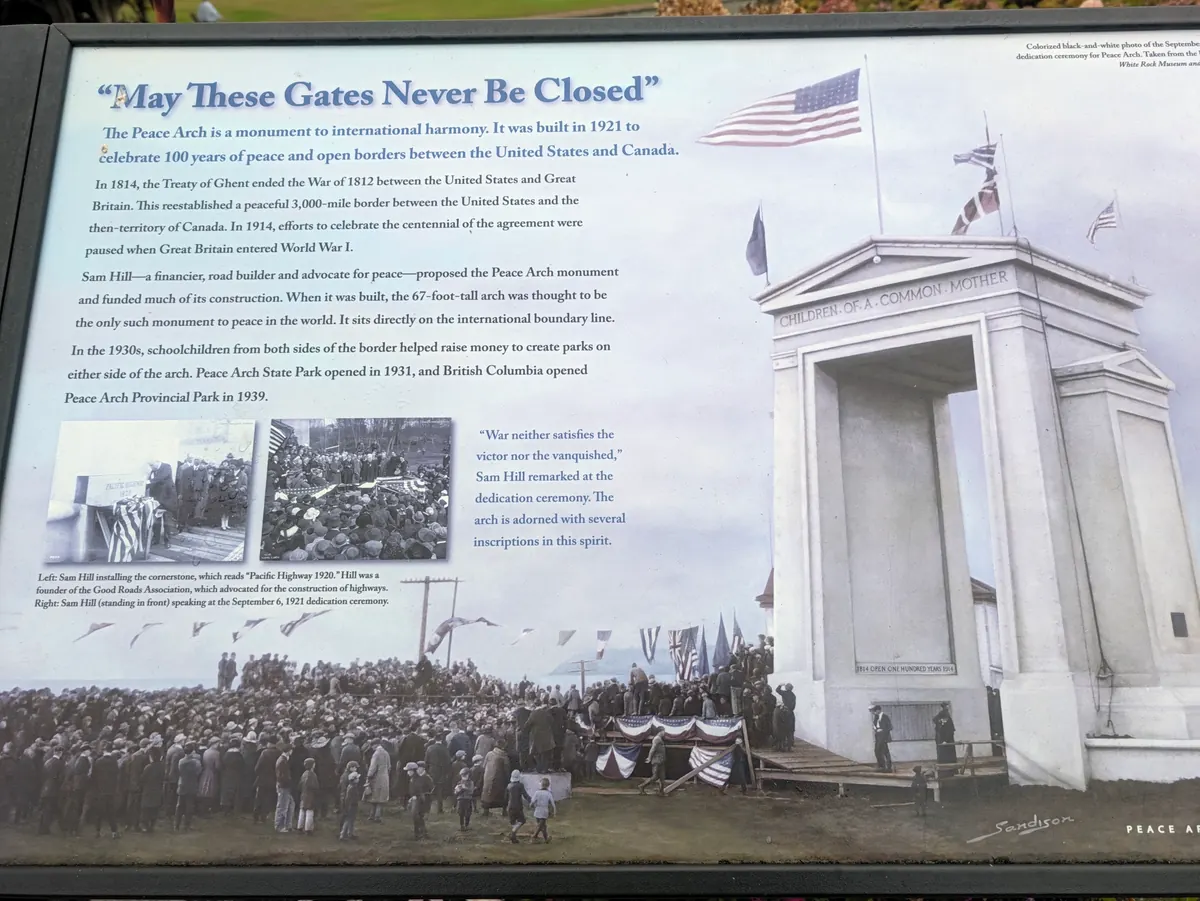
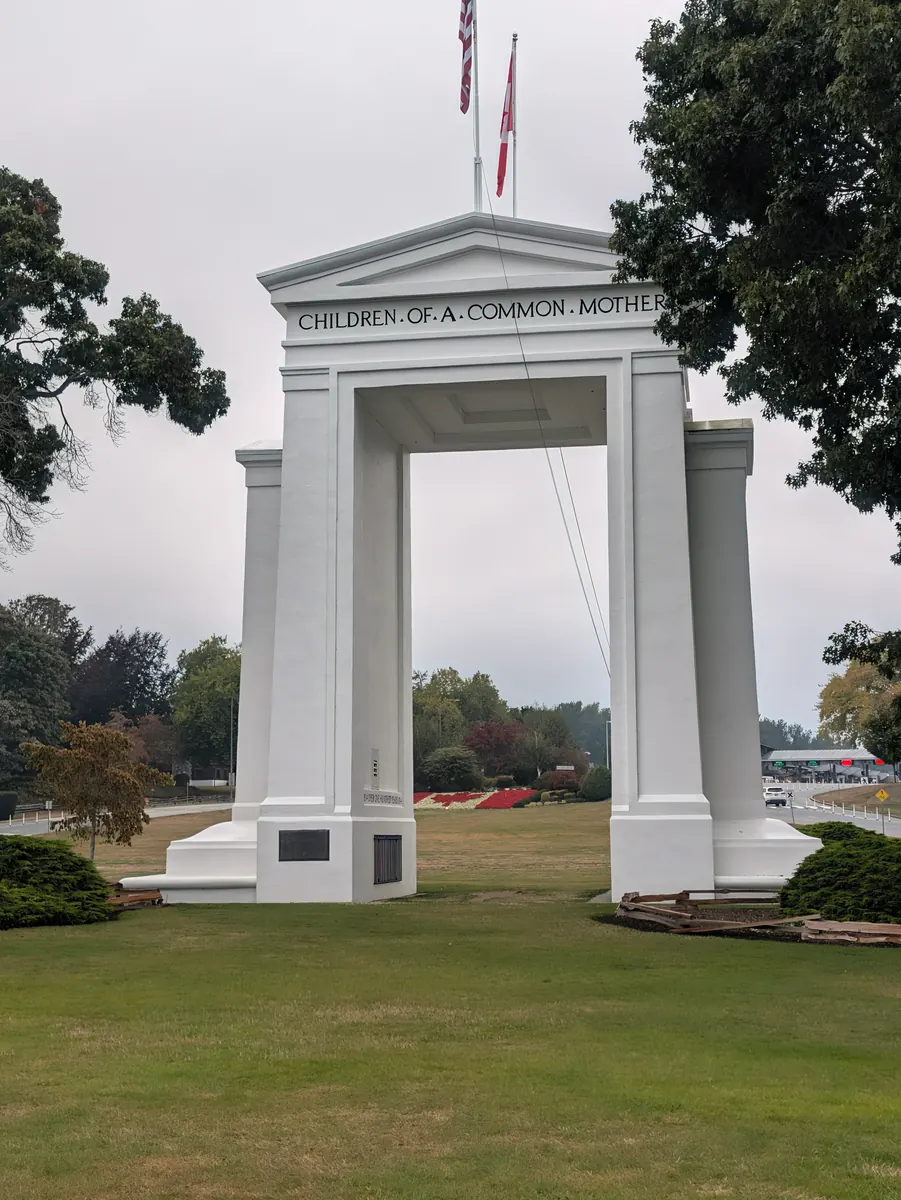
Across the Peace Arch to Elgin
This day on the route
- Planned date
- The day
- Walking
- Planned walking
- 8.6 miles
Day 17: 8.6 planned walking miles across the Peace Arch border to Elgin, Surrey. Jeana walked across on September 23, a day later than first planned.
Route overview, not turn-by-turn directions.
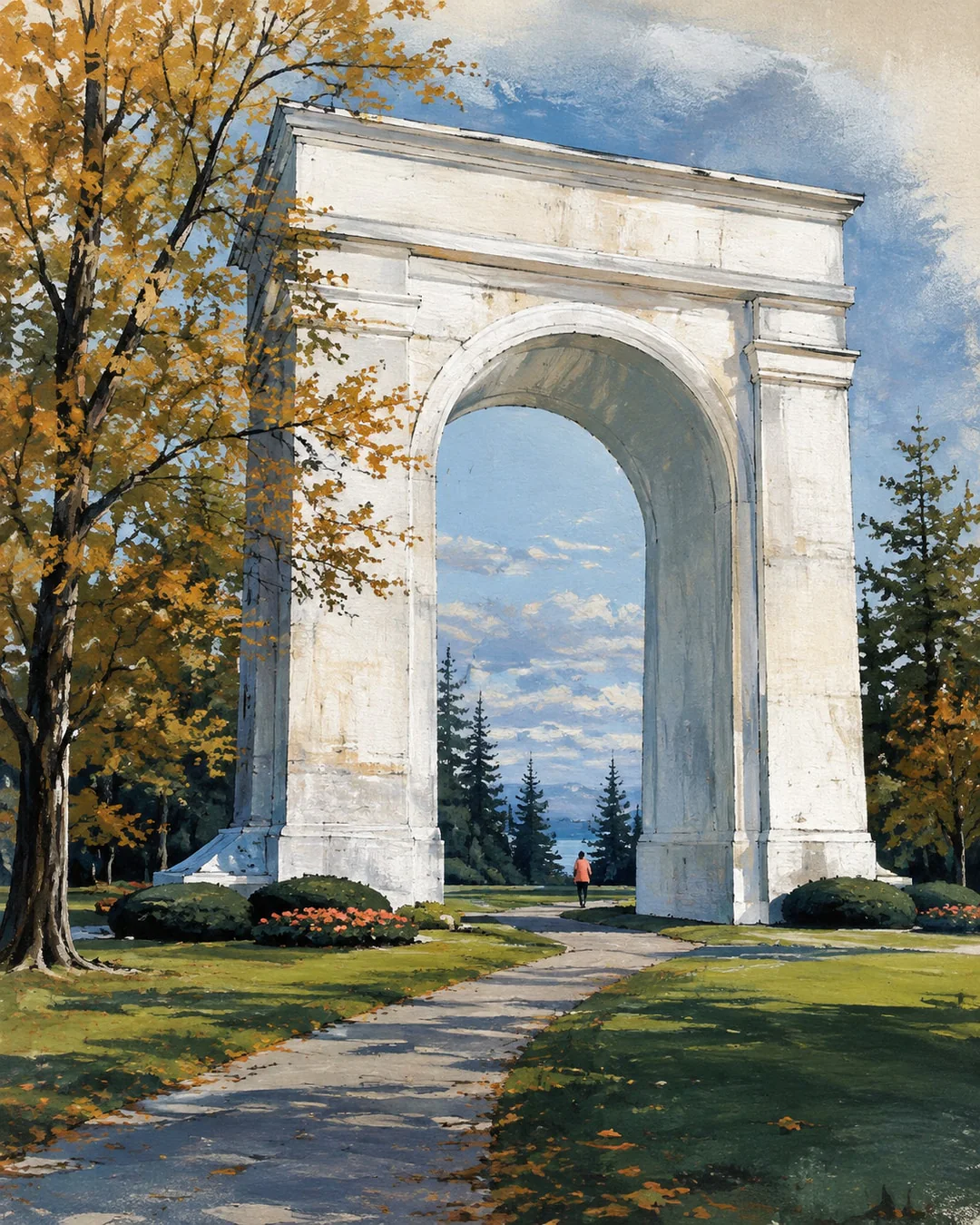
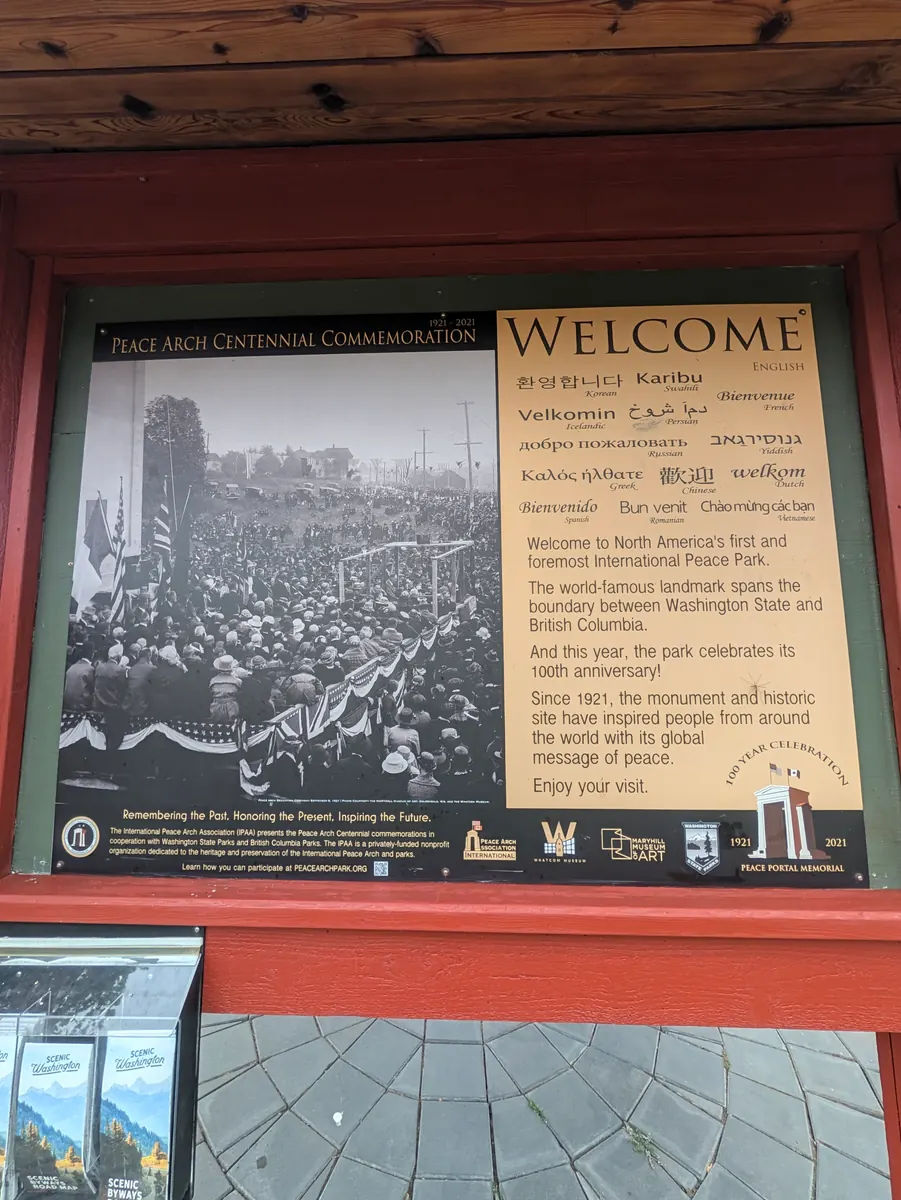
The crossing to Elgin, Surrey, was planned for September 22, 2026, World Marrow Donor Day. Jeana rested in Blaine that day with a cold and walked across the border on September 23. The land stage carries 8.6 planned walking miles.
The itinerary crosses the international boundary at Peace Arch and continues to Elgin in South Surrey. September 22, 2026 was both the planned date for this stage and the date on the official World Marrow Donor Day website. As it turned out, Jeana was resting in Blaine with a cold on World Marrow Donor Day, and she walked across the Peace Arch border into Surrey on September 23.
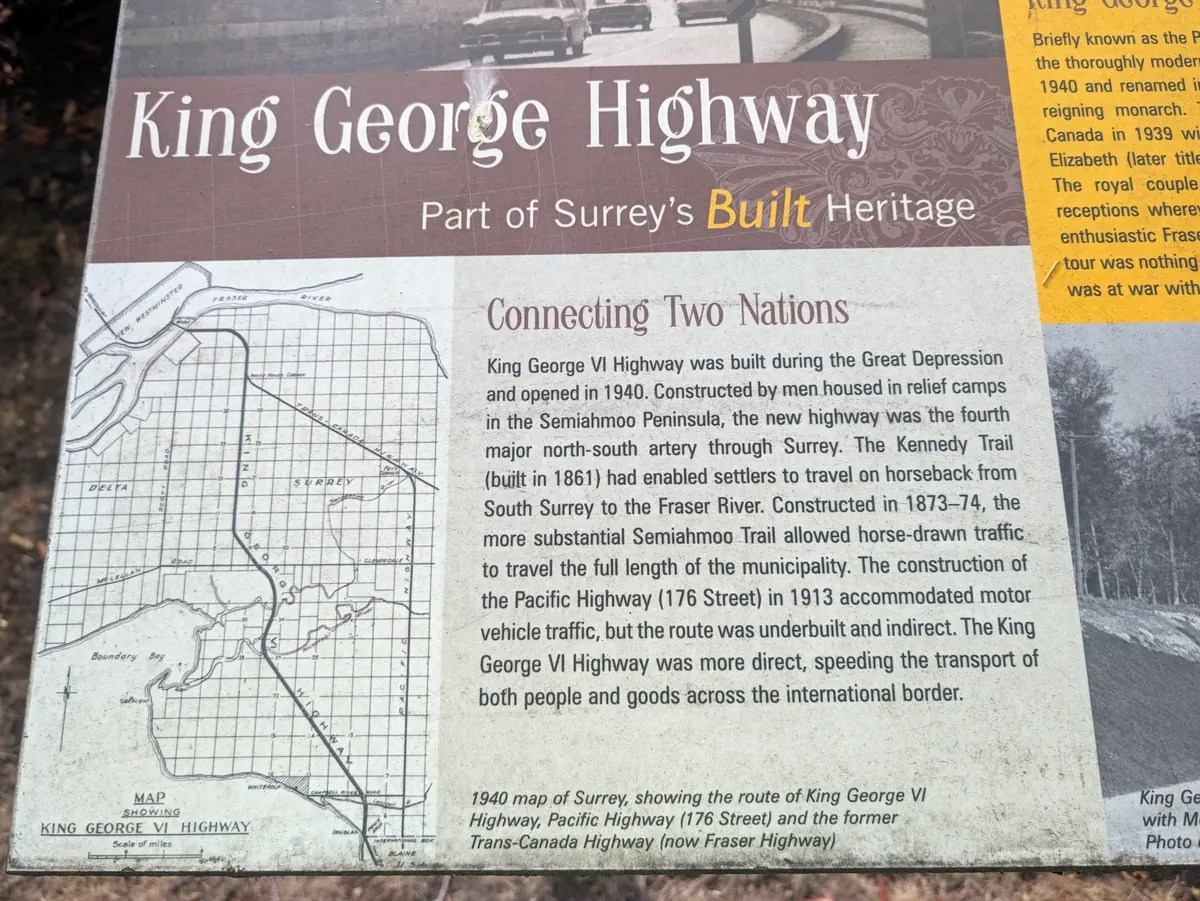
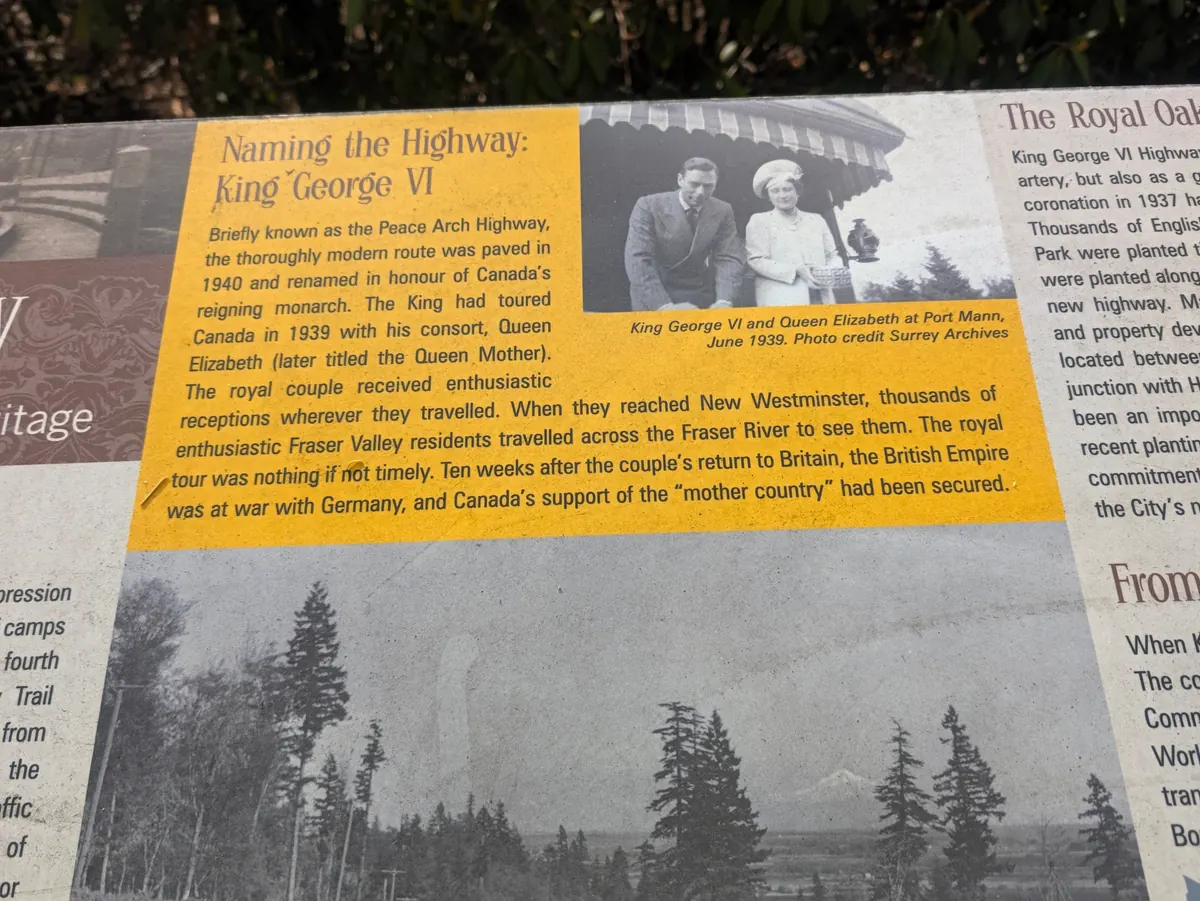
Elgin has its own history of crossing and connection. The City of Surrey’s account describes a way station on the Semiahmoo Trail and an 1865 telegraph line crossing the Nicomekl River. River transport and the building of dykes helped shape the farms along its banks. The Stewart farmhouse, built in 1894 on land John Stewart bought in 1880, preserves part of that late-nineteenth-century landscape.
The campaign’s family story also crosses a border. Jada Bascom’s donor, Torsten Huber, was registered in Germany before her birth. His marrow was used for her transplant in Washington. A decision he made before her birth became part of her family’s story across the Atlantic.
Readers can find registration information through the organization serving their home country or province. NMDP provides the United States process; Canadian Blood Services directs Canadian applicants outside Québec, and Québec residents are directed to Héma-Québec. Each organization sets its own eligibility and consent requirements.
From the road
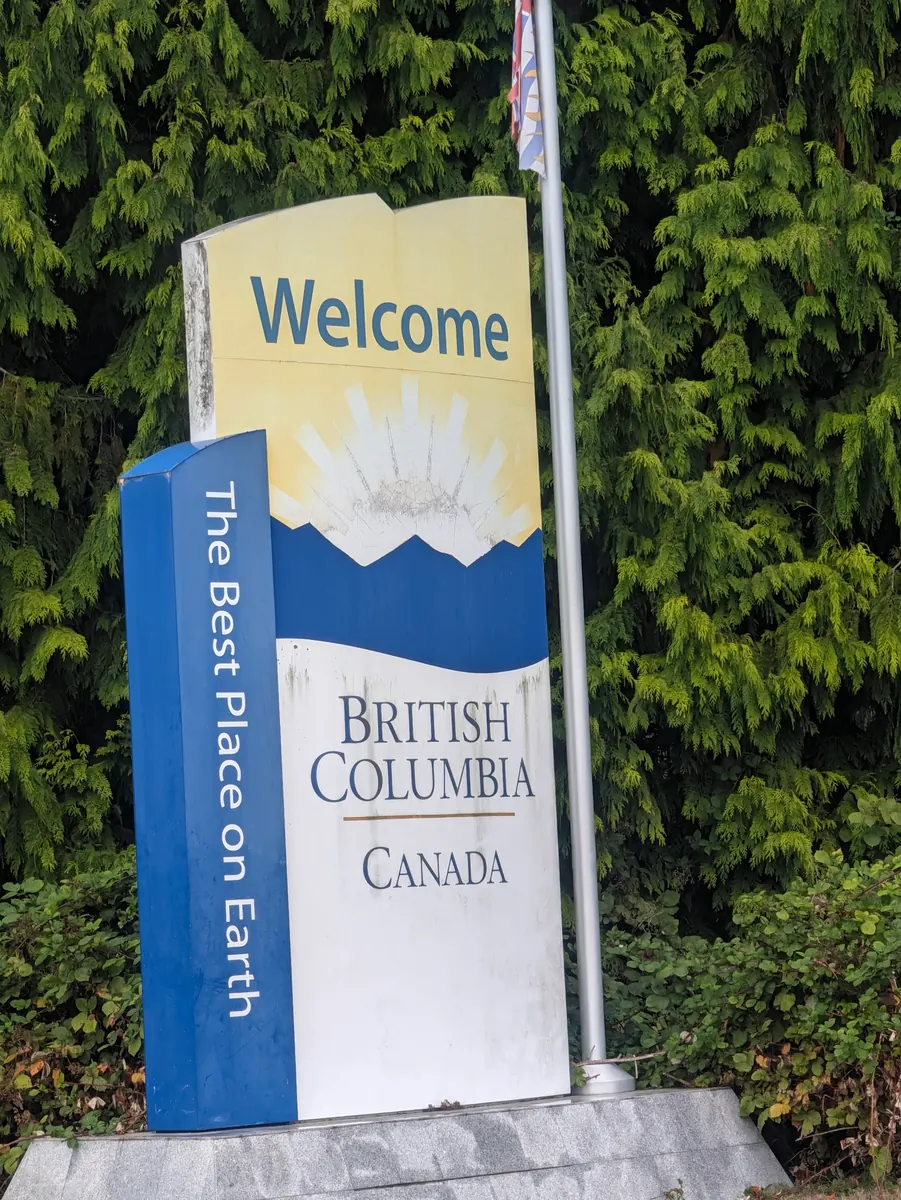
Over the border on foot, and into Canada
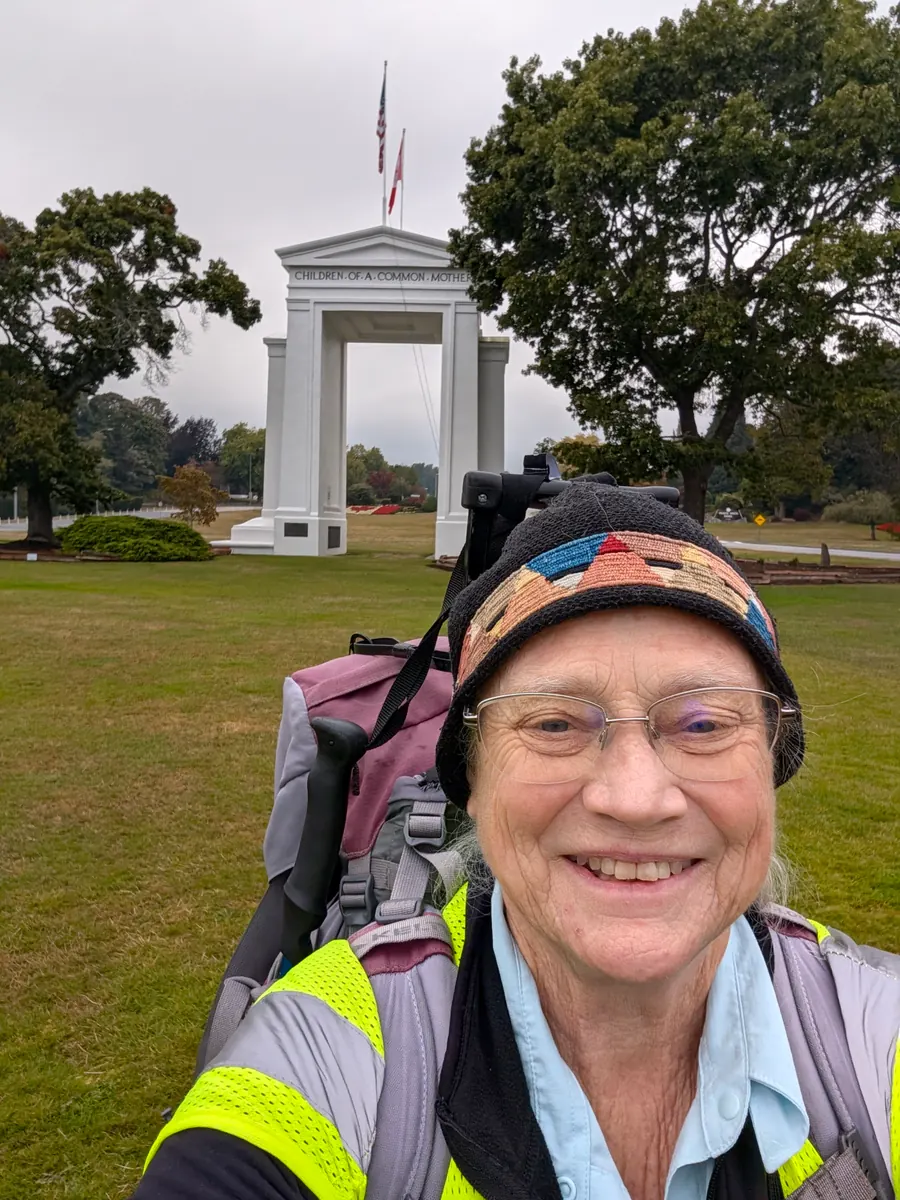
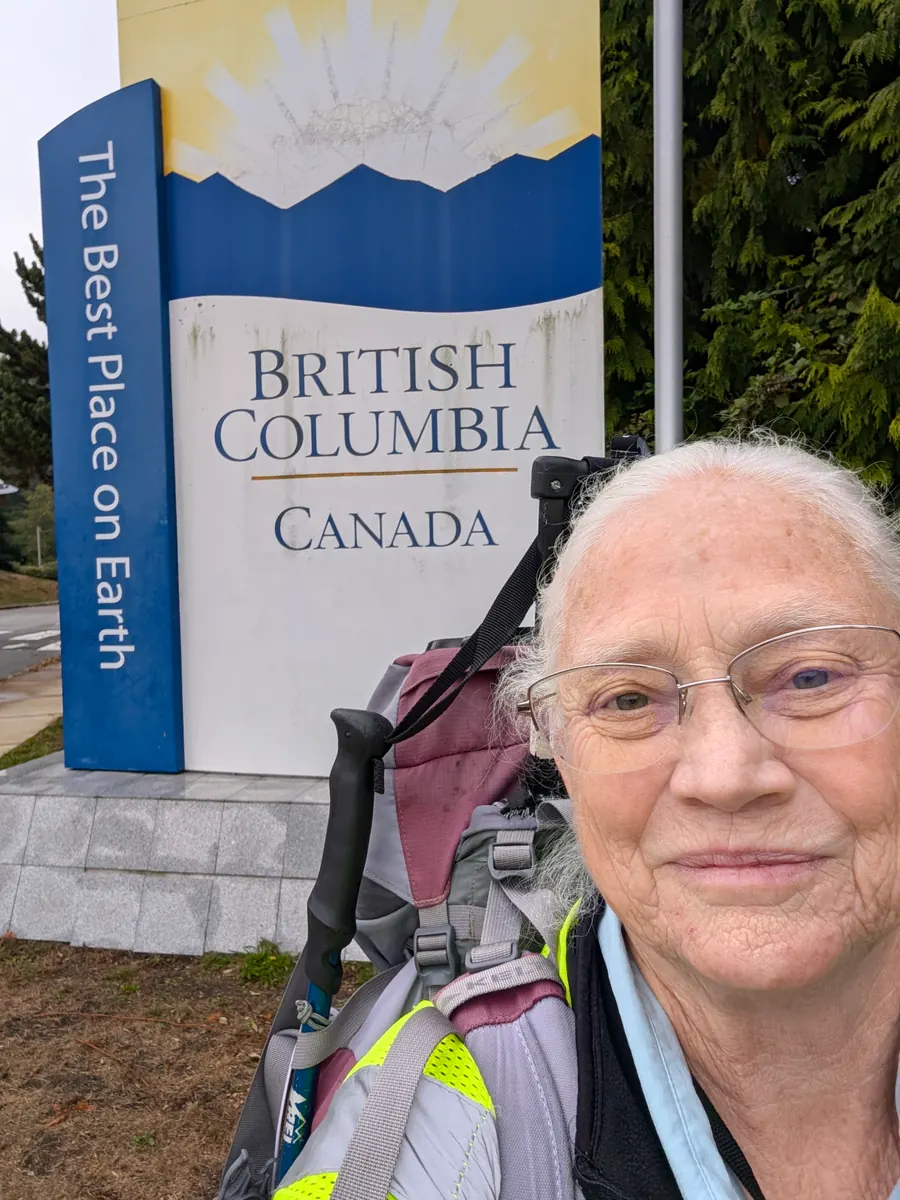
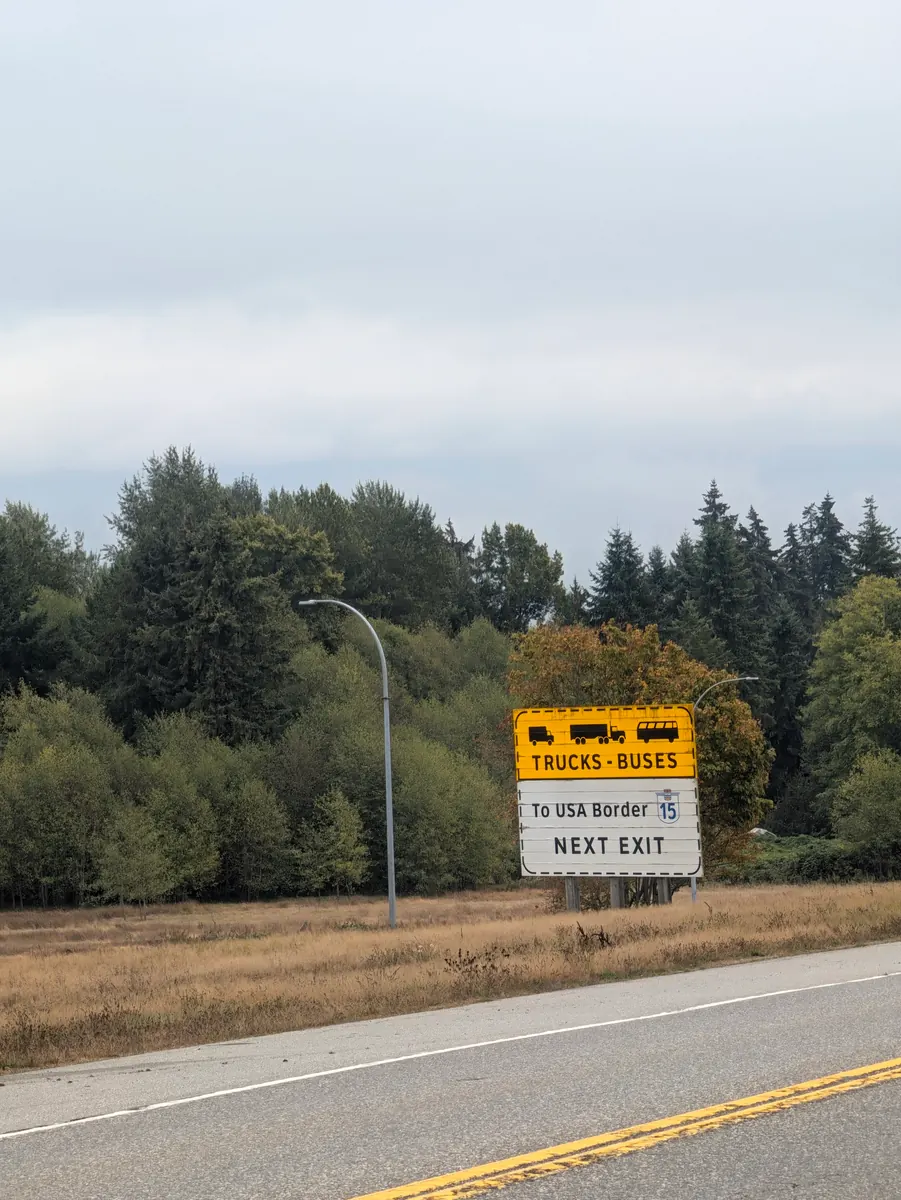
This was the day she walked over the border into Canada. Two days of rest behind her, and the cold not quite gone, she decided she could manage a short walk up to Elgin, in South Surrey, British Columbia.
At the crossing they asked a great many questions, making sure she was really doing what she said she was doing: walking to encourage people to join a stem cell and bone marrow donor registry — in Canada, the Canadian Blood Services Stem Cell Registry. They looked at the Foundation’s website, and then they understood her intention and her purpose.
It was a short day, just under five miles with the pack, and she found a Best Western to rest in. Her muscles were still achy and she was not back to full strength, so she wanted to be gentle with her body.
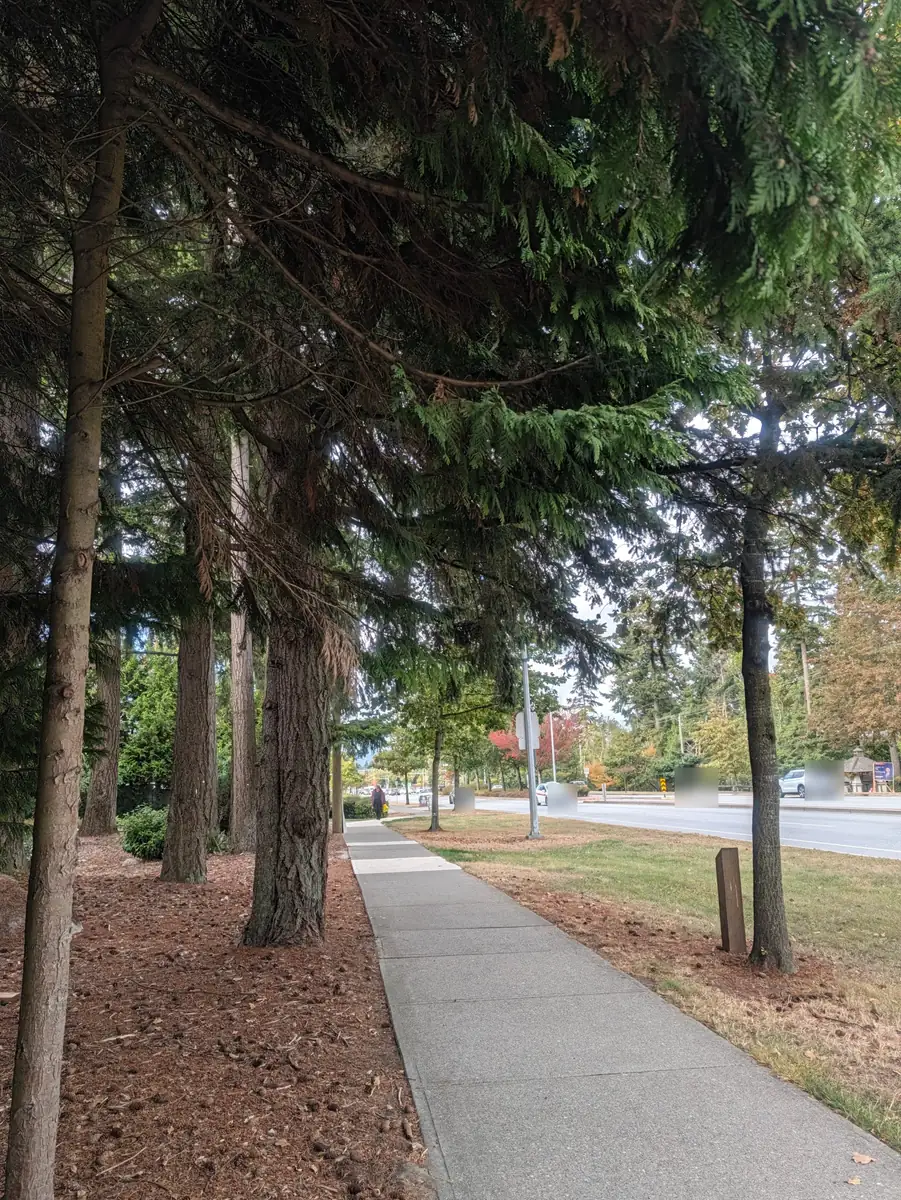
After checking in she rested, and then took some of the next day off the front of it. Eleven miles were planned, so she walked three up the route and three back without the backpack, which would help her immensely in the morning.
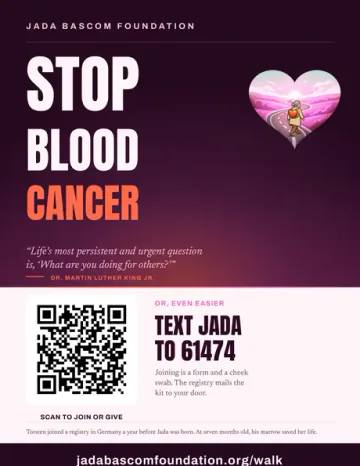
She talked to several people along the way and explained that her purpose is to encourage people to become potential donors, and how they can join through Canadian Blood Services. The tag round her neck does the work: people photograph the QR code, and it takes them to a link on the Jada Bascom Foundation website to join the Canadian Blood Services Stem Cell Registry.
People have been generous. She walked into a pizza shop and asked whether she could sit at a table for a moment after using the restroom. The proprietor nodded, and then asked whether she would like a piece of pizza. She happily accepted. It was delicious.
I rely on the generosity of others for my food and my housing.
- Distance walked
- 10.2 miles
Choose where you live
Continue to the official registry that serves you. It decides eligibility, handles registration and contacts you if you may match a patient.
Choose an official registry directly:
Browse all official registry options
Eligibility rules can change. Confirm the current requirements with the official registry before joining.
Give to the Jada Bascom Foundation
Choose a symbolic amount or enter your own in Givebutter. Your donation supports JBF’s work wherever it is needed most.
Sponsoring a mile, a day or a stop is a way of describing a gift to the Jada Bascom Foundation. It does not purchase anything on the route.
$100.00 is a suggested amount. Confirm or change it in Givebutter.
Sources
Local history and background reading for this stop.
- World Marrow Donor Day 2026 — checked Sep 5, 2026
- Farm Kids teacher notes — checked Sep 5, 2026
- Stewart Farmhouse — checked Sep 5, 2026
- Jada, Torsten and the reason for the walk — checked Sep 25, 2026
- Join the donor registry — checked Sep 5, 2026
- Stem cell donation eligibility and registration — checked Sep 5, 2026