Day 40 · Planned
Bone Marrow Awareness Day — Hood Canal
US Highway 101, Hood Canal, Mason County, Washington
Hood Canal: the last pause before the South Sound
This day on the route
- Planned date
- The day
- Awareness Day
- Planned walking
- No planned route miles
Day 40: planned Hood Canal Awareness Day, with no planned route miles. A public meeting time and place must be confirmed separately.
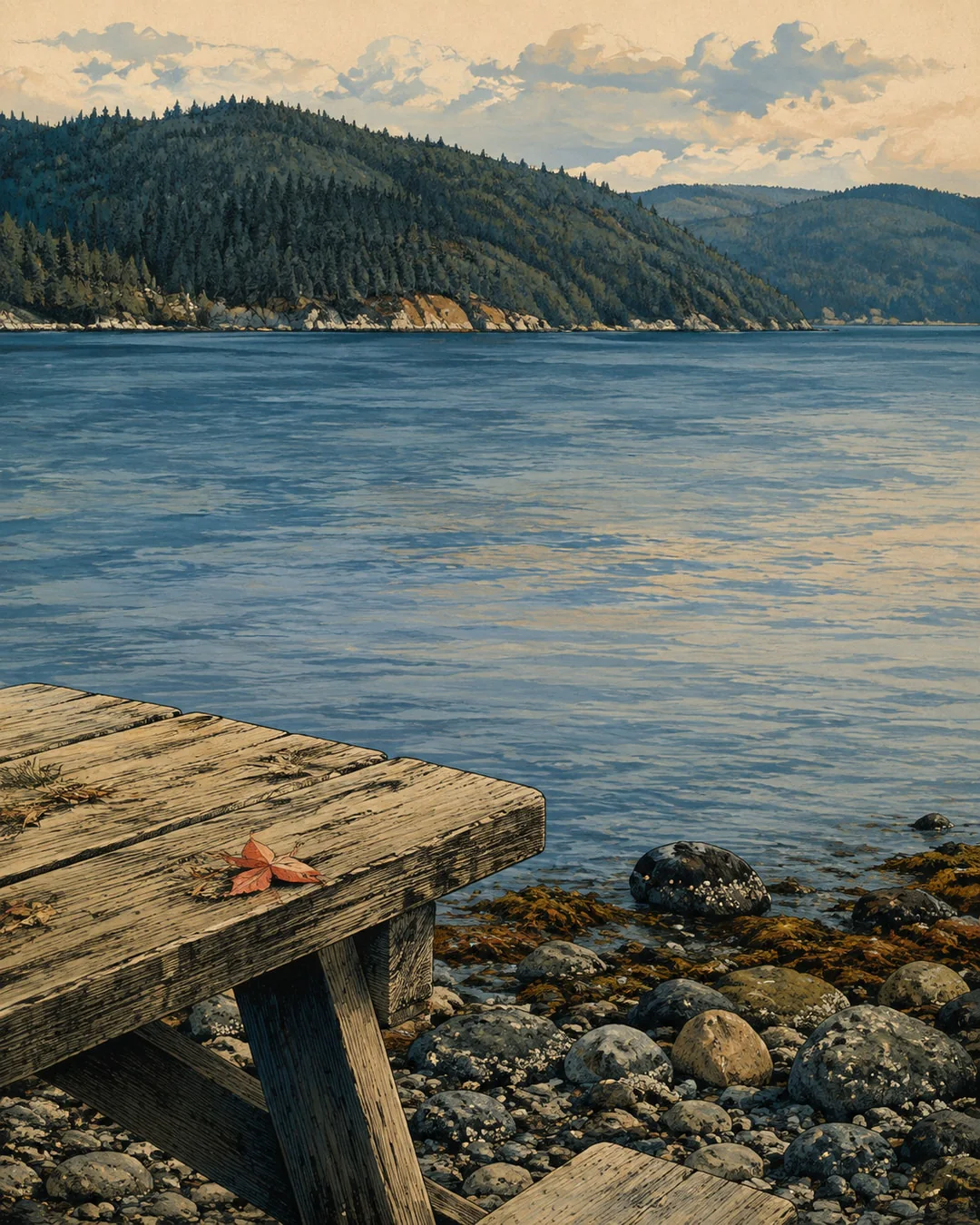
The ninth planned Awareness Day remains on Hood Canal. No route miles are scheduled before the final chapter through Shelton to Olympia.
The itinerary places an Awareness Day after Potlatch and before Shelton. It closes a chapter shaped by the western shore of Hood Canal: Brinnon, Triton Cove, Lilliwaup and the Great Bend. The following chapter moves toward the South Sound and Washington’s Capitol.
The park histories along this section show how public shoreline access was established and maintained. At Dosewallips, river sediment creates extensive tidelands; at Potlatch, postwar development prompted efforts to preserve waterfront for public use. The estuary and the protected waterfront tell different parts of the canal’s shoreline story.
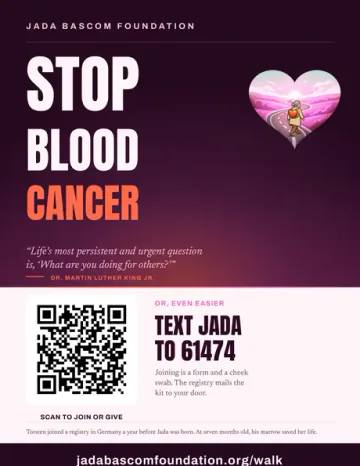
The campaign asks readers to consider a different kind of participation through an official donor registry. Joining is voluntary, and the registry provides the requirements and process. Readers following this shoreline chapter can begin with that information, wherever they are.
Choose where you live
Continue to the official registry that serves you. It decides eligibility, handles registration and contacts you if you may match a patient.
United States — NMDP
NMDP accepts new registry members who are 18 to 35, live in the US, its territories or freely associated states, can meet NMDP’s health guidelines, and are not already registered through another US organization. Joining happens at home: you answer a few questions on NMDP’s site, they mail you a free cheek-swab kit, and you swab and send it back. Once you are a member you stay listed until you are 61 unless you ask to be removed — 61 is when NMDP takes you off, not an age at which you can join. NMDP makes the final eligibility decision.
Check the listed age range
NMDP — Join the registry · checked Sep 1, 2026
Prefer to text? Send JADA to 61474 and NMDP will take it from there.
Browse all official registry options
Eligibility rules can change. Confirm the current requirements with the official registry before joining.
Give to the Jada Bascom Foundation
Choose a symbolic amount or enter your own in Givebutter. Your donation supports JBF’s work wherever it is needed most.
Sponsoring a mile, a day or a stop is a way of describing a gift to the Jada Bascom Foundation. It does not purchase anything on the route.
$100.00 is a suggested amount. Confirm or change it in Givebutter.
Sources
Local history and background reading for this stop.
- Dosewallips State Park history — checked Sep 5, 2026
- Potlatch State Park history — checked Sep 5, 2026
- Join the donor registry — checked Sep 5, 2026
- Jada, Torsten and the reason for the walk — checked Sep 25, 2026