Day 13 · Scheduled earlier
Bone Marrow Awareness Day — Bellingham
Bellingham, WA
Bellingham’s four towns and a wider donor search
This day on the route
- Planned date
- The day
- Awareness Day
- Planned walking
- No planned route miles
Day 13: planned Awareness Day in Bellingham, with no planned route miles. A public time and meeting location must be confirmed separately.
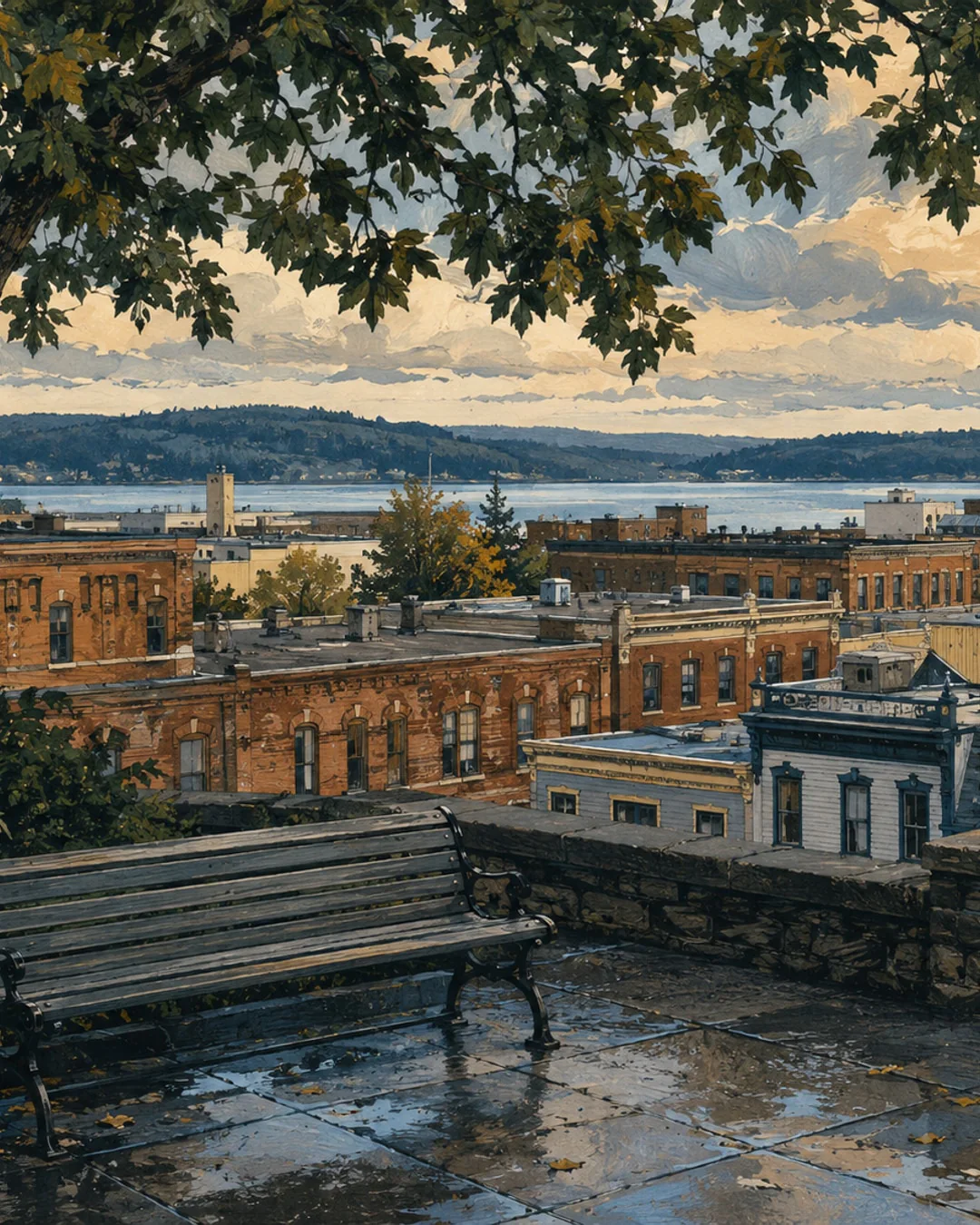
A planned Awareness Day follows the Bellingham walking stage. The city grew from four bayside communities; the day’s reading explores how transplant teams search for donors.
Bellingham grew from four earlier bayside communities: Whatcom, Sehome, Bellingham and Fairhaven. The city’s consolidation chart shows a series of mergers, culminating in the city of Bellingham in 1903. The names survive in the local geography, including Fairhaven on the approach from Chuckanut Drive.
Day 13 is the third planned Awareness Day, with no planned route miles. Its place in the itinerary separates the coastal walking chapter from the next stages toward Custer, Blaine and the international border.
One useful subject for further reading is matching. NMDP explains that HLA information is inherited and that ancestry can affect the search for an unrelated donor. It also describes advances allowing some patients to receive a transplant from a donor who is not a full match. More potential donors give transplant teams a wider search, alongside the treatment options that continue to develop.
From the road
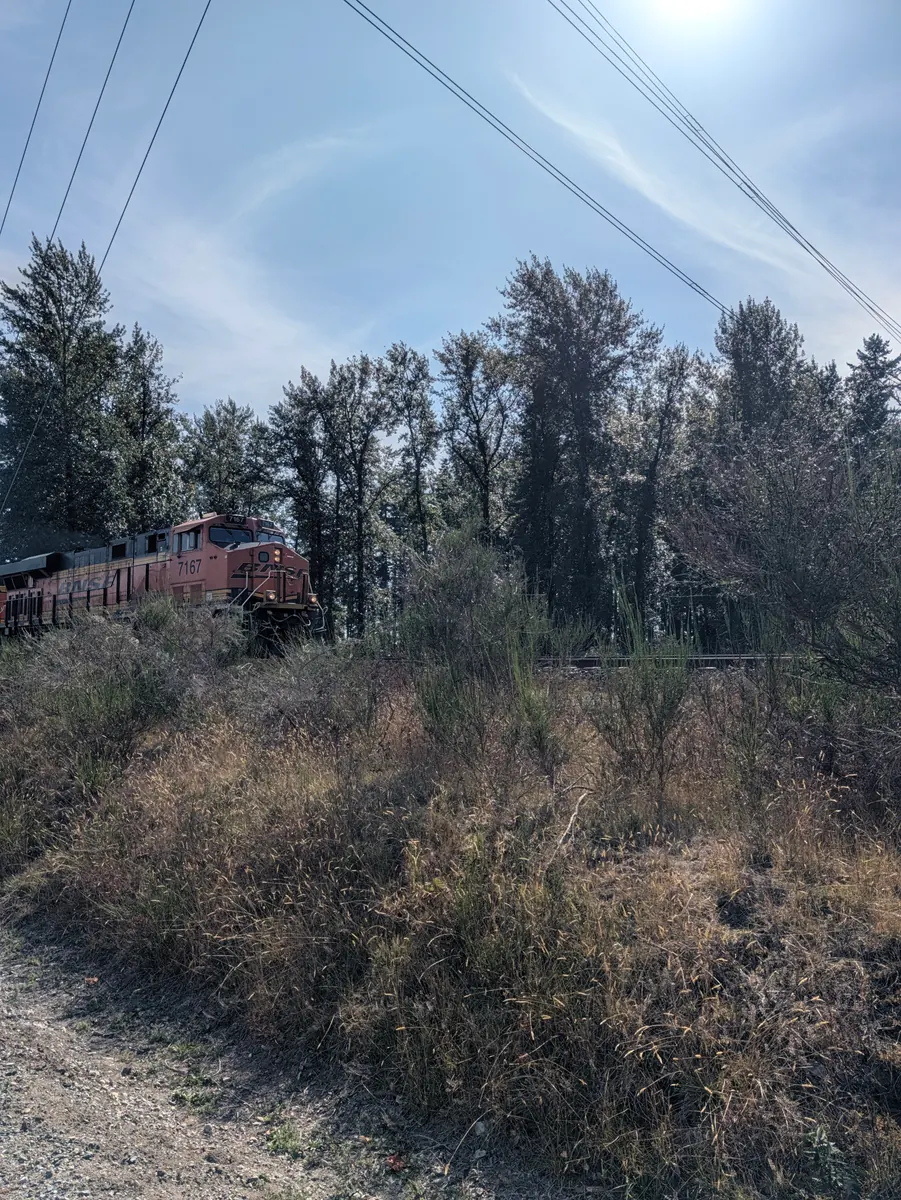
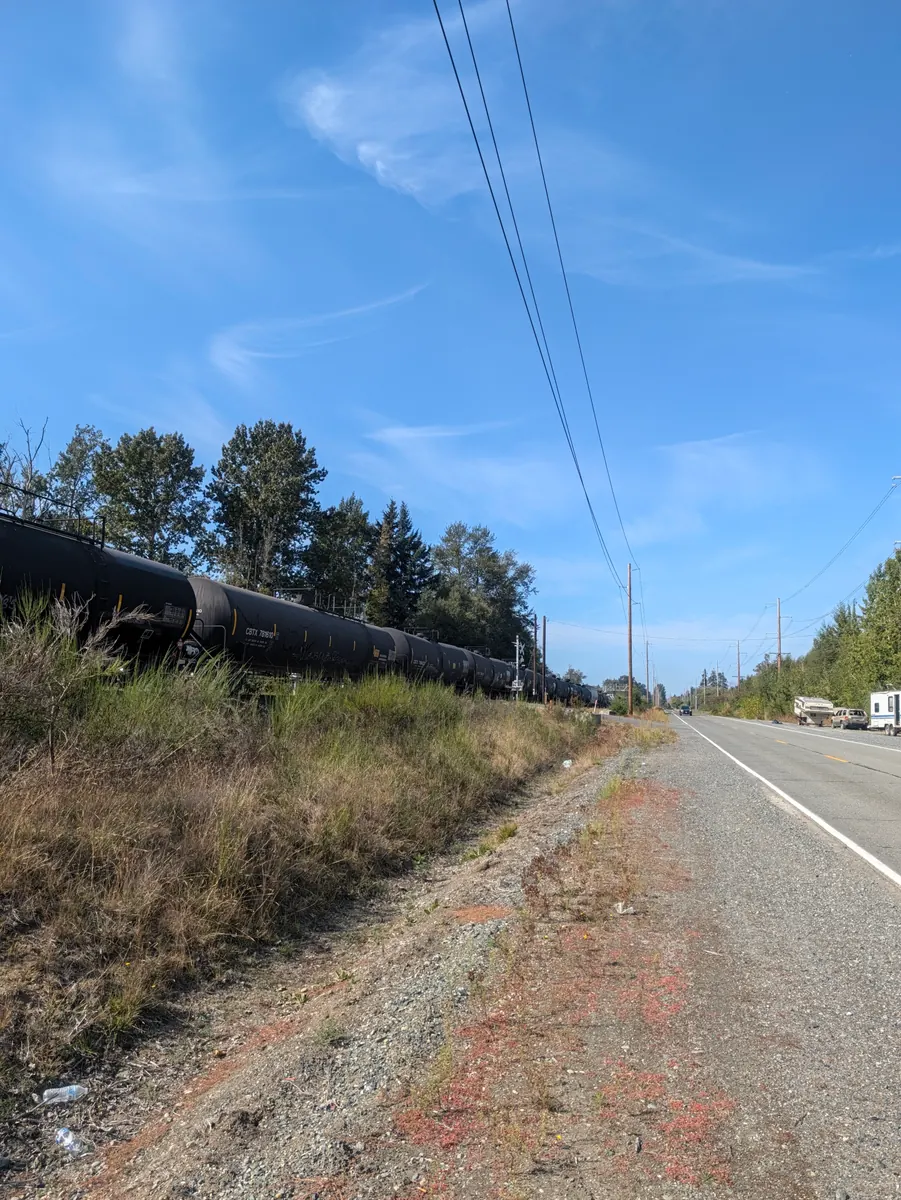
Custer, a long night on her feet, and a stranger’s guest room
The voucher from the Ferndale Police Department meant a proper rest at the Super 8, and she is very grateful for it. She had a bath to soak her muscles, unfurled the tent so every piece could dry, and packed the backpack carefully, in no hurry. She was ready to go at about ten.
She went to the gas station next to the motel to look for a ride back to where she had stopped on the route. As she crossed the store to use the restroom, one of the clerks, Nicholas, took a picture of the QR code on the back of her pack without her knowing. So when she asked whether she could have a bottle of water for the day, he already knew what she was doing and said yes straight away, and he wanted to give her a Subway sandwich as well. She loved knowing that people were photographing the QR code on her backpack to find out what she was doing.
Out at the pumps, the second person she asked for a ride said yes. Craig drove her back to the fire station, and they had a nice visit on the way.
Not far into the walk she found a bench in a park along Portal Way and ate the sandwich. She doesn’t speak to her family on the phone much; they text so that they know she is safe. But with her phone and her backup battery both charged, she had a good talk with her daughter, and that made the day extra special.
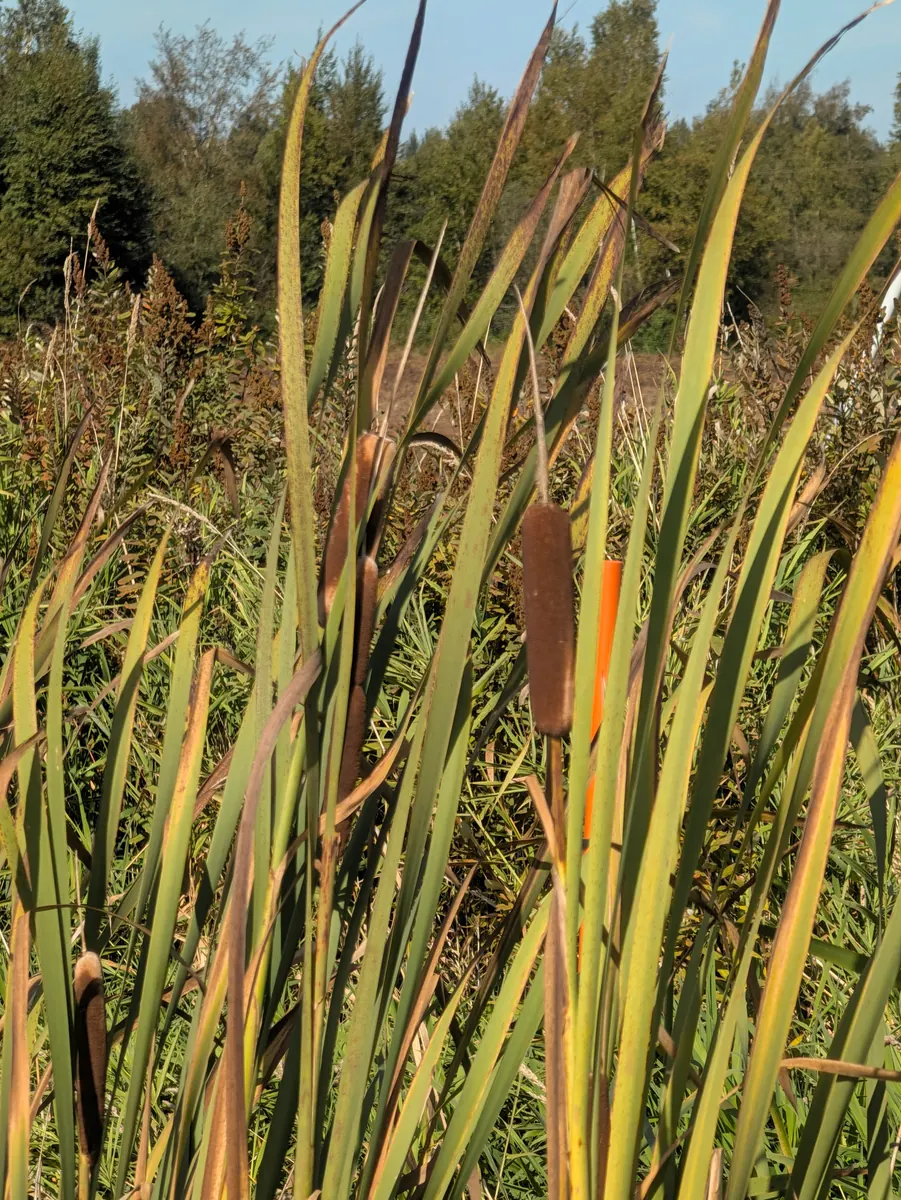
About halfway to Custer she stopped at a petrol station to use the restroom. She was a little dismayed to have lost one of her water bottles along the way, but the man behind the counter was busy and it didn’t feel like the right time to ask. So she went outside to change into her walking sandals. On a warm day it helps to get out of the boots for a mile or two: it cools her feet and helps prevent blisters. While she was sitting there, a young man, a literal angel, came over and handed her a bottle of water, and not just water but water with electrolytes in it. That is what her dear friend Sheikha Amina calls the divine surprise.
As she put her pack on, a woman came up and handed her ten dollars for the Jada Bascom Foundation, to help save lives. Then a man, his son and his sister stopped to see what she was doing and took a copy of the QR code she wears round her neck, which leads to the Foundation’s website and from there to joining NMDP. Simple and direct. That one small stop was full of the unexpected.
In Custer she went to Tony’s Tavern, and they charged her phone. She was sitting at the bar when a woman with blonde hair came in, and they both did a double take: it was the woman who had given her the ten dollars while she sat on the ground seeing to her feet. Her name is Susie, and she very generously offered to buy Jeana lunch.
Everyone at the bar tried to help her find somewhere for the tent. Someone suggested the school, empty for the weekend, and she walked over. There were secluded, comfortable spots, but without permission it felt like trespassing. She asked a man at a garage whether she could put her tent there, but it wasn’t his land, he said; he was only repairing cars there, so he couldn’t give permission. So she walked on. It went on like that, asking and accepting whatever answer came without judgment, and what she felt through all of it was the love and care people were extending to her, even when they couldn’t help. She couldn’t find a place to sleep, and still she felt surrounded. Wrapped in love.
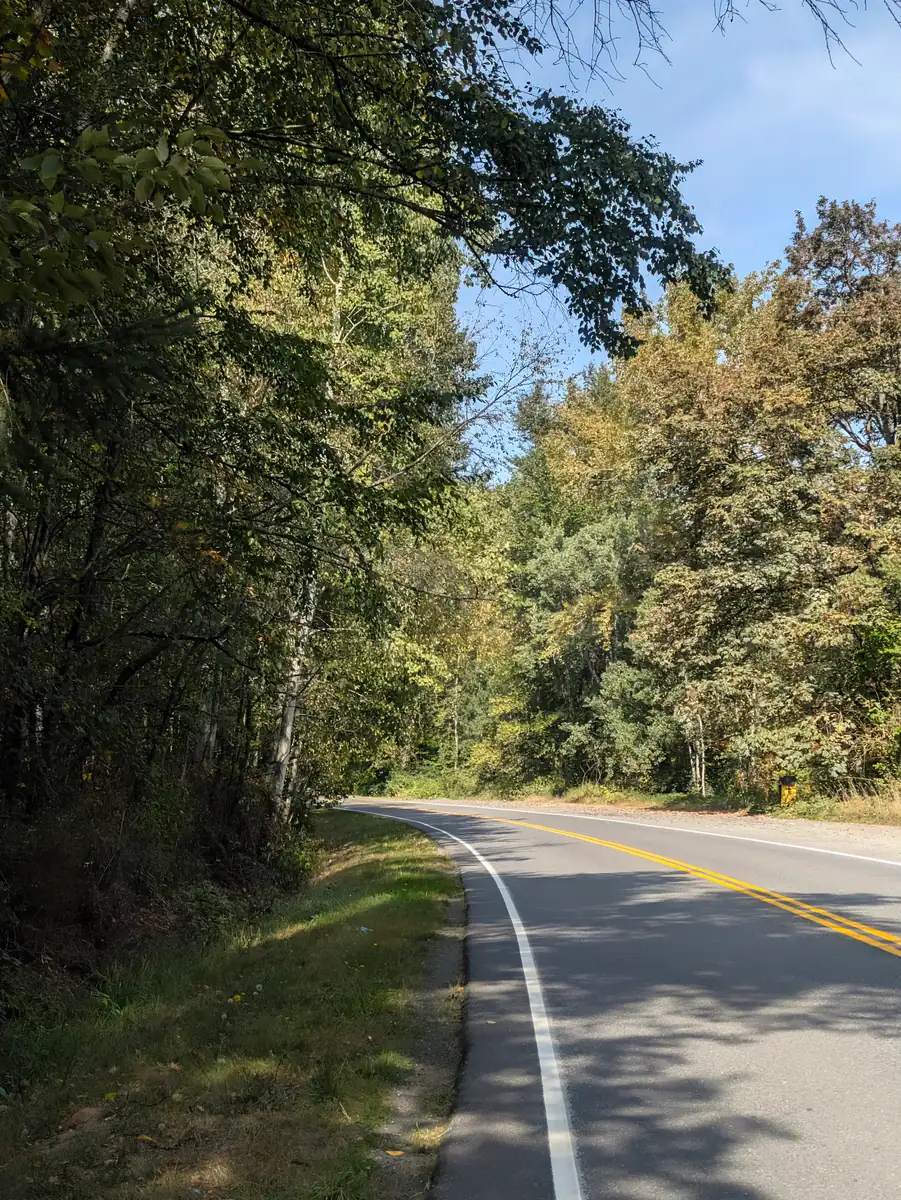
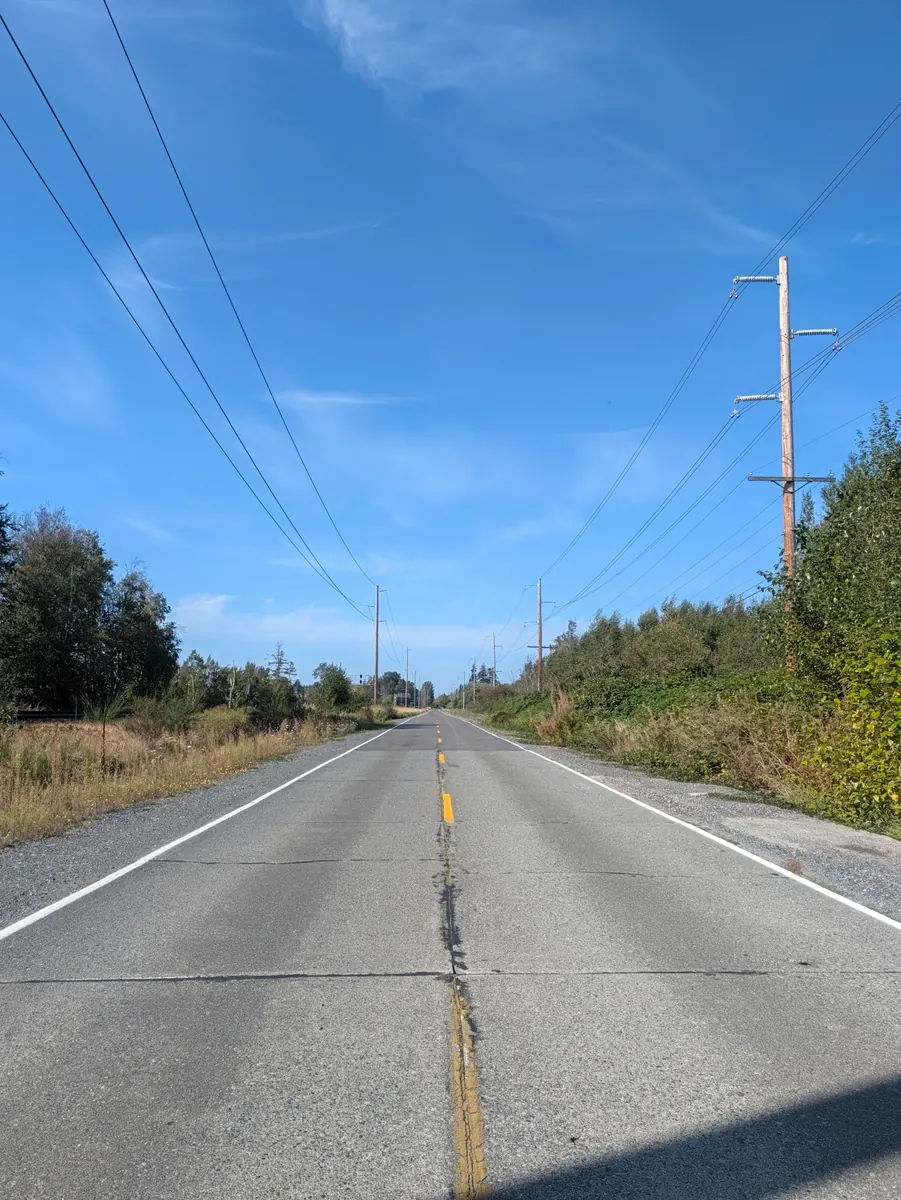
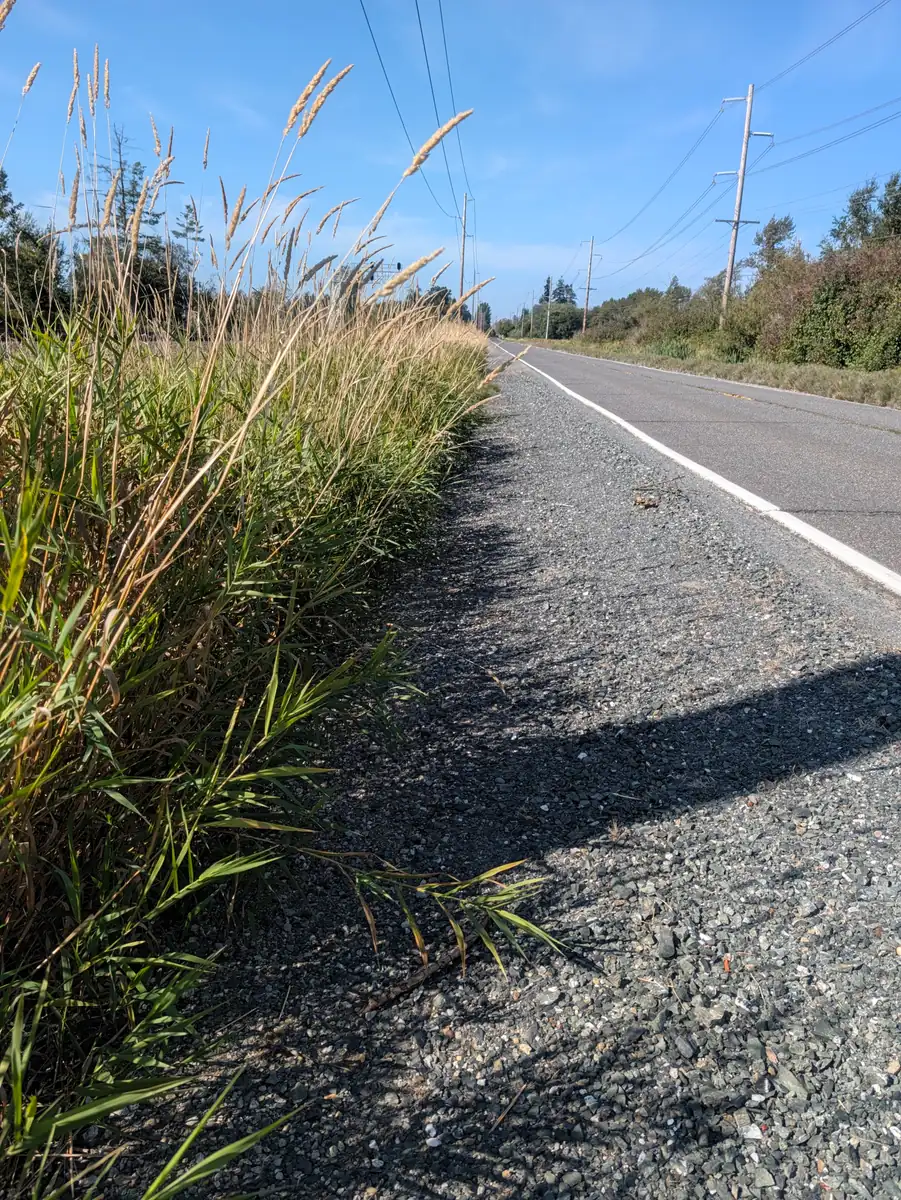
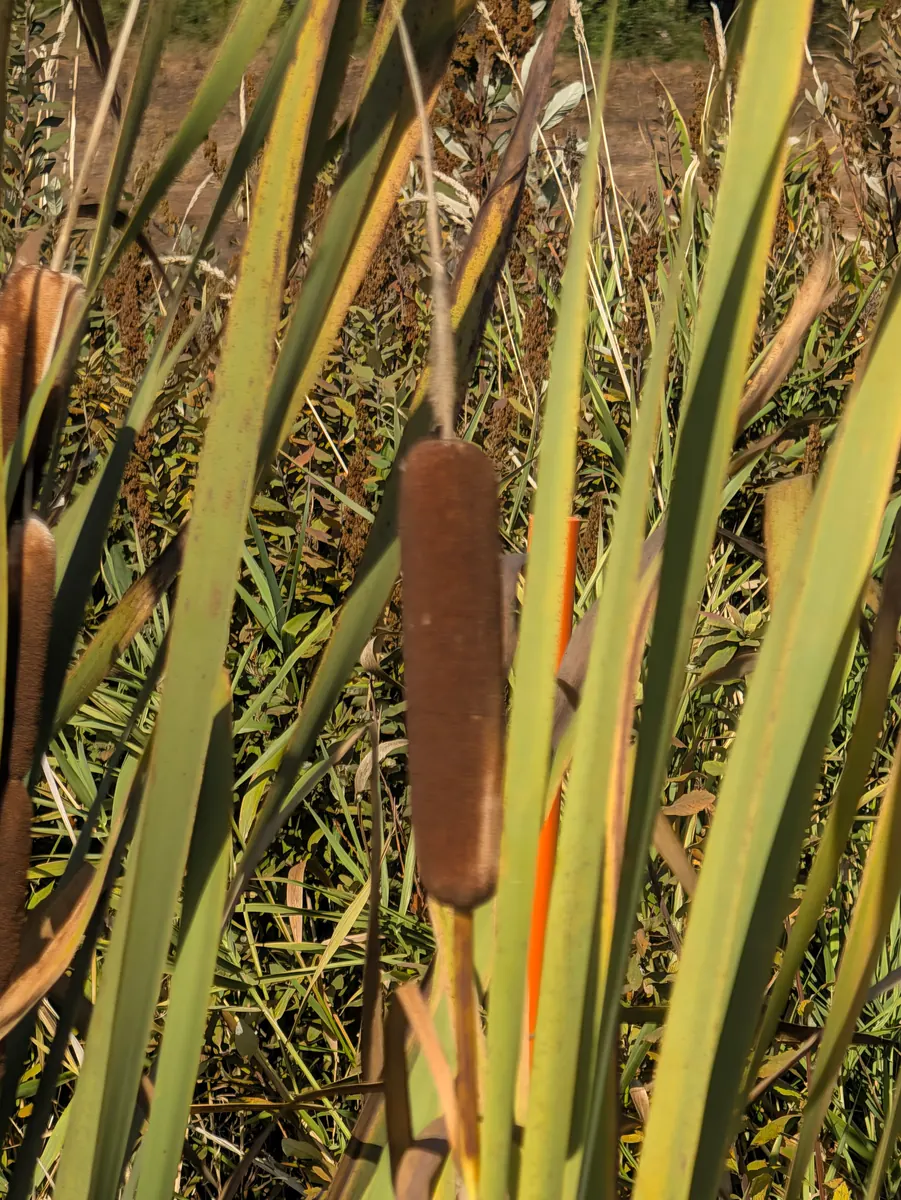
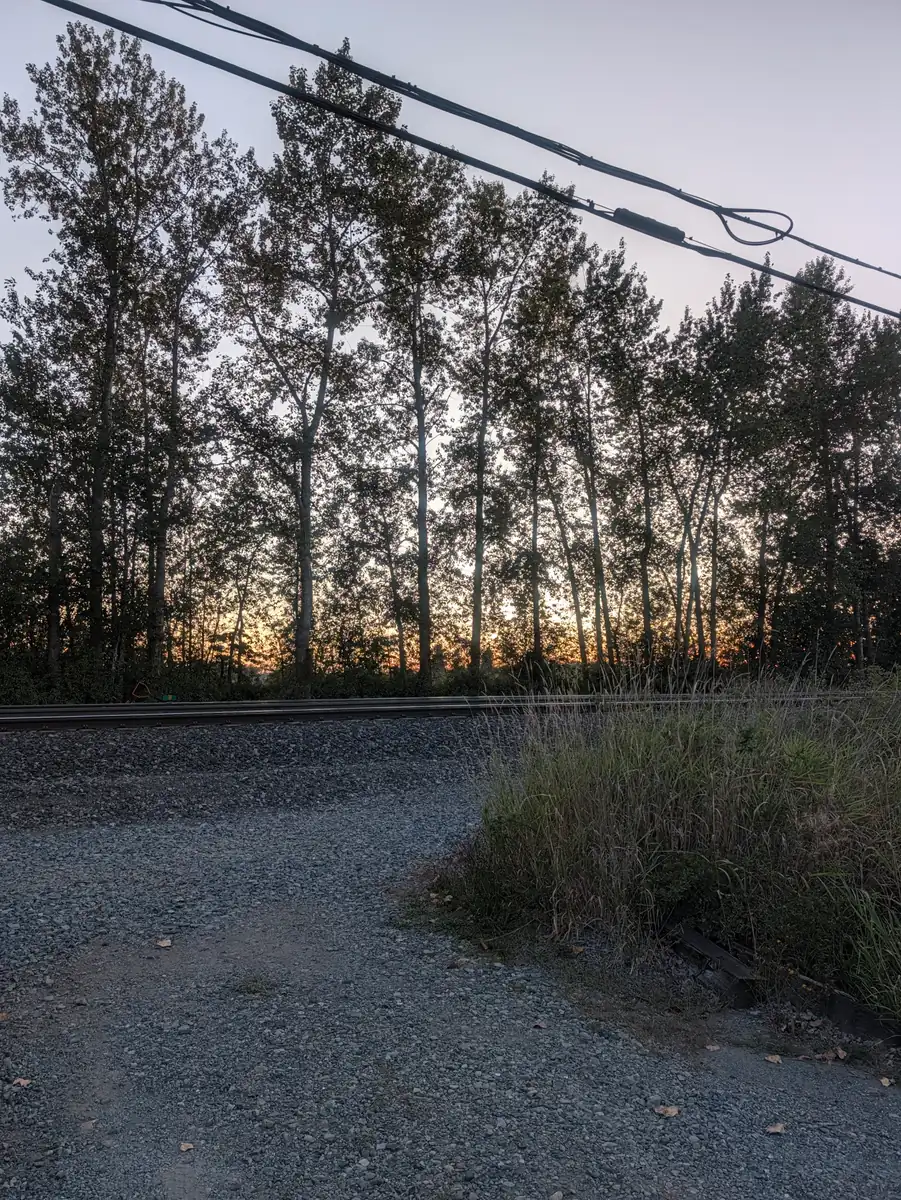
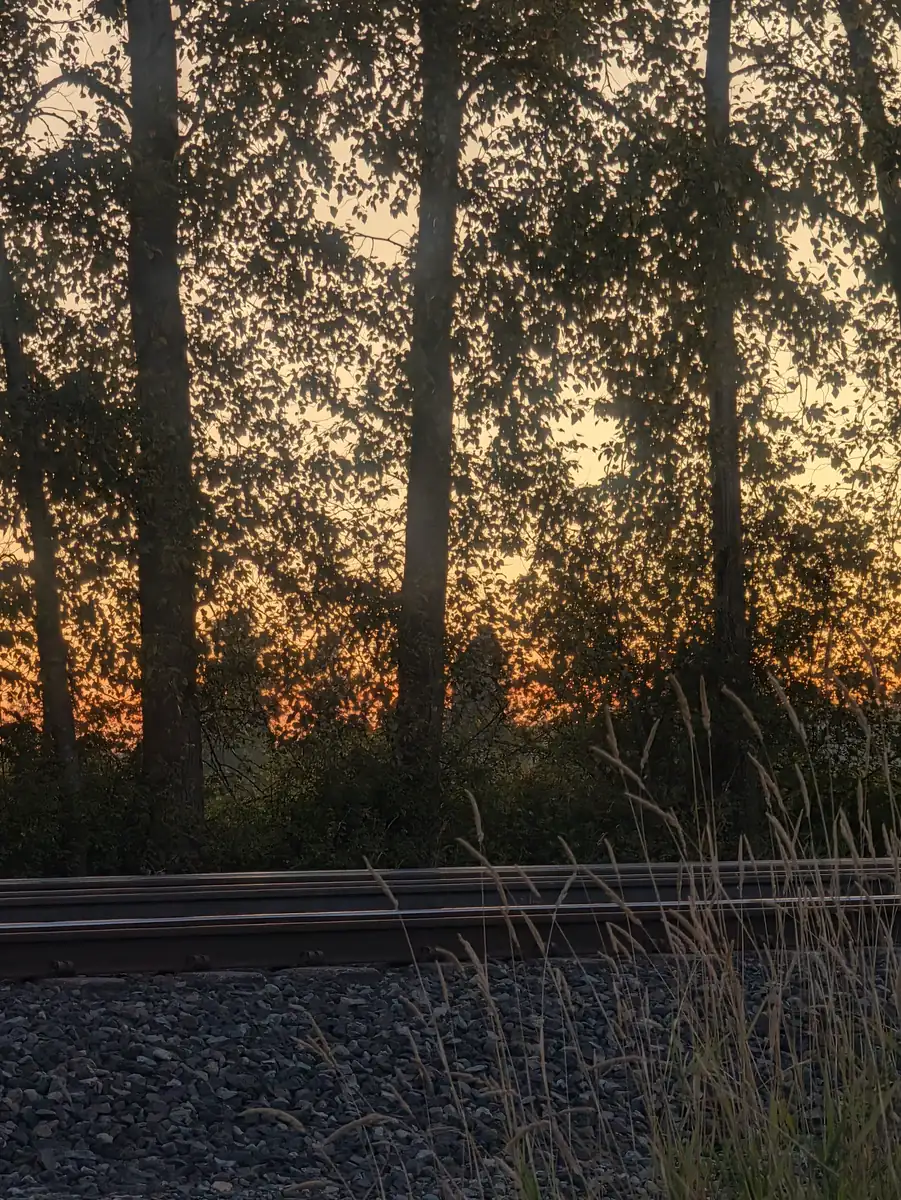
Along the road she met another walker in a bright yellow vest just like hers, who told her there was a shopping centre about two miles on. Her last steps along the shoulder were hard to see, with the forest making it very dark, but the sky above was that beautiful twilight blue just before darkness falls, and she reached the shopping centre before she was walking in the dark.
She talked to a lot of people there, a man named Nicholas at an Arco station and a beautiful young woman at Sahara Pizza among them, but there was no good place to sleep. At about half past ten she laid her sleeping bag out beside a chain restaurant and slept for about an hour. When she woke she was not comfortable enough to sleep again, so she packed up and walked circuits of the outdoor mall, looking for anywhere she could simply close her eyes, back and forth to the gas station for the restroom, until very nearly two in the morning.
By then the gas station had closed its restroom too, and she said goodbye to Nicholas as he left. Just then a man pulled in, thinking the station was open all night, and they got talking. He could see she was stranded. What she needed, she thought, was a ride to Blaine: she had walked many miles of circuits around the mall and worked out what she had left, so that she could get back to the right starting point on the route in the morning. He offered her the ride, and they talked on the way, and he shared some of his own story with her. When he asked where she would stay, she explained that she relies on the generosity of others for food and a bed and had nothing arranged. He had a guest room, he said, and she could do her laundry in the morning. He asked that his name not be used.
She slept in his guest room, happy and warm, and relieved to be somewhere safe where her body could get the rest it needed after that long day.
What she really wants to say is this. While she walked those circuits of the shopping centre, she felt embraced by the love people had shared with her all day. She was not scared, or depressed, or discouraged. She walked with her heart open to whatever the night held. She puts that down to her years of training as a Buddhist and a peacemaker, and to the support and love she had been given that day, which kept her open to what was possible.
The road is a good teacher for being in a place of not knowing: being open to what’s right in front of you, rather than thinking that you know how things are going to happen.
- Distance walked
- 12.2 miles
Choose where you live
Continue to the official registry that serves you. It decides eligibility, handles registration and contacts you if you may match a patient.
United States — NMDP
NMDP accepts new registry members who are 18 to 35, live in the US, its territories or freely associated states, can meet NMDP’s health guidelines, and are not already registered through another US organization. Joining happens at home: you answer a few questions on NMDP’s site, they mail you a free cheek-swab kit, and you swab and send it back. Once you are a member you stay listed until you are 61 unless you ask to be removed — 61 is when NMDP takes you off, not an age at which you can join. NMDP makes the final eligibility decision.
Check the listed age range
NMDP — Join the registry · checked Sep 1, 2026
Prefer to text? Send JADA to 61474 and NMDP will take it from there.
Browse all official registry options
Eligibility rules can change. Confirm the current requirements with the official registry before joining.
Give to the Jada Bascom Foundation
Choose a symbolic amount or enter your own in Givebutter. Your donation supports JBF’s work wherever it is needed most.
Sponsoring a mile, a day or a stop is a way of describing a gift to the Jada Bascom Foundation. It does not purchase anything on the route.
$100.00 is a suggested amount. Confirm or change it in Givebutter.
Sources
Local history and background reading for this stop.
- Bellingham consolidation flowchart — checked Sep 5, 2026
- Matching blood stem cell donors and patients — checked Sep 5, 2026