Day 12 · Scheduled earlier
PeaceHealth St. Joseph Medical Center
2901 Squalicum Parkway, Bellingham, WA
Bellingham’s long history of community care
This day on the route
- Planned date
- The day
- Walking
- Planned walking
- 9 miles
Day 12: nine planned walking miles into Bellingham, ending in the St. Joseph Medical Center area. No hospital-hosted activity or patient access is announced.
Route overview, not turn-by-turn directions.
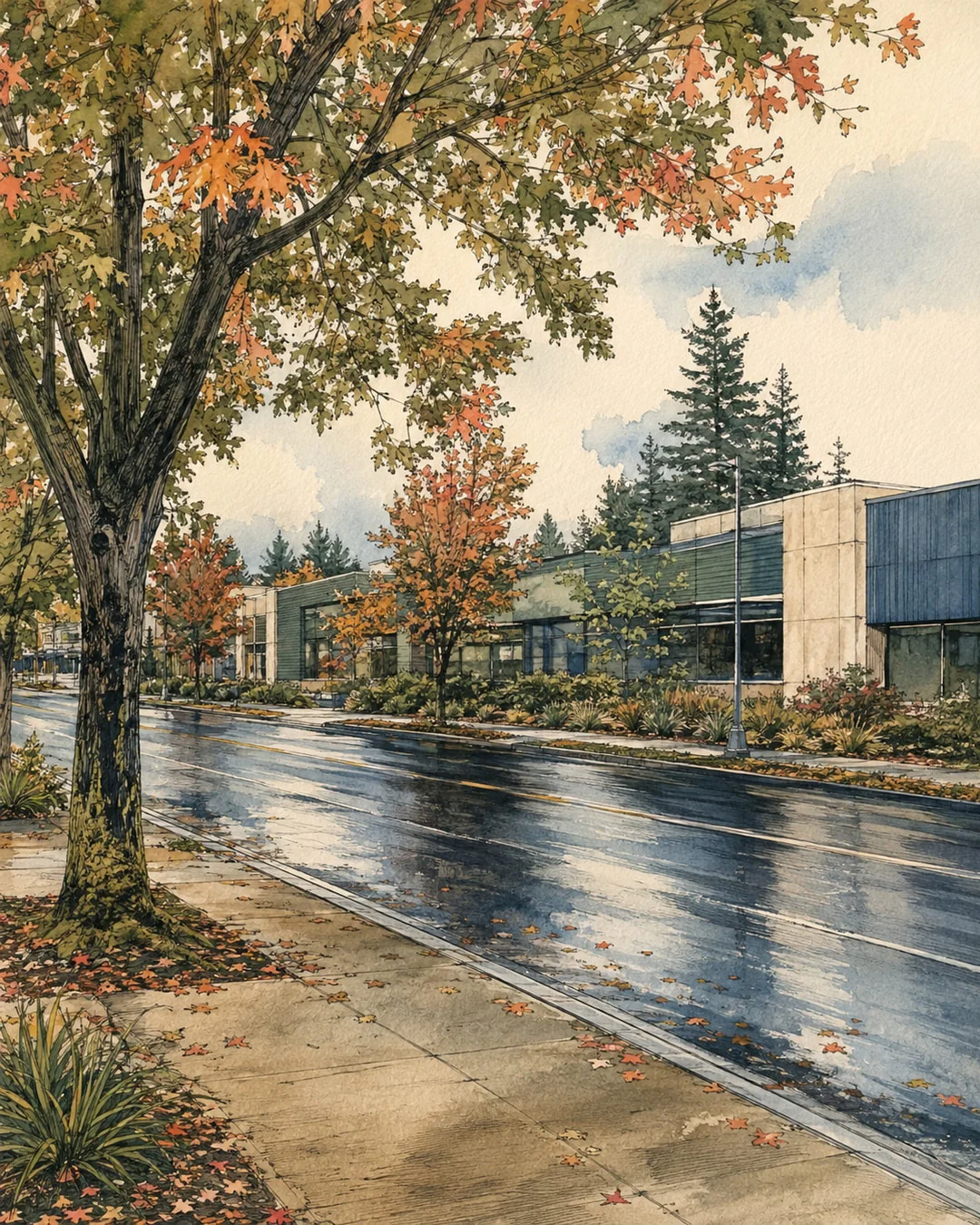
The planned nine-mile leg reaches the St. Joseph Medical Center area. Its community-care history begins in 1891 and continues through the cancer center on Squalicum Parkway.
PeaceHealth’s history begins with two Sisters of St. Joseph of Peace traveling west in 1890 to establish a hospital. St. Joseph opened in Bellingham in 1891. The organization’s account follows the expansion of that community work into a wider regional health system, giving this stop a history that predates modern transplant medicine.
The St. Joseph Cancer Center on Squalicum Parkway brings treatment and support services into that continuing history of community care. Its work places the medical history of this stop in the present as well as the nineteenth century.
For patients who need donated blood-forming cells, transplant teams consider several possible sources, including relatives, unrelated donors and cord blood. NMDP describes the search as clinical work undertaken by the patient’s team, with more potential registry donors still needed. A broader pool of potential donors gives that clinical search more possibilities to consider.
The itinerary places a nine-mile walking stage here, then a separate Bellingham Awareness Day. From the medical-center area, the next chapter continues toward Custer, Blaine and the international border.
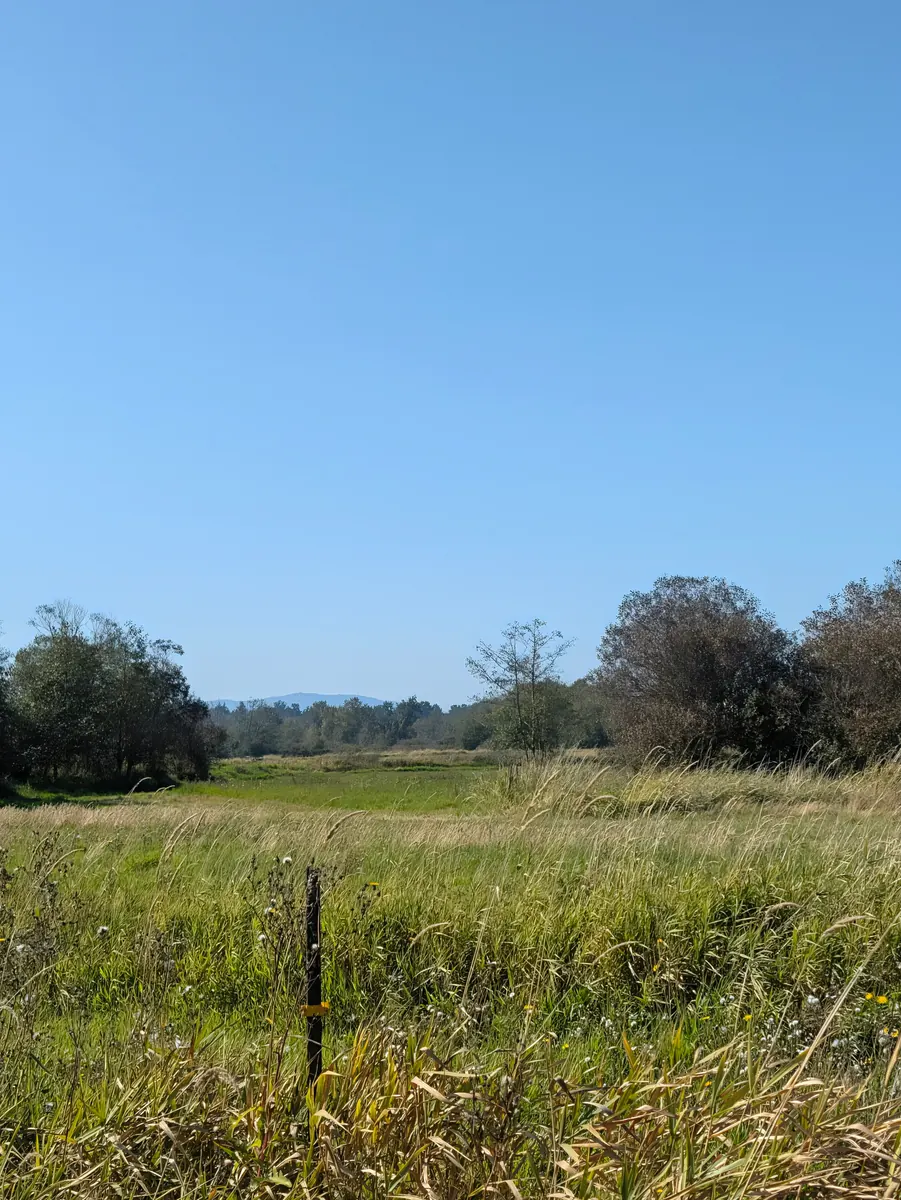
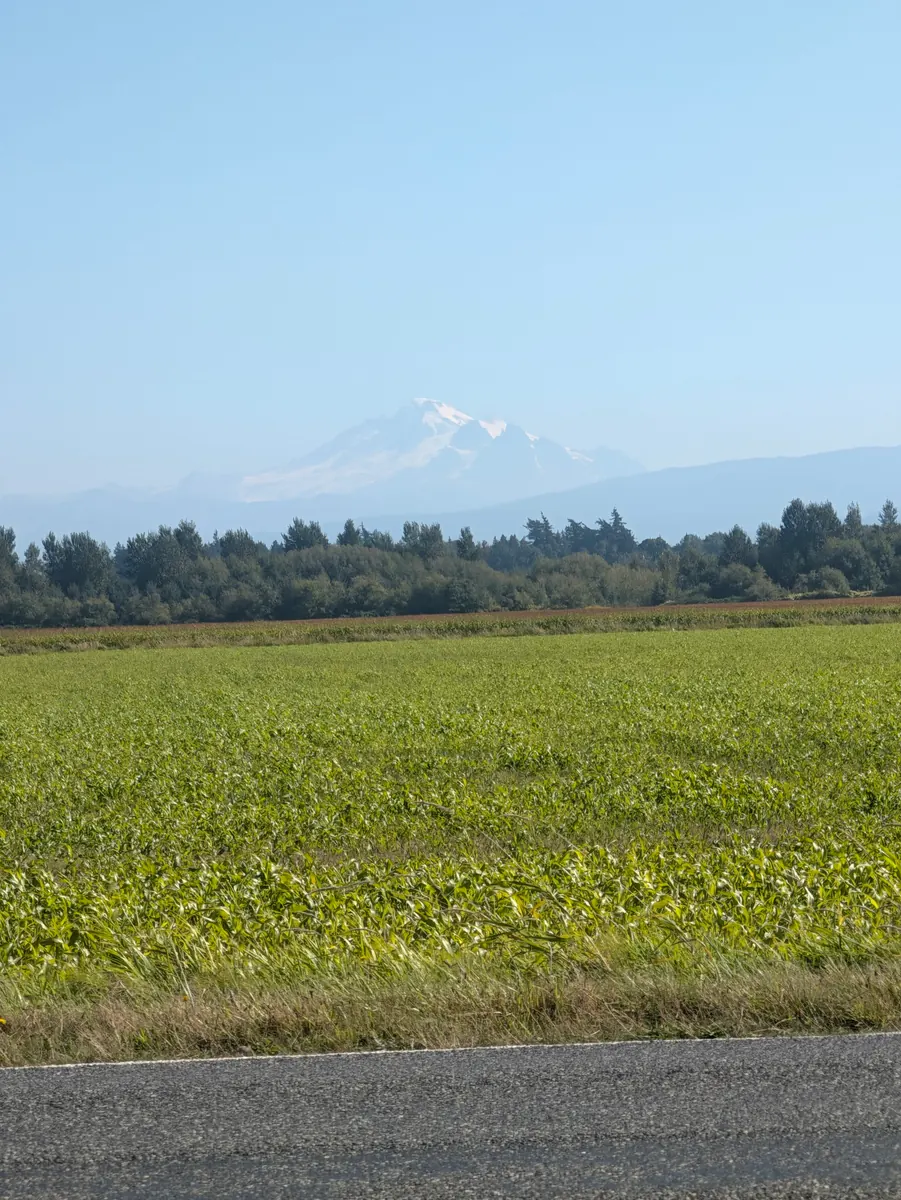
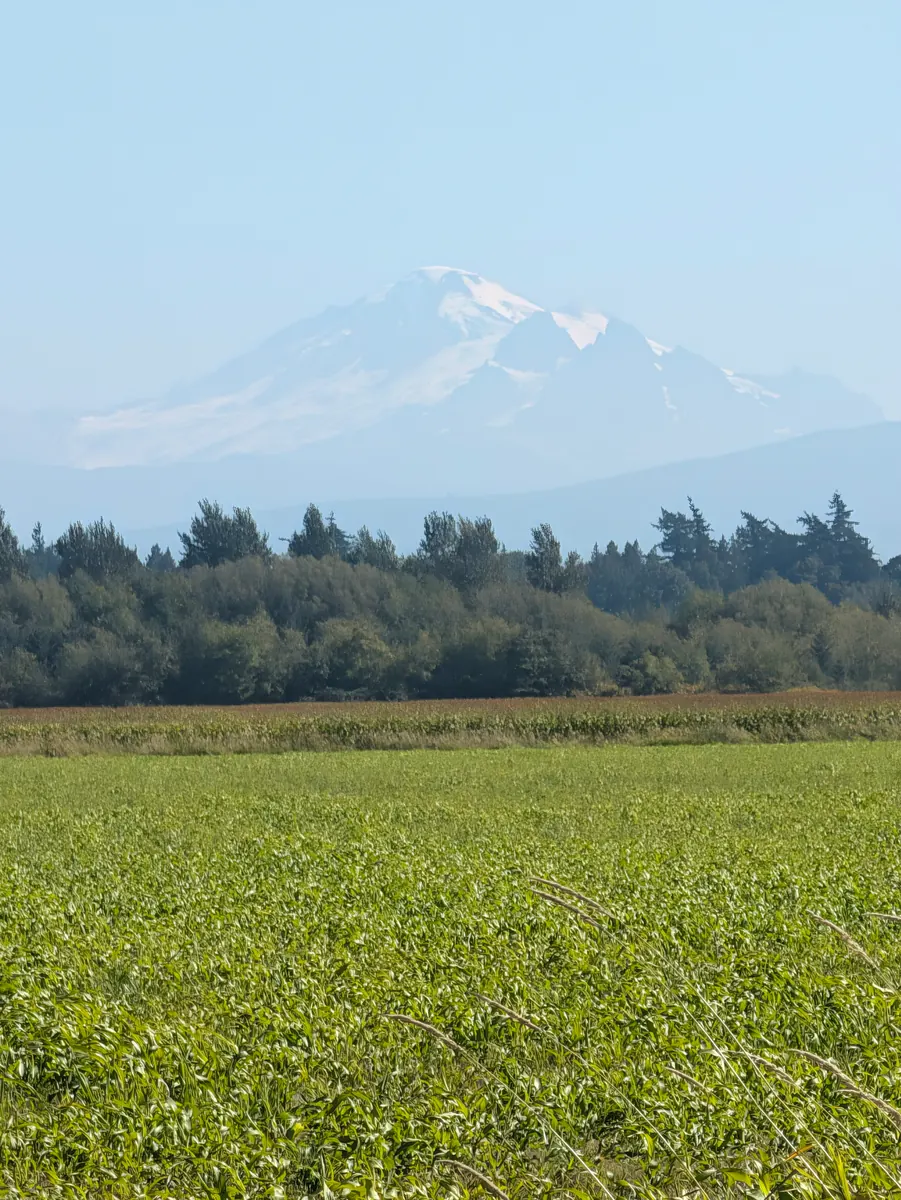
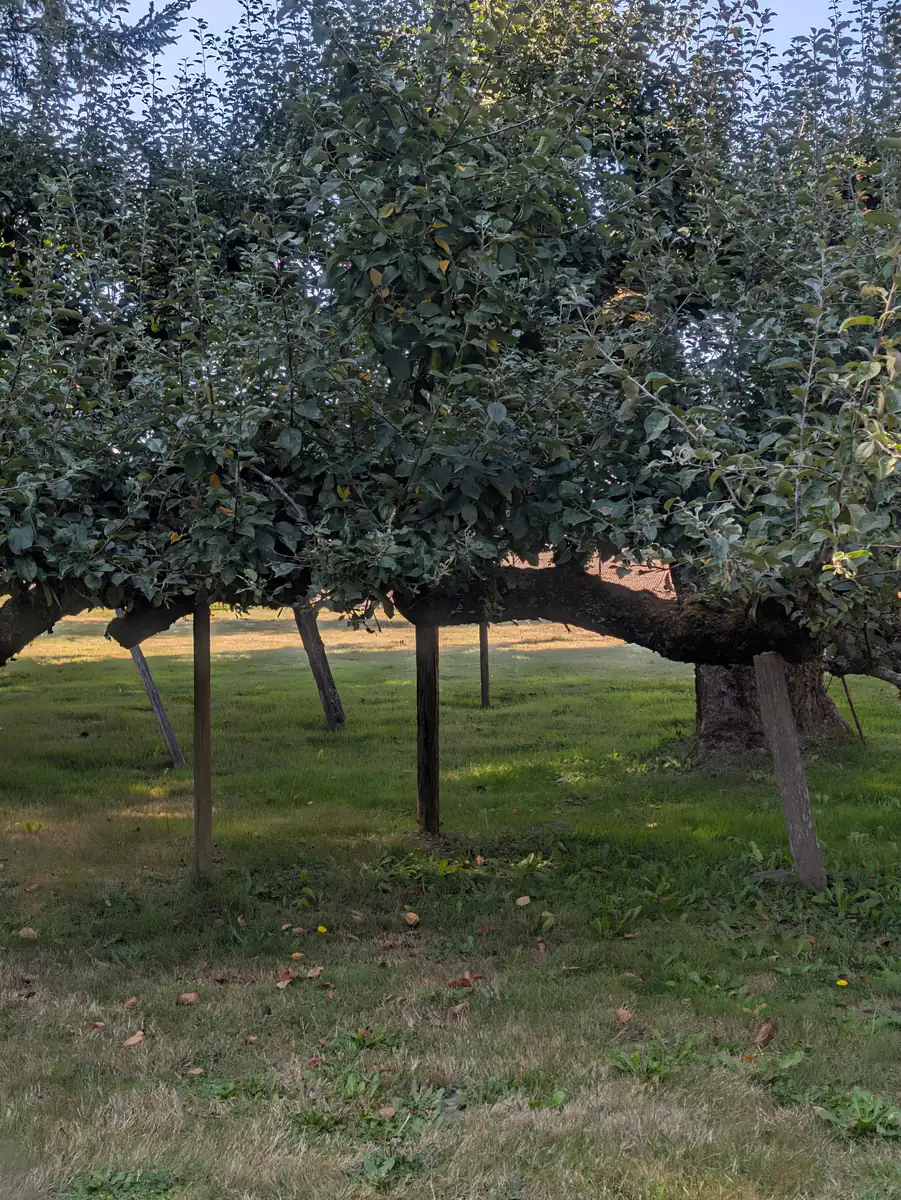
From the road
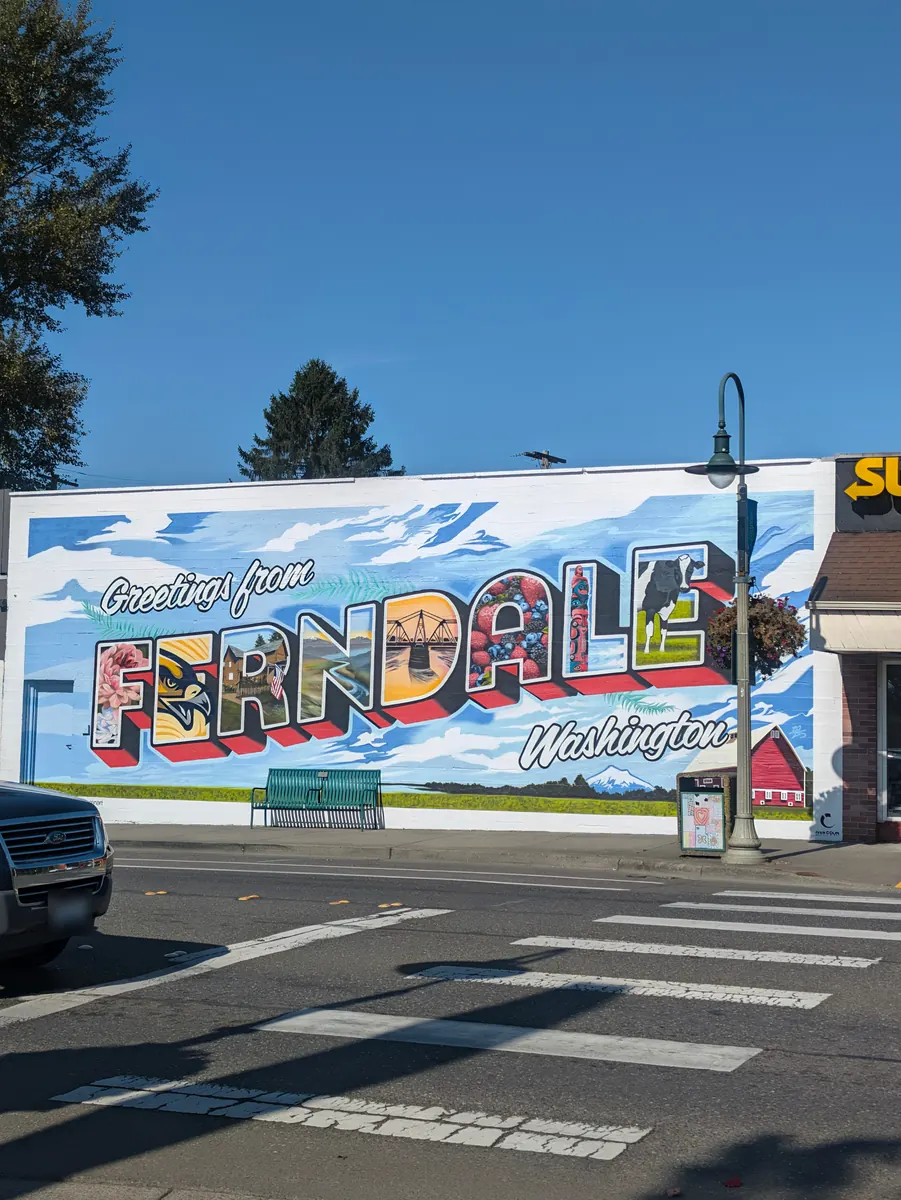
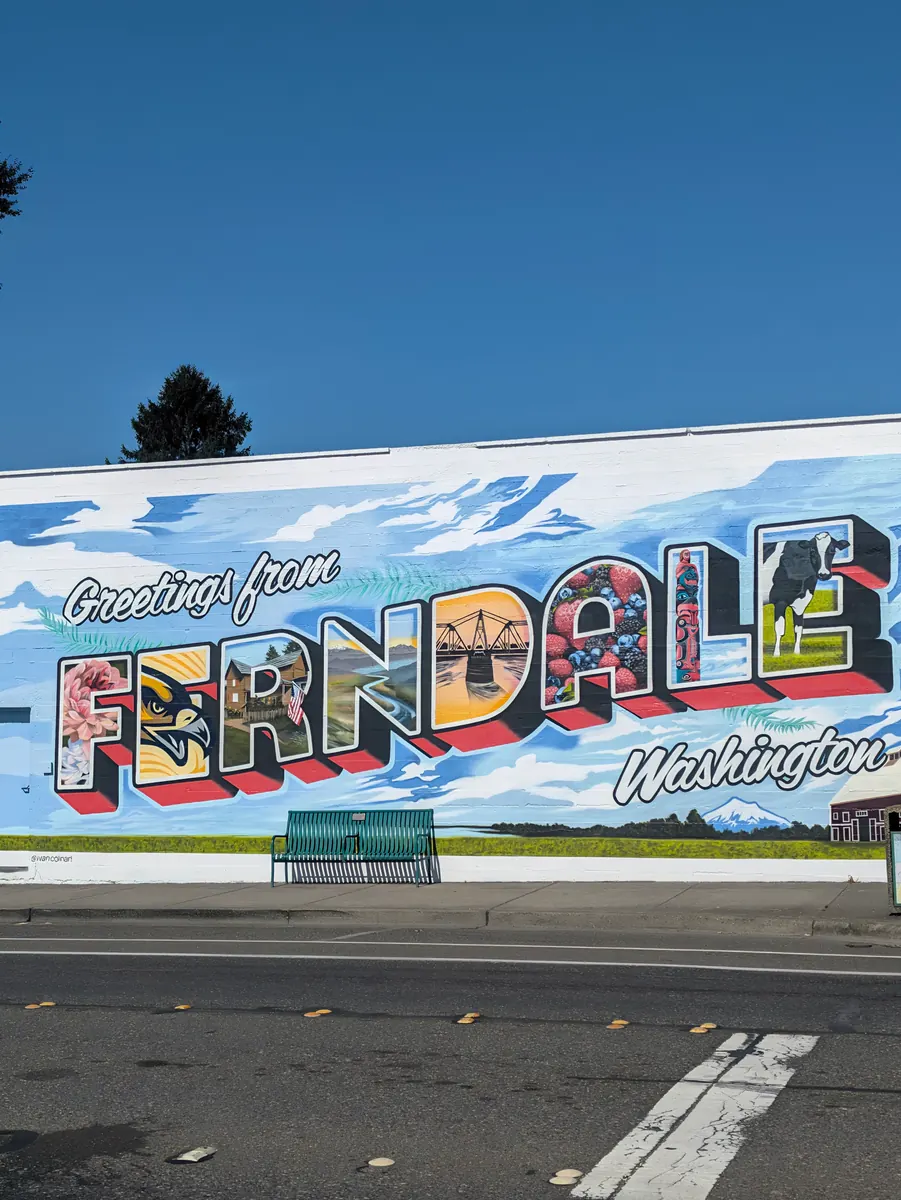
Into Ferndale, the town she calls the friendliest
It was a glorious morning. Bill at the Fort Bellingham Market and Deli gave her a burrito and coffee for breakfast, and she never even got to the asking part: he heard her story and asked whether she needed something to eat. A very gentle, kind man, she says. Even small kindnesses from another can lift your spirits.
She had fourteen miles in front of her to Custer, but being a day ahead of schedule meant she could split them over two days, so Ferndale became the destination.
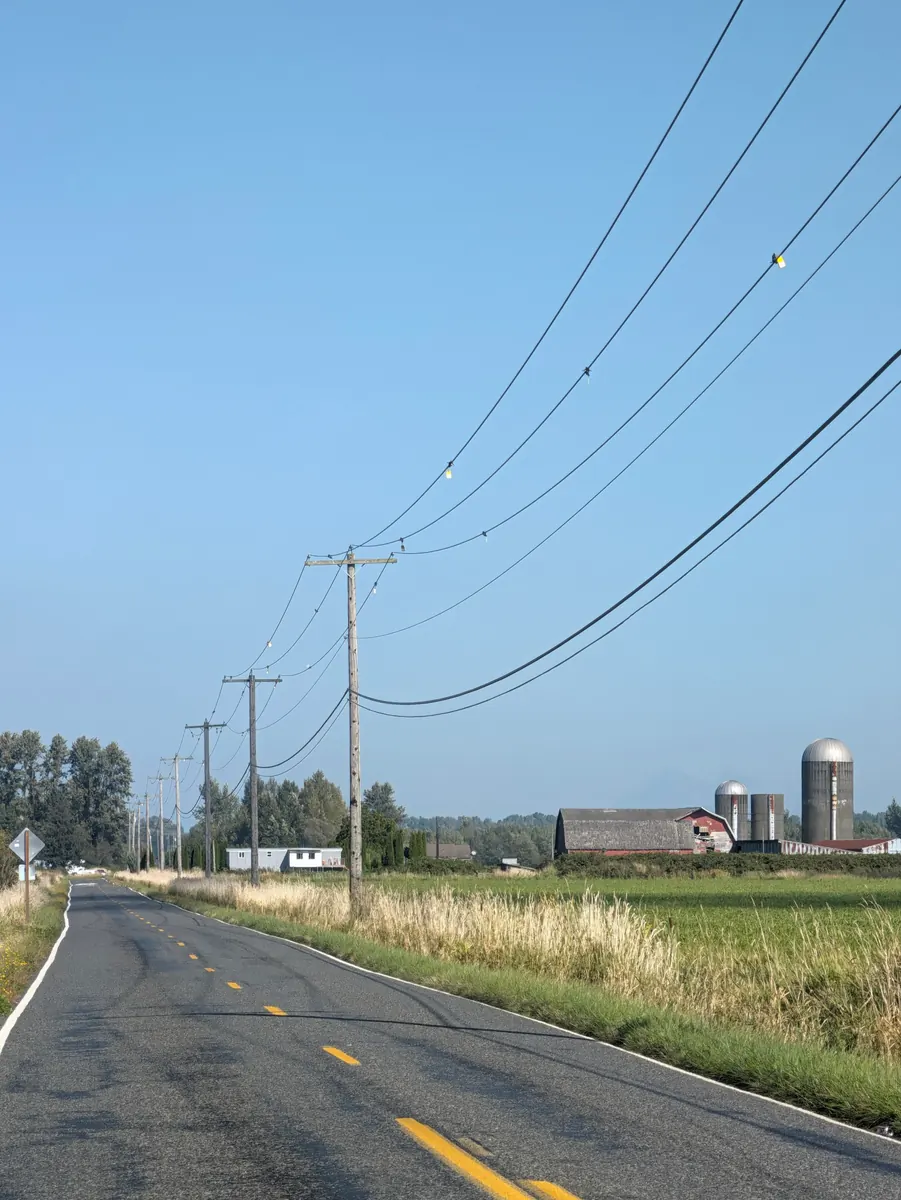
It was a short day, about 6.8 miles, and it still had its challenges. A mile and a half outside Ferndale she stopped to rest under a tree. As she got up and put the pack back on, a young woman pulled into the driveway beside her. “I was on my way to the laundry and I saw you walking, so I got you some water,” she said, and handed over a cold bottle. She had gone out of her way, turning back the way she had come. She wanted to give Jeana a second bottle, but Jeana can only carry two, so she took the empty away instead. A lovely gesture, and just the beginning of the friendliness of Ferndale. Jeana calls it the friendliest town.
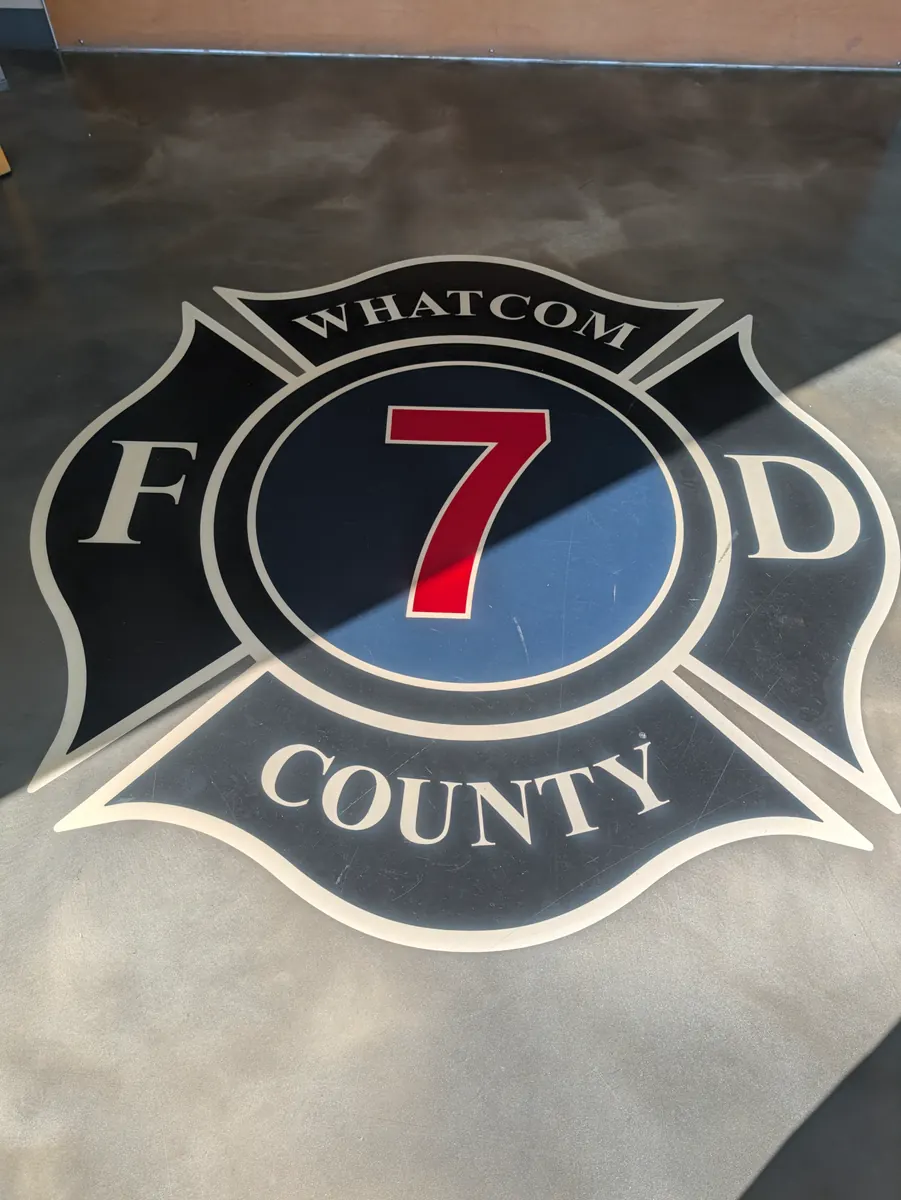
In town she spotted the Chamber of Commerce building, which does duty for other things too, and walked over. The president of the Chamber happened to be getting ready for an event, and she stopped to listen: to Jeana’s story, to what the Foundation is doing, and to what she needed. She arranged for some people there to drive Jeana up to the United Church of Ferndale, which has five beds, so perhaps there would be one for her. It sits next to a fire station, the president added.
The church had already closed for the day. It opens from seven until noon so that unhoused people can do their laundry and have a shower, and she had missed it. She left a message, and the firefighters next door agreed to keep her pack. The people who had driven her up took her back to the Chamber of Commerce, and she walked the 0.7 miles back through town to the fire station.
On the way she was really very hungry, so she stopped at a Subway, and they kindly gave her a sandwich. She was so grateful for it.
Back at the fire station the crew let her charge all her electronics, which took a long time; a night in the tent had left her phone very low. While it charged she rang round for somewhere to sleep. She wanted a bed, somewhere she would not have to put up and take down the tent, which was still wet from the morning and needed laying out to dry, and she was overtired. The firefighters were very kind. They went on with their work and gave her several hours to charge up and keep looking.
Finally, at about six, she called the local police to ask whether they had a hotel voucher programme. An officer secured one, went above and beyond to arrange it, and came by the fire station to drive her to the Super 8 in Ferndale, three or three and a half miles from where she had stopped walking. She was so tired she plugged everything in and fell asleep straight away; she really needed the rest. Later she got up and laid the tent out, and it dried perfectly overnight. By morning it was packed and ready to go.
She wants to thank the Ferndale Police Department for the voucher, and to say this about Ferndale: you’ve got to visit. It is the friendliest town, and they helped her a great deal.
Each person that I interact with becomes a part of this life-saving journey. Without the help of strangers I would not be able to survive this journey.
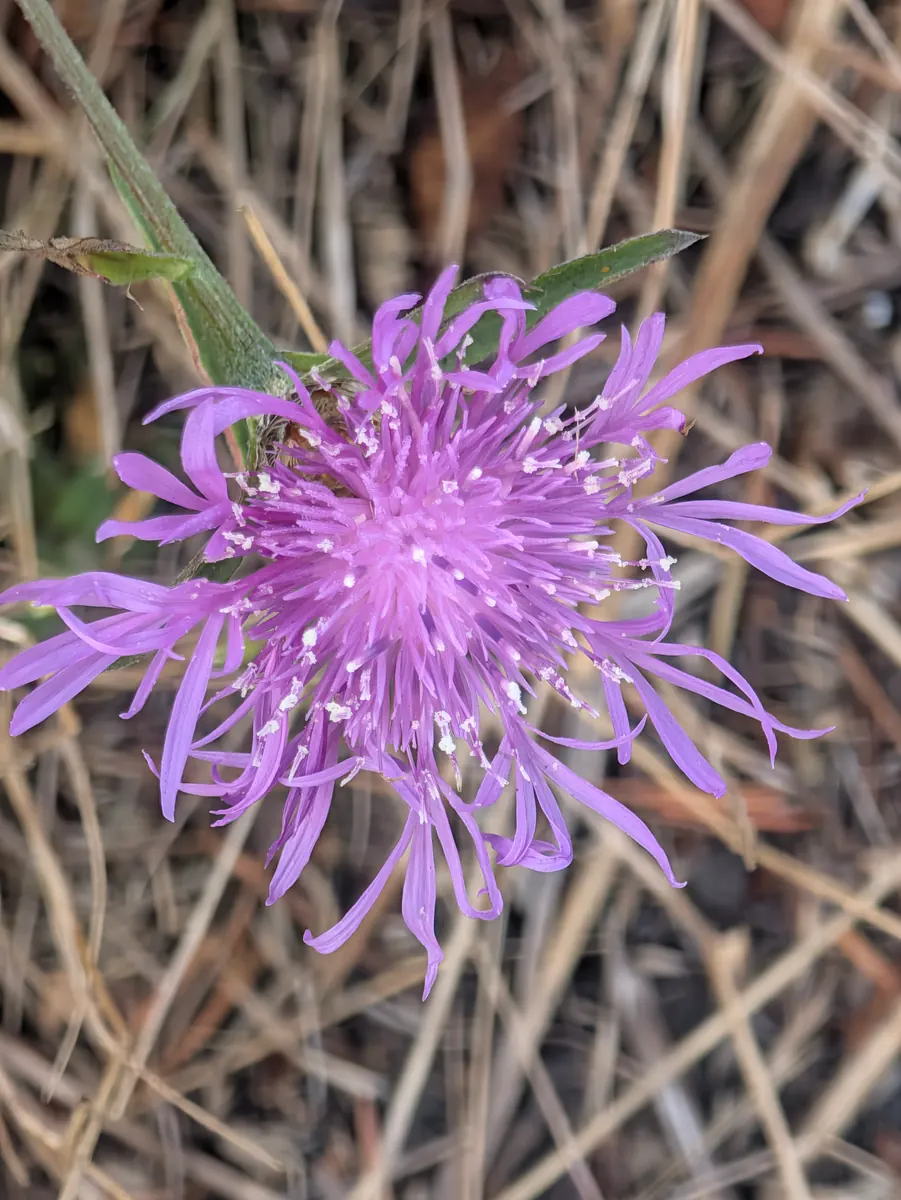
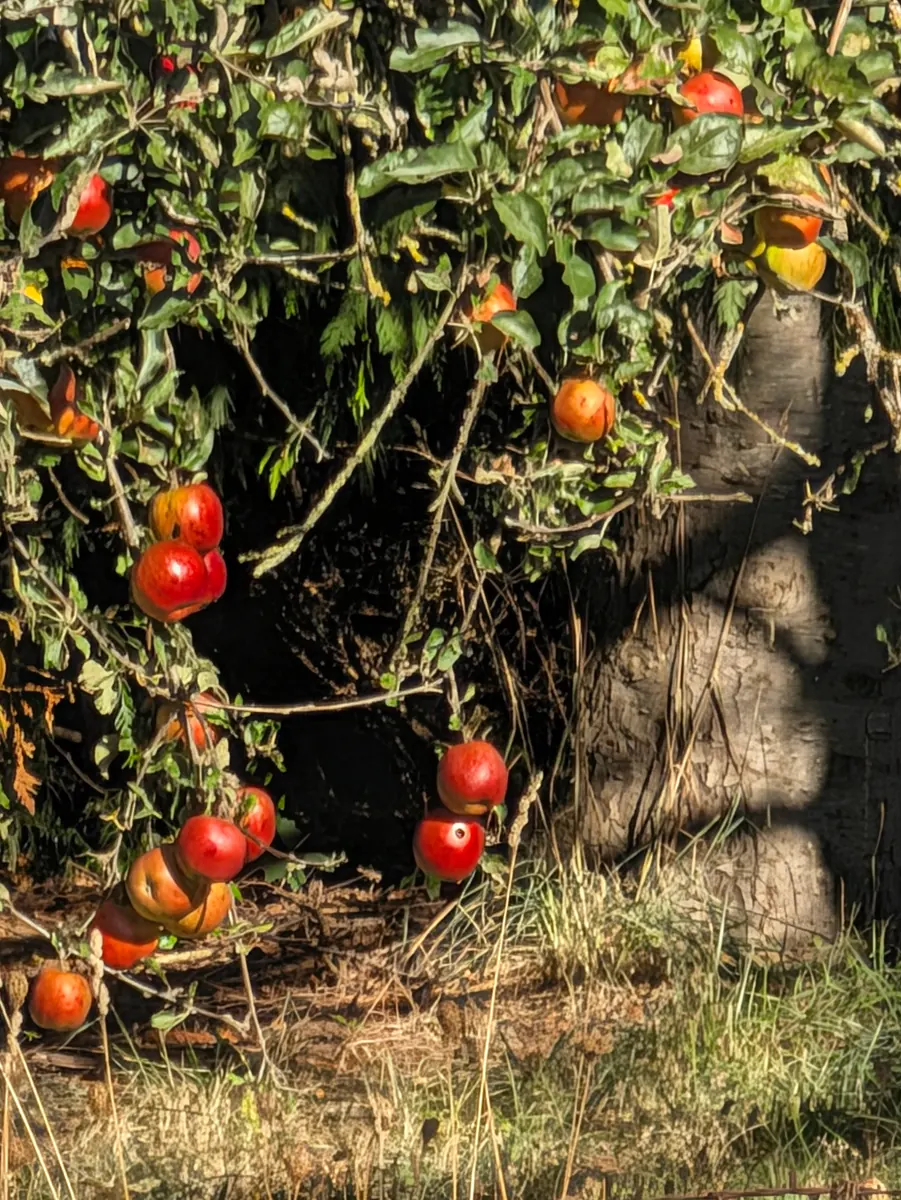
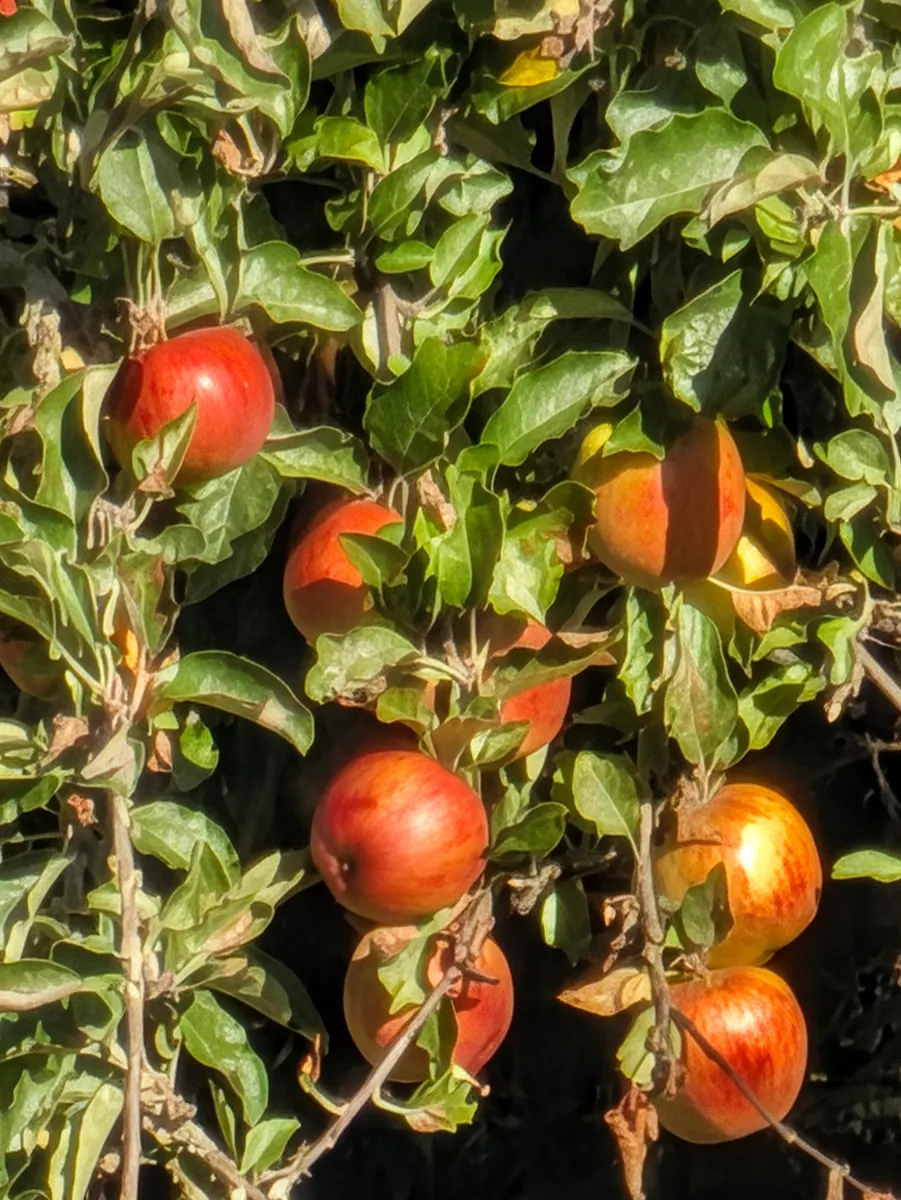
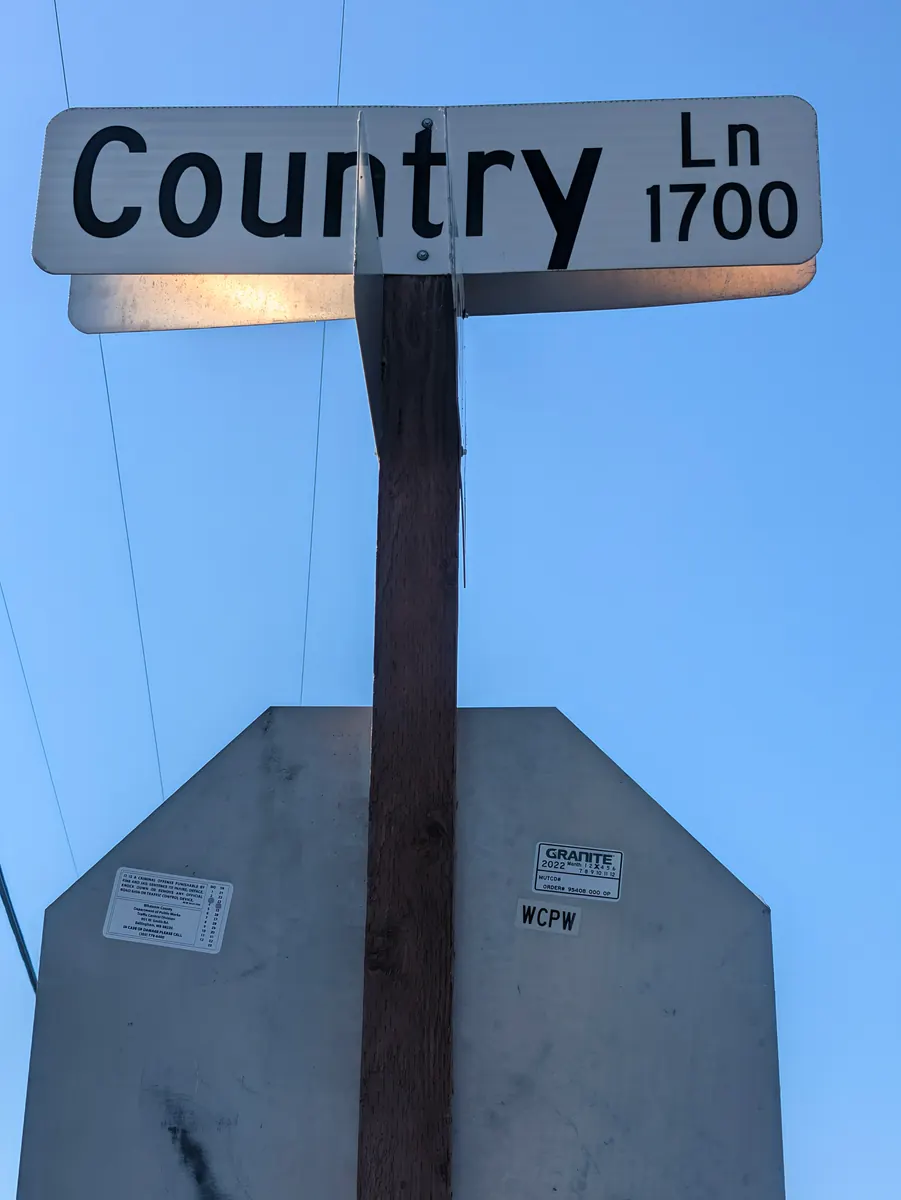
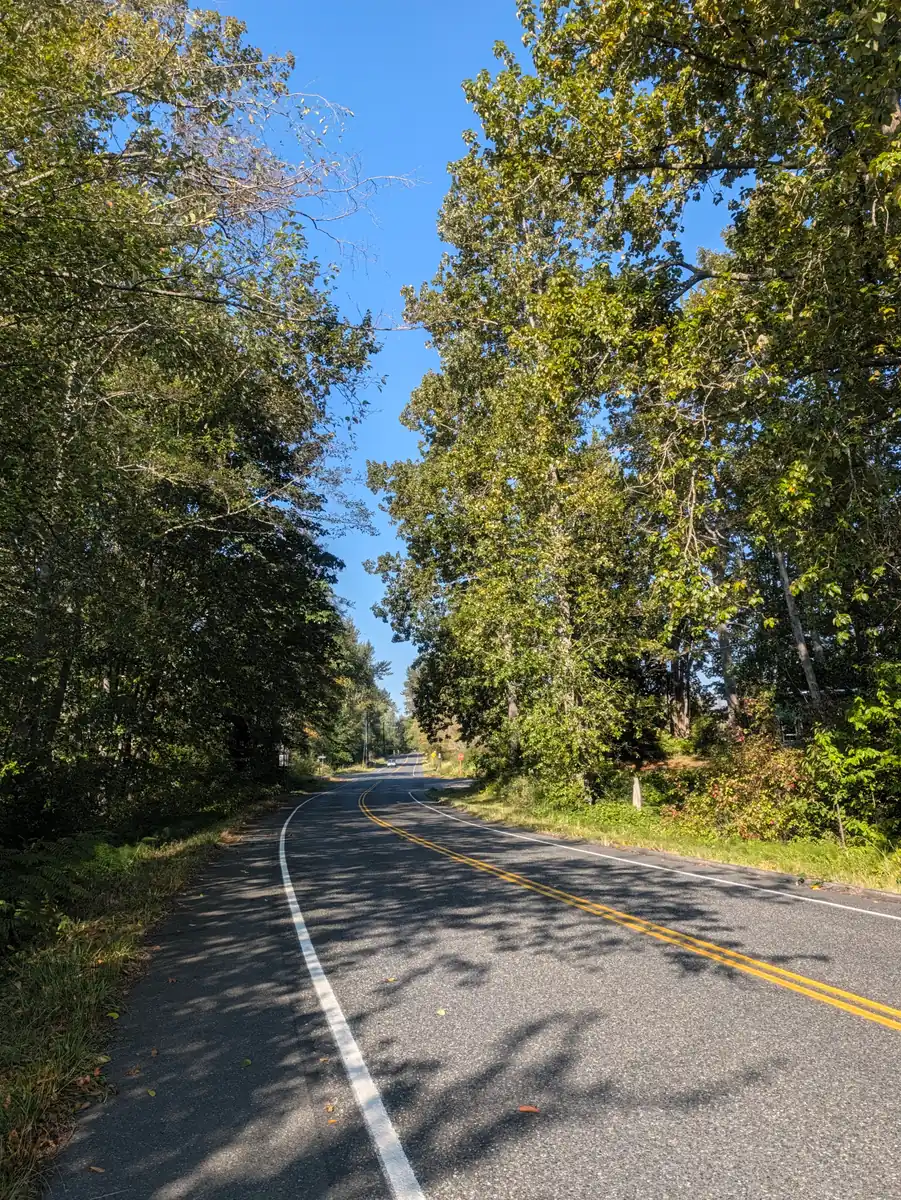
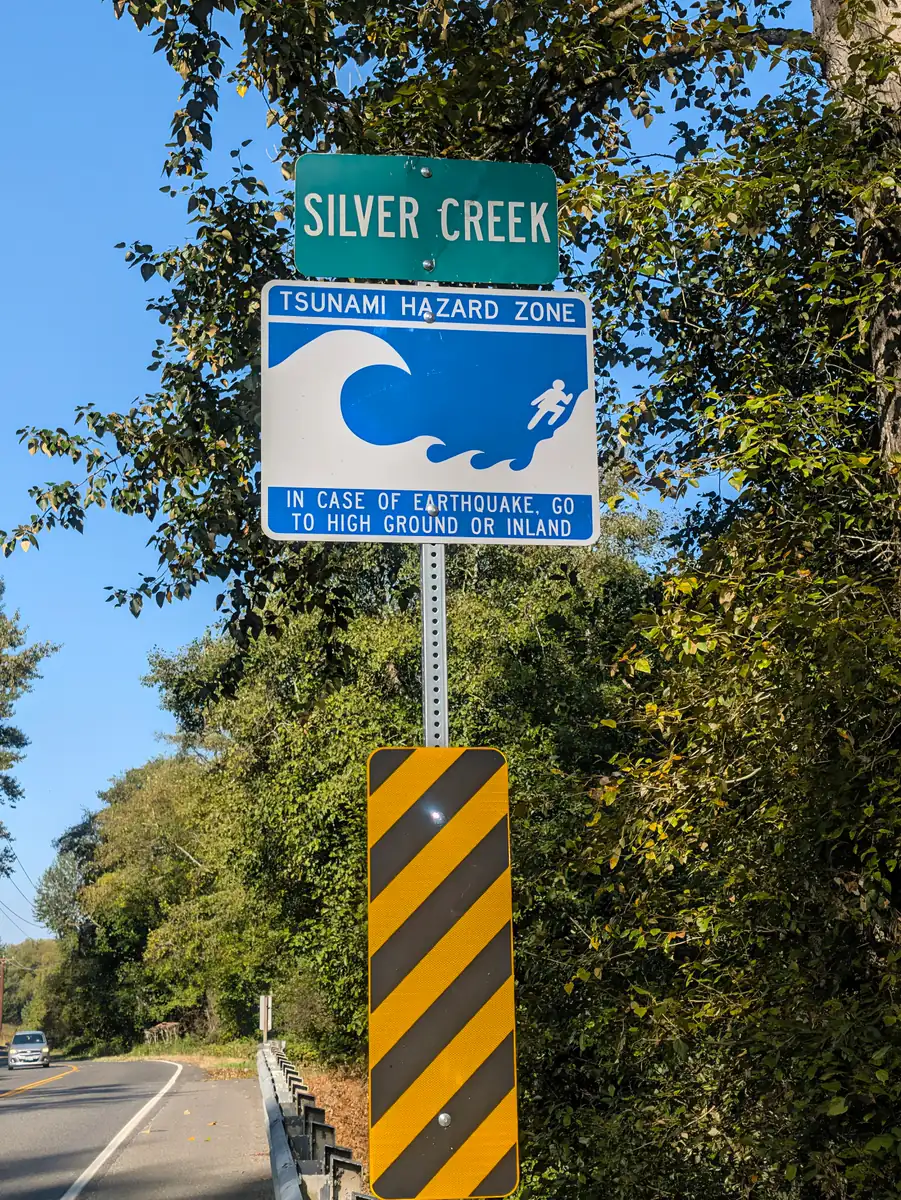
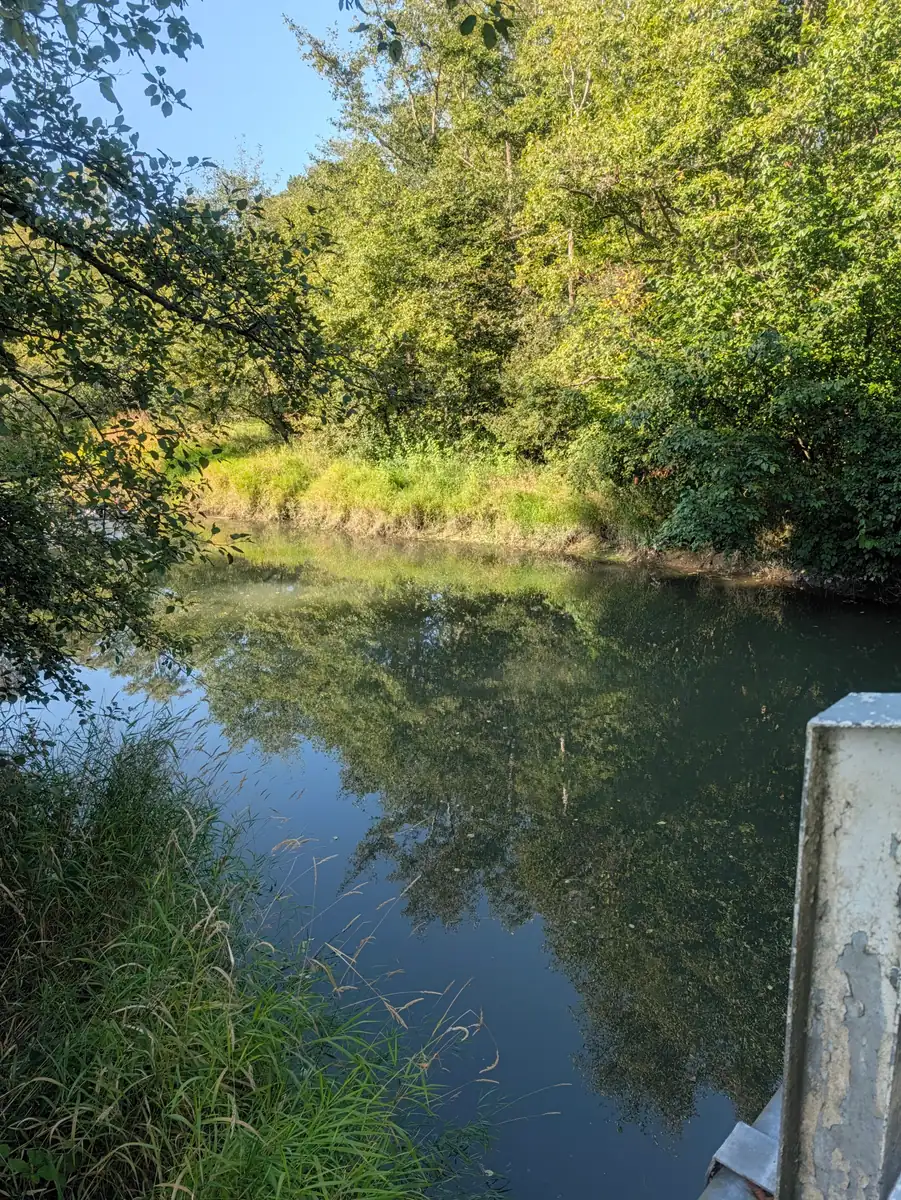
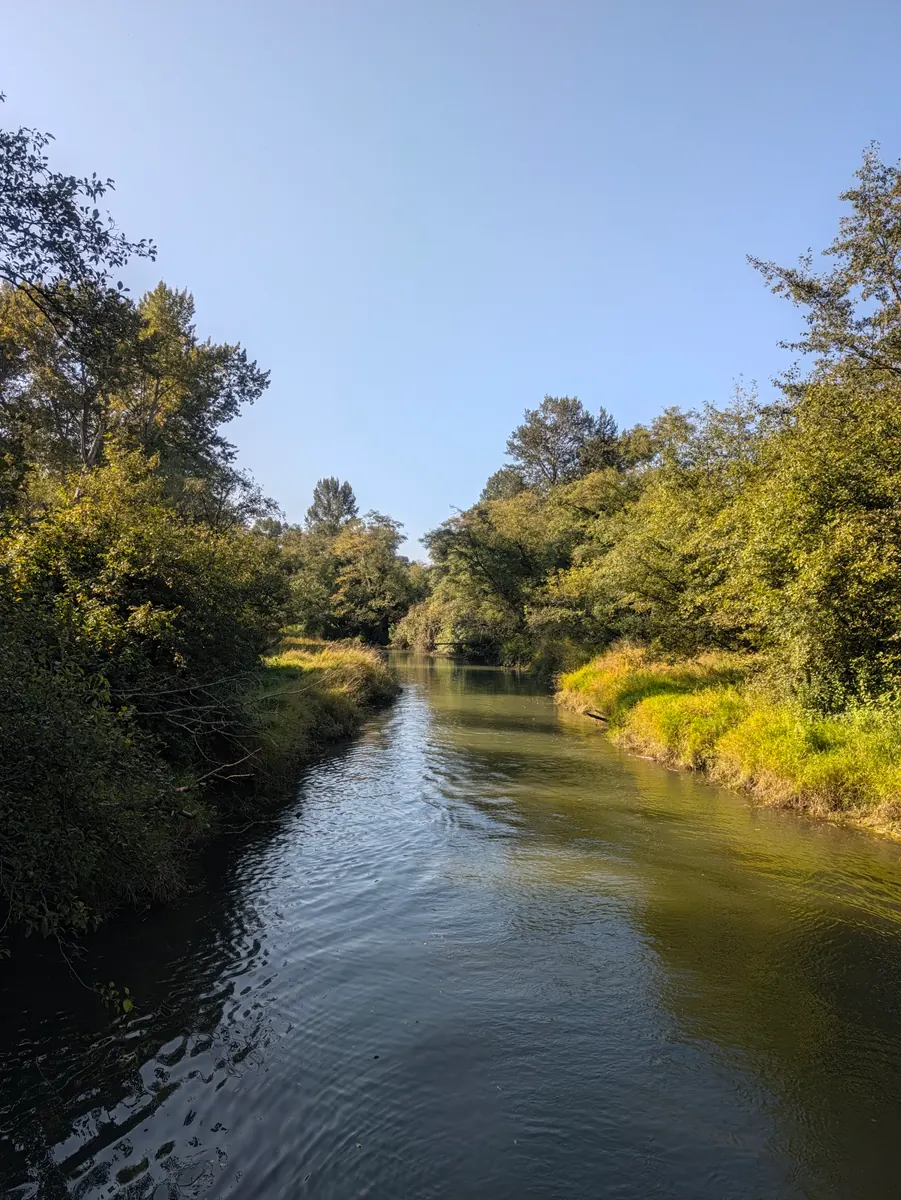
Show all 24 photos from this dayShow fewer photos
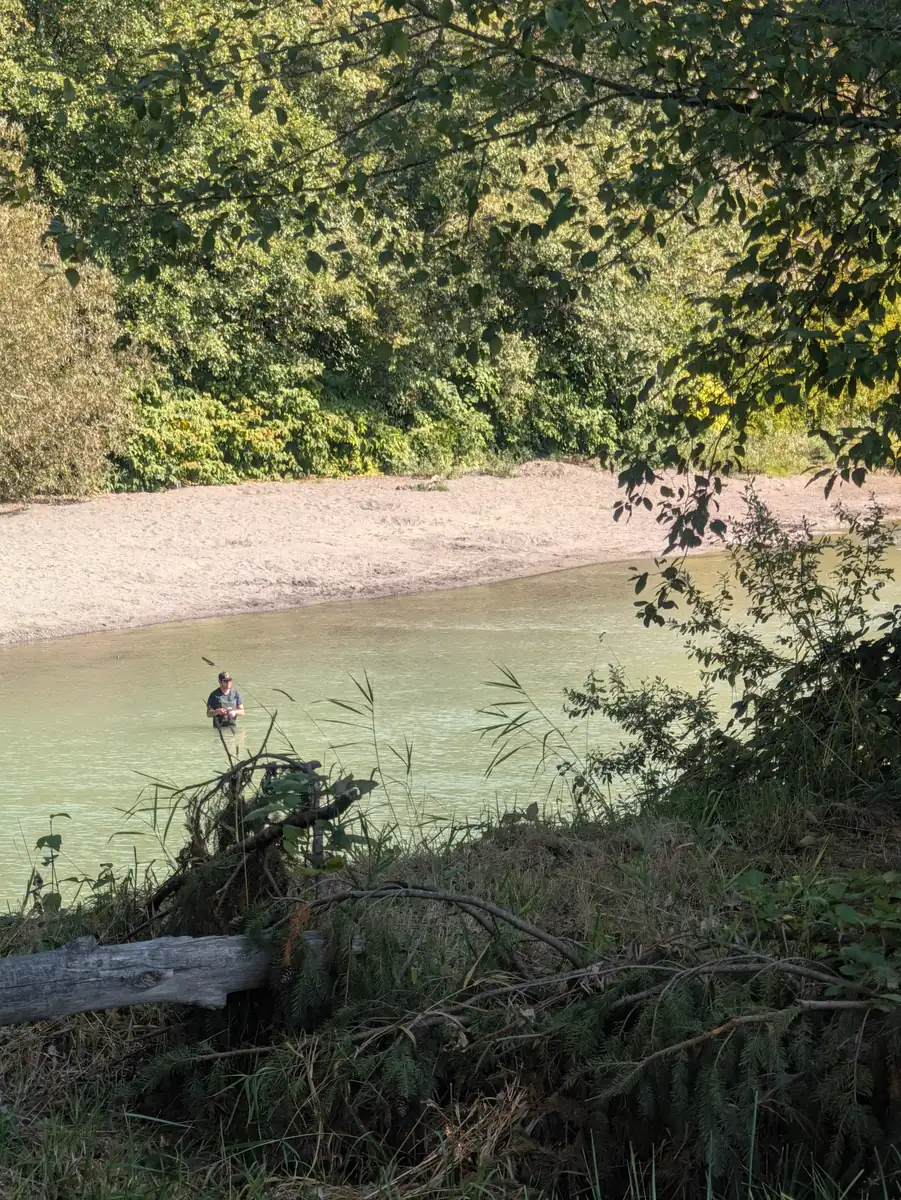
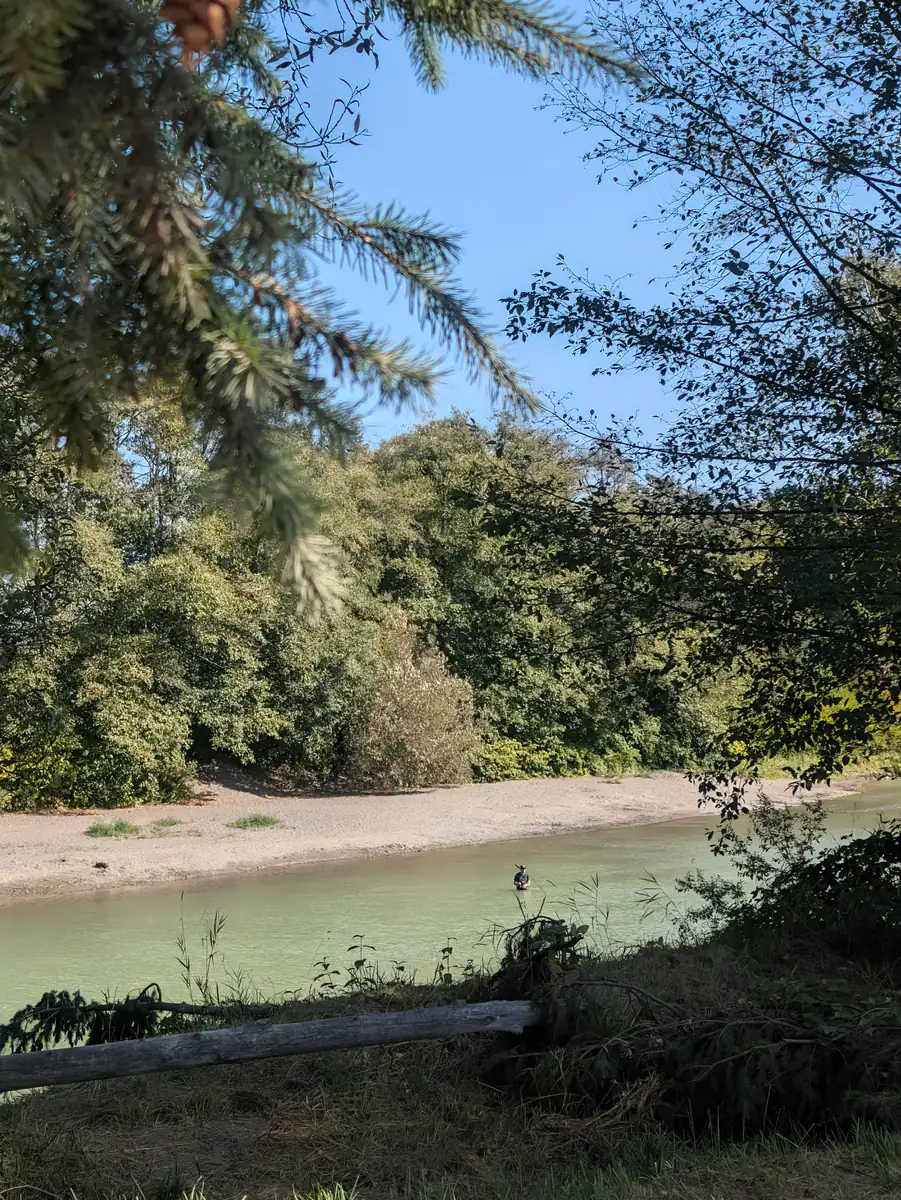
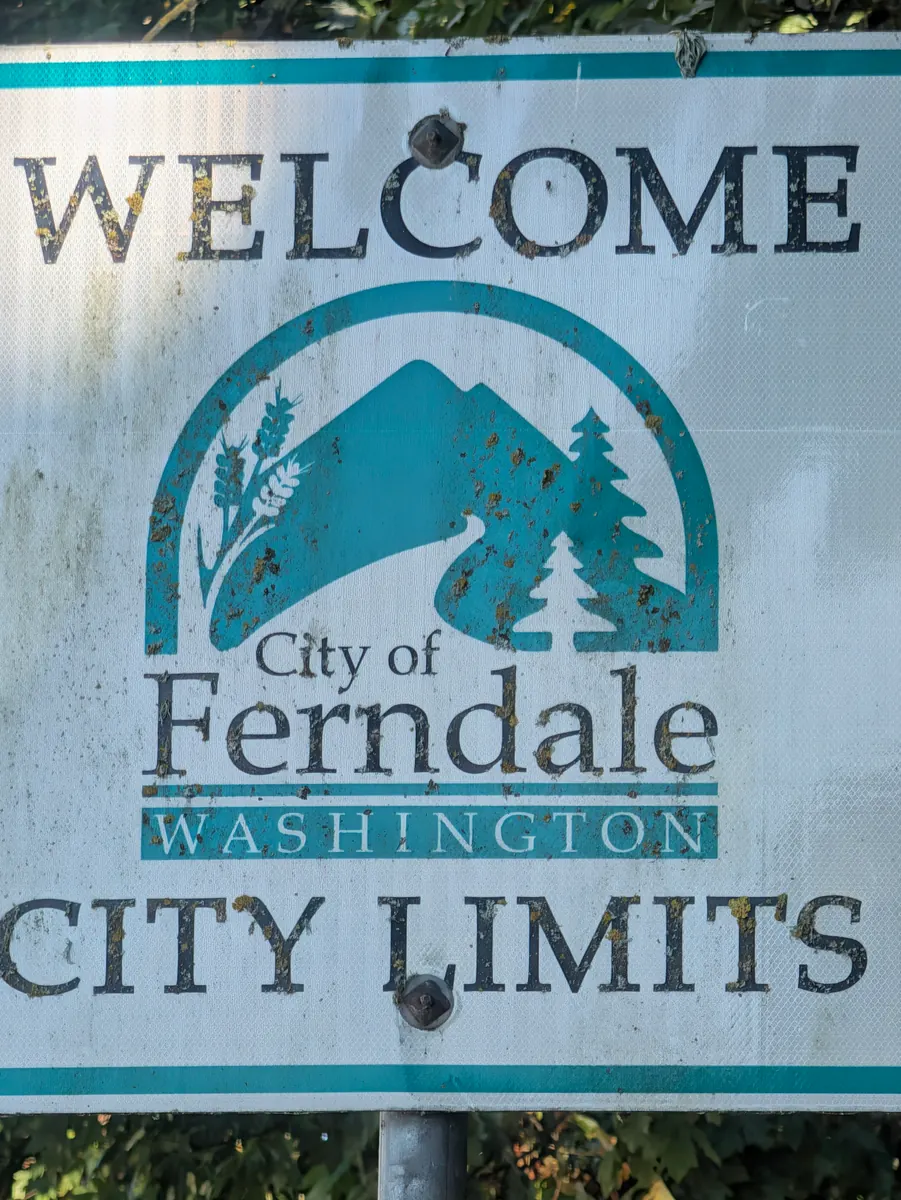
- Distance walked
- 6.8 miles
Choose where you live
Continue to the official registry that serves you. It decides eligibility, handles registration and contacts you if you may match a patient.
United States — NMDP
NMDP accepts new registry members who are 18 to 35, live in the US, its territories or freely associated states, can meet NMDP’s health guidelines, and are not already registered through another US organization. Joining happens at home: you answer a few questions on NMDP’s site, they mail you a free cheek-swab kit, and you swab and send it back. Once you are a member you stay listed until you are 61 unless you ask to be removed — 61 is when NMDP takes you off, not an age at which you can join. NMDP makes the final eligibility decision.
Check the listed age range
NMDP — Join the registry · checked Sep 1, 2026
Prefer to text? Send JADA to 61474 and NMDP will take it from there.
Browse all official registry options
Eligibility rules can change. Confirm the current requirements with the official registry before joining.
Give to the Jada Bascom Foundation
Choose a symbolic amount or enter your own in Givebutter. Your donation supports JBF’s work wherever it is needed most.
Sponsoring a mile, a day or a stop is a way of describing a gift to the Jada Bascom Foundation. It does not purchase anything on the route.
$100.00 is a suggested amount. Confirm or change it in Givebutter.
Sources
Local history and background reading for this stop.
- Our community history in the Pacific Northwest — checked Sep 5, 2026
- St. Joseph Cancer Center — checked Sep 5, 2026
- Finding a blood stem cell donor — checked Sep 5, 2026