Day 8 · Scheduled earlier
Mount Vernon
Washington
Mount Vernon’s riverfront and regional cancer care
This day on the route
- Planned date
- The day
- Walking
- Planned walking
- 8.6 miles
Day 8: 8.6 planned walking miles to Mount Vernon. Day 9 is the planned Awareness Day; the riverfront is not an announced event venue.
Route overview, not turn-by-turn directions.
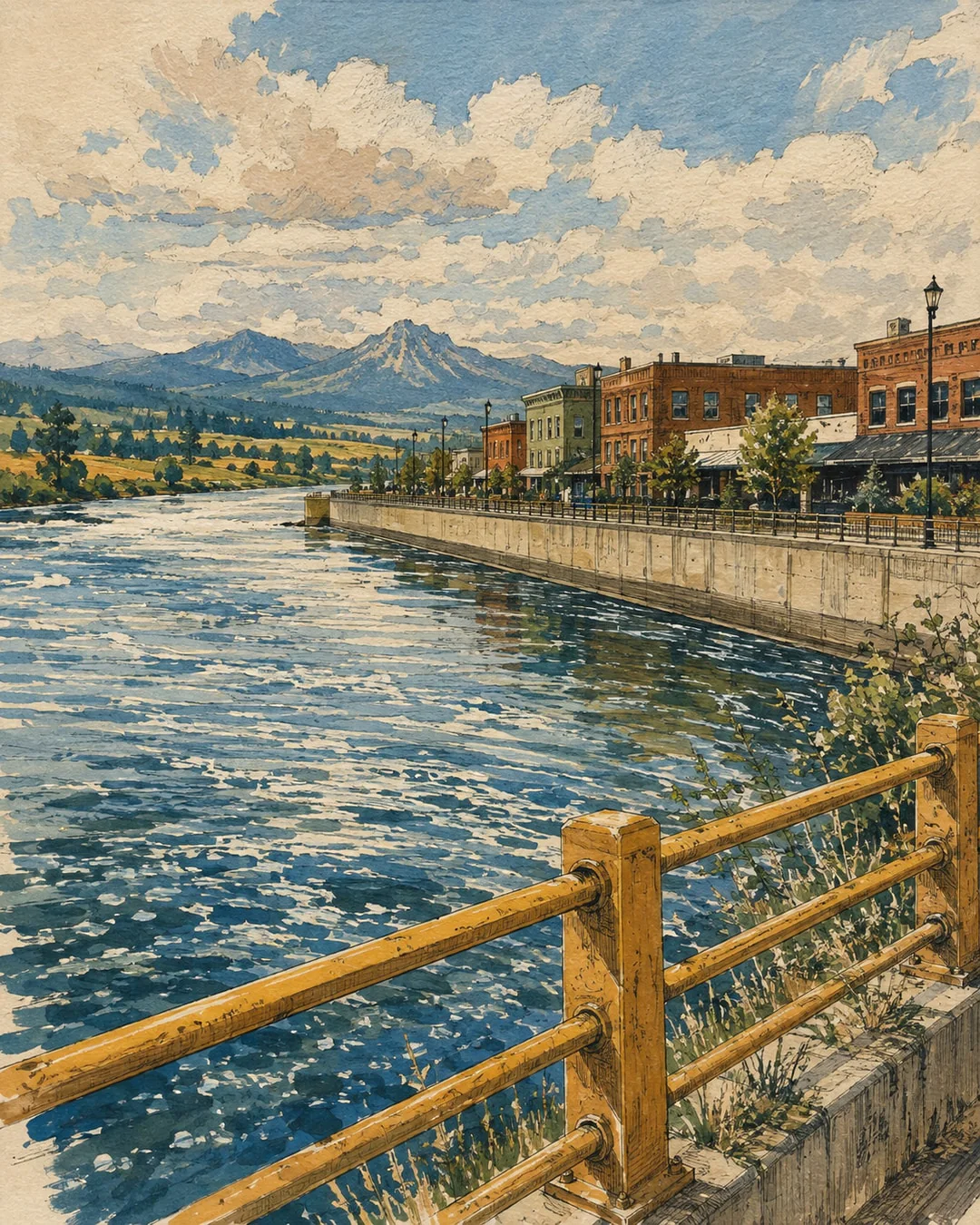
The itinerary reaches Mount Vernon after 8.6 planned miles. Its riverfront combines public space with flood protection, and its cancer center serves communities across several counties.
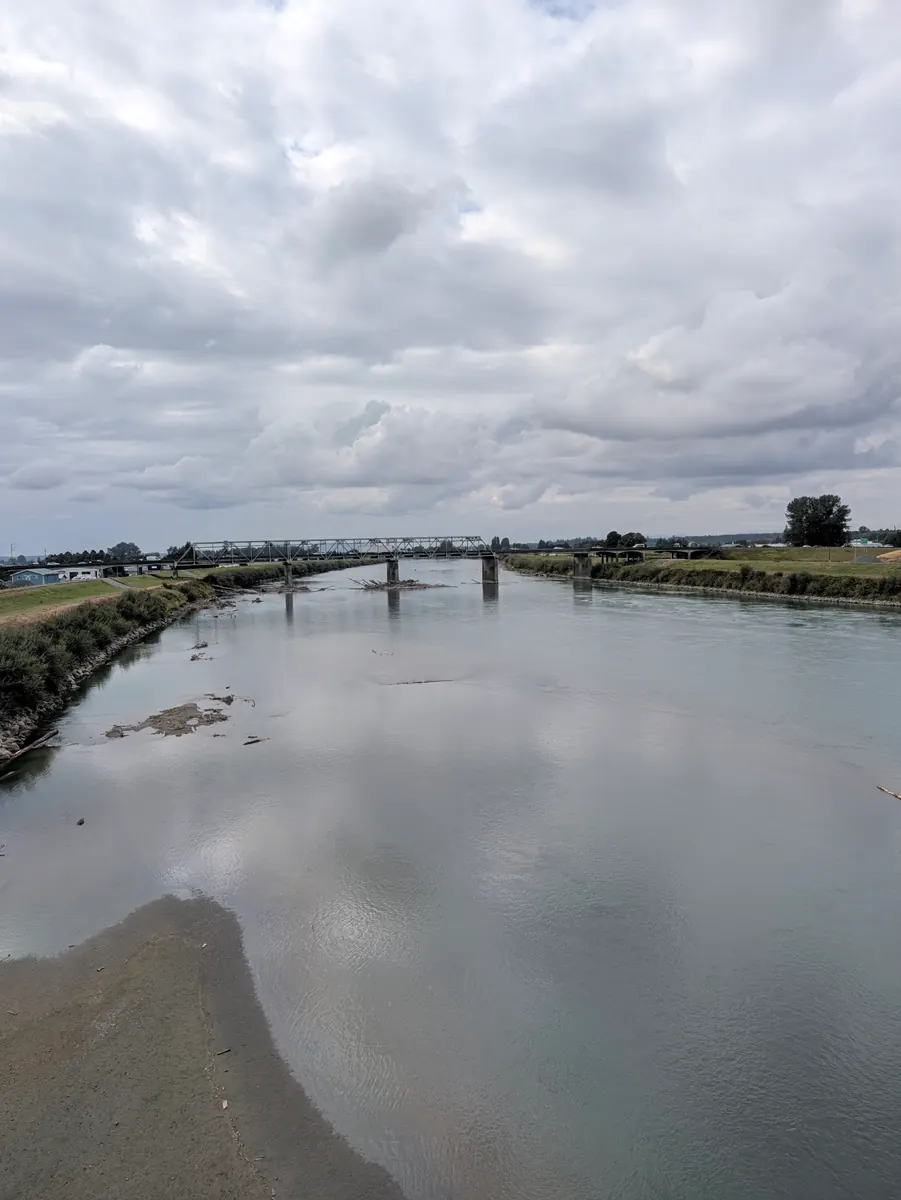
Mount Vernon’s incorporation records place the city’s formation in 1890. Its modern waterfront tells a different civic story: a permanent floodwall and levee were developed alongside a pedestrian promenade and Riverfront Park. Flood protection and a place to spend time beside the Skagit River were planned together.
The city describes a 24-foot-wide promenade and a 30,000-square-foot plaza. The broad promenade and plaza are part of the city’s effort to bring public life back to the river while protecting downtown from flooding. The route plans a walking arrival in Mount Vernon followed by an Awareness Day.
Skagit Regional Health’s Cancer Care Center at 307 South 13th Street provides care for residents of Skagit, Island and north Snohomish counties. Its service area reaches beyond the river city to the surrounding counties, another regional connection in a place shaped by the Skagit.
From the road
Mount Vernon end to end, and the labels that turned out not to matter
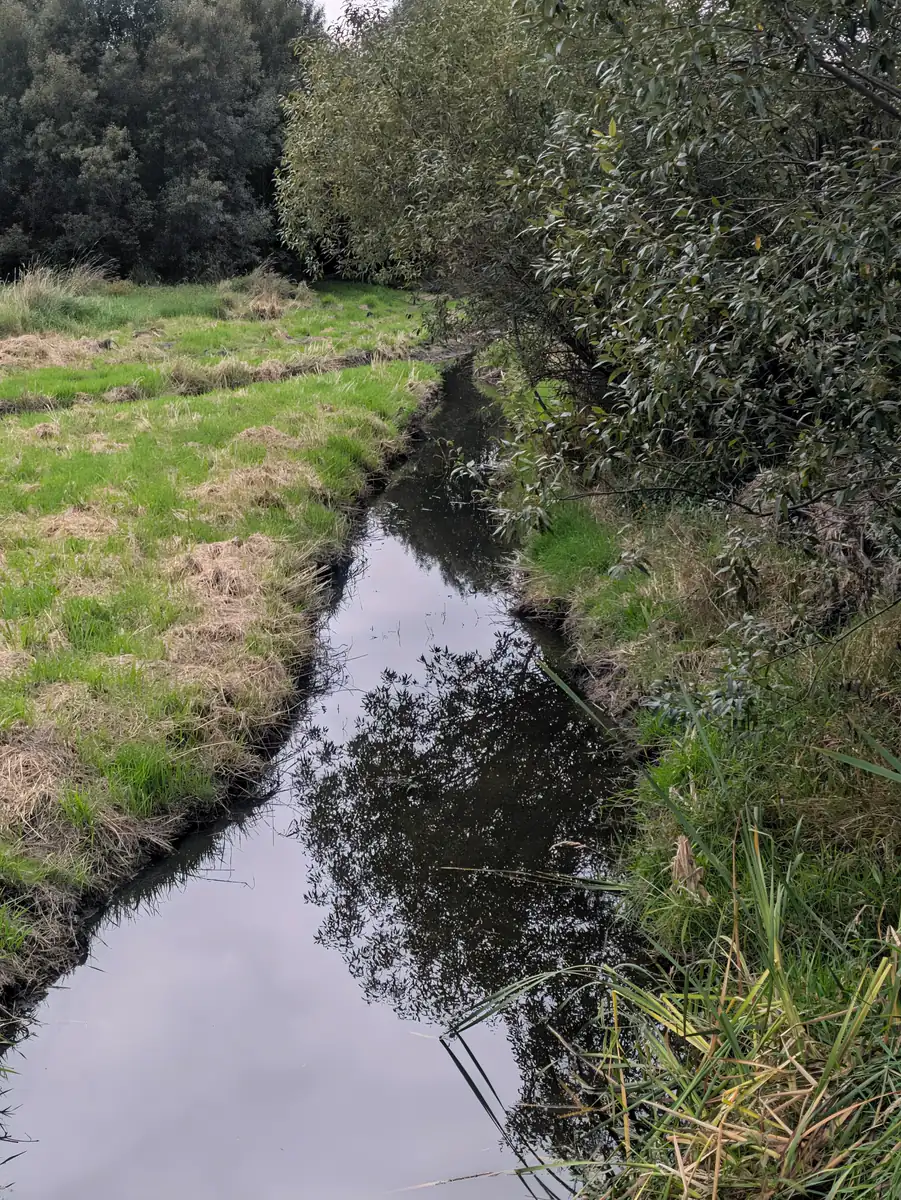
It rained in the night while she slept on the lawn at St. Joseph’s, and the tent held. She was up at half past five, laying the whole kit out to dry before she rolled it away — which takes a while when everything you own has to go back into one bag. By the time she was ready, a woman called Leonora, who was staying in the rectory, was awake. She let Jeana use the bathroom and get herself straight for the day, made her coffee, and sat and talked with her.
Jeana has read about the divide between traditional and modern Catholics, and says she was not savvy enough to work out from the marquee at the front of the church which side of it she had landed on. Two Catholic parishes have taken her in on this walk now. Whatever the labels, both of them opened a door to a stranger.
She passed a Washington Federal on the way through the town and paid in money people have handed her for the Foundation along the route. A young man, homeless, was outside as she came out. They talked for a few minutes, and she shared out some of the protein bars other people have been pressing on her. A sweet encounter, she called it.
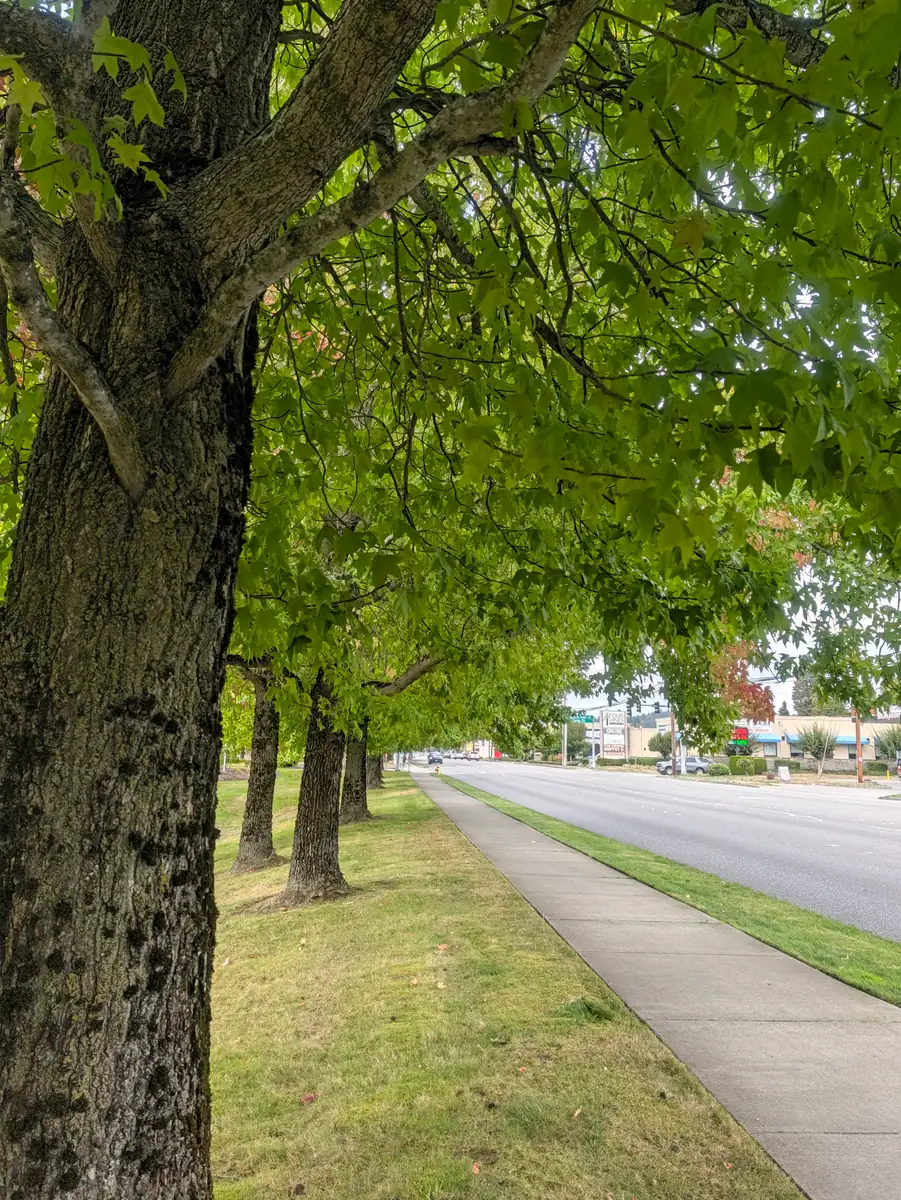
The rest of the day she spent serpentining across Mount Vernon — her word — talking to anyone who would listen about joining the national registry, and asking after somewhere to sleep. Denny’s fed her in the middle of the day and let her charge her phone. She has left a long list of people behind her to follow up: the health department, the hospital, City Hall. That part falls to the Foundation’s team now, and she is impatient to hear what comes of it.
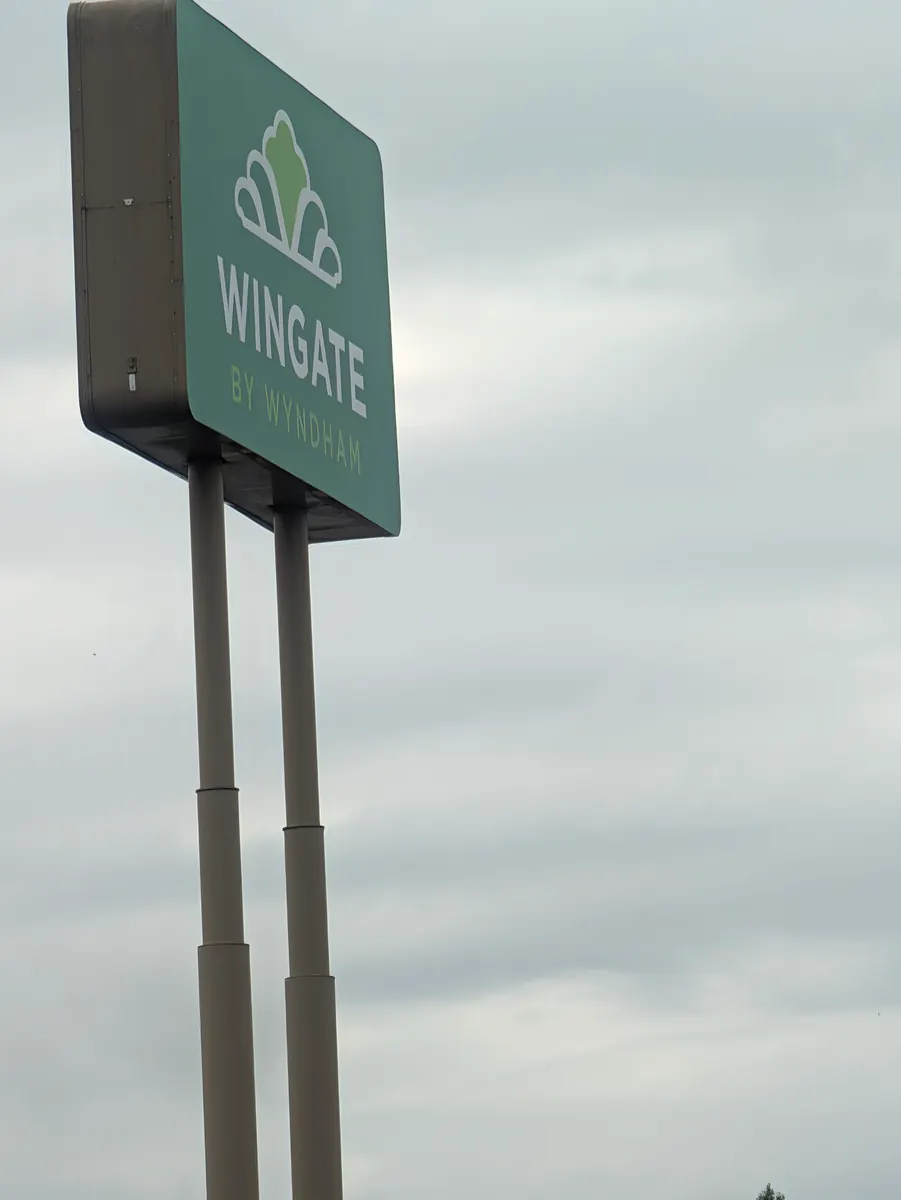
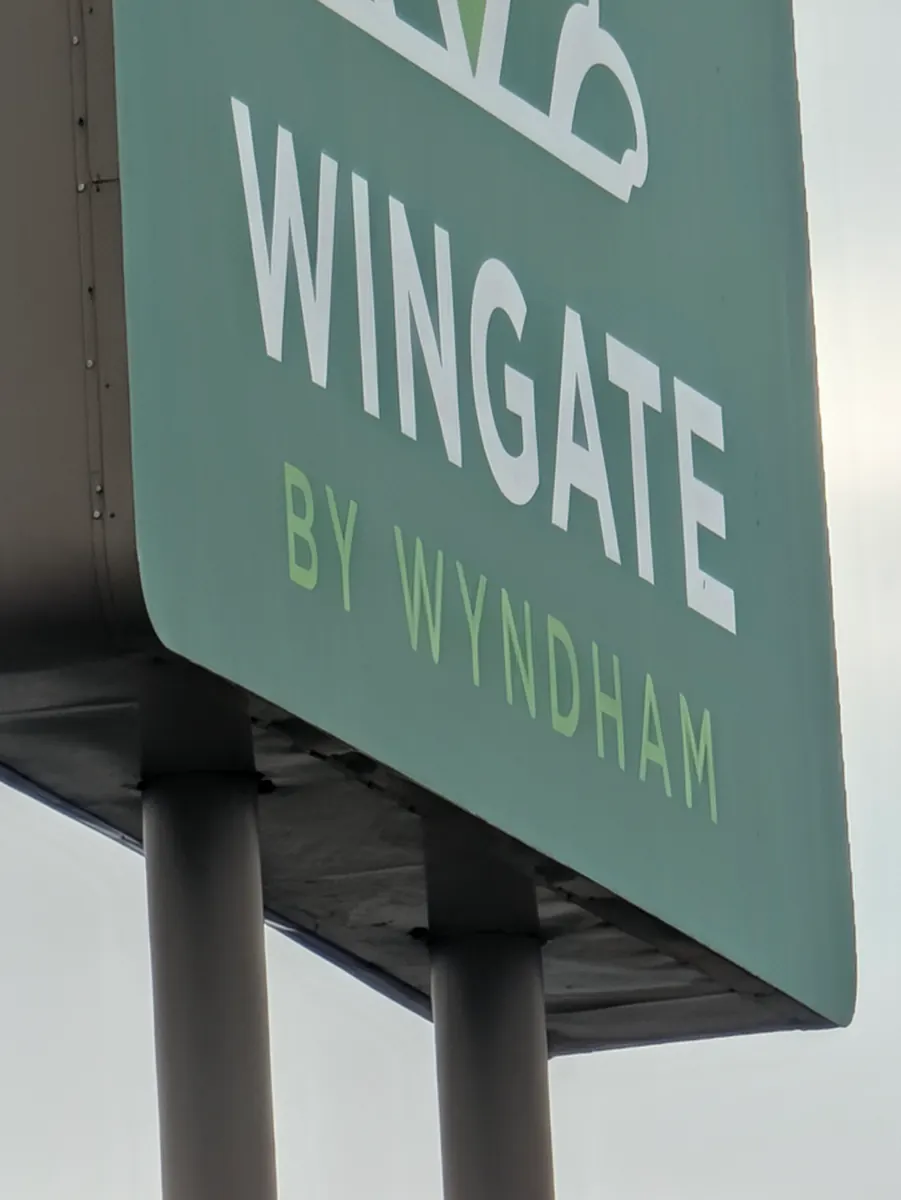
At about two in the afternoon the Wingate by Wyndham gave her a room for the night, and offered to put a load of her washing through as well.
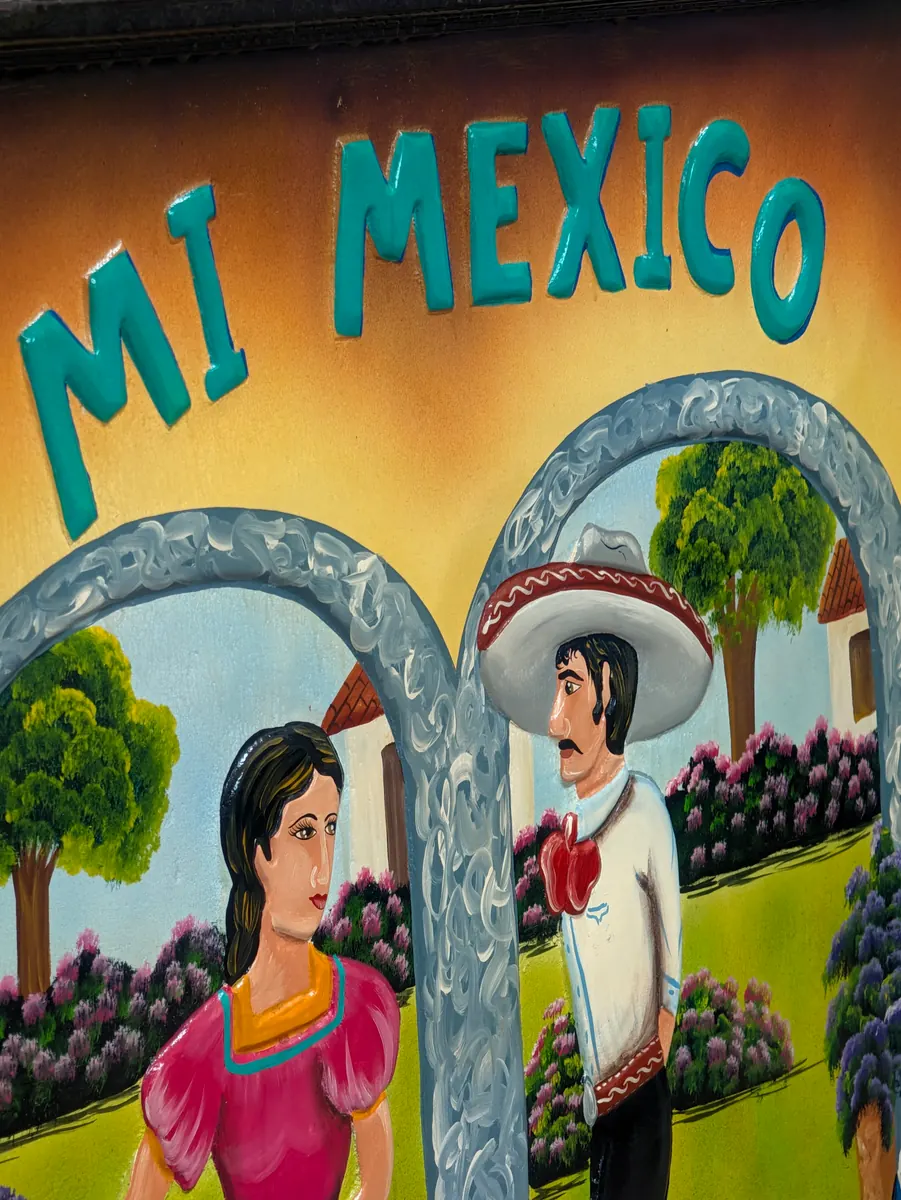
Her work in the town done, she went back out and took a bite out of the next leg, which is a fourteen-mile one. Two and a half miles up the road, dinner at Mi Mexico — very kind and very generous, she said — and then she turned round and walked the same two and a half miles back. She had a mile and a half of it left when she sent this.
Traditional or modern, whatever labels we assign, both were willing to help me. Both reached out to help a stranger.

- Distance walked
- 7.8 miles
Choose where you live
Continue to the official registry that serves you. It decides eligibility, handles registration and contacts you if you may match a patient.
United States — NMDP
NMDP accepts new registry members who are 18 to 35, live in the US, its territories or freely associated states, can meet NMDP’s health guidelines, and are not already registered through another US organization. Joining happens at home: you answer a few questions on NMDP’s site, they mail you a free cheek-swab kit, and you swab and send it back. Once you are a member you stay listed until you are 61 unless you ask to be removed — 61 is when NMDP takes you off, not an age at which you can join. NMDP makes the final eligibility decision.
Check the listed age range
NMDP — Join the registry · checked Sep 1, 2026
Prefer to text? Send JADA to 61474 and NMDP will take it from there.
Browse all official registry options
Eligibility rules can change. Confirm the current requirements with the official registry before joining.
Give to the Jada Bascom Foundation
Choose a symbolic amount or enter your own in Givebutter. Your donation supports JBF’s work wherever it is needed most.
Sponsoring a mile, a day or a stop is a way of describing a gift to the Jada Bascom Foundation. It does not purchase anything on the route.
$100.00 is a suggested amount. Confirm or change it in Givebutter.
Sources
Local history and background reading for this stop.
- Events leading to city incorporation — checked Sep 5, 2026
- Downtown and waterfront master plan — checked Sep 5, 2026
- Cancer Care Center, Mount Vernon — checked Sep 5, 2026
- Finding a blood stem cell donor — checked Sep 5, 2026