Day 5 · Completed
Arlington
Washington
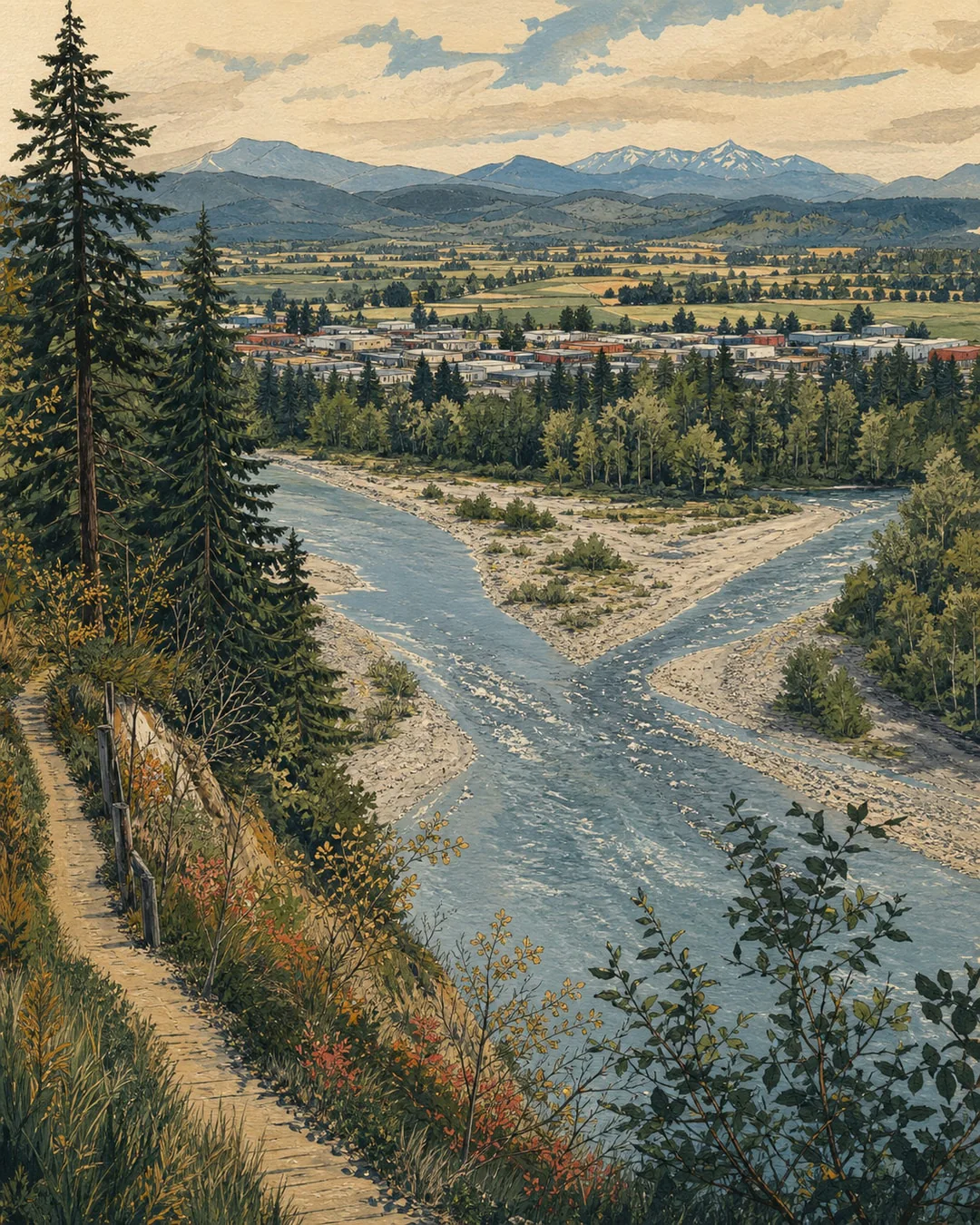
Arlington at the forks of the Stillaguamish
This day on the route
- Date
- The day
- Walking
- Walked
- 9 miles
Day 5, September 11: 9 miles walked, from Marysville into Arlington by way of the Centennial Trail. This public place anchor does not imply a hosted visit, tribal affiliation or a reserved trail route.
Route overview, not turn-by-turn directions.
On September 11 Jeana walked 9 miles from Marysville into Arlington, the last of them on the Centennial Trail with only a day pack. River travel, the railway and the trail each leave a different layer in the town’s history.
Arlington stands at the forks of the Stillaguamish River. The city’s history describes the river as a travel corridor long before the settler town and records Arlington’s incorporation in 1903. The location matters independently of any modern road: two river branches meet here, tying the town to the wider valley.
The city’s Main Street walking tour, updated with the Stillaguamish Valley Museum in 2026, follows another layer of that history. The original depot closed in 1972 and was later removed. A replica was built as a visitor center. Some railway tracks remain near Legion Park, while the corridor north of downtown became part of the Centennial Trail.
She started the morning at Marysville Fire Station 62. Just after noon a woman in a white van, Becky, pulled over to tell her the Centennial Trail was close by and led her round to it. Becky took the heavy pack home ahead of her, so the last miles into Arlington were walked on the trail with a day pack, and at the end of them there was a shower, a hot dinner and a tent pitched inside an outbuilding on the family’s farm.
From the road
Nine miles to Arlington, and a stranger with a farm
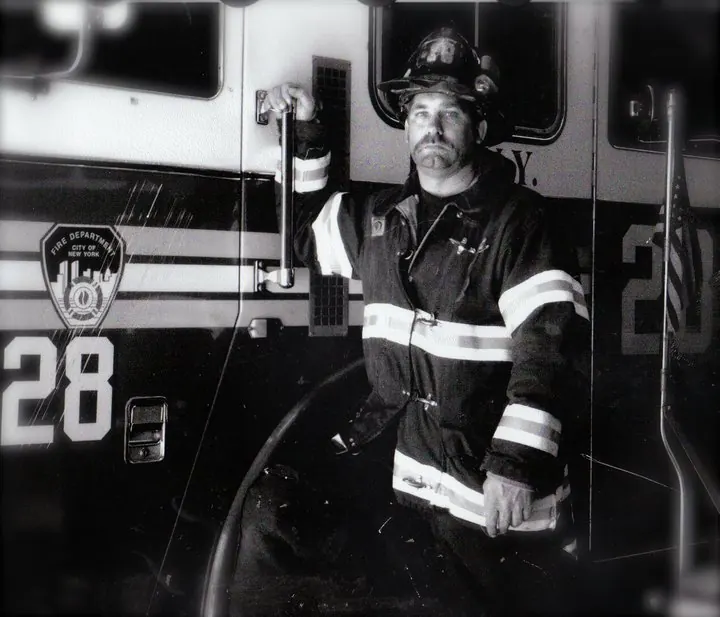
She started the morning at Marysville Fire Station 62, and told them about Roy Chelsen. He was the man at Engine 28, on East Second Street, who twenty-five years ago to the day found a way out along a brick wall and under a pedestrian bridge and got his company clear of the North Tower. In December 2005 he was diagnosed with multiple myeloma, and the search for his marrow donor became a public appeal on behalf of everyone else waiting. His story is on the Foundation’s Heroes page. The crew were moved by it, photographed her sign, and said they would pass on how to join.
On her way into Marysville the day before, and on her way out of it, she found a lot of wild blackberry bushes. The berries were ripe and delicious, so she picked them as she walked by.
Then 67th Avenue Northeast, which has next to no shoulder and a great deal of traffic. It made for slow going — a few steps, then off the road onto the lip above the gully, every time a car came. She walks facing the traffic and catches the drivers’ eyes, so she knows she has been seen.
Just after noon a white van slowed and stopped beside her. The woman driving wanted to tell her the Centennial Trail was close by, and led her round to a side street where they could talk away from the highway. Jeana explained the walk, and that she relies on the generosity of other people for her food and her bed. The woman apologised: there was no room in the house. Jeana asked whether there might be room in the garden for a tent. She smiled and said they live on a farm — so there was plenty. Her name is Becky.
So the last miles into Arlington were walked on the Centennial Trail with nothing but a day pack, because Becky had taken the heavy one home ahead of her. There was a shower at the end of it, and a hot dinner, and a tent pitched inside an outbuilding in case it rained in the night.
It is a house with three generations in it, and Becky’s daughter Jenny took to the thing Jeana has been carrying all week along with everything else — that a pack teaches you very quickly the difference between what you want and what you need, because you will carry what you need and the rest is only weight. Jenny passed it on to her own children the same evening. Jeana calls it a lovely family and says so twice.
You learn very quickly the difference between what I want and what I need, because you will carry what you need, but what you want is extra and you don’t want to carry that weight.
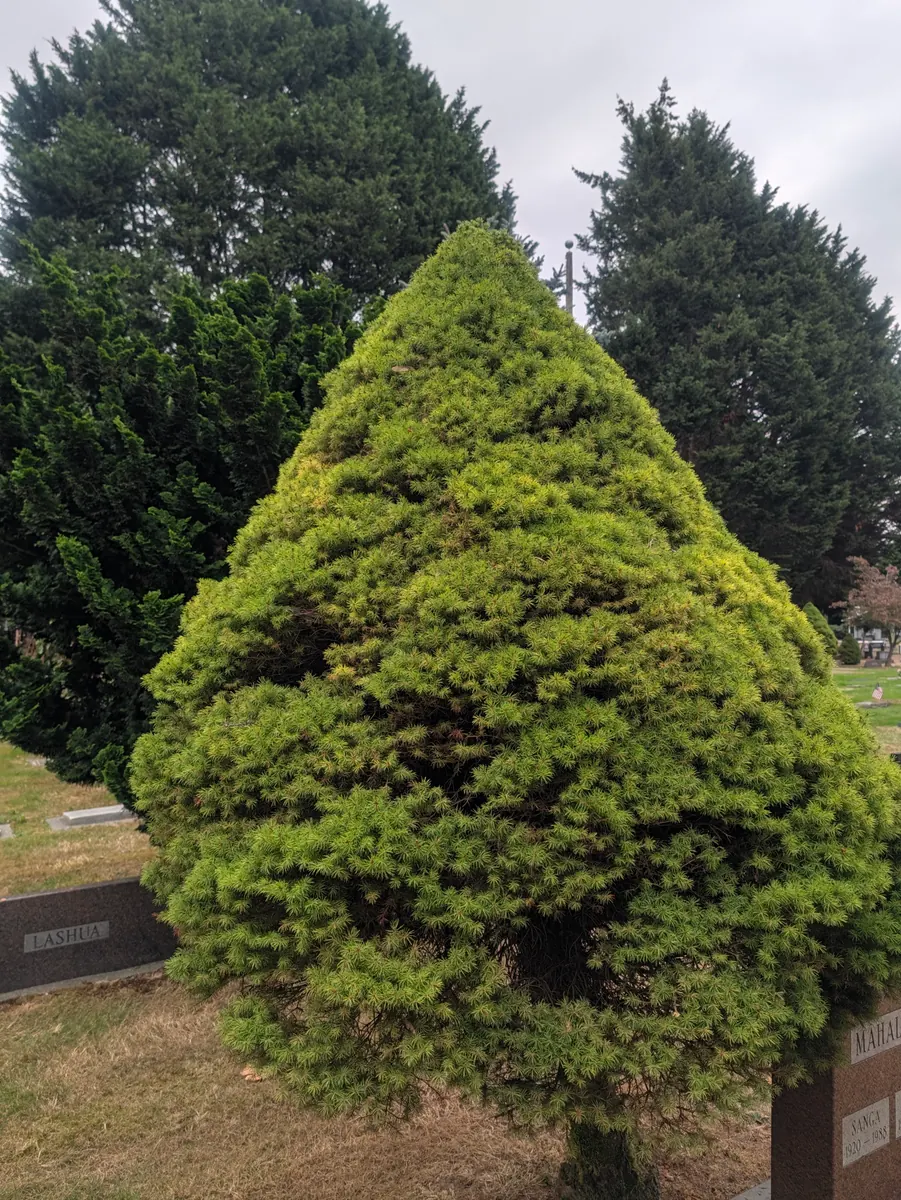
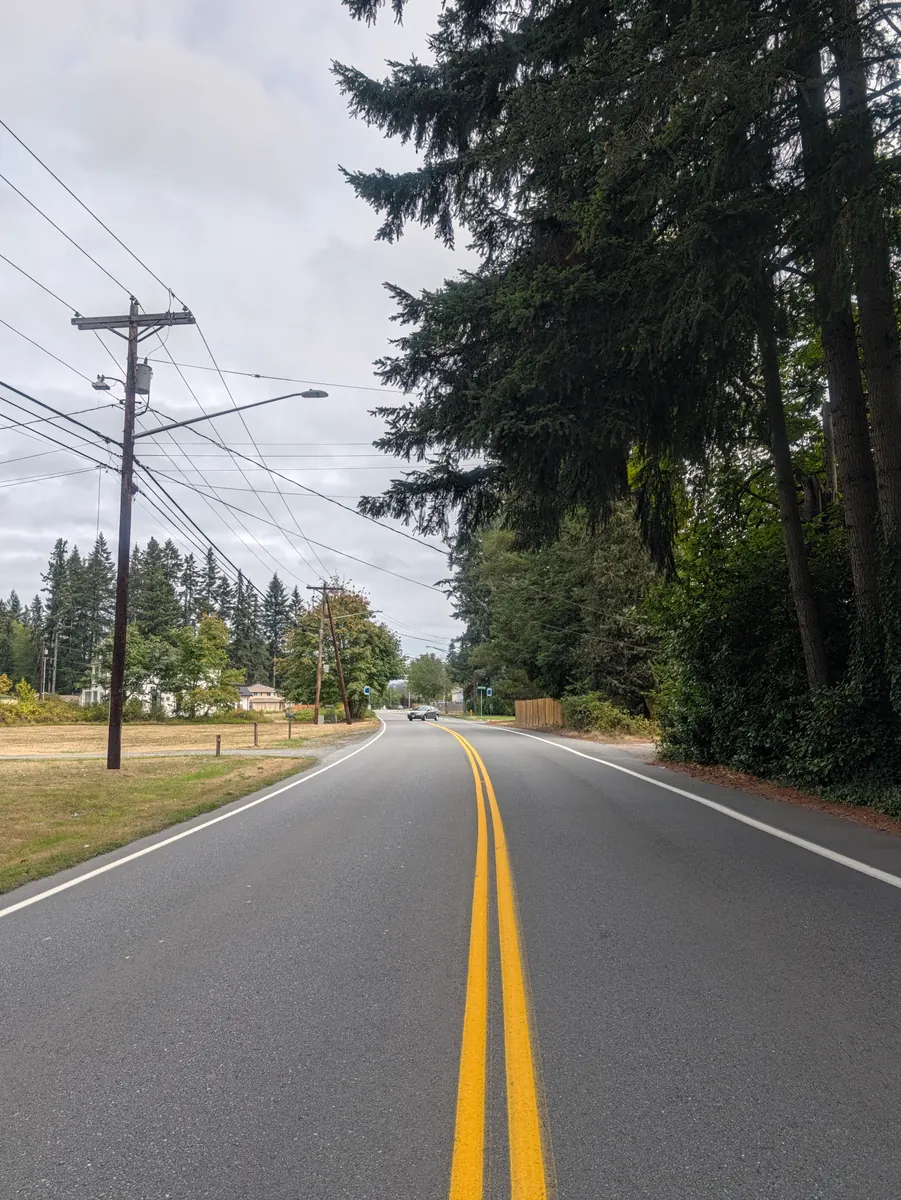
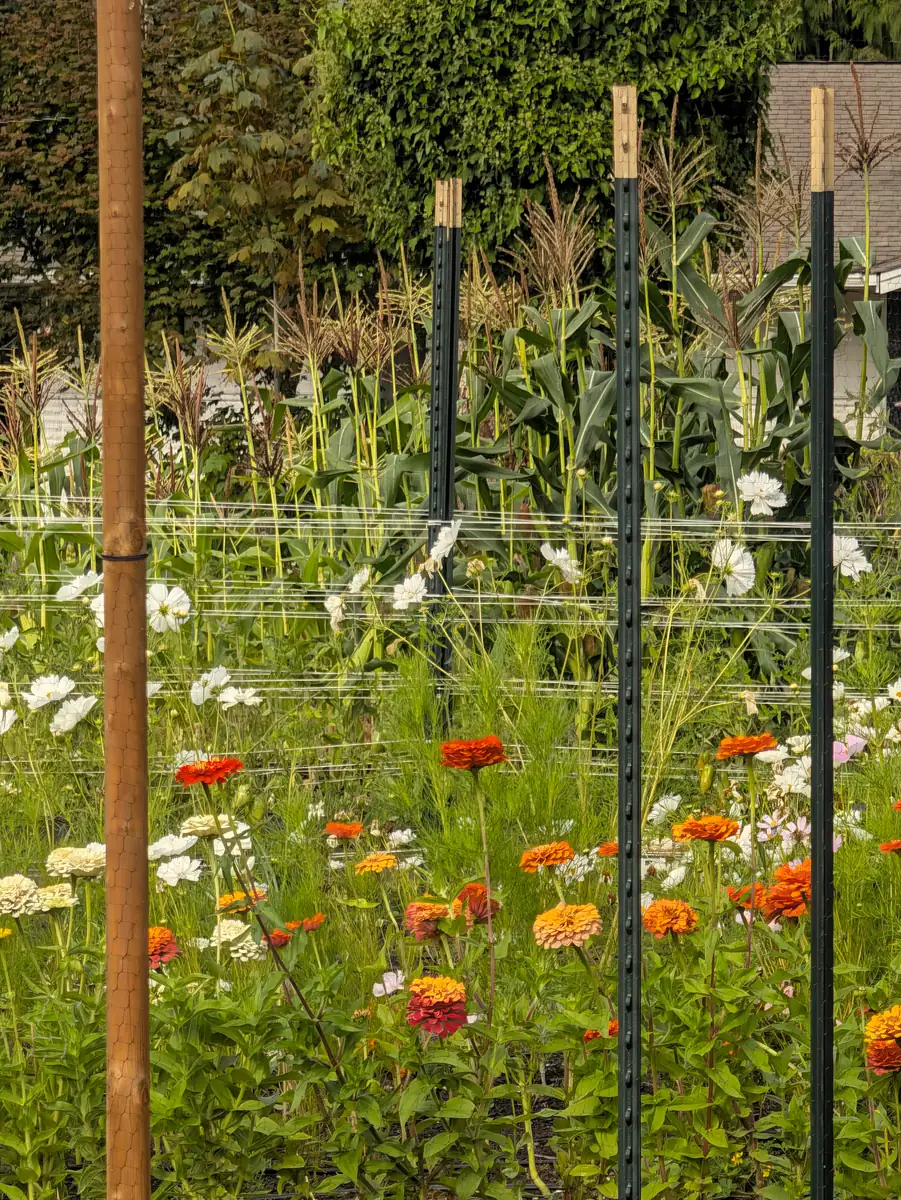
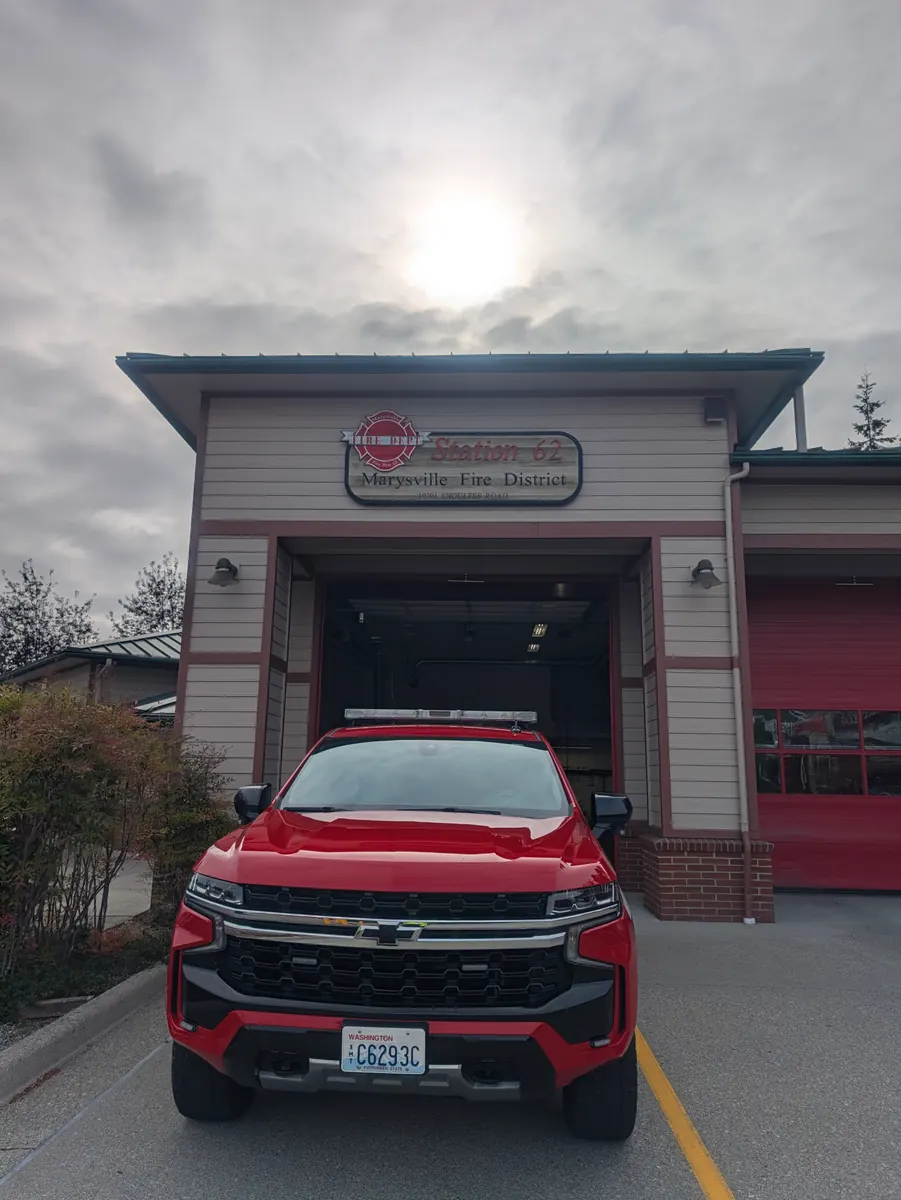
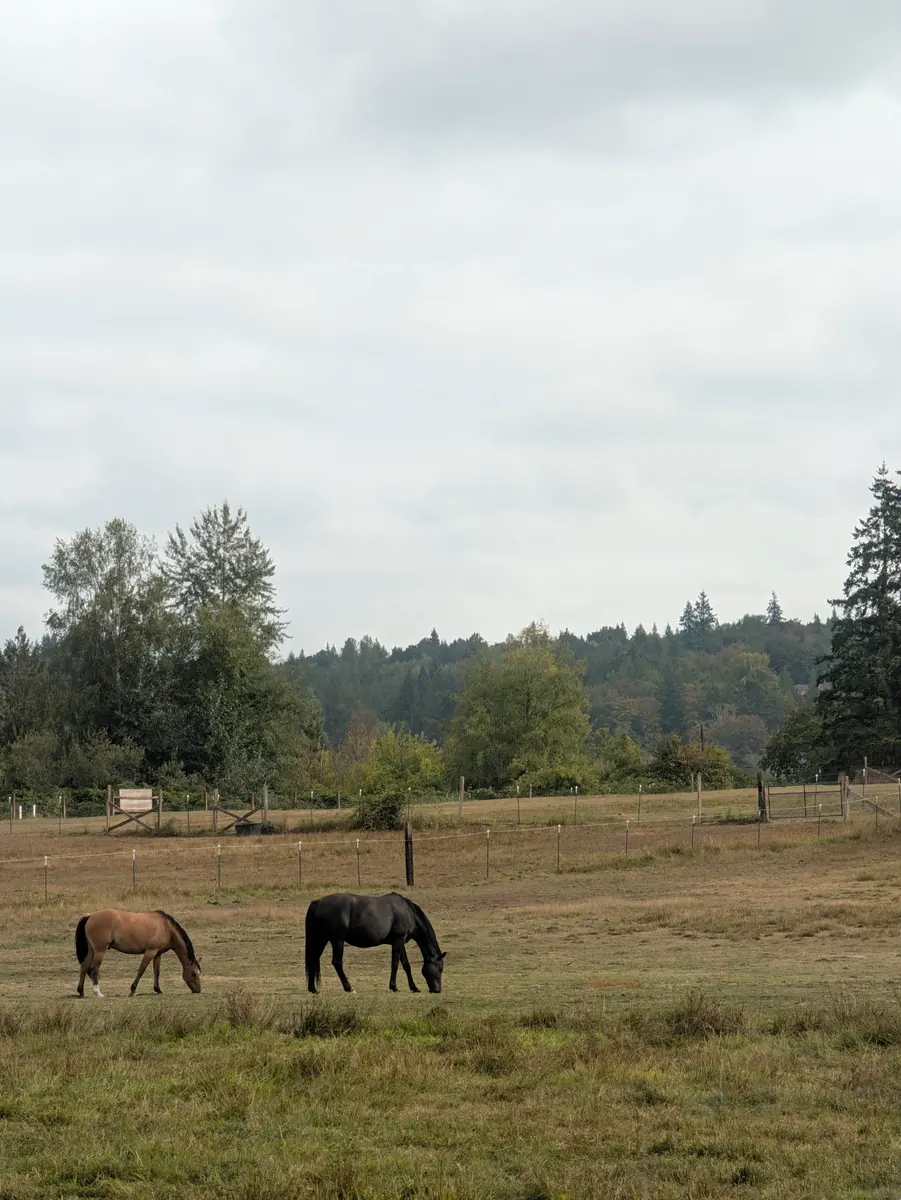
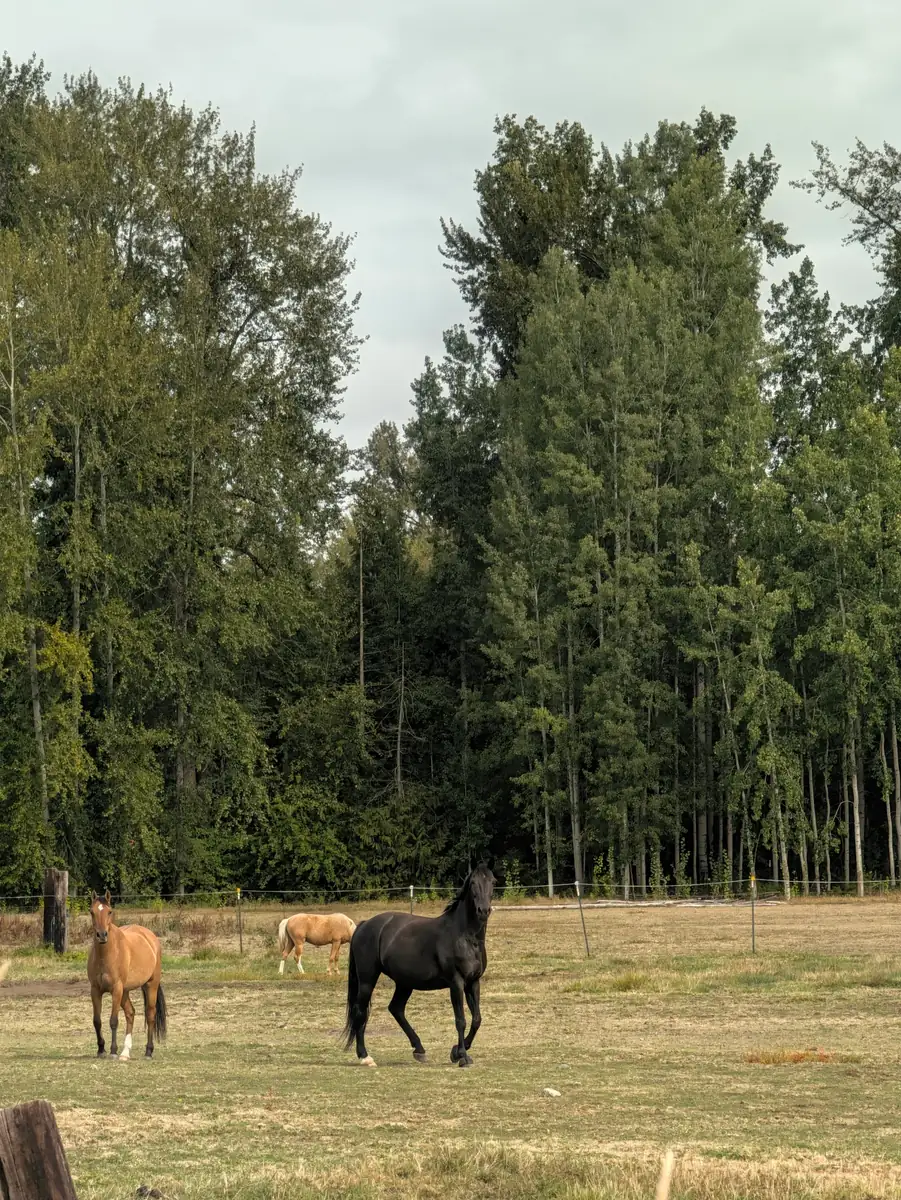
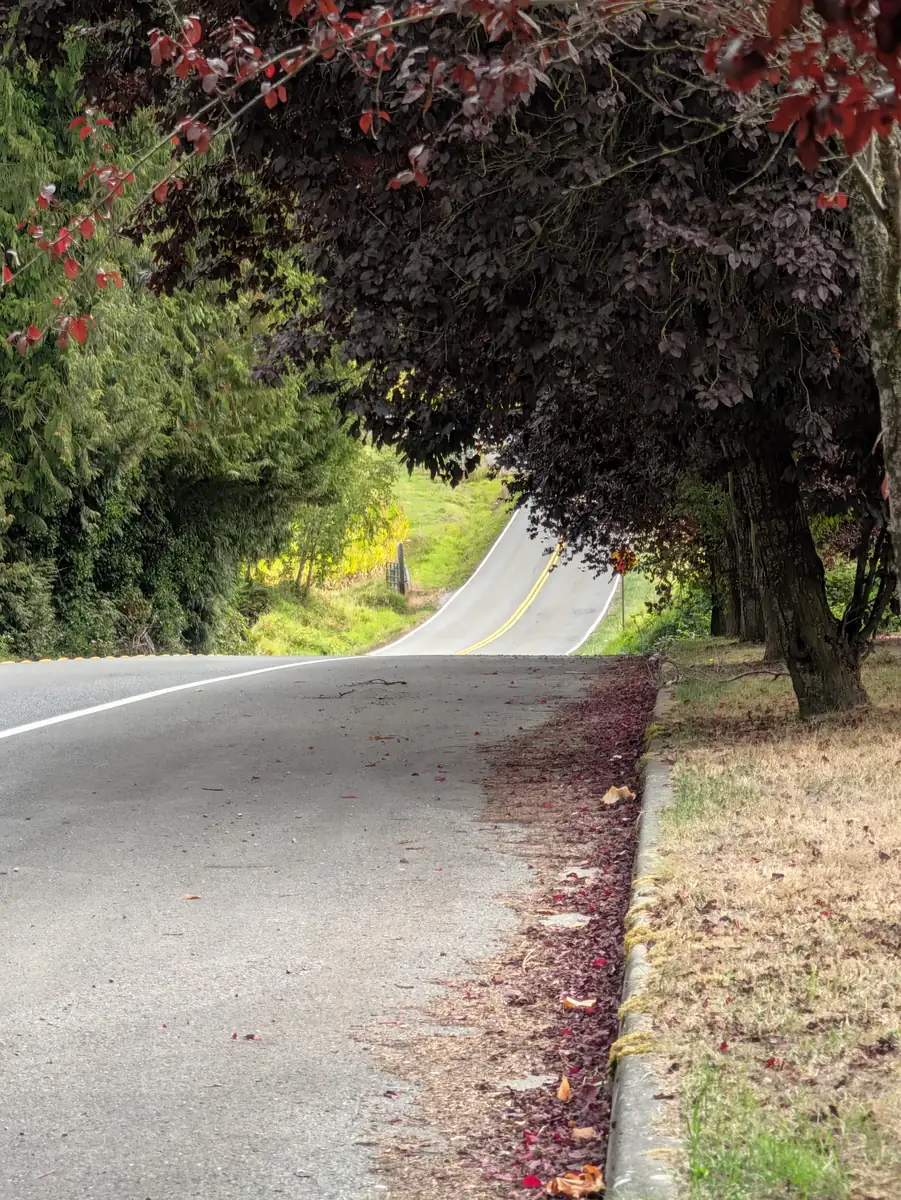
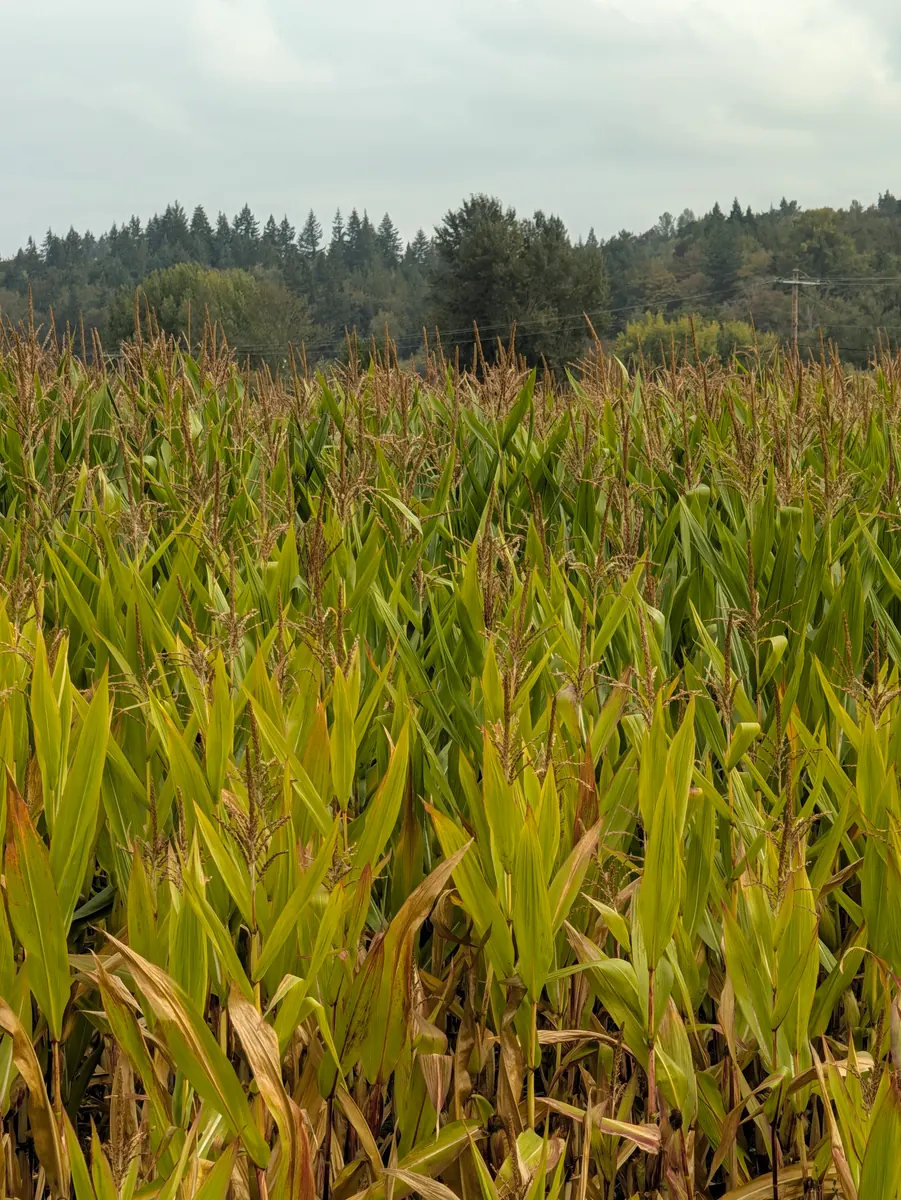
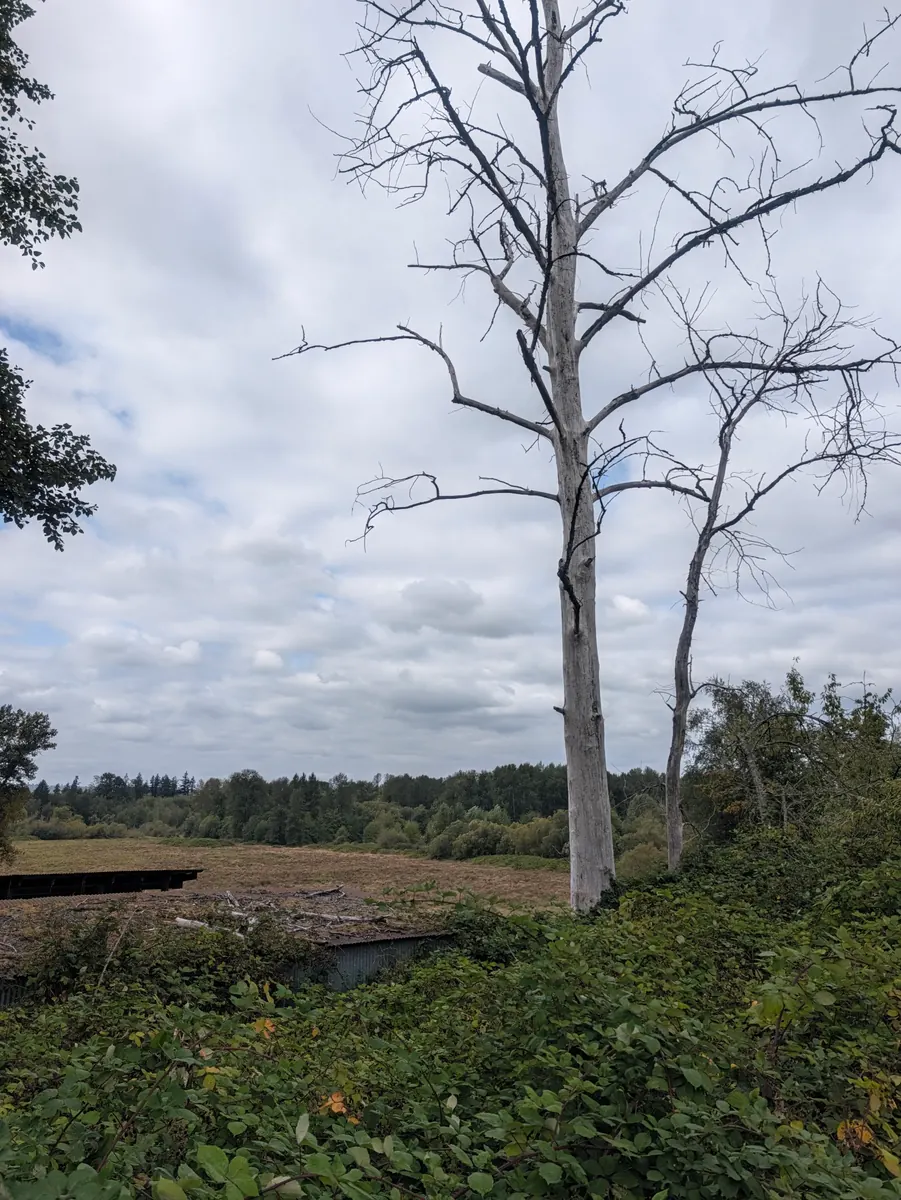
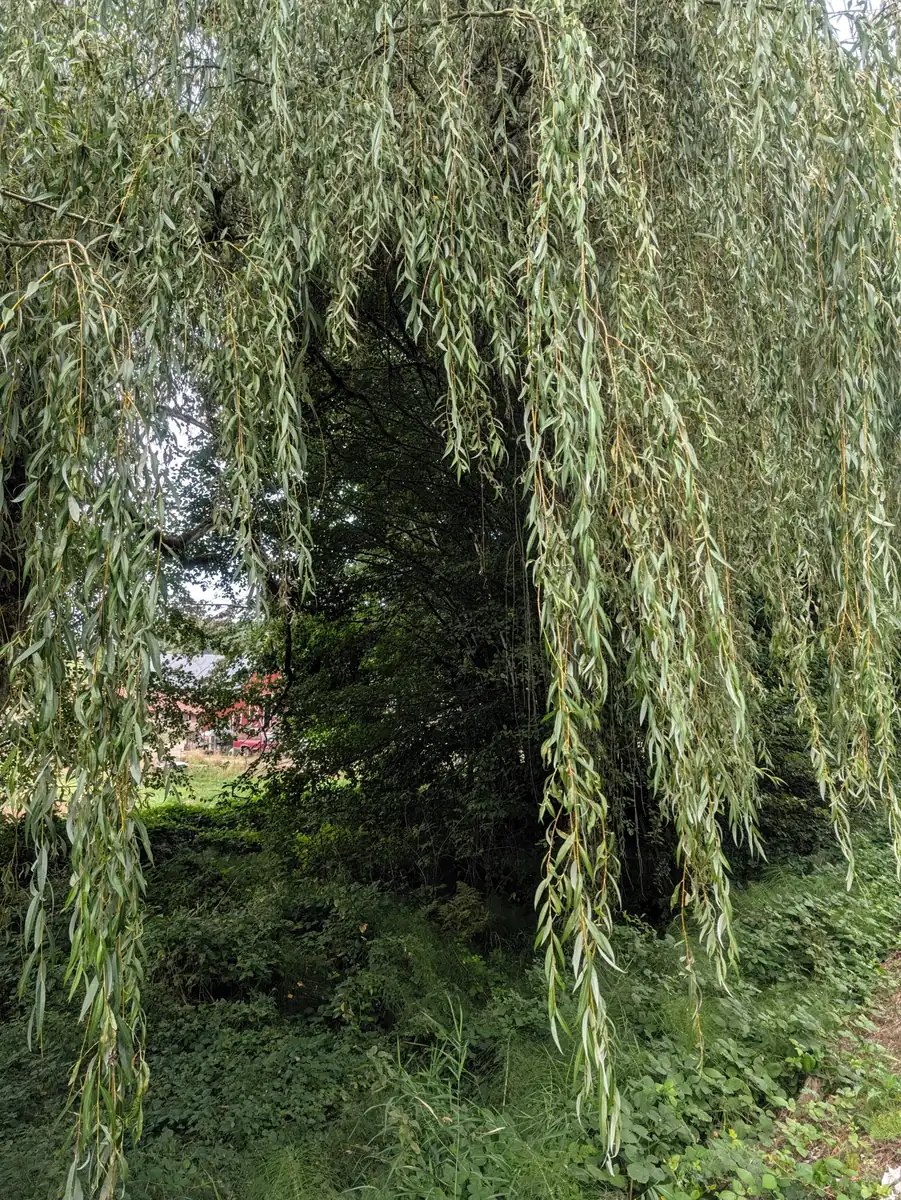
Show all 20 photos from this dayShow fewer photos
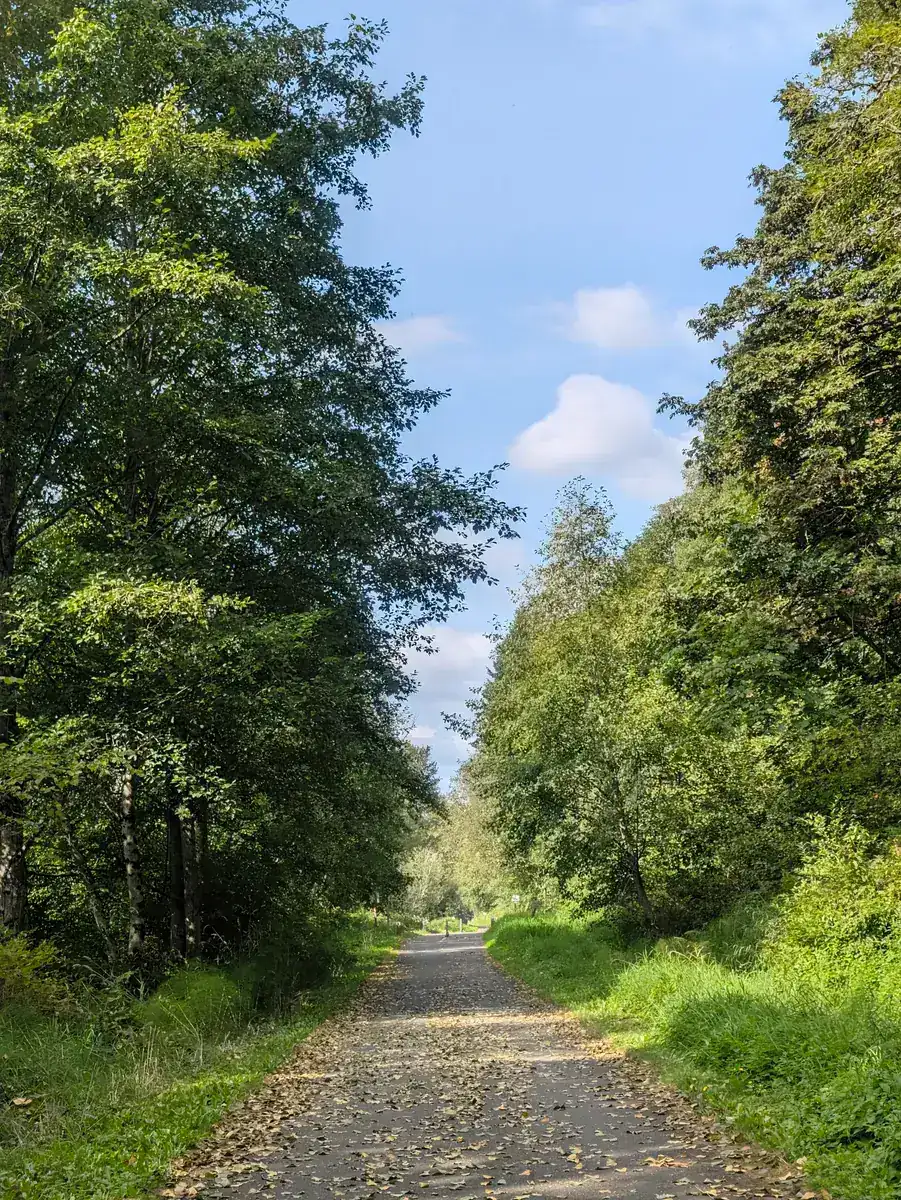
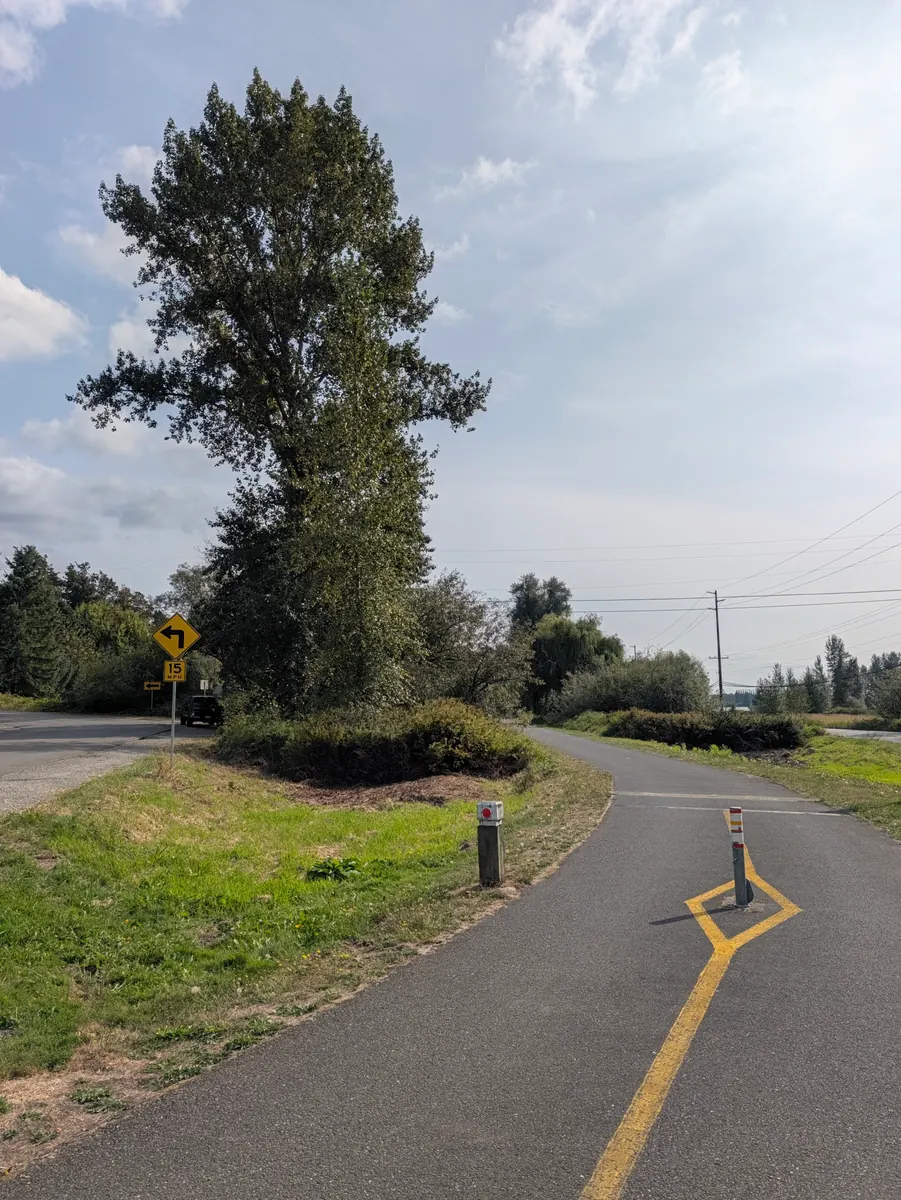
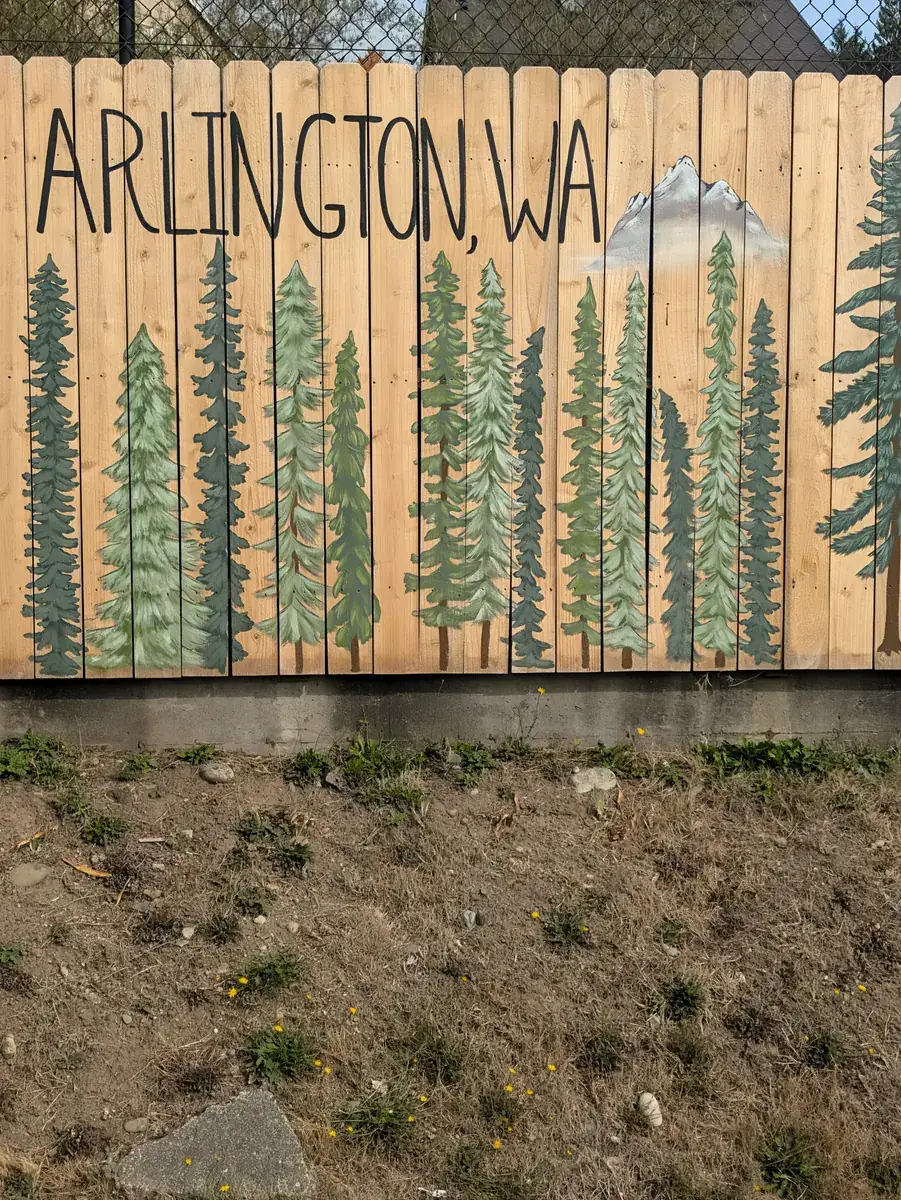
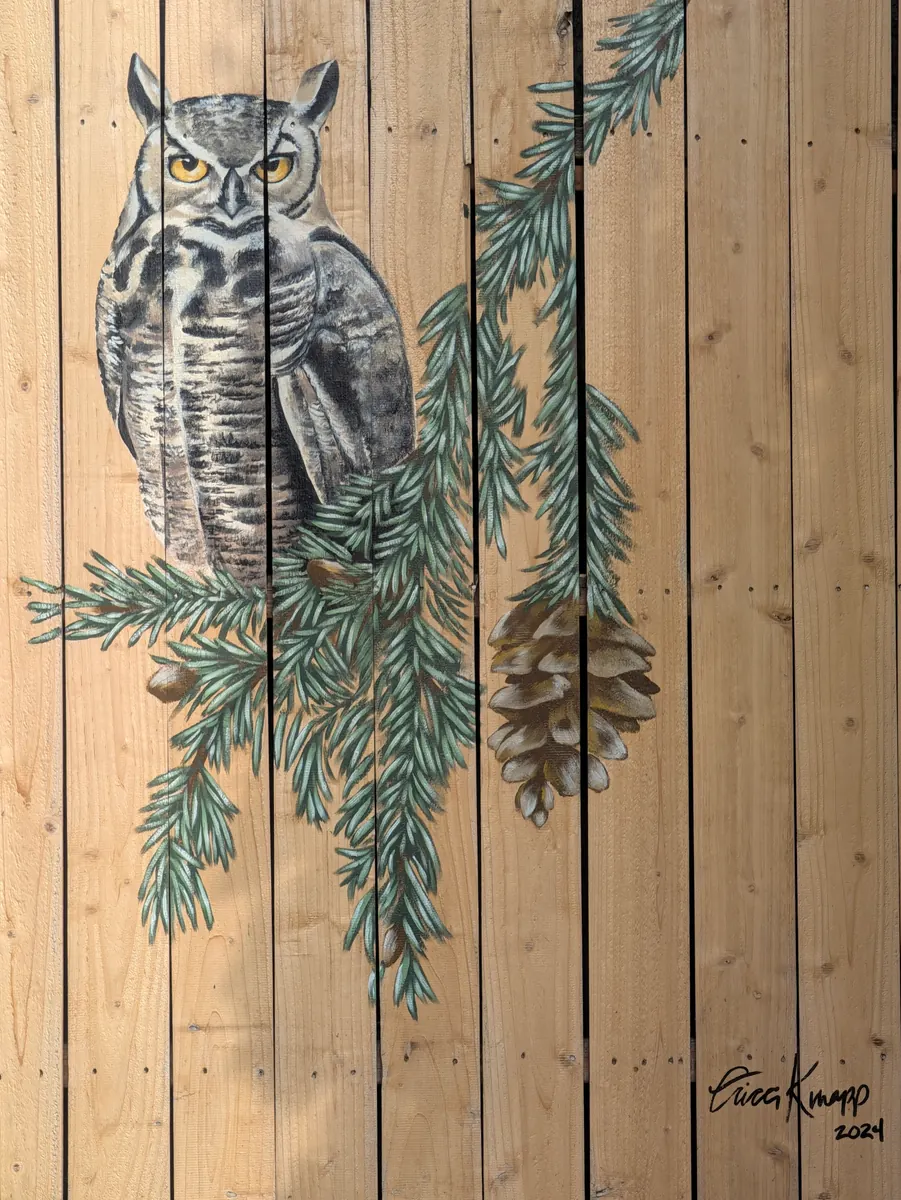
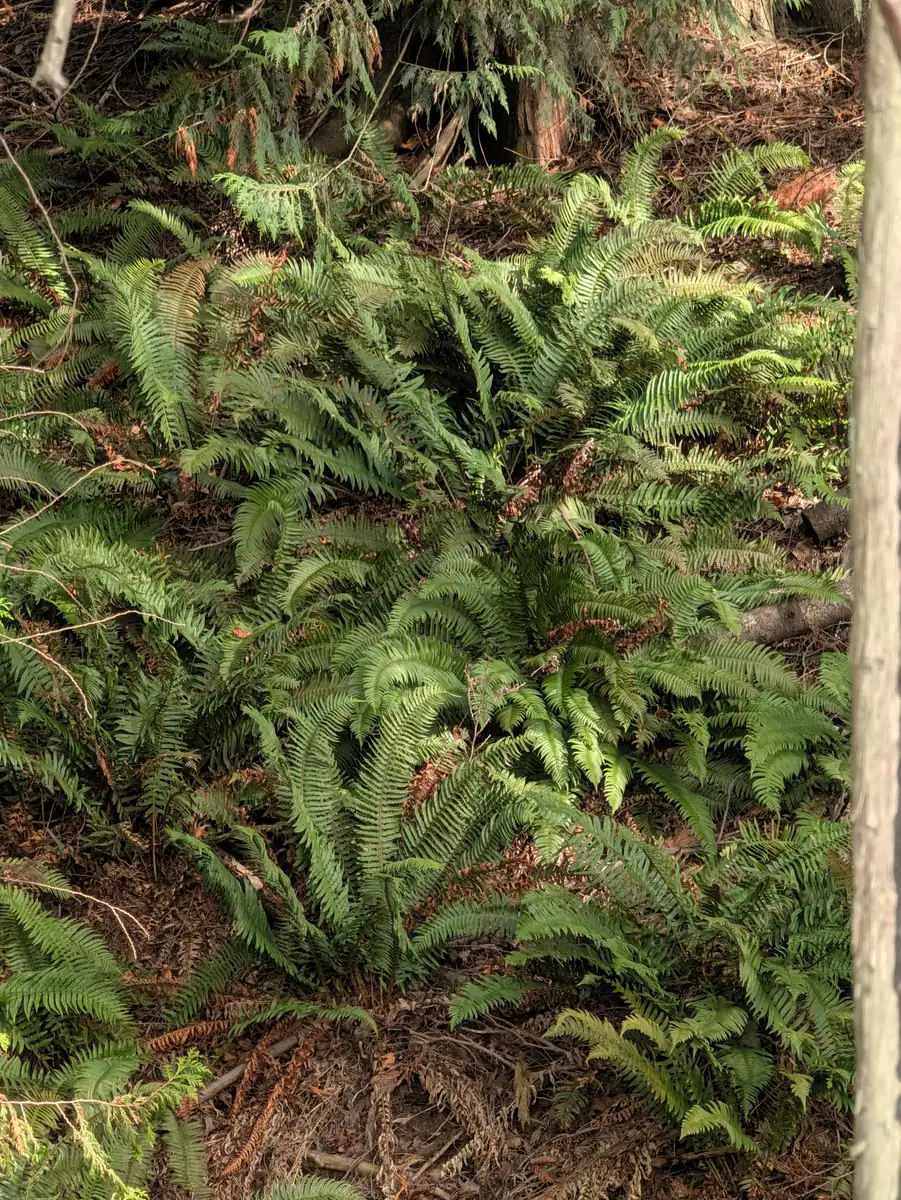
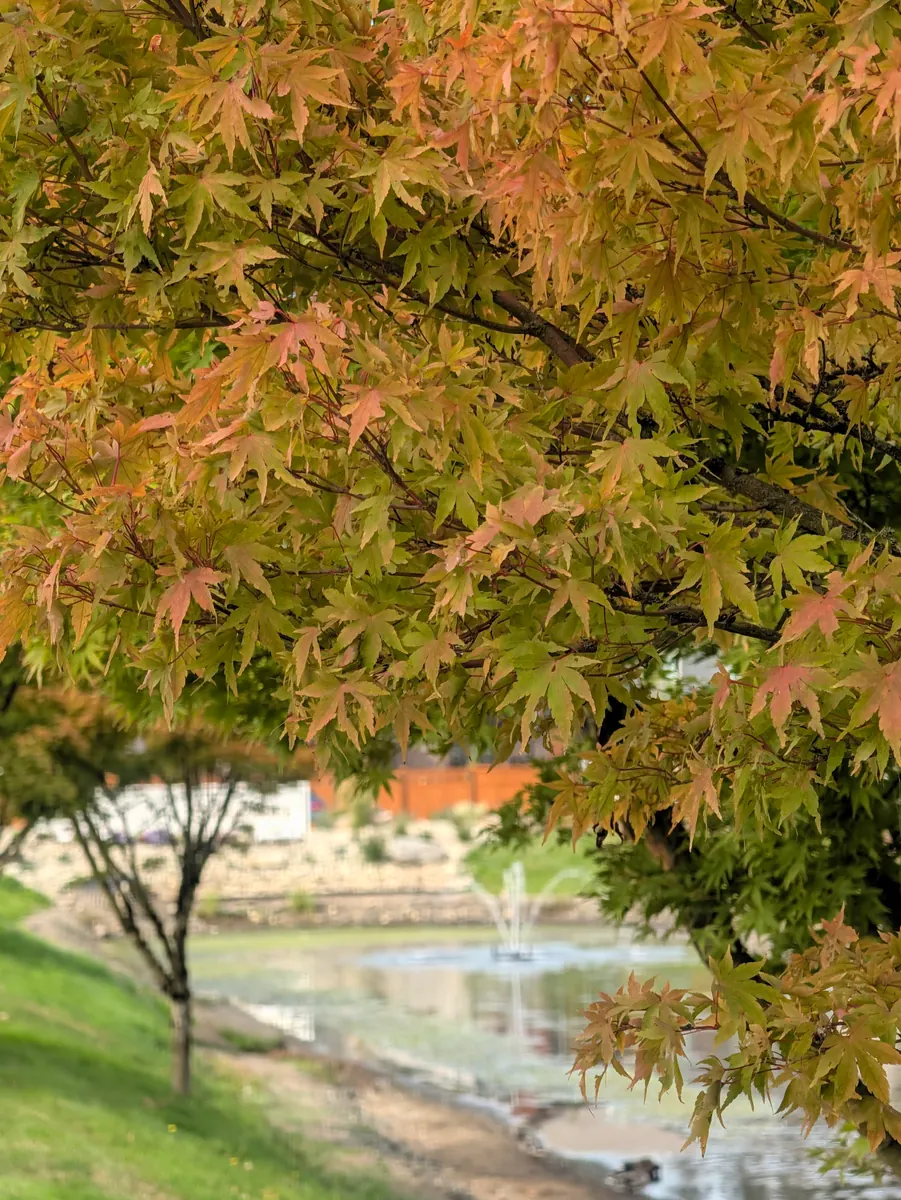
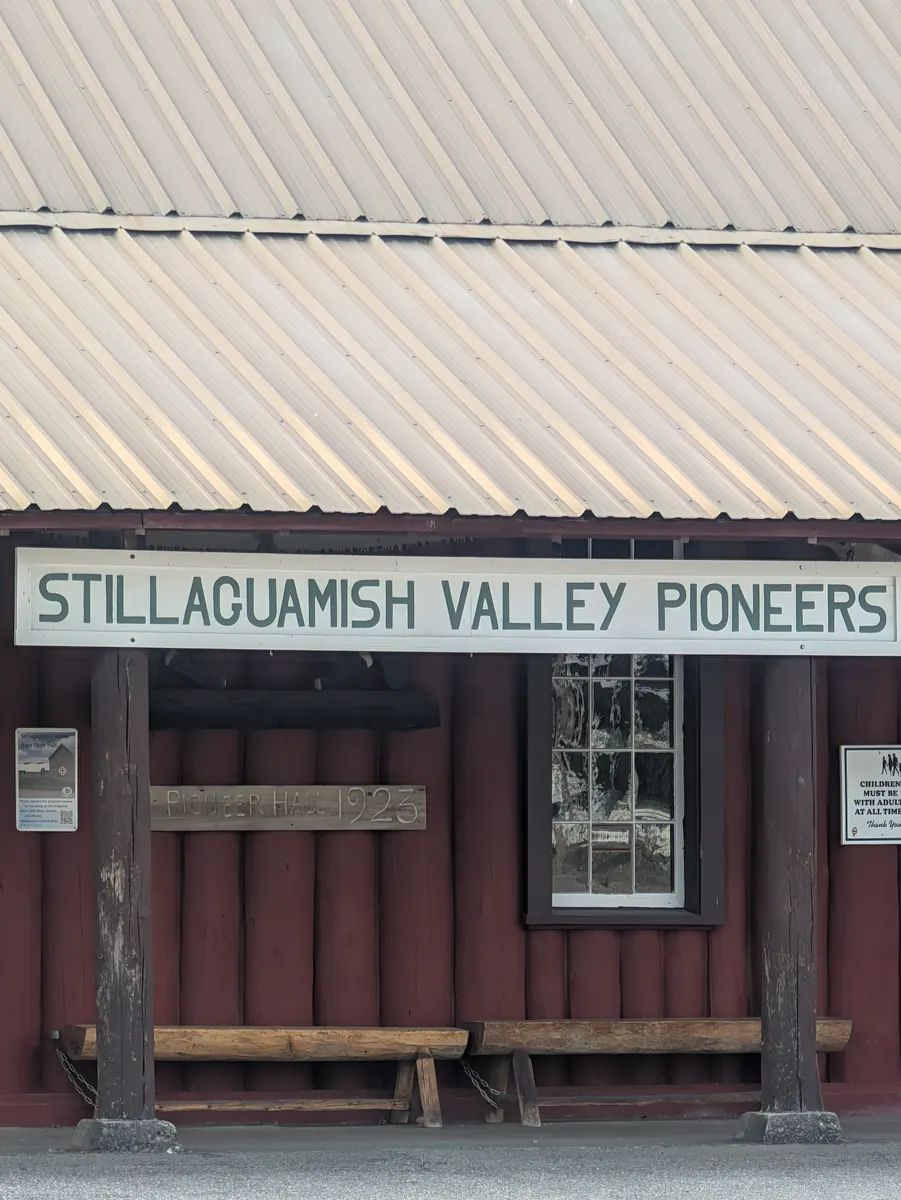
- Distance walked
- 9 miles
Choose where you live
Continue to the official registry that serves you. It decides eligibility, handles registration and contacts you if you may match a patient.
United States — NMDP
NMDP accepts new registry members who are 18 to 35, live in the US, its territories or freely associated states, can meet NMDP’s health guidelines, and are not already registered through another US organization. Joining happens at home: you answer a few questions on NMDP’s site, they mail you a free cheek-swab kit, and you swab and send it back. Once you are a member you stay listed until you are 61 unless you ask to be removed — 61 is when NMDP takes you off, not an age at which you can join. NMDP makes the final eligibility decision.
Check the listed age range
NMDP — Join the registry · checked Sep 1, 2026
Prefer to text? Send JADA to 61474 and NMDP will take it from there.
Browse all official registry options
Eligibility rules can change. Confirm the current requirements with the official registry before joining.
Give to the Jada Bascom Foundation
Choose a symbolic amount or enter your own in Givebutter. Your donation supports JBF’s work wherever it is needed most.
Sponsoring a mile, a day or a stop is a way of describing a gift to the Jada Bascom Foundation. It does not purchase anything on the route.
$100.00 is a suggested amount. Confirm or change it in Givebutter.
Sources
Local history and background reading for this stop.
- History of Arlington — checked Sep 5, 2026
- Main Street walking tour — checked Sep 5, 2026