Back to School: Free K-12 Lessons on Blood, Marrow and Matching

Blood is on the science standards almost everywhere. Somewhere between kindergarten and graduation, every student is supposed to learn what blood is made of, where blood cells come from, and what the immune system does.
The teaching materials for that are thin, and the materials that connect it to something real — a donor registry, a transplant, a patient waiting — are close to nonexistent. So we built them.
What is in the library
Sixteen lessons across four grade bands, all free at /education:
K-2 — what blood does, told concretely. Blood carries things around the body. Some parts fight germs. Some parts stop bleeding. The lessons are activity-first, with printable materials including a hero card students can complete.
3-5 — where blood cells come from. This is the band where marrow enters the picture: the factory inside your bones, what it produces, and what happens when the factory stops working correctly.
6-8 — matching and inheritance. Students meet the idea that cells carry markers, that markers are inherited from parents, and that this is why finding a donor is hard. It connects cleanly to units on genetics and heredity.
9-12 — the immune system, transplantation and the real numbers. This band handles graft-versus-host disease, why a donor's immune system can attack a recipient, and the population genetics that produce unequal match rates across ancestries. It is honest about the inequality without assigning blame to any group.
Each band has four lessons. Nothing requires a login, an email address, or a purchase.
Why a bone marrow foundation makes lesson plans
Partly because the science is genuinely good material. Marrow is a compelling way to teach cell biology, and matching is one of the clearest real-world applications of inheritance a middle schooler will encounter.
Mostly, though, because of who is in the room. A ninth grader today is three or four years from being exactly the donor registries most need — inside the join age, with decades of listed eligibility ahead. Almost nobody hears about the registry before they are thirty, and by then they have often already decided, based on nothing, that donation is not for them.
We are not asking teachers to sign anybody up, and there is no registry sign-up in the lessons. The youngest band ends with a take-home card that invites children to tell a grown-up what they learned; that is the only action step. Students who learn how this works will make their own decision later, from information rather than from a guess.
For volunteers and organizers
There are three resource libraries alongside the lessons, for registration drives, fundraising drives and digital fundraising — roughly fifty downloadable assets between them: checklists, print materials, social graphics and planning templates.
If you are a teacher, a club advisor, or a parent who wants to hand a science teacher something useful in the first week of term, that is what this is for.
If you use them, tell us
These are a first edition. If a lesson lands badly, runs short, or gets a question from a student we did not anticipate, we want to hear about it. It is the fastest way to make the second edition better.
Share this story
Help spread awareness about bone marrow donation by sharing this article.
Related Articles


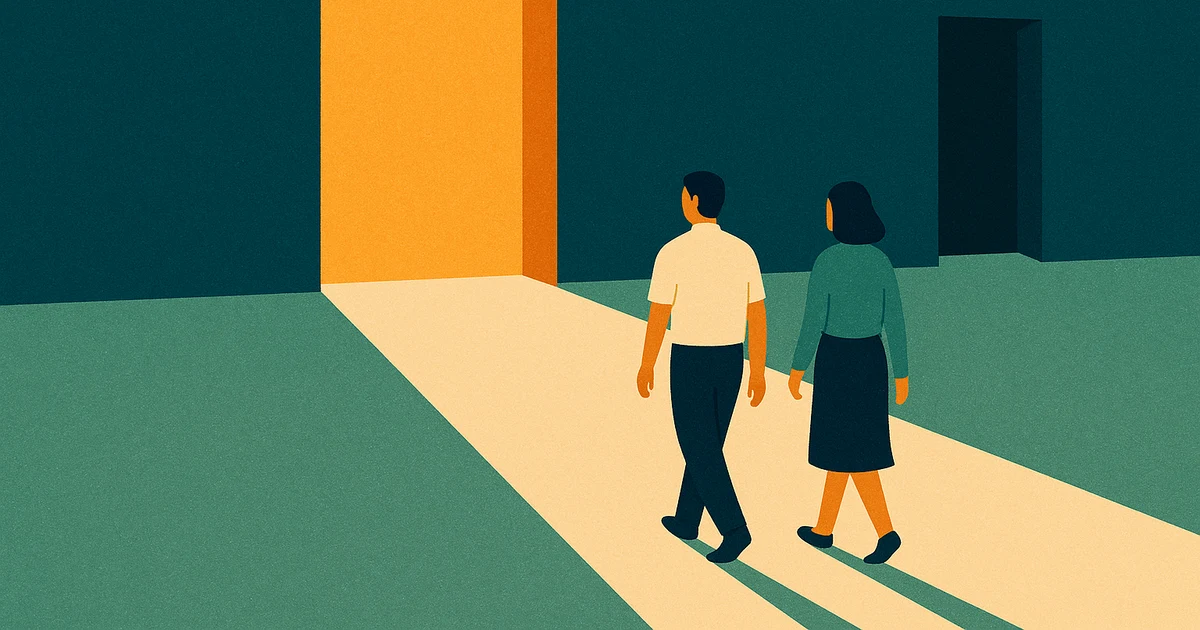
Browse the lesson library
Sixteen lessons across four grade bands, with printable materials. Free, no signup, no email required.