How to Host a Bone Marrow Donor Registration Drive

A drive is really just an invitation: a chance for people who would gladly help a stranger to find out how, in about the length of a coffee break.
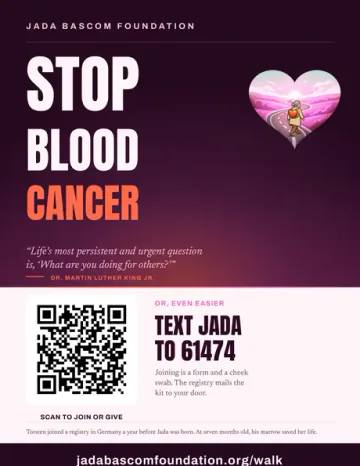
Hosting a bone marrow donor registration drive is simpler than most people expect. At its heart, a drive is one afternoon where you gather a group of people, explain why joining a registry matters, and make it easy for anyone who is ready to sign up on the spot. You do not need medical training, a big budget, or a hospital connection. You need a room, a reason, and a plan.
This guide walks you through that plan step by step, in the order you will actually use it. The Jada Bascom Foundation does not run a registry or mail out swab kits ourselves. What we do is educate people about donation and route each person to the official national registry that serves their country, then help hosts like you plan a drive that sends people to the right place. Think of us as the friendly guide standing between "I want to help" and "I'm registered."
What is a registration drive, really?
A registration drive is an event where interested people can start the process of joining their national bone marrow registry. In practice, that usually means learning a little about donation, deciding whether they are eligible, and then registering through the official registry for their country, often by providing a simple cheek swab that the registry uses to add their tissue type to its search pool.
According to NMDP (formerly Be The Match), the largest registry in the United States, joining is free, and the registry itself handles the swab kit and the HLA (tissue) typing behind the scenes. Your job as a host is not to collect samples or make eligibility decisions. Your job is to create the moment where someone decides "yes," and to point them to the right registry to make it official.
Step 1: Pick your audience and your place
Every good drive starts with a clear picture of who you are inviting. The most successful drives are built around a community that already trusts one another: a university, a workplace, a faith community, a sports league, or even a neighborhood.
Young adults are especially valuable to registries. NMDP asks people to be between the ages of 18 and 35 to join its registry, because research shows younger donors tend to give patients the best chance at a strong outcome. That makes campuses, early-career workplaces, and student clubs natural hosts, though people of many ages can still take part in learning and spreading the word.
When you choose a venue, keep it practical. You want a spot with foot traffic, somewhere to set a table, decent lighting, and enough calm that people can hear you talk for a minute. A student union lobby, a break room, a lobby after a service, or a table at a community fair all work beautifully. Our guide to hosting a registration drive breaks down the kinds of groups that tend to host well, if you want ideas for your own community.
Step 2: Decide which registry your attendees should use
This is the step most first-time hosts overlook, and it matters more than you would think. Bone marrow registries are organized by country. Someone in the United States will register with a different organization than someone in the United Kingdom, Germany, Canada, or India, even though every major national registry shares its donor list globally through the World Marrow Donor Association. Register anywhere, and you join the same worldwide search.
So before your drive, decide where you will send people. If your whole audience is local, that is easy: one registry, one link, one QR code. If your crowd is international, such as a university with students from many countries, you will want a single starting point that routes each person to the correct registry automatically. That is exactly what our which registry should you join page is built to do. Point everyone to one link and let it sort out the country details, so no one walks away confused about where to sign up.
A clean way to handle this at the table: print one QR code that leads to that routing page. People scan, pick their country, and land on their own official registry's sign-up page. You never have to memorize a list of registries.
Step 3: Build a simple message of eligibility and hope
People do not register because of statistics. They register because someone made them feel that their small action could matter to a real human being. Your message should do two things: tell people how to know if they are eligible, and give them a reason to care.
For eligibility, keep it honest and light. You can share the general basics, such as the age range and the fact that each registry sets its own health criteria, and then point people to check the specifics themselves rather than guessing on their behalf. You are not the eligibility judge; the registry is.
For hope, keep it human. Blood stem cell and marrow transplants are used to treat serious illnesses such as leukemia, lymphoma, and other blood disorders, according to the American Cancer Society. For some patients, a matched donor is their best chance at a transplant. The American Cancer Society also notes that a patient's best matches often share their ancestry, which is why registries especially need donors from every background. You do not need to dramatize any of this. A calm, true sentence about a patient waiting for a match is more powerful than a slogan.
Step 4: Make the swab and sign-up moment easy
The registration moment should feel like the easiest part of someone's day. Remove every ounce of friction you can.
- One device, one link. Have a tablet or two ready, or lean on people's phones with your QR code. The fewer taps between "yes" and "registered," the better.
- A quiet corner. Give people a spot to fill out the short health questions without feeling rushed or watched.
- Clear, kind guidance. Remind people that the registry, not you, mails any swab kit and does the tissue typing. If someone registers online at your table, they may receive their kit at home afterward. Set that expectation so no one waits around for a swab that is not happening on the spot.
- A graceful exit for "not today." Some people will not be eligible, and some will want to think about it. Thank them warmly and hand them the link anyway. A "maybe later" often becomes a "yes" at home.
Keep the tone celebratory. Every completed registration is worth a genuine "thank you," because that person just made themselves available to a stranger who may never know their name.
Step 5: Follow up without pressure
The drive is not over when the table comes down. Gentle, respectful follow-up is where good drives turn into great ones, and where you avoid the number-one mistake: nagging.
Within a day or two, send one warm thank-you to everyone who came, registrants and undecideds alike. Include the routing link again so anyone who meant to sign up still can. If your registry provides any post-registration reminders, mention that people may hear from the registry directly, not from you, so they are not surprised.
Then step back. You are not chasing anyone. You planted seeds; some will sprout on their own timeline. A single friendly follow-up respects people's autonomy and still gives the fence-sitters an easy path forward. If your drive was tied to a specific patient or cause, a short note later about how it went can mean a great deal to everyone who took part.
You are ready
A drive is really just an invitation: a chance for people who would gladly help a stranger to find out how, in about the length of a coffee break. Choose your people, choose your place, point everyone to the right registry, tell a true and hopeful story, make signing up effortless, and follow up with kindness.
When you are ready to plan the details, start with our registration drive host guide, and keep the which registry should you join page handy as the single link you share with every attendee. One host, one afternoon, one clear path to the registry — that is how a room full of "maybe" quietly becomes a room full of potential lifesavers.
Frequently asked questions
Do I need to be medically trained to host a bone marrow registration drive?
No. Hosts do not collect samples, run tissue typing, or decide who is eligible — the official national registry handles all of that. Your role is to gather people, explain why registering matters, and point everyone to the right registry to sign up. No medical background is required.
Which registry should my attendees sign up with?
Whichever official registry serves their country. Registries are organized nationally but share their donor lists globally through the World Marrow Donor Association, so registering anywhere joins the same worldwide search. If your crowd is international, share one routing link that detects each person's country and sends them to the correct registry automatically.
Does the Jada Bascom Foundation mail swab kits or run the registry?
No. JBF educates people about donation and routes each person to the official national registry for their country. The registry itself sends any swab kit, performs the HLA (tissue) typing, and decides eligibility. We help you plan a drive and connect your attendees to the right place to register.
Who can join a bone marrow registry?
Each national registry sets its own age and health criteria. NMDP, the largest US registry, asks people to be between the ages of 18 and 35 to join, because younger donors tend to give patients the best chance at a strong outcome. Always point attendees to their own registry to confirm current eligibility rather than deciding for them.
How long does registering take at a drive?
For most people, signing up takes only a few minutes: a short set of health questions and, in many cases, a simple cheek swab that the registry uses for tissue typing. If someone registers online at your table, the registry may mail their swab kit to complete at home afterward.
How should I follow up after the drive?
Send one warm thank-you within a day or two to everyone who attended, and include the registry link again for anyone who meant to sign up. Then step back. A single, respectful follow-up gives undecided people an easy path forward without pressure — nagging tends to backfire.
Sources
Share this story
Help spread awareness about bone marrow donation by sharing this article.
Related Articles

Get the drive guide
Every person who joins the registry is a potential lifesaver.